
Falstaff Winery - Listed
Bodegas Guímaro is a small family winery tied to Ribeira Sacra’s steep Amandi terraces, where Mencía, Godello and other Galician varieties are shaped by slate, granite, sand and Atlantic influence. The experience is more working cellar than polished wine tourism, with appointment-led visits focused on vineyard context, traditional methods and terroir-driven wines.

Pearl is the En Primeur Club membership app — saves, bookings, and concierge access live there. Same editors, same standards.
- Address
- Brosmos, Madrid, Comunidad de, Spanien
- Directions
- Get directions
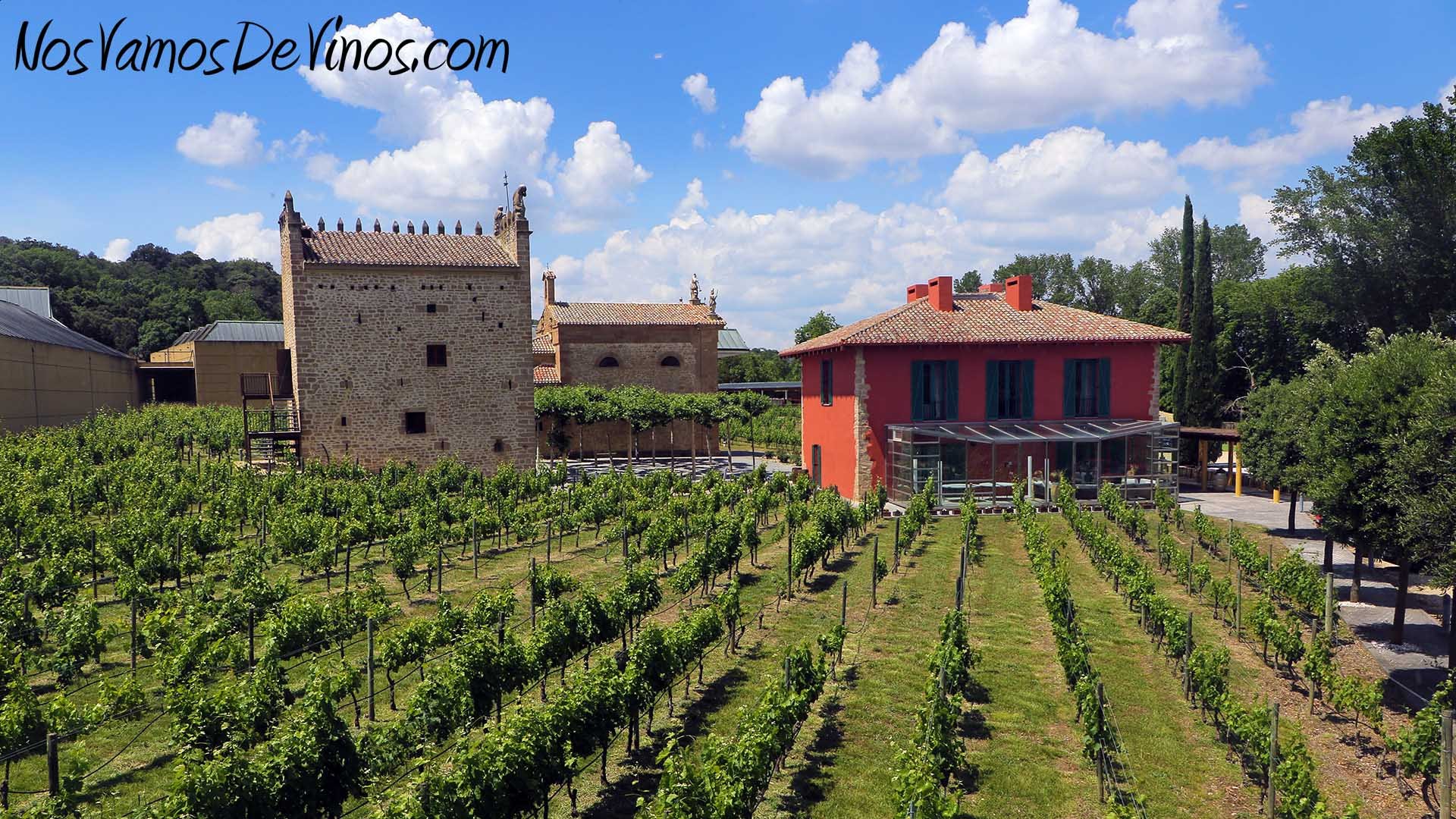
Bodegas Guímaro in Brosmos is best understood as a small, traditional family winery rather than a polished hospitality venue. The picture is deliberately simple: a working rural address in the steep terraces of Ribeira Sacra, focused on terroir-driven, low-intervention wines. That makes the appeal more about place, craft and landscape than about a broad visitor program or restaurant-style comfort.
The useful starting point is the setting. Ribeira Sacra is known for dramatic, difficult vineyard terrain, and Bodegas Guímaro belongs to that world of steep terraces and hands-on agricultural work. The atmosphere is described as rustic, scenic and authentic, with a serious, craft-oriented feel. In practical terms, that means visitors should expect a winery whose identity is tied to the land and the work behind the wines, not a venue built around spectacle.
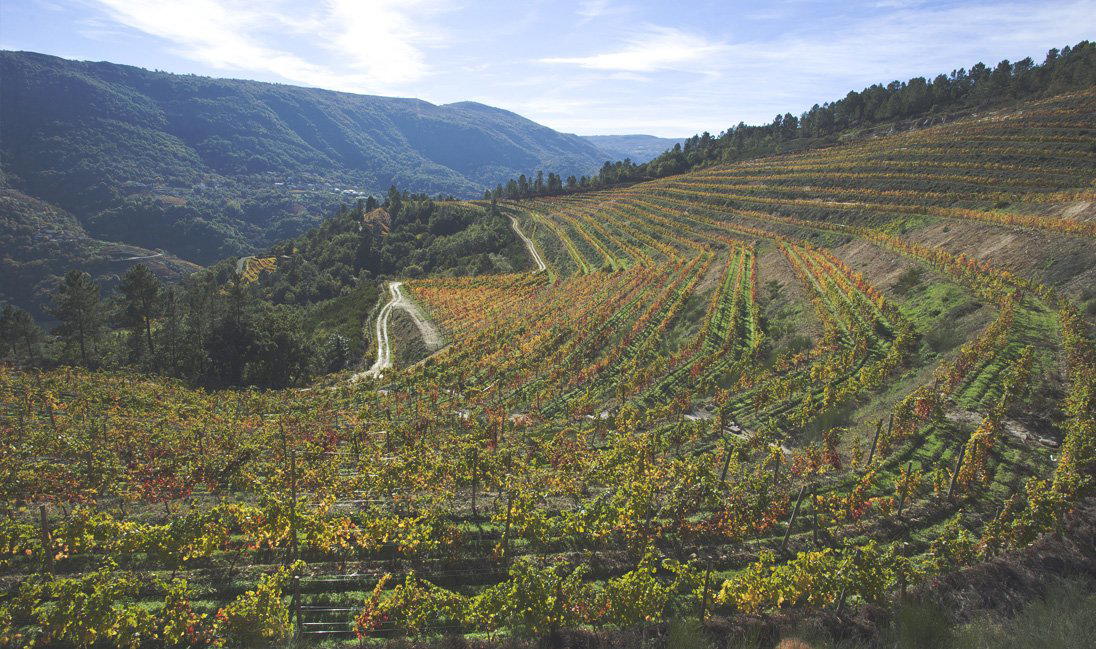
Steep Ribeira Sacra terraces give the wines their argument
The most grounded way to describe Bodegas Guímaro is through its relationship to terrain. It is a family winery in Ribeira Sacra, a region where steep terraces shape both the work and the character of the wines. The emphasis is on terroir-driven production, so the central idea is not a long list of amenities, famous dishes or entertainment features. It is the connection between vineyard, place and bottle.
That focus also explains the low-intervention language attached to the winery. What can be said is that Bodegas Guímaro is presented as serious, craft-oriented and rooted in traditional rural work. The atmosphere is working rather than touristic, which is important for setting expectations. This is not framed as a glossy stop with a large hospitality script; it is a small winery whose appeal comes from authenticity and restraint.
The price level is listed as $$$. For a venue like this, that should be read less like a restaurant bill estimate and more as a general guide to the level of the experience or purchase context. The confirmed information supports the winery’s character, not a full operational guide.
The focus is terroir-driven, low-intervention wine
Bodegas Guímaro’s clearest identity is wine made with a strong sense of place. The phrase “terroir-driven” matters because it shifts attention away from generic wine tourism and toward the conditions that produce the wine: rural setting, steep terraces and a family winery culture shaped by Ribeira Sacra. The page should not overstate grape varieties, individual bottlings, production volumes, awards or named techniques unless those are independently confirmed. What remains is still meaningful: a compact, traditional winery with a serious relationship to its landscape.
The same restraint applies to the visitor experience. Rather than filling those gaps with assumptions, it is more accurate to say that Bodegas Guímaro appears well suited to travelers who value rural authenticity and craft over a highly programmed venue. If the purpose of a visit is to understand Ribeira Sacra through a working family winery, the fit is clear. If the purpose is a detailed hospitality itinerary, the details need direct confirmation.
That distinction is useful because it protects the venue from being misread. A small winery in steep Ribeira Sacra terraces should not be described as though it were a full-service dining room, a bar, or a visitor center with add-ons. Its strength is narrower and stronger: a traditional, rural, low-intervention winery context in Brosmos, with a rustic and scenic atmosphere.
How to place it in a broader Spain itinerary
For travelers building a route through Galicia or Spanish wine country, Bodegas Guímaro works as a focused Ribeira Sacra stop. It is not necessary to invent accolades, historic dates or elaborate service formats to make the case. The facts already give the winery a clear role: it represents the small-scale, craft-driven side of a region defined by steep terraces and a strong sense of place.
Planning should stay cautious and direct. The confirmed location is Brosmos, and the confirmed price indicator is $$$. The confirmed atmosphere is rustic, scenic, rural and authentic rather than touristic. Beyond that, operational details should be with the winery before travel. That includes hours, booking requirements, tasting availability, languages, accessibility, payment options and any visitor services.
For broader trip planning, start with a full Brosmos wineries guide, then cross-check other dining in Brosmos generically if you need meals around the visit. Bodegas Guímaro is the relevant named point of comparison here, and the most honest way to frame it is as a serious family winery for travelers who care about terroir, low-intervention wine and the working range of Ribeira Sacra.
Recognition history
Dated appearances from independent guides and award organizations, with the underlying list record or original source where available.
Falstaff Winery - Listed
Falstaff
Continue exploring
More in Brosmos
Wineries in Brosmos
Browse all →

Details
- Rustic
- Scenic
- Classic
- Intimate
- Wine Education
- Solo Exploration
- Group Outing
- Special Occasion
- Vineyard Tour
- Barrel Room
- Estate Grounds
- Panoramic View
- Organic
- Sustainable
- Vineyard
- Mountain
- Mencía
- Godello
- Caíño Tinto
- Sousón
- Merenzao
- Still Red
- Still White
- Sparkling
- Standard Tasting
- Vineyard Tour Plus Tasting
- Spanish
Small, traditional family winery in the steep terraces of Ribeira Sacra, focused on terroir-driven, low-intervention wines; atmosphere is working, rural and authentic rather than touristic, with a serious, craft-oriented feel.