
Falstaff Winery - 2 Stars
Bodegas Borsao gives Campo de Borja’s Garnacha identity a large-scale, production-led frame. The draw is not a boutique cellar fantasy but a cooperative winery shaped by limestone soils, the cierzo wind, and a region that has built much of its modern reputation on Grenache.

Pearl is the En Primeur Club membership app — saves, bookings, and concierge access live there. Same editors, same standards.
- Address
- Borja, Campo de Borja, México, Spanien
- Directions
- Get directions
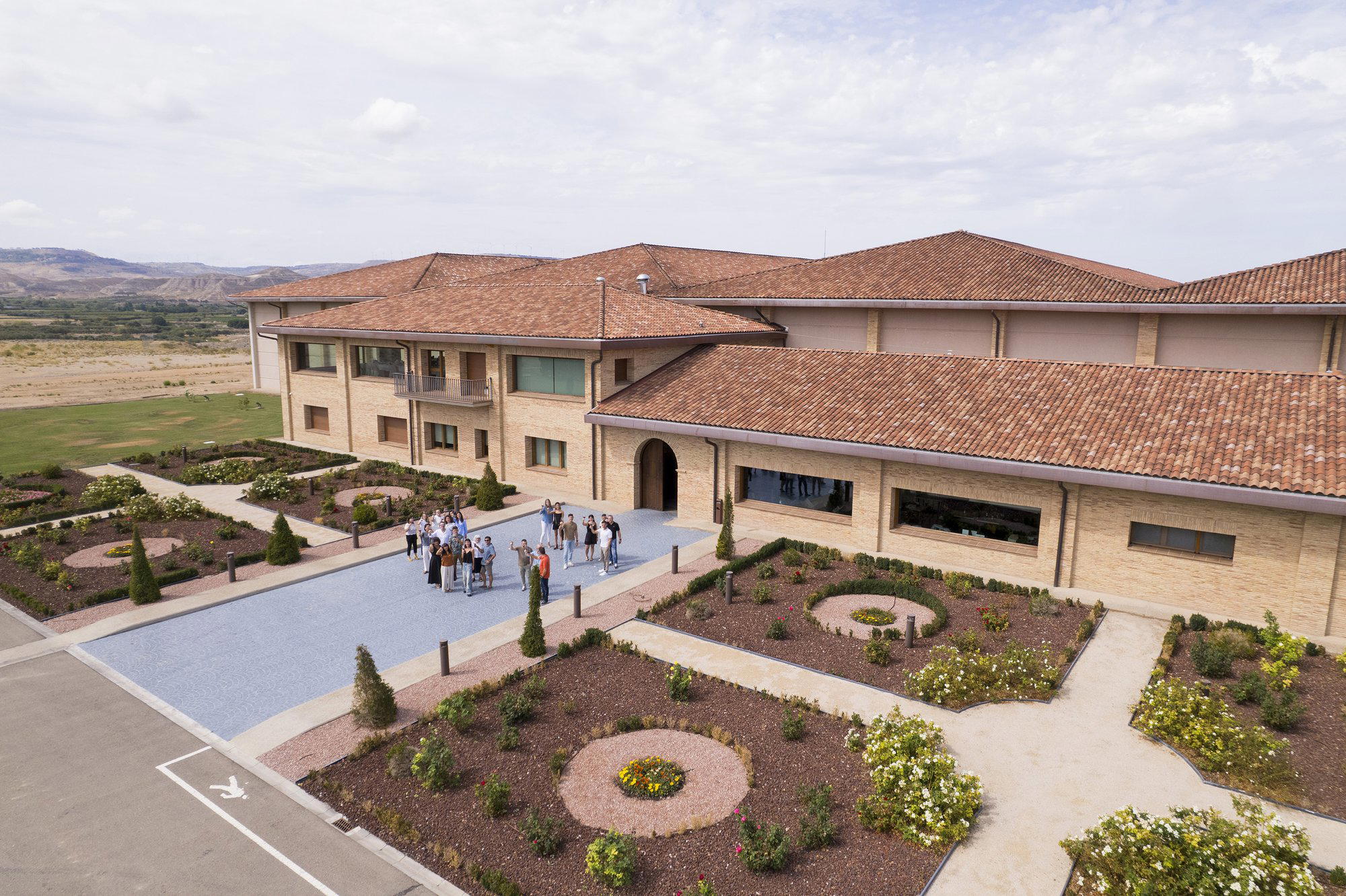
Approaching a working cooperative in Borja changes the rhythm of a winery visit. The appeal here is not built around a boutique cellar narrative; it is the visible sense of a larger winery organized around production, guided explanation, and Garnacha. Bodegas Borsao belongs to a practical wine-travel category where the cooperative model and the tasting glass are part of the same story, and where the visitor is asked to read the place through how it functions as much as through how the wines taste.
Garnacha is the defining point of the experience. Rather than presenting the visit as a small private cellar or a luxury retreat, Bodegas Borsao is best understood as a large cooperative winery focused on expressive Garnacha, with the tour helping visitors connect the wine in the glass to the production setting around it. That connection is the key to the stop: the tasting is not detached from the building, the cellar, or the production areas, but framed by them.
Garnacha at cooperative scale in Borja
The central idea is scale. A small cellar can frame wine through one intimate estate story; a cooperative winery gives visitors a broader view of how production can be organized around Garnacha. At Bodegas Borsao, Garnacha is not just a tasting note but the main lens through which the visit makes sense. The interest lies in seeing how that grape becomes the organizing subject of a larger winery, rather than only the personality of a single bottle.
That makes the winery especially useful for travelers who want more than a quick pour. The experience is structured around guided visits to cellar and production areas, so the focus is on how the winery works as much as on what is tasted afterward. The guided format matters because it gives shape to a setting that could otherwise feel purely functional; it turns production spaces into part of the explanation.
The strongest reading is practical rather than romantic. Bodegas Borsao is not presented here as a boutique address or a restaurant-style stop. It is a production-driven winery visit in Borja, with Garnacha at the center and a format designed to explain the place through its working spaces. For visitors, that means the value is less about escaping into a polished wine fantasy and more about understanding a cooperative as a real wine-producing environment.
The visit is built around production, not theatre
Hospitality format is guided and educational, with cellar and production-area visits followed by tastings and tapas. That structure suits the venue. This is a place to understand the mechanics of a major Garnacha-focused cooperative: how a production setting is organized, why the cellar matters to the visit, and how tasting fits into a broader educational experience. The sequence is important because it keeps the tasting grounded in context, rather than treating it as a standalone finish.
That production-led character also makes Bodegas Borsao useful as a stop in Borja wine travel. It establishes the vocabulary of the visit: Garnacha, cooperative scale, cellar work, production areas, tasting, and tapas. From there, a traveler can build outward through broader Borja planning. The stop works especially well as a reference point, because it helps define what a large, working, Garnacha-centered winery feels like in practice.
For a wider itinerary, the useful contrast is not a ranked list but a map of formats: a large cooperative winery in Borja, other wine experiences, and other dining in Borja. Bodegas Borsao’s role in that map is clear: it offers a structured, educational, production-driven visit centered on Garnacha. Its appeal comes from that clarity. It is not trying to be every kind of wine stop at once, and the experience is stronger when understood on those terms.
Why it matters for Garnacha
Garnacha is the reason to pay attention here. Bodegas Borsao’s role is to make that focus visible at cooperative scale. It is not the most intimate end of wine tourism, and that is precisely why it can be valuable on a Borja itinerary. The visit shows Garnacha not only as something to taste, but as something around which a large cooperative can organize its identity, hospitality, and explanation.
The editorial case is simple: go for literacy in how this winery presents its work. The visit explains how a large cooperative winery can organize a guided experience around production, tasting, tapas, and expressive Garnacha. For travelers trying to understand Borja through wine, that makes Bodegas Borsao a useful, grounded stop: direct in purpose, educational in structure, and focused on the grape that gives the experience its center.
Recognition history
Dated appearances from independent guides and award organizations, with the underlying list record or original source where available.
Falstaff Winery - 2 Stars
Falstaff
Continue exploring
More in Borja
Wineries in Borja
Browse all →
Restaurants in Borja
Browse all →
Hotels in Borja
Browse all →
Details
- Classic
- Well Known
- Energetic
- Group Outing
- Wine Education
- Special Occasion
- Corporate Event
- Romantic Getaway
- Vineyard Tour
- Estate Grounds
- Barrel Room
- Sustainable
- Vineyard
- Garnacha
- Tempranillo
- Still Red
- Still Rosé
- Guided Tasting
- Set Flight
- Tour Plus Tasting
- Spanish
- English
Large cooperative winery focused on expressive Garnacha, offering structured guided tours with cellar and production-area visits plus tastings and tapas; the experience is educational and production-driven rather than boutique, emphasizing the ‘Garnacha empire’ identity of Campo de Borja.