
Bodega Campos de Enanzo is a working cooperative winery in Murchante, founded in 1958 and tied to Navarra D.O. rather than luxury wine tourism. Its interest lies in scale, Garnacha-led rosado tradition, Tempranillo reds, and a rural production setting shaped by around 600 hectares of vineyards.
Pearl is the En Primeur Club membership app — saves, bookings, and concierge access live there. Same editors, same standards.
- Address
- Murchante, Navarra, Comunidad Foral de, Spanien
- Directions
- Get directions
 Saves & bookings on Pearl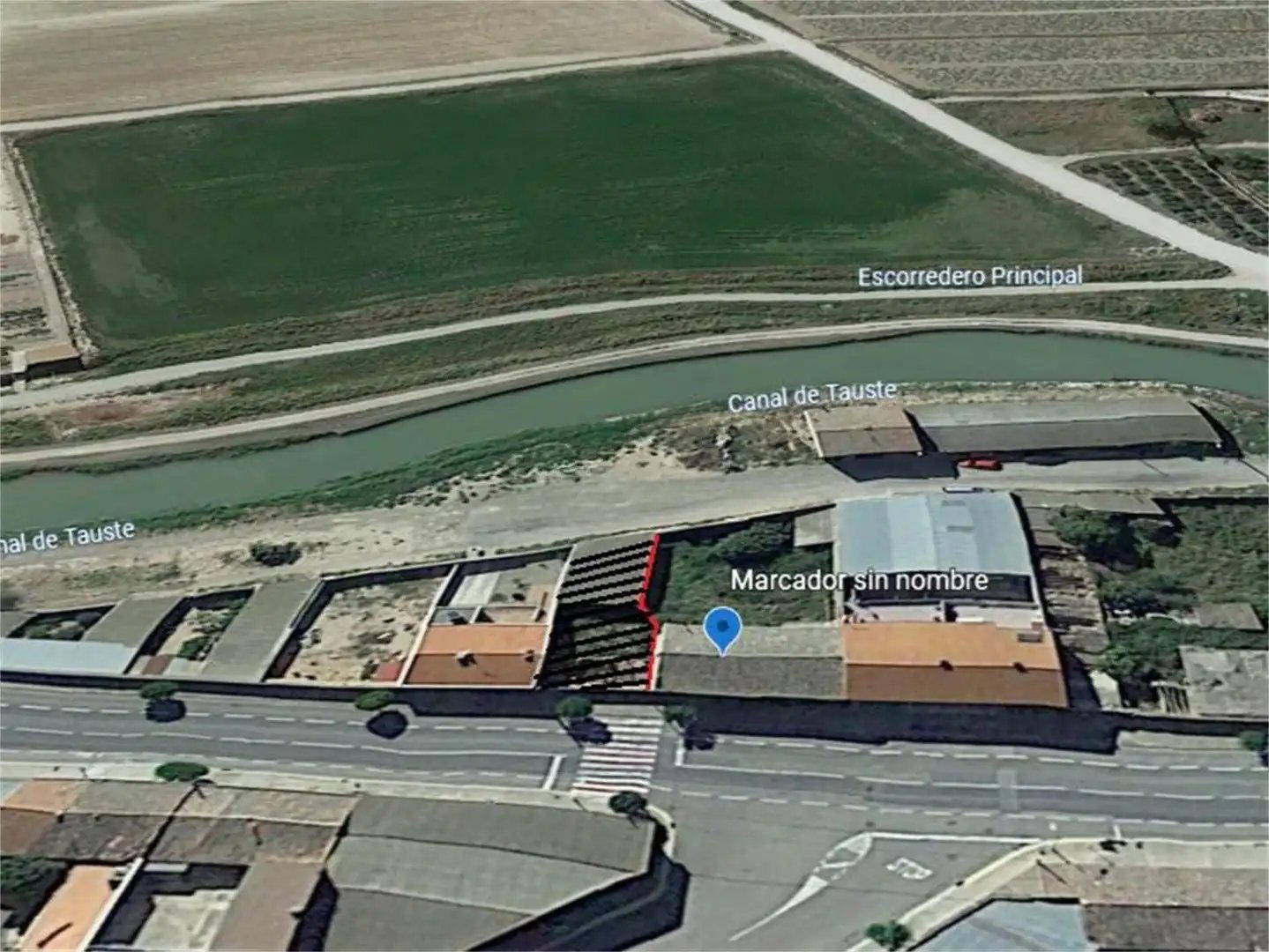
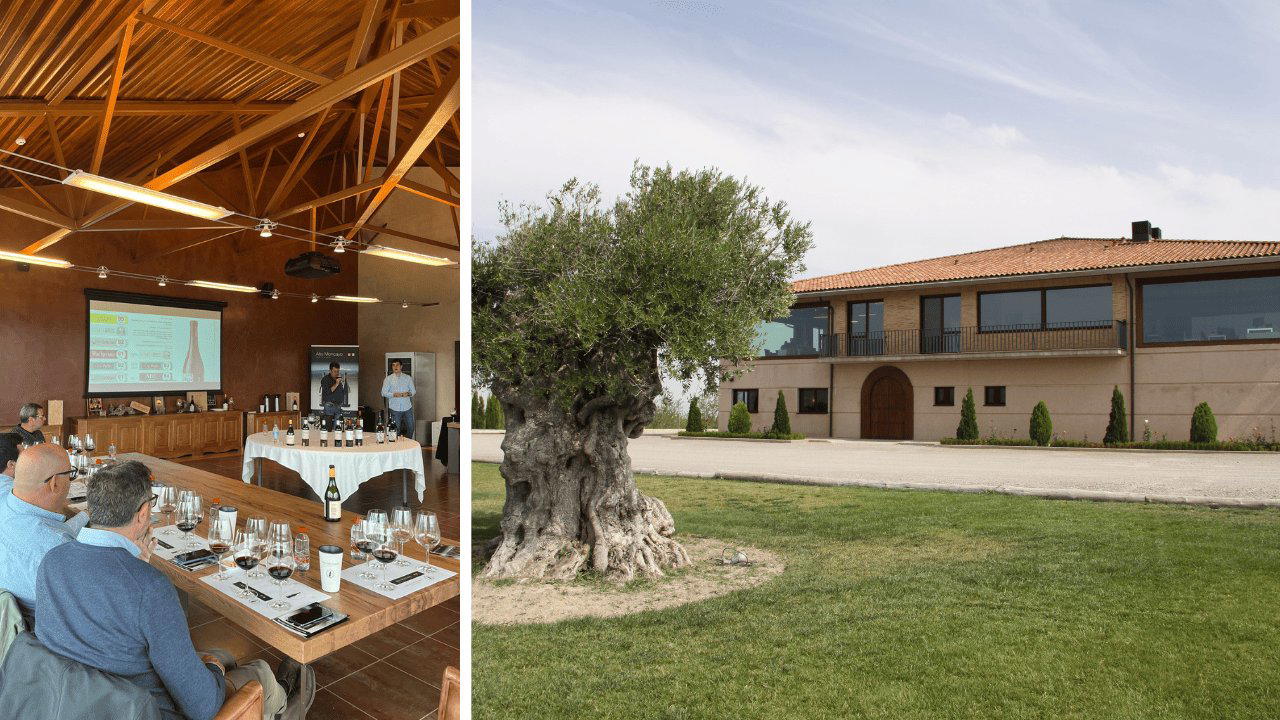
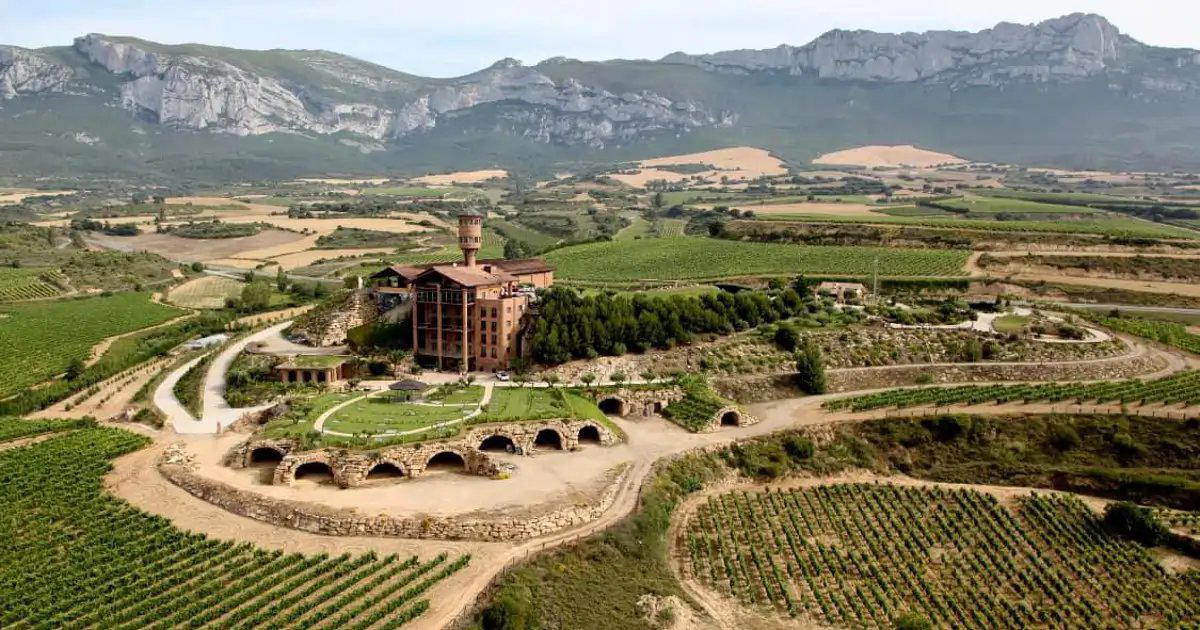
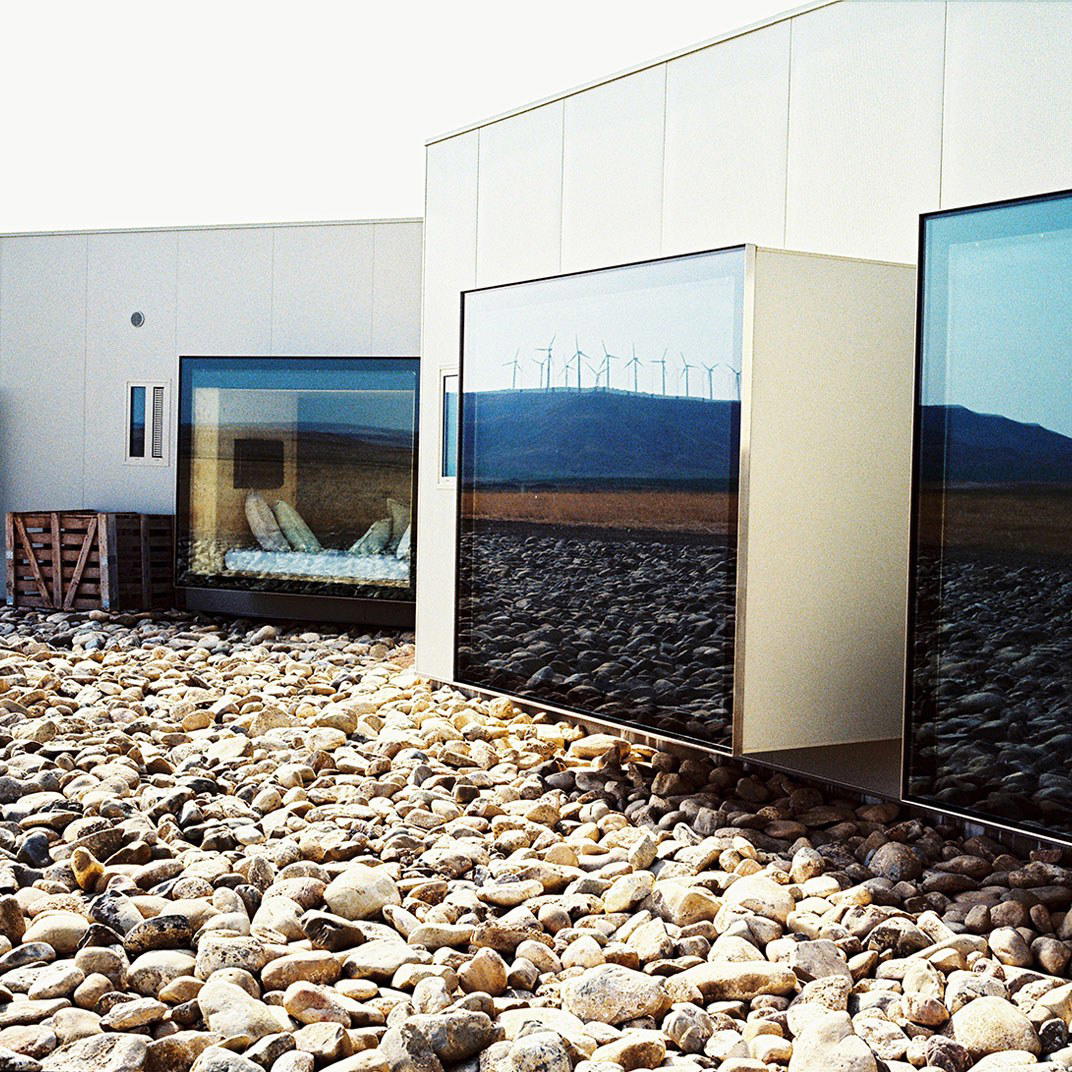
Approaching a working cooperative cellar in Navarra is different from arriving at a design-led estate built around visitor spectacle. The picture of Bodega Campos de Enanzo is direct: a cooperative Navarra winery in Murchante, set among extensive vineyards and shaped by practical production rather than luxury staging. Its atmosphere is rural and functional, in keeping with the region’s working wine cellars, and that plainness is part of how the venue should be read.
That matters in Murchante because the venue is best understood through its role as a production-focused winery. The available detail does not support a detailed account of individual grapes, founding dates, visitor formats, awards, shipping, or named bottle styles. What can be said with confidence is narrower but still useful: Bodega Campos de Enanzo combines vineyard surroundings, production facilities, and modern bottling lines in a modest, working setting. For an EP Club reader, the value is less about a polished itinerary promise and more about identifying the character of the place accurately.
Navarra through cooperative scale, not estate theatre
Bodega Campos de Enanzo is a cooperative winery, so the emphasis is on the practical side of Navarra wine production rather than an estate narrative built around a single personality or a highly polished tasting-room identity. The description points to extensive vineyards around Murchante, functional facilities, and modern bottling infrastructure. In editorial terms, that shifts the focus away from romance and toward cooperation, volume, process, and the collective rural backdrop that often sits behind regional wine.
That production-led character is the main editorial hook. Travellers who want to understand a rural wine town may find this kind of cellar useful because it shows wine as agriculture and logistics as much as as hospitality. The appeal is not dependent on ornate architecture or a long list of curated experiences; it rests on the sightline between surrounding vineyards and the functional systems that move wine through a working cellar.
The Murchante context can be widened through other local dining and travel planning, but no specific peer venue is for comparison here. The safest way to frame the winery is on its own terms: a cooperative Navarra winery in Murchante rather than a ranked alternative to named restaurants, bars, hotels, or estates. That restraint is important, because particularly accurate description is also one useful one.
Vineyards, production facilities and the practical language of Murchante
The land around Murchante gives the page its real subject. The available information confirms extensive vineyards around the town, but it does not confirm exact acreage, grape varieties, wine styles, elevation, vineyard ages, or winemaking methods. Any more detailed claim about specific bottlings or cellar technique would go beyond the available record. The landscape can therefore be understood in broad terms only: vineyards forming the setting for a cooperative winery whose identity is rooted in production.
What remains is still meaningful. The winery represents a practical, cooperative form of Navarra wine production: rural surroundings, production facilities, and modern bottling lines. That combination says more about scale, reliability, and regional agriculture than about boutique scarcity or a chef-led hospitality concept. It also gives the venue a clear editorial position, because its significance lies in what it reveals about a working wine environment rather than in decorative detail.
Readers building a wider wine itinerary should treat this entry as a concise note rather than a complete technical profile. For the winery, the confirmed story is the cooperative identity, the Murchante setting, the extensive vineyards, and the working-cellar atmosphere. Those elements are enough to place it within Navarra’s wine geography without overstating what is known.
How to read the visit: quiet, rural, production-led
This is not a venue to describe through claims about appointments, tours, pairings, menus, awards, or detailed visitor services. Its appeal, on the confirmed facts, is simpler: a cooperative Navarra winery with production infrastructure, modern bottling lines, and a rural atmosphere typical of a working wine cellar. That makes the tone quieter and more matter-of-fact than a hospitality-led destination, but not less relevant for someone interested in how wine places actually function.
The price signal is modest, listed as $. That fits the picture of a practical cooperative rather than a luxury-positioned destination. A traveller planning time in Murchante should understand the winery as part of the town’s wine landscape, while checking current access and service details directly before making plans. The important point is to approach it with expectations aligned to a working cellar, not a fully described leisure venue.
The editorial reason to pay attention is simple: the winery offers a grounded view of Navarra wine in Murchante. It is a cooperative winery with extensive surrounding vineyards, functional facilities, modern bottling lines, and a direct rural character. Within the limits of the available information, that directness is the strongest description of the place.
Recognition history
Dated appearances from independent guides and award organizations, with the underlying list record or original source where available.
Falstaff Winery - 1 Stars
Falstaff
Continue exploring
More in Murchante
Wineries in Murchante
Browse all →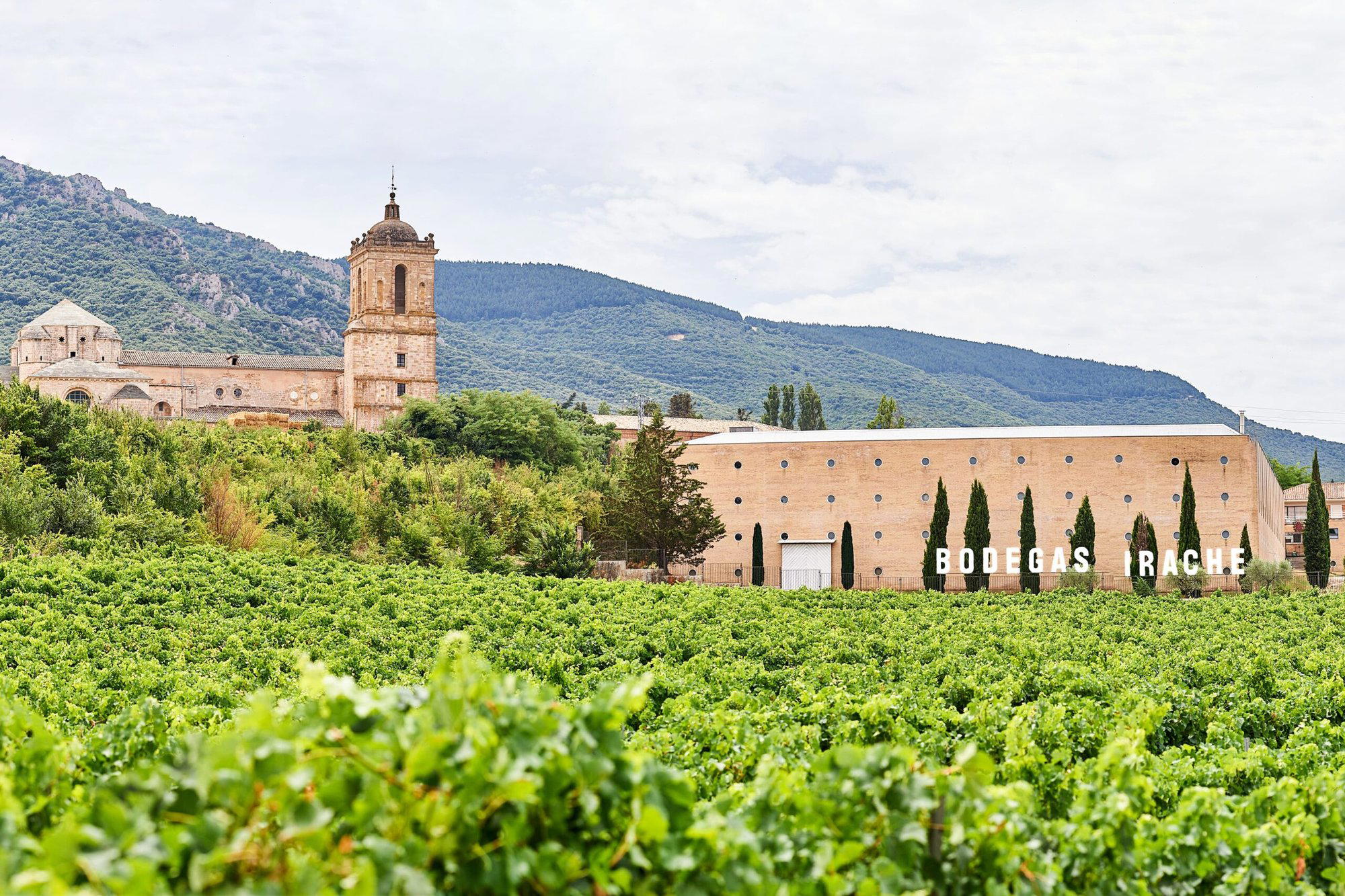

Restaurants in Murchante
Browse all →
Hotels in Murchante
Browse all →
At a Glance
- Rustic
- Classic
- Scenic
- Solo Exploration
- Wine Education
- Estate Grounds
- Sustainable
- Vineyard
- Navarra D.o.
- Still Red
- Still White
- Still Rosé
- Sparkling
A cooperative Navarra winery with extensive vineyards around Murchante, combining functional production facilities and modern bottling lines with a direct, rural atmosphere typical of the region’s working wine cellars.