
Falstaff Winery - 2 Stars
Bodega Dehesa de Luna is a La Roda estate winery shaped by biodiversity as much as by viticulture. Its 3,000-hectare finca places vines within forest, olive trees, almonds, pistachios, cereals, and protected habitat, with a portfolio led by Tempranillo, Cabernet Sauvignon, Syrah, Petit Verdot, and Graciano under VT Castilla.

Pearl is the En Primeur Club membership app — saves, bookings, and concierge access live there. Same editors, same standards.
- Address
- La Roda, Castilla-La Mancha, Spanien
- Directions
- Get directions
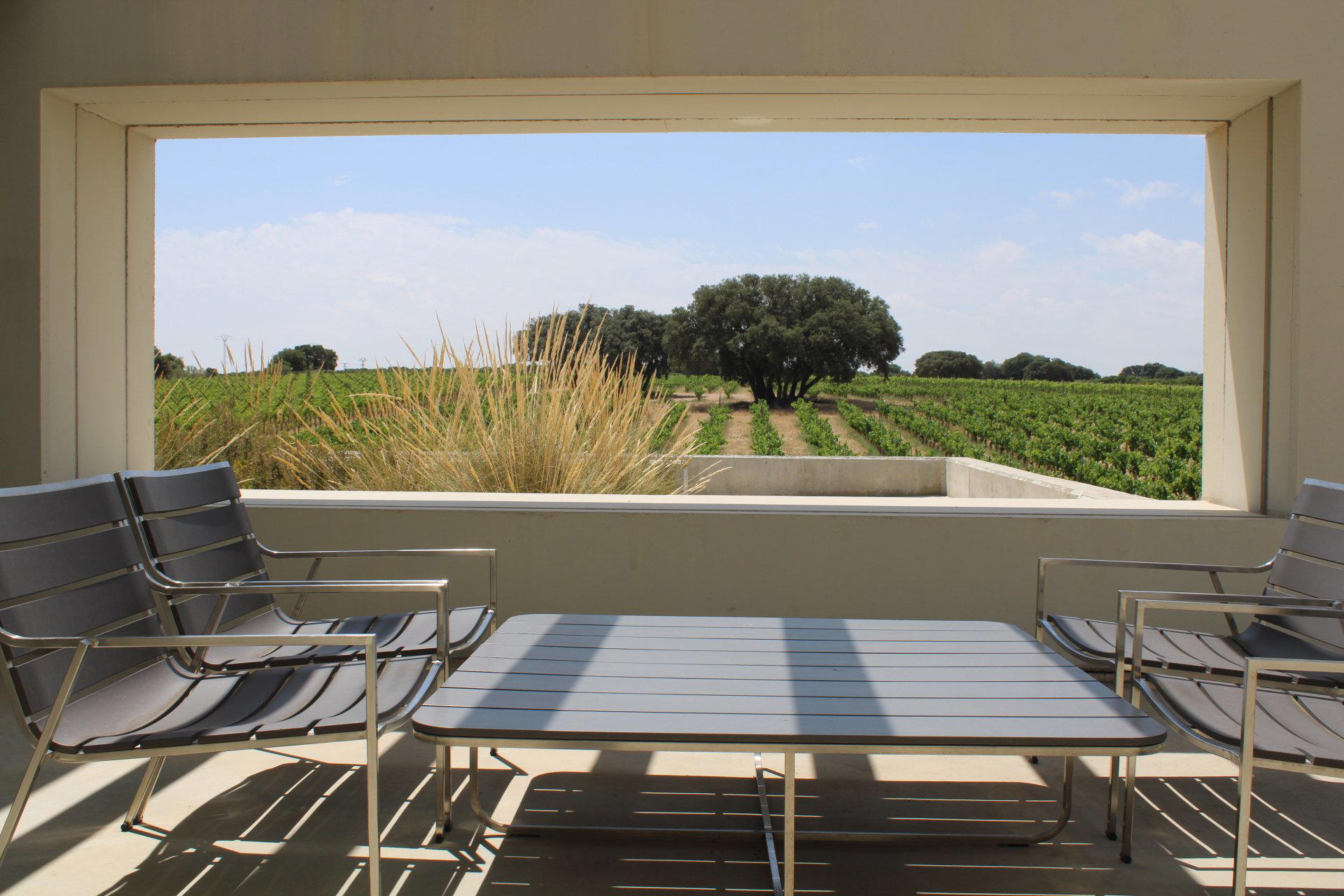
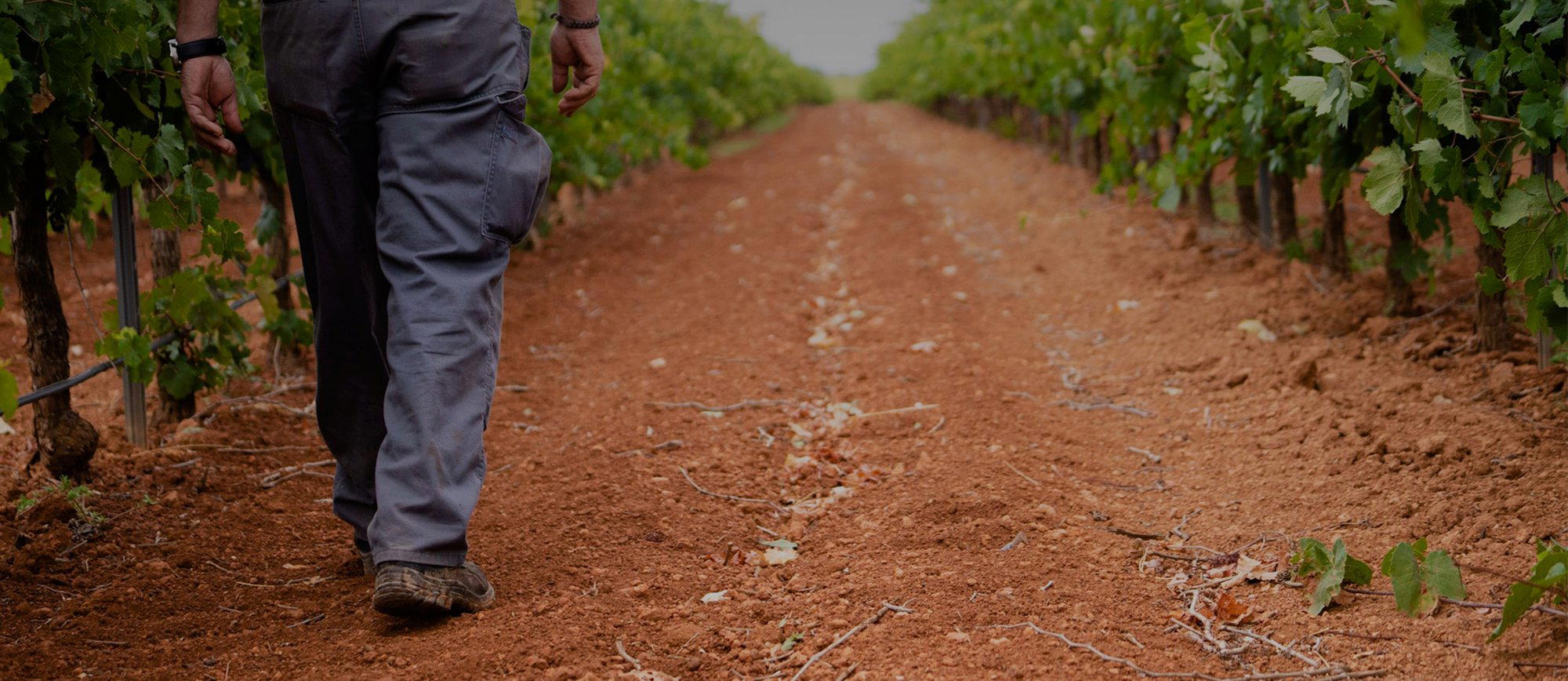
Approaching Bodega Dehesa de Luna means entering a wine estate where the vineyard is not the whole story. In La Roda, the more revealing frame is the finca: forest, olive trees, almonds, pistachios, cereals, and vines held together as a protected natural area rather than arranged as a purely production-led winery site. That matters in Castilla-La Mancha, where heat and scale can flatten wine narratives into volume and sunshine. Here, the argument is different: terroir is treated as a living system, with wine as one expression of a much larger agricultural and ecological design.
The estate covers roughly 3,000 hectares, with only a selective vineyard footprint within that larger property. That ratio gives the wines a useful editorial context. This is not an old-cellar romance built around inherited barrels or a tightly packed appellation village. It is a modern inland Spanish estate using land stewardship, canopy decisions, and varietal choice to answer a practical question: how does a warm, continental Mediterranean site keep freshness, structure, and identity in the glass?
A Castilla-La Mancha finca where biodiversity shapes the wine brief
La Roda sits in a part of Spain where climate pressure is not abstract. Warm conditions, sun exposure, and water management define the technical conversation, and Dehesa de Luna’s vineyard program reads as a direct response. Trellising systems were selected for a hot environment, while shade viticulture, vegetation covers, and the recycling of pruning material into soil care all point to an estate trying to moderate ripening rather than simply chase concentration.
The vineyard mix also tells the story. Tempranillo, Cabernet Sauvignon, Syrah, Petit Verdot, and Graciano give the cellar both familiar structure and adaptive flexibility. The broader work with Garnacha Blanca, Monastrell, Bobal, and Cariñena signals a move toward varieties able to handle heat while preserving line and acidity. In a region often associated internationally with scale, that varietal strategy is a sharper lens than romance: it shows a producer testing which grapes can carry site character under contemporary climate conditions.
The estate’s public identity leans heavily into birdlife, with labels tied to species found on the property. That could have become decorative branding. Its stronger reading is territorial: the wines are presented as products of a farmed landscape where habitat, trees, crops, and vines are interdependent. For readers mapping La Roda beyond a single stop, Our full La Roda wineries guide gives the city-level wine context, while Our full La Roda restaurants guide, Our full La Roda hotels guide, Our full La Roda bars guide, and Our full La Roda experiences guide place the winery inside a broader travel day.
Estate reds, selective bottlings, and a hospitality format built around the land
Portfolio is compact enough to make sense of the estate’s direction. Orígenes, the early reference point, brings together Cabernet Sauvignon, Syrah, and Tempranillo with six months of barrel aging. Gran Luna moves into a more selective register, adding Graciano and Petit Verdot and appearing only in outstanding vintages. Single-varietal bottlings, including Graciano, Tempranillo, Alicante Bouschet, White Garnacha, and the Cabernet Sauvignon Purgapecados, widen the picture from blend-making toward grape-by-grape site interpretation.
There is enough technical detail to separate the project from broad sustainability language. José Luis Asenjo is named as winemaker, and the wines sit under VT Castilla and Vino de España designations. Fermentation and maceration for estate wines run between 13 and 21 days depending on variety, and grapes have been described as arriving in 12-kilogram boxes before a 24-hour refrigerated period. Those are not ornamental facts; they point to a cellar concerned with preserving fruit condition and managing extraction in a warm inland setting.
Recognition is measured rather than trophy-heavy. Falstaff has rated Orígenes/Origines at 90 points, a useful external signal for a wine whose reputation otherwise rests on estate concept, export presence, and the coherence of its biodiversity-led positioning. Around 40 percent of production has been exported, with Switzerland, Germany, Belgium, and the United States among named markets, which gives the project a reach beyond local wine tourism.
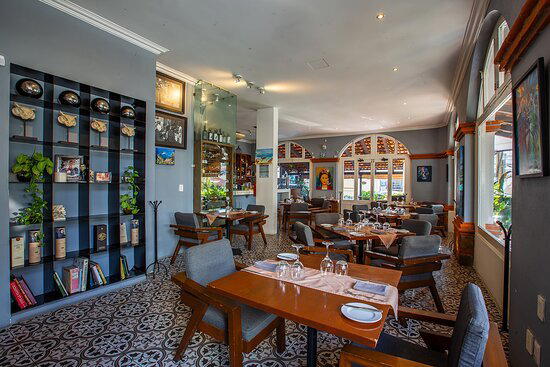
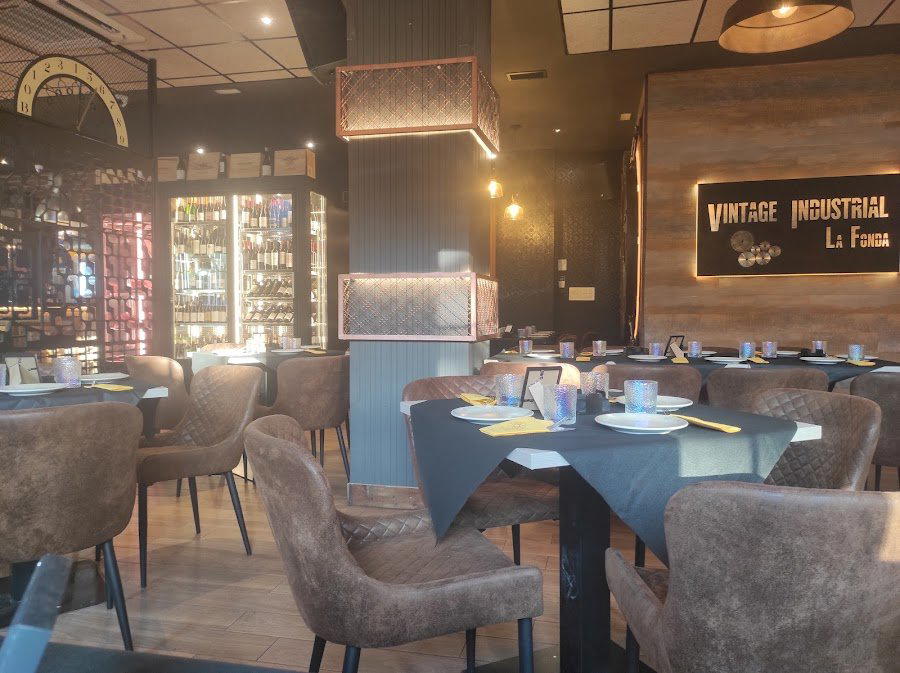
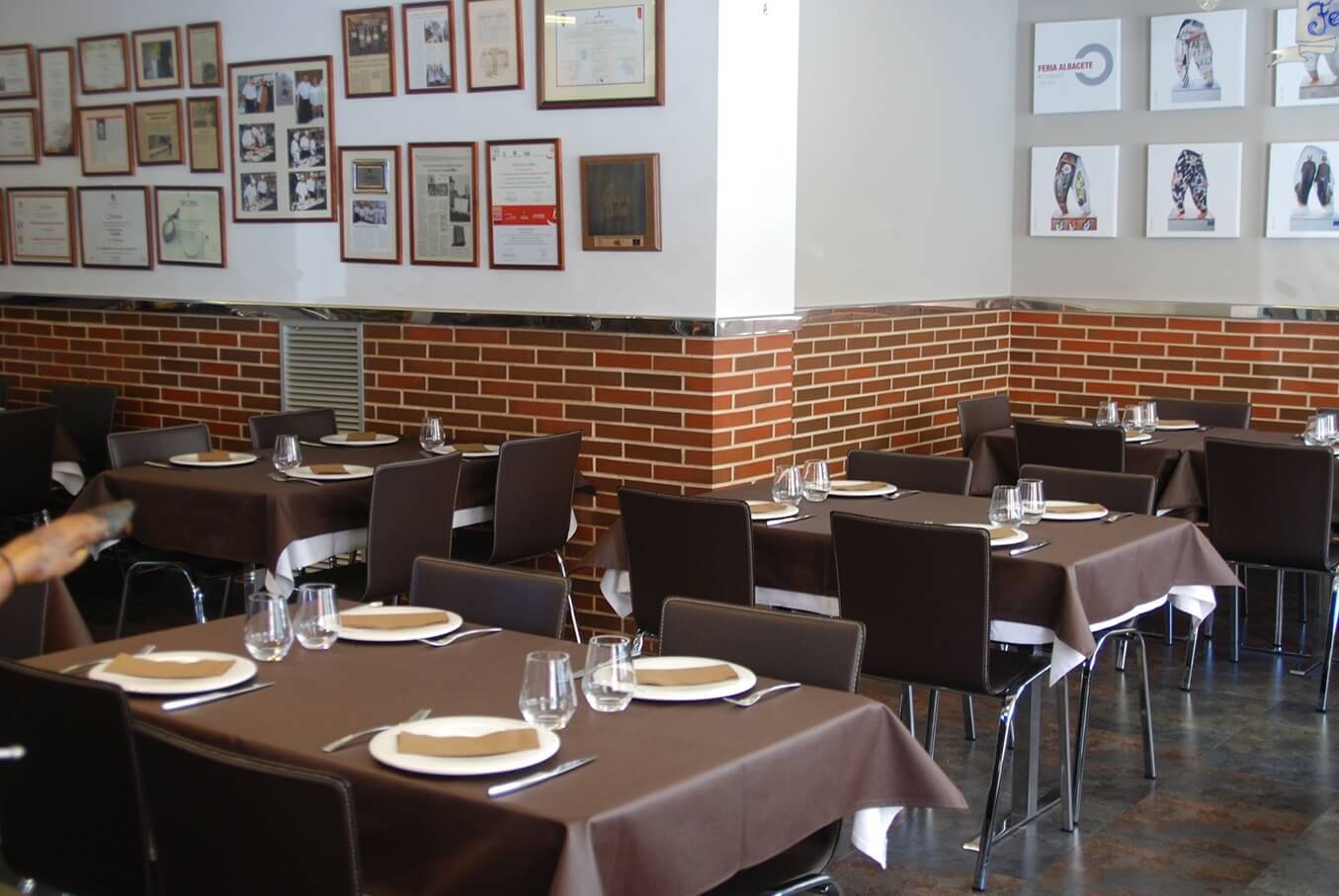
The visit format follows the estate logic. Guided tastings and vineyard walks place the cellar within the finca rather than treating the tasting room as a stand-alone counter. The useful distinction for travelers is expectation: this is a quiet, rustic, landscape-led stop suited to wine education, solo exploration, or a group outing, not a city tasting bar built for quick turnover. The dress code is casual, and visits are by reservation, so the experience rewards planning rather than improvisation.
How to place it in a Spain wine itinerary
For a La Roda wine day, Dehesa de Luna is the nature-led counterpoint to more conventional producer visits. Nearby planning can include Bodegas Sierra Norte, while a wider Spanish winery itinerary can stretch through 3 Ases Bodegas y Viñedos in Quintanilla De Arriba, 4Kilos Vinícola in Felanitx, Aalto Bodegas y Vinedos in Quintanilla De Onesimo Valladolid, Abadia de Aribayos in Moraleja Del Vino, Abadía Retuerta in Sardón de Duero, Abel Mendoza Monge in San Vicente de la Sonsierra, and Acústic Celler in Els Guiamets. For a broader European contrast, »der Steiner« Hans Steiner in Podersdorf am See and & Handwein in Mannheim show how estate scale, farming philosophy, and regional climate can produce different visitor experiences.
The editorial case for Bodega Dehesa de Luna is strongest when judged through land rather than spectacle. Its appeal lies in the way a large protected finca, organic-minded farming, adaptive viticulture, and a restrained portfolio bring Castilla-La Mancha’s heat into focus without reducing the place to climate alone.
Recognition history
Dated appearances from independent guides and award organizations, with the underlying list record or original source where available.
Falstaff Winery - 2 Stars
Falstaff
Continue exploring
More in La Roda
Wineries in La Roda
Browse all →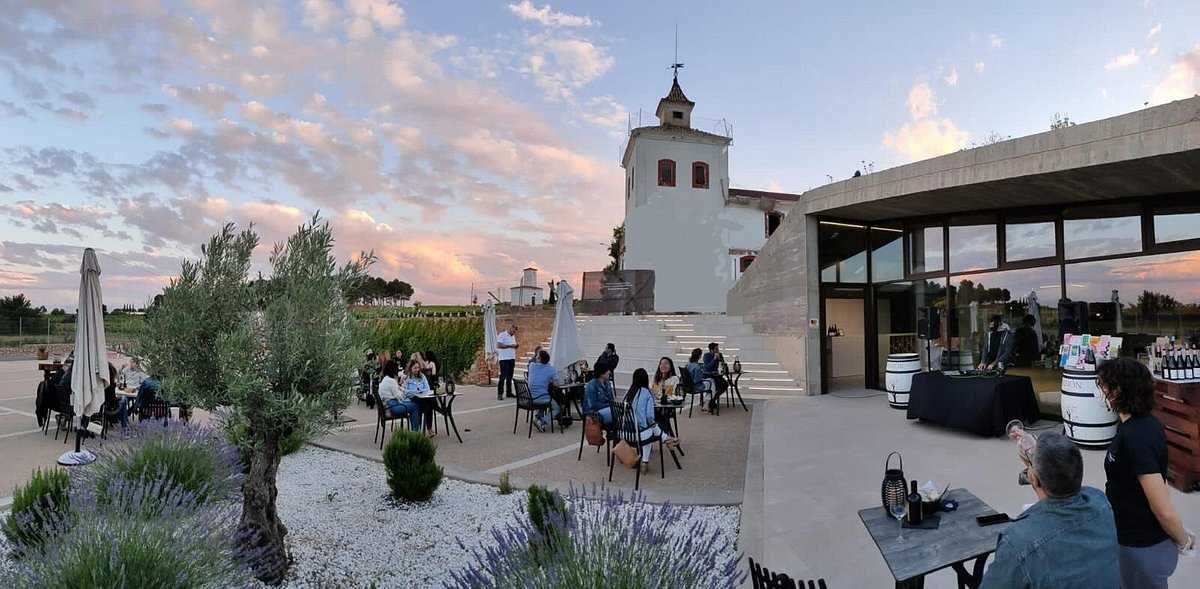

Details
- Scenic
- Quiet
- Rustic
- Wine Education
- Solo Exploration
- Group Outing
- Estate Grounds
- Design Destination
- Organic
- Sustainable
- Vineyard
- Garden
- Tempranillo
- Cabernet Sauvignon
- Syrah
- Petit Verdot
- Graciano
- Still Red
- Still Rosé
- Still White
- Estate Tasting
- Guided Tasting
A large, nature-focused estate setting with a strong conservation ethos, where the winery is integrated into a protected biodiversity landscape rather than a purely industrial site.