
Falstaff Winery - 1 Stars
La Magdalena Sociedad Cooperativa de Castilla is a rural cooperative winery in the Ribera del Júcar DOP, founded in 1958 and built around scale rather than polished tasting-room theatre. Its interest lies in the cooperative model: around 290 growers, 1,600 acres of vineyards, and production capacity of about 8 million liters in south-east Cuenca province.

Pearl is the En Primeur Club membership app — saves, bookings, and concierge access live there. Same editors, same standards.
- Address
- Seca, La, Madrid, Madrid, Comunidad de, Spanien
- Directions
- Get directions

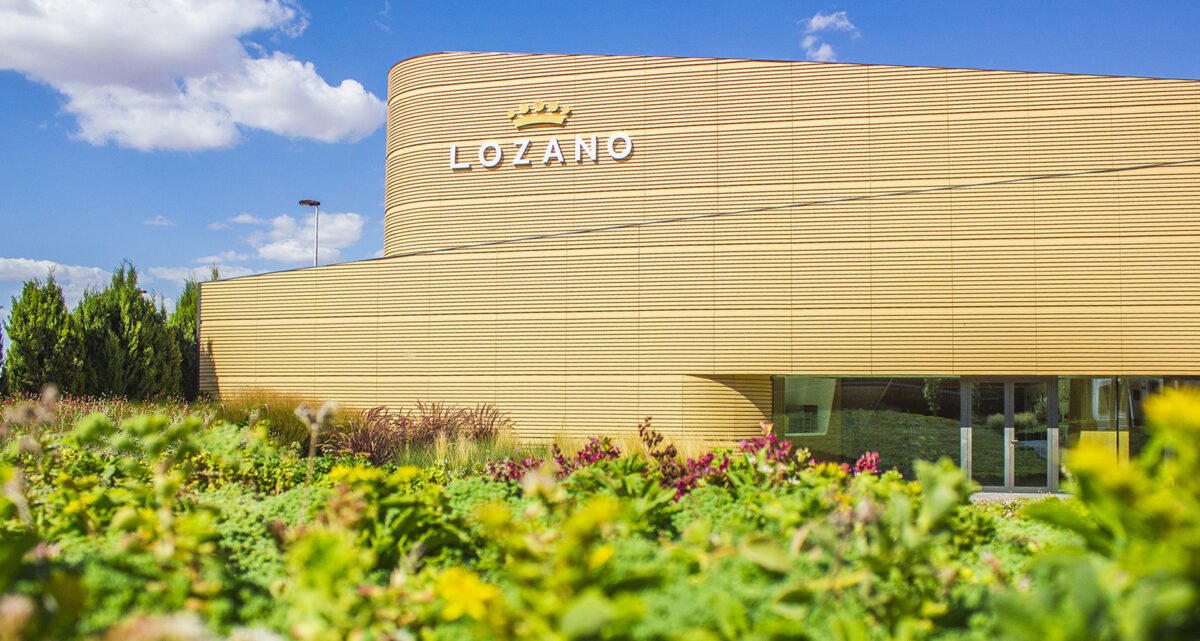
Approaching La Magdalena Sociedad Cooperativa de Castilla means reading wine country through infrastructure rather than spectacle: vineyard surroundings, a working cooperative-winery feel, and the practical rhythm of a place focused on production rather than elaborate visitor facilities. In the Ribera del Júcar area, this is not presented as a polished luxury stop. It is better understood as a rural, classic winery setting with a direct agricultural character.
Ribera del Júcar seen through a cooperative lens
Spanish wine travel often privileges the private estate, the architect-designed bodega, or the tasting room staged for visitors. A cooperative winery tells a different story. It points toward shared production, regional farming, and the practical systems that support winegrowing beyond prestige labels. La Magdalena Sociedad Cooperativa de Castilla sits in that tradition as a production-focused cooperative in the Ribera del Júcar area.
The appeal is not built around visitor luxuries or a detailed public hospitality program. The useful way to read the place is through its format: a cooperative winery with a rural feel, surrounded by vineyards, where the emphasis is on production rather than performance. For travelers who usually encounter Spain through polished bottle lists or boutique cellar narratives, that cooperative identity offers a more grounded view of how wine regions function day to day.
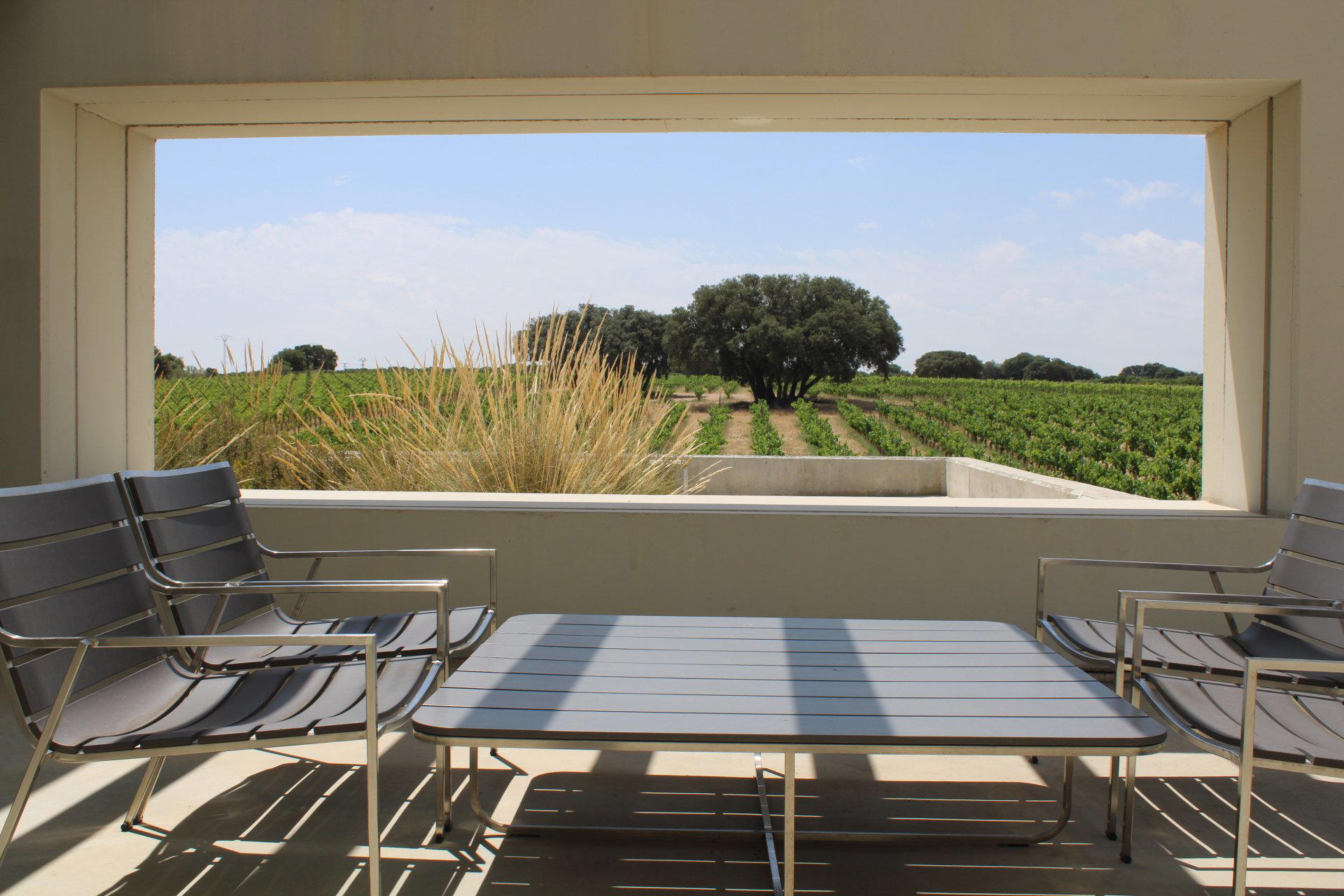
The setting reinforces that reading. La Magdalena Sociedad Cooperativa de Castilla is associated with a vineyard landscape in Seca. The landscape matters because it frames the venue as part of a working agricultural environment rather than as a destination designed mainly around spectacle. Its value lies in that practical context.
Production scale, not tasting-room theatre
Contemporary premium-winery circuits often sell access: private tastings, designed spaces, food pairings, and limited allocations. La Magdalena Sociedad Cooperativa de Castilla operates in a plainer register: rustic, scenic, classic, and focused on winery production rather than elaborate visitor facilities.
That difference matters. A stop here is better understood as wine education in the agricultural sense, not as a luxury leisure format dressed in vineyard scenery. The cooperative identity gives the venue its editorial weight: it represents a practical rural model in which production comes before theatrical hospitality.
There is also a social dimension to the cooperative format, even when the exact operational details are not stated. A cooperative winery is not just a tasting-room concept; it is a structure connected to local agriculture and shared production. The visitor expecting rare-cuvée theatre may misread the place. The more rewarding approach is to treat it as evidence of a regional system: vineyards, production infrastructure, and a rural setting that keeps the focus on winegrowing work.
How to place it within a Seca wine itinerary
For a broader read on the area’s wine culture, pair this kind of cooperative stop with general research into other wineries and dining in Seca. La Magdalena Sociedad Cooperativa de Castilla is especially useful for understanding a practical, production-first side of the Ribera del Júcar area, rather than a hospitality-led or highly staged version of wine tourism.
Travelers building a wider winery map can use La Magdalena Sociedad Cooperativa de Castilla as a reference point for one particular model: a rural cooperative winery with a classic feel and a production-centered setting. The point is not to rank it against other places, but to understand how ownership structure, rural context, and visitor expectations can change what a winery stop teaches.
La Magdalena Sociedad Cooperativa de Castilla is strongest as a study in rural wine infrastructure. Its value for the serious traveler lies in the cooperative setting: vineyard surroundings, a working agricultural atmosphere, and a format that keeps the focus on production rather than performance.
Recognition history
Dated appearances from independent guides and award organizations, with the underlying list record or original source where available.
Falstaff Winery - 1 Stars
Falstaff
Continue exploring
More in Seca
Wineries in Seca
Browse all →
Details
- Rustic
- Scenic
- Classic
- Group Outing
- Wine Education
- Solo Exploration
- Estate Grounds
- Vineyard Tour
- Vineyard
- Still Red
- Still White
- Still Rosé
Cooperative winery in the Ribera del Júcar area with a practical, rural feel, focused on production rather than elaborate visitor facilities, surrounded by vineyards on the outskirts of Casas de Haro.