Blank Canvas Wines

Falstaff Winery - Listed
Blank Canvas Wines belongs to Marlborough’s newer, more exacting school: small-batch, single-vineyard wines shaped around subregional identity rather than cellar-door theatre. Based in Blenheim, the label works across Sauvignon Blanc, Chardonnay, Pinot Noir, Riesling and Grüner Veltliner, with Matt Thomson and Sophie Parker-Thomson MW bringing technical authority to a polished, terroir-led portfolio.

Pearl is the En Primeur Club membership app — saves, bookings, and concierge access live there. Same editors, same standards.
- Address
- Blenheim, Marlborough, Neuseeland
- Directions
- Get directions
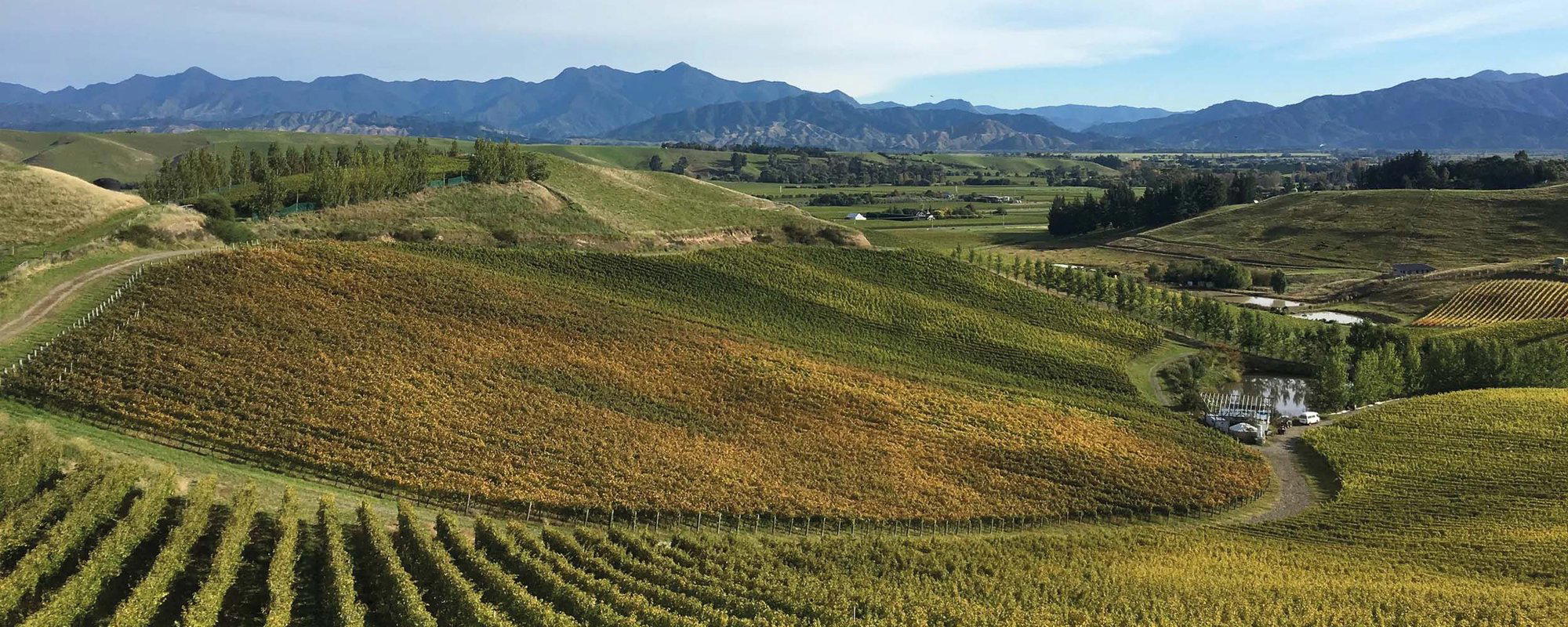
Approach Blank Canvas Wines as a study in restraint rather than a conventional tasting stop. The positioning is deliberately more conceptual than visitor-led: a fine wine studio in Blenheim where science meets art, with attention directed toward precise, small-batch, single-vineyard wines and the intellectual storytelling of terroir. That distinction matters because it sets expectations. This is not a page that can honestly promise a standard cellar-door routine, a set tasting format, a lunch service, a menu, or a scenic hospitality circuit. The reliable frame is narrower and more useful: Blank Canvas Wines is best understood as a focused wine project built around place, precision and interpretation.
Because the confirmed information is limited, the strongest reading of the venue is also the cleanest. Blank Canvas Wines should not be over-described with unsupported details about grape varieties, ownership, appointment rules, shipping, club access, visitor capacity, awards, scores or a named drinks programme. What can be said is that its public identity is premium and idea-led. It speaks to drinkers who are interested in how a wine can communicate a specific site, and who respond to a more analytical, less theatrical style of wine presentation.
Single-vineyard wines, treated as a site argument
The core of Blank Canvas Wines is its focus on precise, small-batch, single-vineyard wines. That gives the venue its editorial logic. Rather than presenting wine as a broad regional category or a casual souvenir, the emphasis is on individual vineyard identity and the way a bottle can carry a more specific sense of place. The phrase “single-vineyard” is important here because it suggests a tighter lens: not wine as a general style, but wine as an argument about a particular site.
The language around Blank Canvas Wines also points to terroir-driven storytelling. In practical terms, that means the interest lies in origin, detail and interpretation. Instead, the useful takeaway is that Blank Canvas Wines is positioned for people who want a more thoughtful wine encounter: one shaped by precision, small-batch focus and the relationship between science and art.
That science-meets-art positioning is central. It allows the venue to be described without inventing hospitality features that are not confirmed. The scientific side suggests discipline, observation and technical care; the artistic side suggests expression, narrative and a desire to make site character legible. Together, they explain why the brand reads less like a conventional visitor attraction and more like a fine-wine studio with an intellectual centre.
A fine-wine studio rather than a cellar-door circuit stop
Blank Canvas Wines is explicitly positioned as a fine wine studio rather than a traditional visitor-focused cellar door experience. That does not prove the absence or presence of any specific visiting arrangement, opening schedule or booking rule, and those details should be checked directly before making plans. What it does confirm is the tone: more considered than casual, more focused on bottles and ideas than on a generic tasting-stop format.
For travellers in Blenheim, that makes Blank Canvas Wines a different kind of reference point. It is not useful to pad the description with claims about rooms, views, seating, food, staff style or the mechanics of a visit. The more accurate guidance is to approach it as a premium, concept-led wine name whose appeal is tied to small-batch, single-vineyard expression. If you are building a broader Blenheim itinerary, compare it with other dining and wine options in the city only in general terms, because no specific peer venue is needed to explain its role.
The practical implication is simple: plan with care and verify details directly. The confirmed guide information supports a premium price tier, listed as $$$, and a conceptual identity centred on precise wine work. It does not confirm lunch, dinner, takeout, delivery, allergy accommodation, opening hours, tasting fees, bottle prices, membership terms or shipping. A reliable description should stop before those details and keep the emphasis on what is actually known.
New Zealand precision, with a Blenheim base
The strongest way to read Blank Canvas Wines is as a Blenheim-based expression of precision wine culture. Its identity is not built around spectacle or a long list of amenities. It is built around small-batch, single-vineyard wines and the idea that terroir can be discussed with both technical seriousness and creative language. That gives it a clear place in a premium venue guide even when practical details are sparse.
$$$ price classification reinforces that premium positioning, but it should not be stretched into claims about luxury service, rare allocations, tasting-menu pairings or collector-only access. The appeal is better described as intellectual and terroir-driven: a wine studio for people who care about precision, origin and the interpretive space between science and art.
Critical takeaway is that Blank Canvas Wines should be presented with restraint. It is in Blenheim, it sits in a premium price tier, and it is conceptually framed as a fine wine studio focused on precise, small-batch, single-vineyard wines. For readers who value site expression and thoughtful wine storytelling, that is enough to establish why it belongs on the radar without adding unsupported details.
Recognition history
Dated appearances from independent guides and award organizations, with the underlying list record or original source where available.
Falstaff Winery - Listed
Falstaff
Continue exploring
More in Blenheim
Wineries in Blenheim
Browse all →
Bars in Blenheim
Browse all →
Restaurants in Blenheim
Browse all →
Details
- Modern
- Sophisticated
- Minimalist
- Wine Education
- Solo Exploration
- Special Occasion
- Sustainable
- Sauvignon Blanc
- Chardonnay
- Pinot Noir
- Riesling
- Grüner Veltliner
- Still White
- Still Red
Conceptually positioned as a fine wine studio where science meets art, focusing on precise, small-batch, single-vineyard wines and intellectual, terroir-driven storytelling rather than a traditional visitor-focused cellar door experience.