Georges Michel

Falstaff Winery - Listed
Georges Michel is a small family-owned Marlborough estate in Blenheim’s Rapaura Golden Mile, grounded in Sauvignon Blanc, Pinot Noir, Chardonnay, Nebbiolo, sparkling and dessert styles. Its strongest case is terroir expression rather than spectacle: a boutique vineyard setting, sustainable growing practices, and a medal history led by Golden Mile Sauvignon Blanc.

Pearl is the En Primeur Club membership app — saves, bookings, and concierge access live there. Same editors, same standards.
- Address
- Blenheim, Marlborough, Neuseeland
- Directions
- Get directions

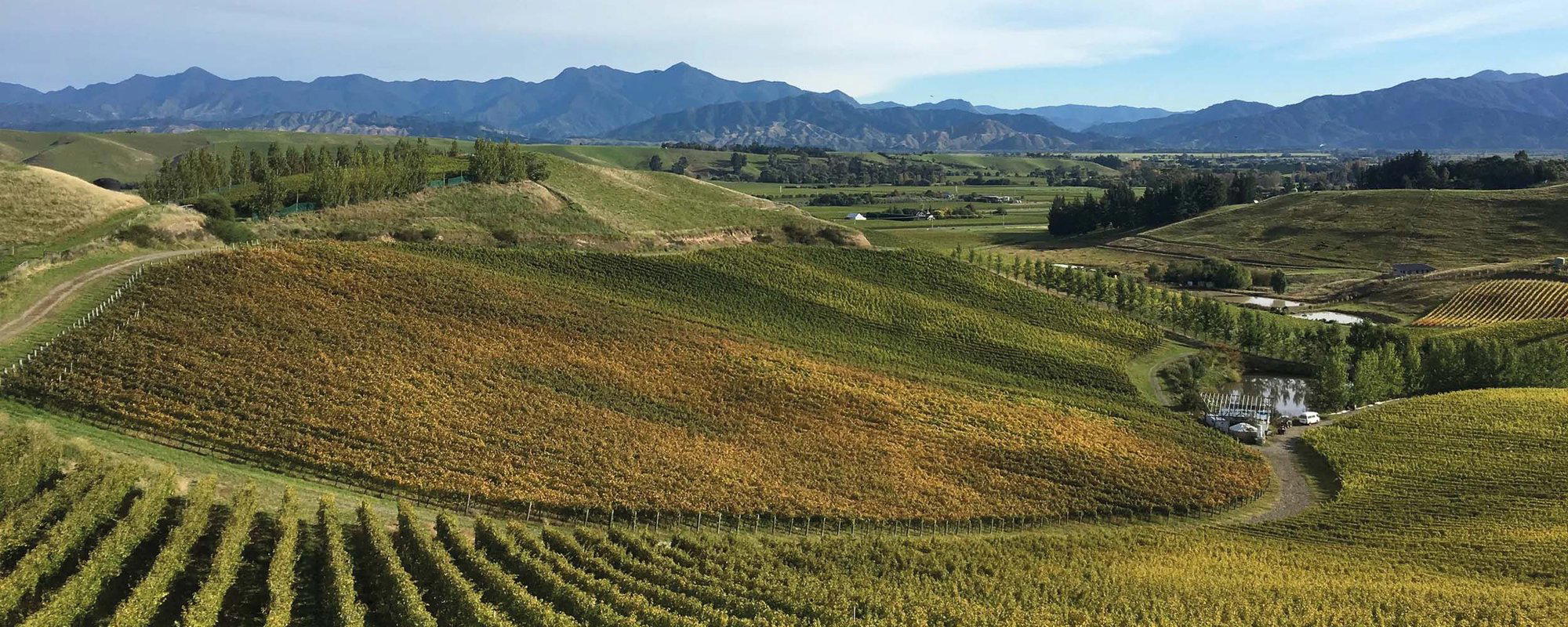
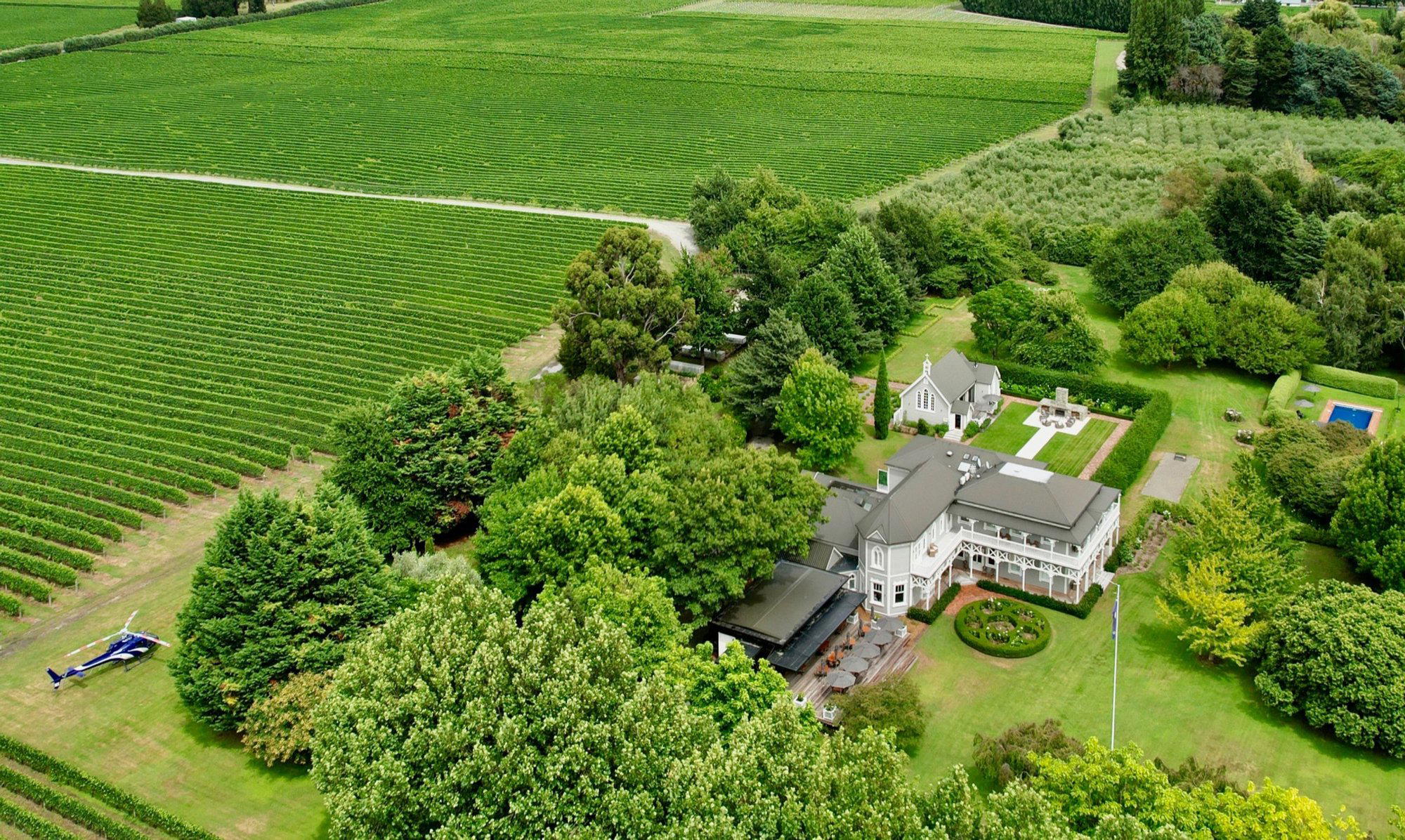
Approaching a small Marlborough estate in the Rapaura Golden Mile is a different proposition from arriving at a high-design cellar door built for tour-bus throughput. The appeal is quieter: vineyard rows, rural scale, and the sense that the tasting room is attached to a working wine property rather than a lifestyle complex. In Blenheim, where Sauvignon Blanc has become a global shorthand, Georges Michel is better read through site, family control, and a long record of competition results than through architectural theatre.
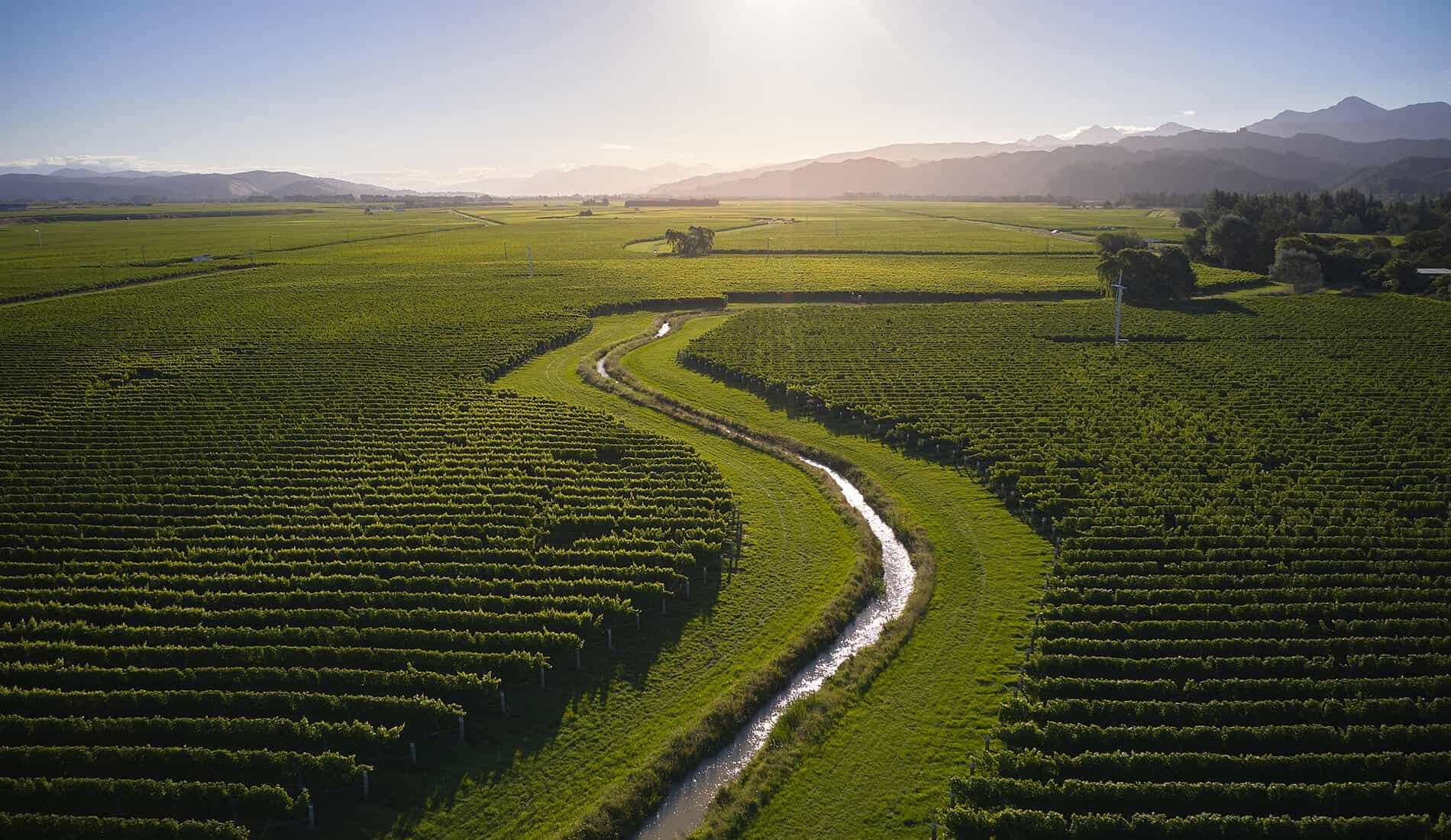
Marlborough’s international reputation rests heavily on aromatic white wine, but the region is not monolithic. Rapaura’s Golden Mile gives producers a more precise place identity inside the broader appellation, and that matters for drinkers who want more than a generic regional label. Georges Michel works from that narrower frame: a boutique, 100% family-owned estate with a traditional cellar-door feel, quiet atmosphere, and vineyard-facing setting. The estate opened in 1997, with Sauvignon Blanc arriving as its first commercial wine in 1998, placing it inside the modern expansion period of Marlborough’s global wine identity rather than the region’s earliest pioneering phase.
Rapaura fruit, not cellar-door spectacle, drives the argument
The central story here is terroir expression. The Golden Mile is used as a marker of fruit intensity and local distinction, and the estate’s varietal mix follows Marlborough logic while widening the frame beyond a single white wine. Sauvignon Blanc remains the anchor, but Chardonnay, Pinot Noir, Nebbiolo, rosé, Methode Traditionelle, and dessert wine create a broader reading of what this pocket of Blenheim can support. That range is useful for travelers who want to understand Marlborough as a wine region rather than simply taste another glass of Sauvignon Blanc before moving on.
The wine program’s credibility comes from repetition across time. The Sauvignon Blanc received a Double Gold Medal at the 1999 San Francisco International Wine Competition, then built a longer run with Gold Medals at the International Wine Challenge in France in 2012, 2014, 2016, 2018, and 2021, and at the Berlin Wine Trophy in 2020, 2021, and 2022. A 95-point, 5-star Wine Orbit rating from Sam Kim adds a critic signal to the competition record. Pinot Noir has also received attention, including a Silver Medal at the 2010 San Francisco International Wine Competition, a Gold Medal at the 2007 Winewise Small Vigneron Awards Australia, and a 90-point James Halliday score in 2008.
Those awards do not turn the estate into a luxury performance space, and that is the point. In a region where cellar doors can split between polished tourism infrastructure and smaller producer-led tastings, Georges Michel belongs to the latter camp. The production scale is boutique, the ownership remains independent, and the stated farming approach is sustainable. For wine travelers, that combination usually shifts the conversation from brand reach to continuity: who controls the land, how narrowly the estate defines its place, and whether the wines have held attention beyond a single vintage.
A family estate format with a broader Blenheim context
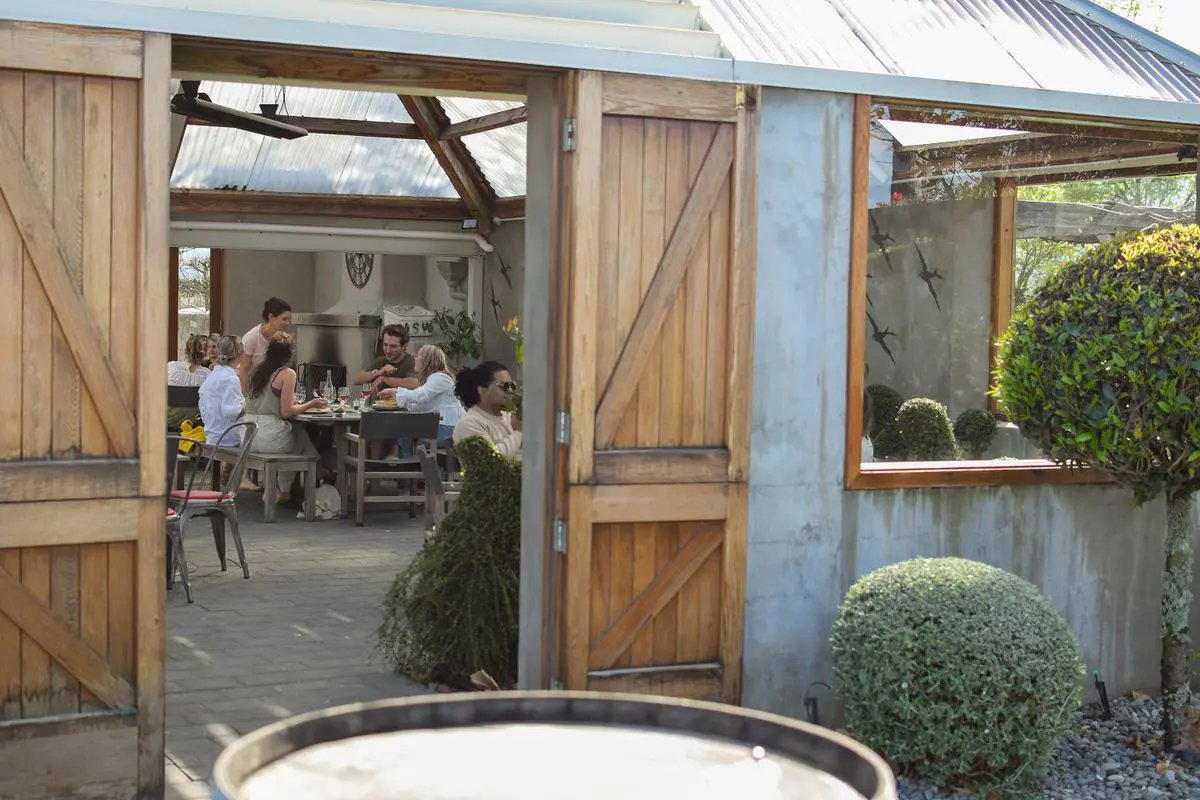
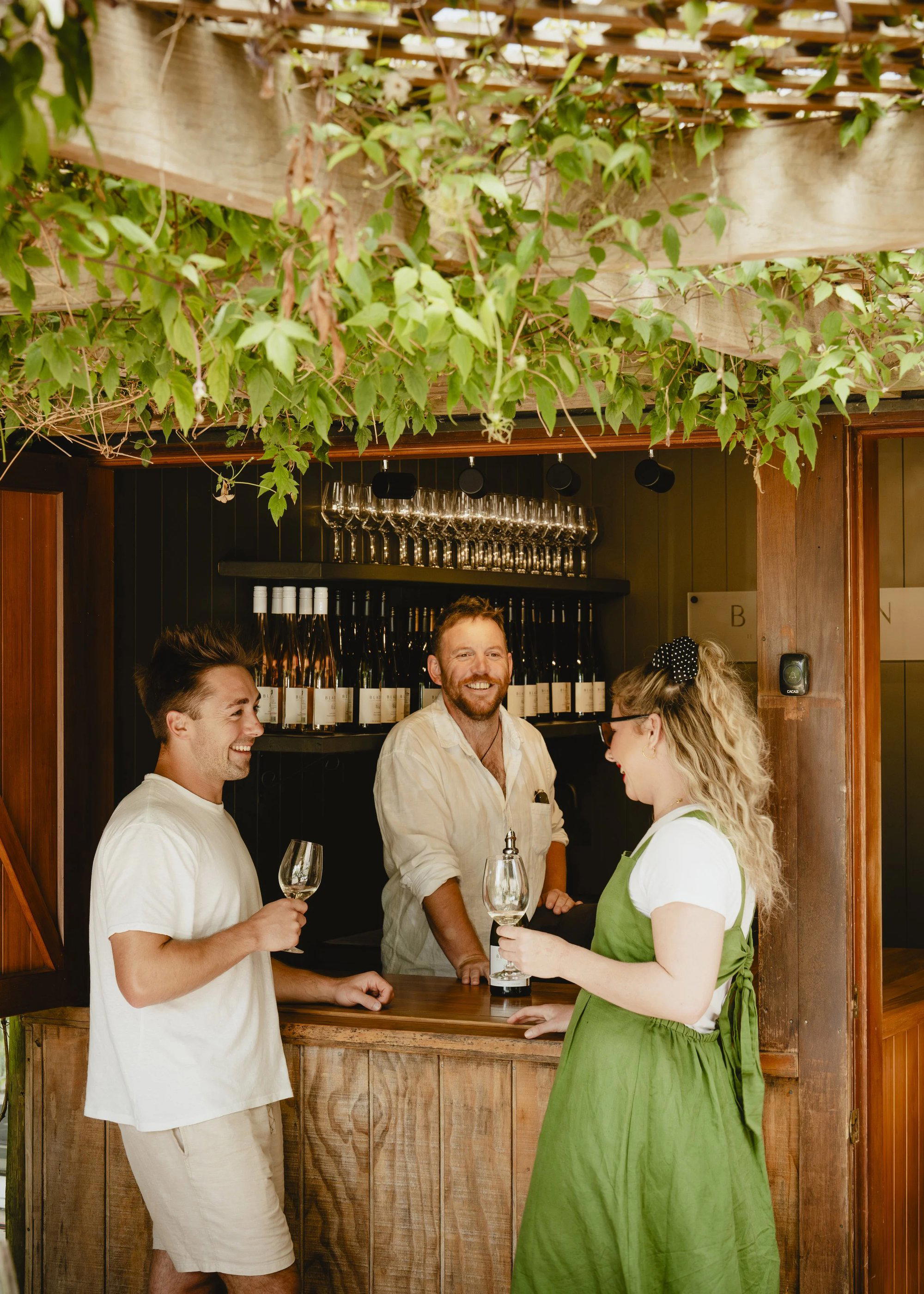
The experience is shaped by scale. Small cellar doors in Marlborough often reward visitors who arrive with a little context: the regional dominance of Sauvignon Blanc, the importance of sub-area identity, and the difference between estate-focused producers and bigger hospitality operations. Georges Michel is suited to that kind of tasting. It is quiet, rural, and classic in mood, with a bar tasting and estate tasting format rather than a food-pairing program. The setting is part of the editorial value, because it keeps the wine connected to the vineyard rather than packaging it as a detached visitor attraction.
The sustainable language attached to the estate is also worth reading in regional terms. Marlborough’s vineyard economy depends on scale, water, and consistency, so a 100% family-owned property operating under strict sustainable wine-growing practices occupies a more stewardship-led lane. The public story is not one of certification theatre or technical farming detail; it is a practical claim about long-term management, family oversight, and a production philosophy built around sustainable viticulture.
Travelers building a Blenheim wine route can use Georges Michel as a lower-key counterpoint to other local stops without forcing a ranking exercise. For broader planning, EP Club’s Blenheim coverage includes Our full Blenheim wineries guide, plus city guides for Our full Blenheim restaurants guide, Our full Blenheim hotels guide, Our full Blenheim bars guide, and Our full Blenheim experiences guide. Nearby wine-route research can also include Allan Scott Family Winemakers, Auntsfield Estate, Black Canvas, Black Cottage, and Blank Canvas Wines.
Who should put it on a Marlborough route
This is a fit for travelers who prefer estate identity over production theatre. The strongest reason to come is not a dramatic room or chef-led pairing menu, but the chance to place a family-owned Golden Mile producer inside Marlborough’s wider Sauvignon Blanc story while also tasting across Pinot Noir, Chardonnay, Nebbiolo, sparkling, rosé, and dessert styles. The quiet setting will suit couples, small groups, solo wine learners, and visitors who like a cellar door where the agricultural context has not been polished out of view.
It also works as a study in how recognition accumulates outside mainstream travel fame. Competition medals from San Francisco, France, Berlin, and Australia, plus critic scores from Sam Kim and James Halliday, make the wine-quality case without requiring the estate to perform as a hospitality landmark. For New Zealand wine itineraries beyond Marlborough, EP Club also covers Akarua Winery in Nevis, Akitu in Wānaka, and Alan McCorkindale Limited in Christchurch. International readers comparing small-producer formats may also find useful contrast in »der Steiner« Hans Steiner in Podersdorf am See and & Handwein in Mannheim.
Recognition history
Dated appearances from independent guides and award organizations, with the underlying list record or original source where available.
Falstaff Winery - Listed
Falstaff
Continue exploring
More in Blenheim
Wineries in Blenheim
Browse all →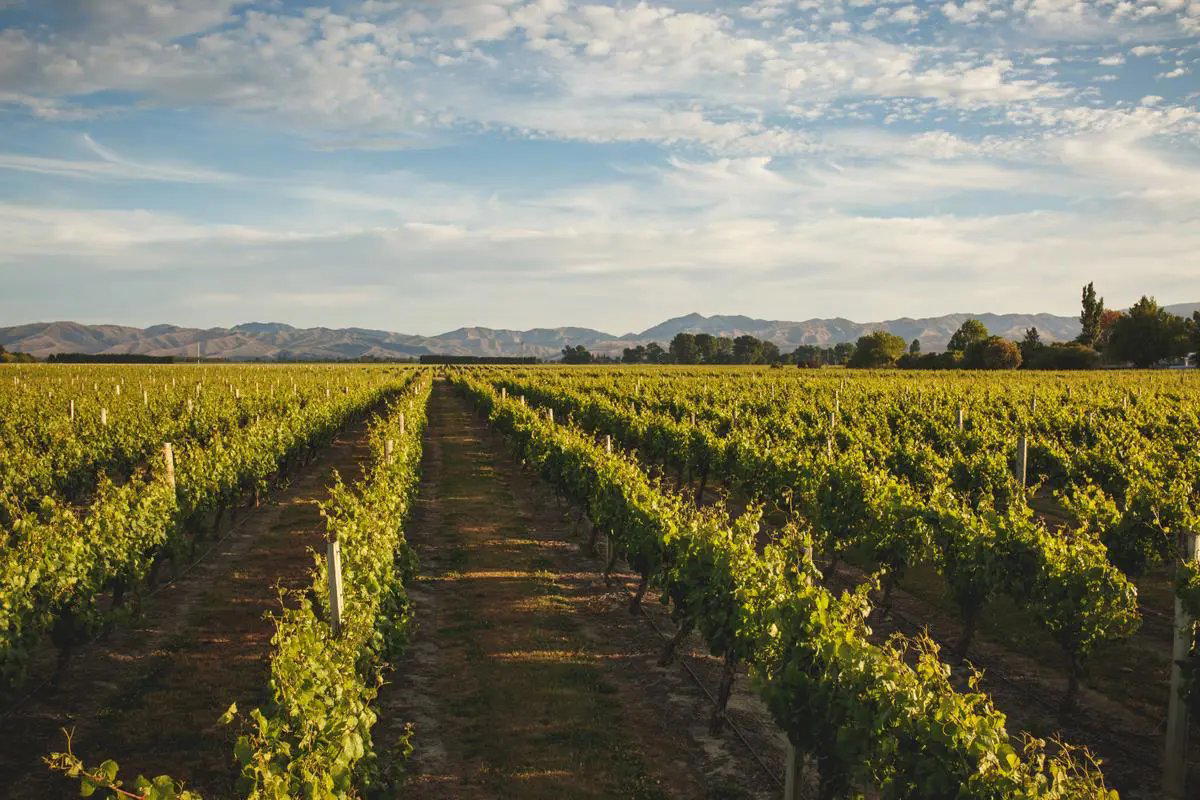
Bars in Blenheim
Browse all →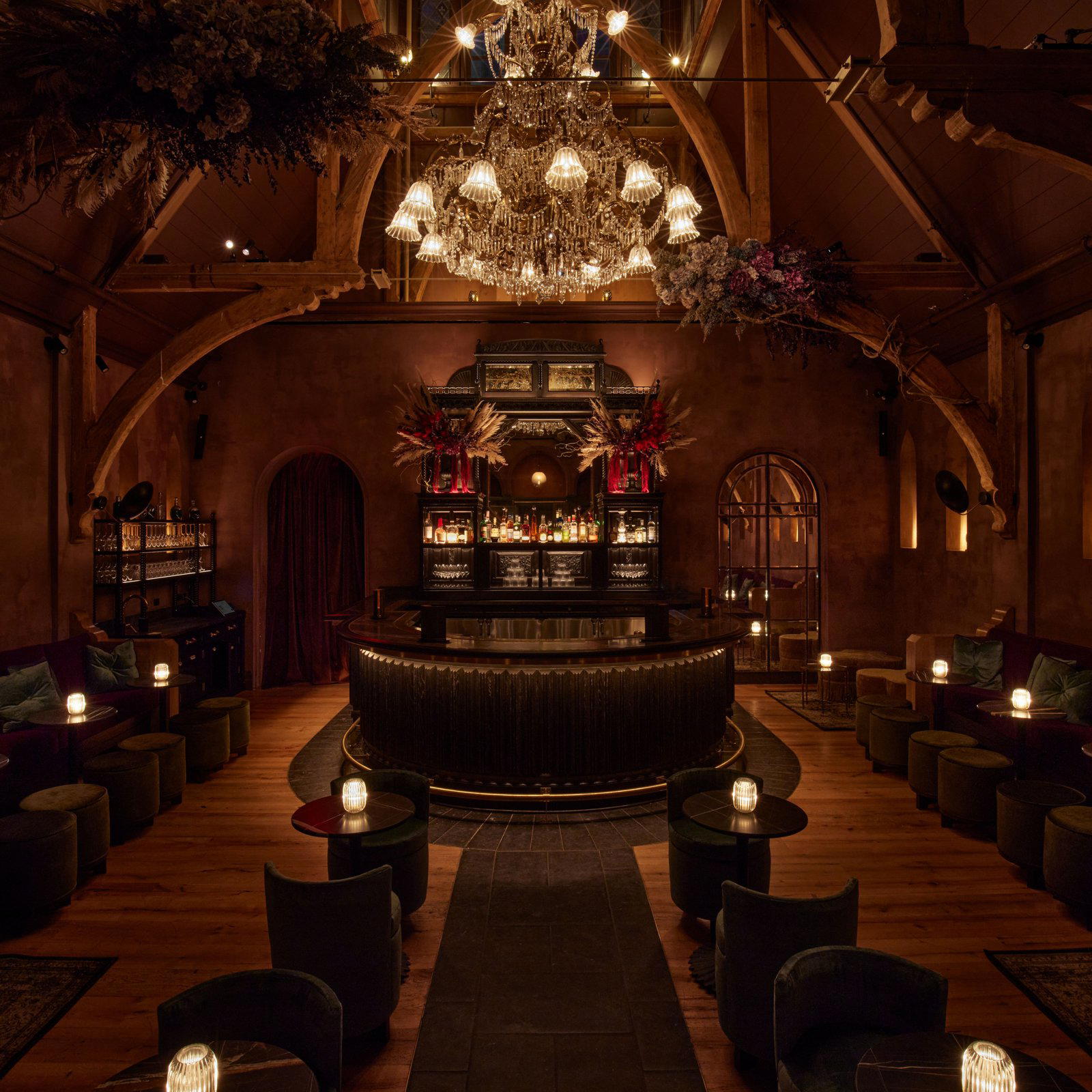
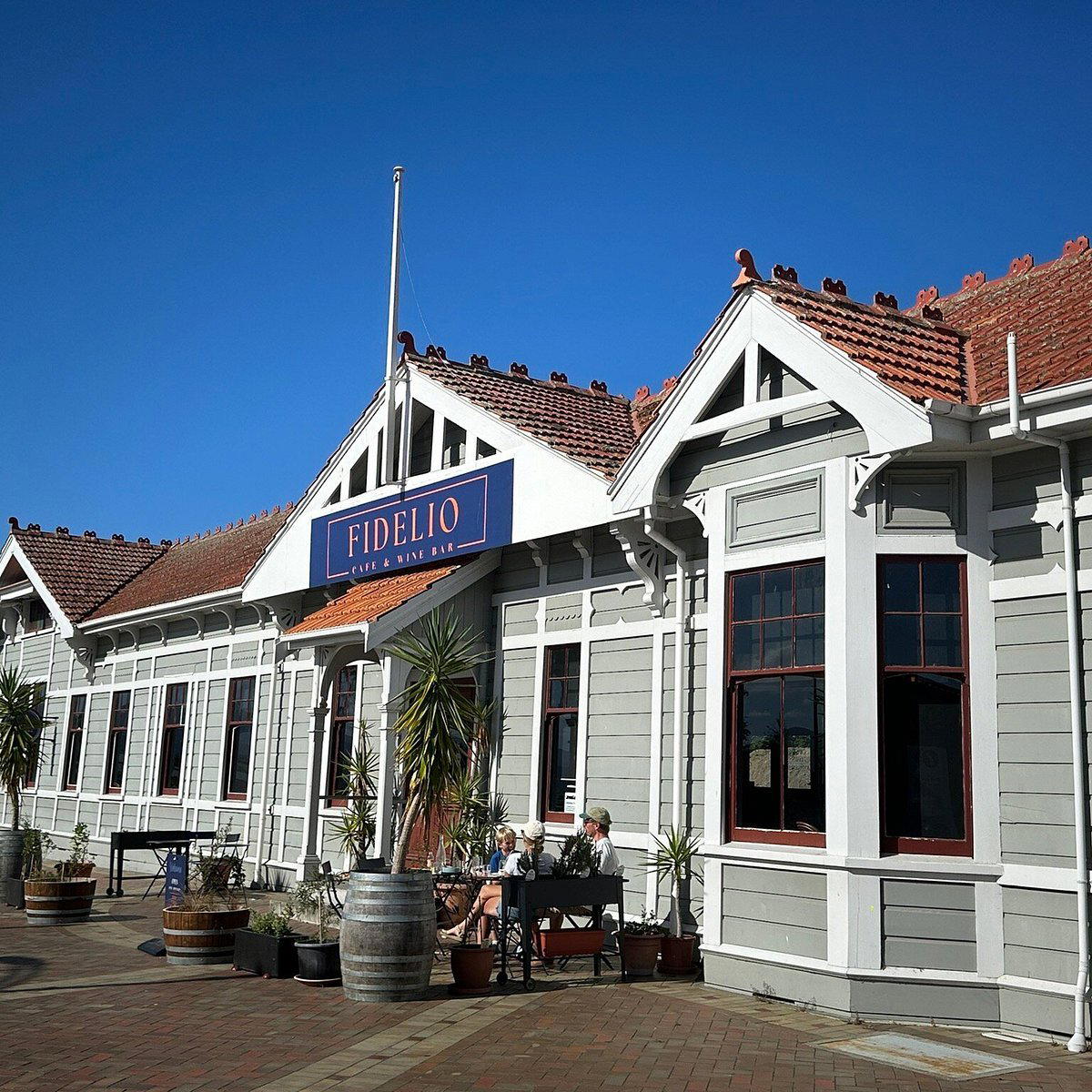
Restaurants in Blenheim
Browse all →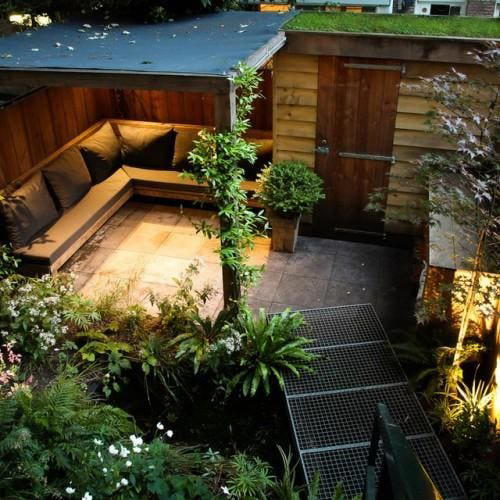
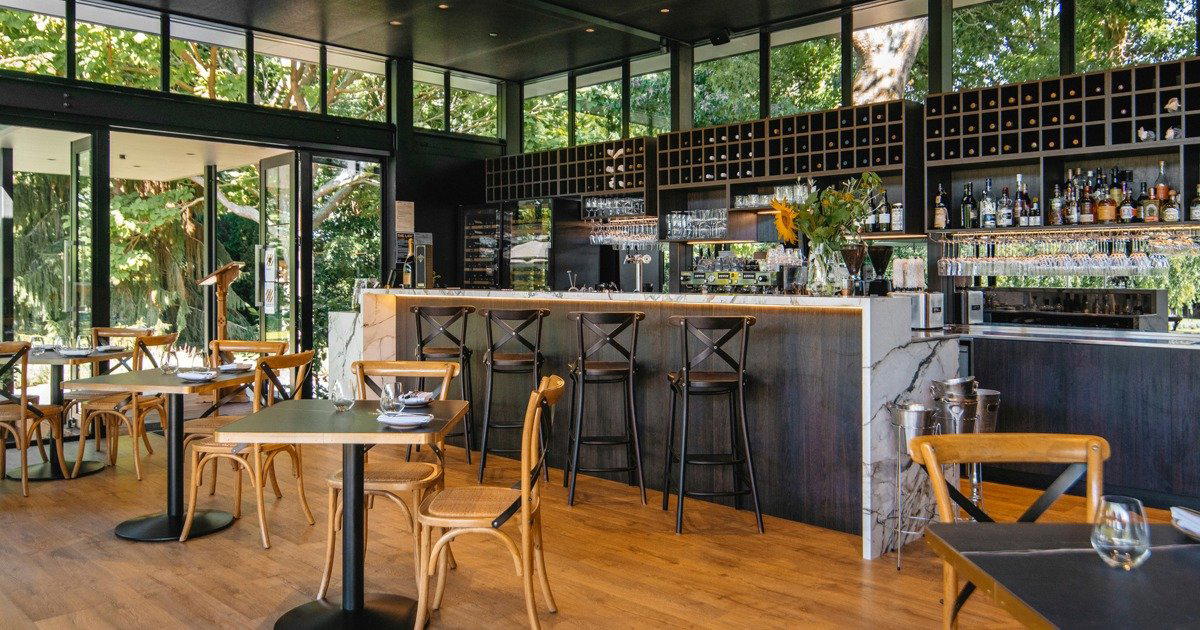
Details
- Scenic
- Classic
- Rustic
- Intimate
- Romantic Getaway
- Group Outing
- Solo Exploration
- Wine Education
- Estate Grounds
- Sustainable
- Vineyard
- Sauvignon Blanc
- Chardonnay
- Pinot Noir
- Nebbiolo
- Still White
- Still Red
- Still Rosé
- Sparkling
- Dessert
- Bar Tasting
- Estate Tasting
Small, family-run Marlborough estate focused on traditional winemaking, offering an intimate, peaceful rural setting in the Rapaura ‘Golden Mile’ with a classic vineyard feel rather than a high-design tourist complex.