Bioweingut Moritz

Bioweingut Moritz is a small organic red-wine estate in Horitschon, working about 3 hectares in Mittelburgenland DAC with a clear focus on Blaufränkisch and Blauer Zweigelt. Founded in 1964 and run by Alfred Moritz, it sits in the intimate, handworked end of Burgenland wine, where cellar, labels, and occasional art programming form part of the same craft language.
Pearl is the En Primeur Club membership app — saves, bookings, and concierge access live there. Same editors, same standards.
- Address
- Horitschon, Central Burgenland, Burgenland, Österreich
 Saves & bookings on Pearl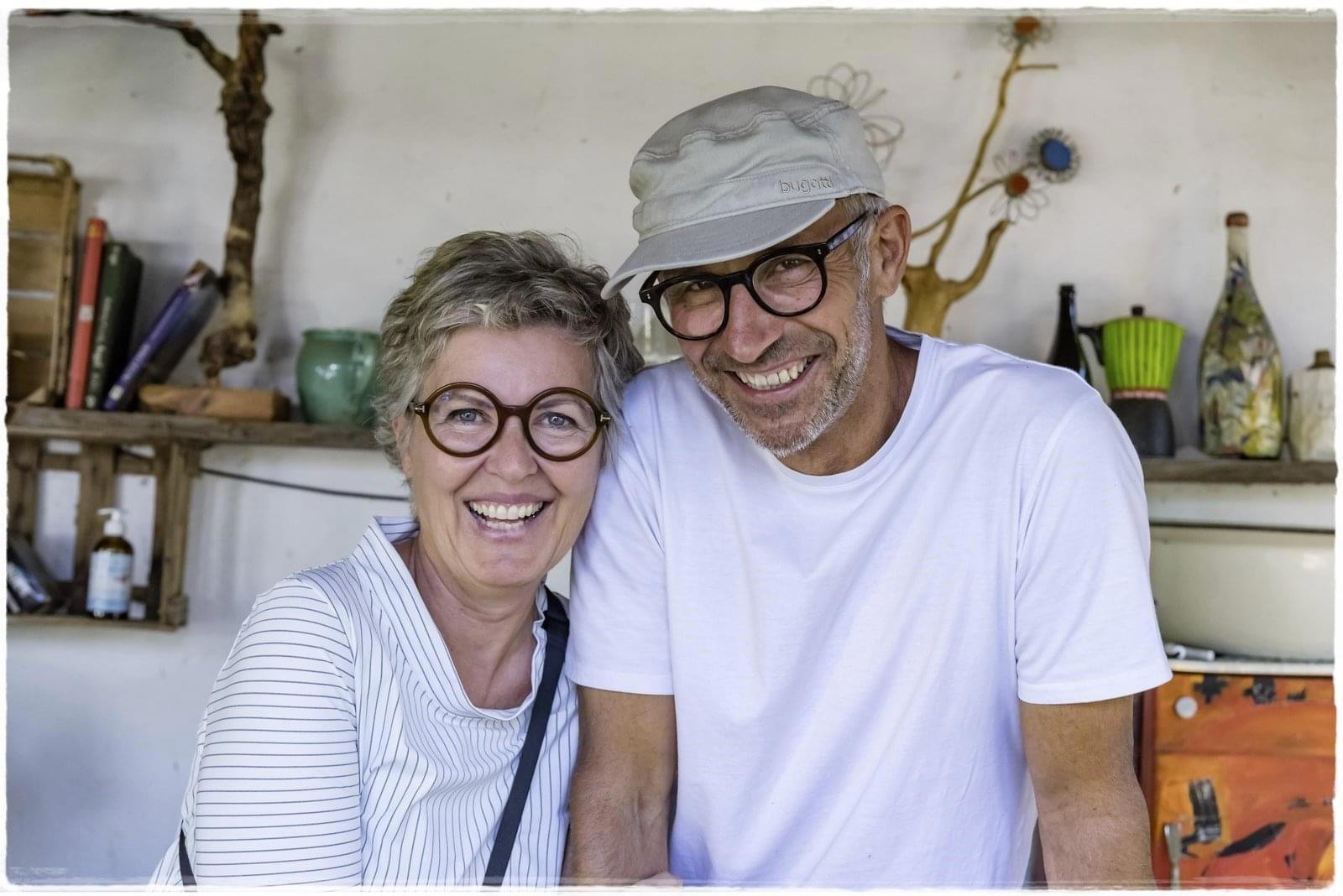
Bioweingut Moritz is a small, hands-on organic winery in Horitschon with an artisanal, personal feel. The appeal is not a polished, large-scale hospitality setting; it is the sense of a working cellar shaped by close attention, creativity, and a homey atmosphere. It reads as the kind of place where scale is part of the identity, and where the visitor’s impression comes less from spectacle than from proximity: to the cellar, to the producer’s point of view, and to the quiet texture of a small estate.
The cellar has been described as Alfred Moritz’s “living room,” a phrase that captures the venue’s intimate character without needing to overstate the details. It suggests a space that is not merely functional, but personal, lived-in, and expressive of the person behind it. The space is also used for artistically styled events, giving the winery a creative edge that fits its small-scale, rustic identity. That combination of cellar, home-like atmosphere, and artistic styling is what gives Bioweingut Moritz its particular shape: modest in scale, but not anonymous.
Horitschon seen through a small organic estate
For visitors exploring Horitschon, Bioweingut Moritz is best understood as a compact organic winery rather than a broad tourist attraction. The picture is simple: a personal, hands-on producer with a rustic and hidden-gem feel. Its value lies in that focused impression, not in trying to be everything at once. It belongs to the side of wine travel where a place’s atmosphere, working character, and organic identity do much of the talking.
That restraint is useful for planning. Rather than arriving with expectations built around specific wines, scores, or production details, treat the winery as a place to experience a more personal side of Horitschon. Strong frame is not a checklist of claims, but an openness to a smaller estate with a cellar that feels close, tactile, and individually shaped. For travelers who appreciate that kind of setting, the lack of large-scale polish can be part of the appeal rather than a limitation.
Recognition, bottle signals, and the art-cellar format
No specific award, score, ranking, or critic recognition is here, so the estate should not be presented through accolades. Its confirmed distinction is more experiential: the cellar’s living-room character, the hands-on organic identity, and the creative use of the space for artistically styled events. Those are softer signals than medals or numbers, but they are still meaningful, especially for visitors choosing between more formal wine experiences and smaller, more personal ones.
That art-cellar feeling is central to the venue’s appeal. In a small winery, atmosphere matters because it shapes how visitors read the place: less as a formal showroom, more as a personal and authored environment. The phrase “living room” is useful here because it points toward warmth and informality without needing to add unsupported detail. It frames the cellar as a setting with character, where rusticity and creativity sit naturally together.
The result is a venue that feels rustic, intimate, and creative. For travelers who prefer small producers over highly staged wine experiences, the winery is the kind of Horitschon stop that can feel like a quiet discovery. Its strengths are not described through a catalogue of awards or bottle-specific claims, but through the way the place is positioned: organic, hands-on, personal, and shaped by an artistic sensibility. That makes it especially suited to visitors who value the mood and character of a cellar as much as the formal markers that often surround wine tourism.
How to place it within a Horitschon visit
Horitschon rewards travelers who think in terms of small producers and local character. The winery suits visitors looking for an organic winery with a personal, artisanal atmosphere and a cellar that feels more homey than formal. It is best approached as a focused stop within the local wine landscape, one where the main reason to go is the combination of intimacy, organic practice, and creative cellar identity.
For broader local context, compare it with other Horitschon dining and wine options generically rather than assuming a specific or itinerary. The winery is the named reference point here. That means the safest and most accurate way to place it is as a small organic estate with a distinctive cellar atmosphere, not as a venue defined by rankings, menus, special formats, or detailed visitor promises.
The useful distinction is scale: the winery belongs to the small, tactile side of wine travel, where the strongest argument is made through its organic identity, rustic feel, and creative, personal cellar atmosphere. It is not positioned as a grand destination with a heavily staged visitor experience, but as a more intimate Horitschon address whose appeal depends on closeness, character, and the sense of a working place with an individual voice.
Recognition history
Dated appearances from independent guides and award organizations, with the underlying list record or original source where available.
Falstaff Winery - Listed
Falstaff
Continue exploring
More in Horitschon

At a Glance
- Rustic
- Cozy
- Solo Exploration
- Special Occasion
- Wine Education
- Design Destination
- Historic Building
- Private Tasting
- Organic
- Vineyard
- Mittelburgenland DAC
- Blaufränkisch
- Blauer Zweigelt
- Still Red
- By Appointment
A small, hands-on organic winery with an artisanal, personal feel; the cellar is described as Alfred Moritz’s "living room" and the space is also used for artistically styled events, giving it a creative, homey atmosphere.