
Falstaff Winery - Listed
Baron Philippe de Rothschild (Chile) is a Maipo Valley estate in Buin shaped by Bordeaux blending logic rather than a single-varietal Chilean template. Its strongest editorial draw is terroir: Cabernet Sauvignon, Carmenere, Syrah, Cabernet Franc and Petit Verdot interpreted through a 60-hectare vineyard setting with vineyard and mountain views.

Pearl is the En Primeur Club membership app — saves, bookings, and concierge access live there. Same editors, same standards.
- Address
- Buin, Chile
- Hours
- Mon–Fri 8:30 AM–6 PMSat–Sun Closed
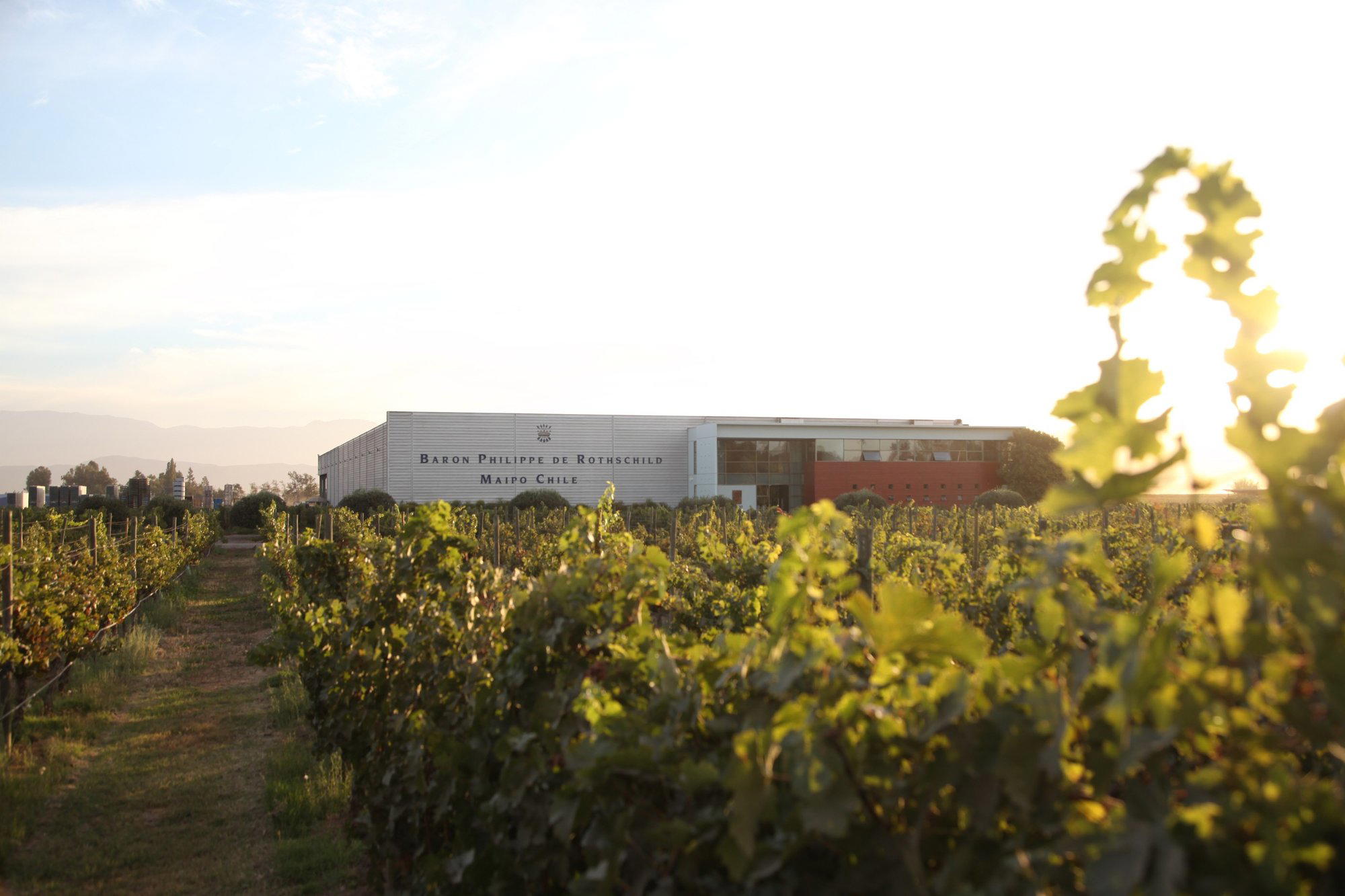
Baron Philippe de Rothschild (Chile) is a winery estate in Buin, set in the Maipo Valley with a vineyard-centered setting. The picture is clear but deliberately focused: this is a scenic, classic and sophisticated estate whose identity is tied to Bordeaux-influenced, terroir-driven wine production rather than to a casual city bar, a conventional restaurant format or a quick drinks stop. In other words, the venue is best read through the language of place, winemaking style and estate atmosphere, not through the expectations that normally shape a menu-led hospitality listing.
The draw is the Maipo Valley estate context: vineyards, a dedicated winery environment and a style that connects Chilean terroir with a Bordeaux-influenced approach. That combination gives the venue a defined point of view. It suggests a visit organized around landscape, structure and the idea of wine as an expression of site, rather than around an expansive list of separate amenities. For travelers looking at Buin as part of a wine-country itinerary, that clarity is useful: Baron Philippe de Rothschild (Chile) stands out here because its confirmed profile is anchored in the estate itself.
Maipo character viewed through a Bordeaux lens
The strongest hook for Baron Philippe de Rothschild (Chile) is its combination of place and style. It is in Buin, within the Maipo Valley, and its production identity is described as Bordeaux-influenced and terroir-driven. That gives the estate a more classic and structured profile than a purely casual wine stop. The Bordeaux influence matters less as a decorative label and more as a way of framing the experience: measured, traditional in tone, and connected to an established idea of estate-based wine production.
At the same time, the Maipo Valley setting keeps the profile grounded in Chilean terroir. The venue is not presented as an abstract brand space removed from its surroundings; the vineyard-centered description makes the land part of the argument. The result is a dual identity: Chilean in setting and terroir, with a Bordeaux-influenced sensibility shaping how the estate is understood. That is the main interpretive thread available from the confirmed information, and it is strong enough to define the venue without needing to overstate the specifics.
That restraint is important. The page can say with confidence that the estate is scenic, classic and sophisticated, and that its identity is Bordeaux-influenced and terroir-driven; it should not imply a detailed program, cellar experience or product lineup that has not been here.
Why the land is the argument
The venue profile is built around the estate setting itself. Baron Philippe de Rothschild (Chile) is not presented here as a dining room with a detailed menu or a bar with a listed drinks program; it is best understood as a dedicated winery estate in the Maipo Valley, with the vineyard as the central context. That distinction changes how to approach it. The main value is not a catalog of dishes, cocktails or services, but the sense of being connected to a particular wine landscape.
That setting supports the mood described for the venue: scenic, classic and sophisticated. Scenic points to the vineyard-centered environment and the broader estate feel. Classic reflects the Bordeaux-influenced style and the more traditional register implied by that association. Sophisticated captures the overall tone: polished rather than casual, composed rather than bustling, and oriented toward visitors who are interested in wine as a product of place and method.
For visitors comparing options in Buin, the appeal is less about a specific service promise and more about the estate’s vineyard-centered identity and its Bordeaux-influenced approach to Chilean terroir. This makes Baron Philippe de Rothschild (Chile) a more focused choice than a venue whose profile depends on a broad food-and-drink offering. It is the kind of listing where the setting, the production identity and the regional context are the essential information.
Reading Buin as a wine stop, not a dining district
Buin is best approached here through the lens of wine-country planning. Baron Philippe de Rothschild (Chile) offers a dedicated winery-estate reference point in the Maipo Valley, while other dining and hospitality options in Buin can be considered separately depending on the rest of the trip. That separation helps set expectations correctly.
For broader planning, compare Baron Philippe de Rothschild (Chile) with other Buin options generically, keeping the focus on what is confirmed: price listed as $$, a scenic and sophisticated estate setting, and a Bordeaux-influenced, terroir-driven production identity. Those details are enough to place it within a Maipo Valley itinerary without overloading the description with promises. The practical takeaway is simple: choose it for the estate character, the classic tone and the way it frames Chilean terroir through a Bordeaux-informed lens.
Recognition history
Dated appearances from independent guides and award organizations, with the underlying list record or original source where available.
Falstaff Winery - Listed
Falstaff
Continue exploring
More in Buin
Wineries in Buin
Browse all →
Details
- Scenic
- Classic
- Sophisticated
- Wine Education
- Corporate Event
- Group Outing
- Special Occasion
- Vineyard Tour
- Estate Grounds
- Historic Building
- Vineyard
- Mountain
- Cabernet Sauvignon
- Carmenere
- Syrah
- Cabernet Franc
- Petit Verdot
- Still Red
- Red Wine Tasting
Current opening hours
- Monday
- 8:30 AM–6 PM
- Tuesday
- 8:30 AM–6 PM
- Wednesday
- 8:30 AM–6 PM
- Thursday
- 8:30 AM–6 PM
- Friday
- 8:30 AM–6 PM
- Saturday
- Closed
- Sunday
- Closed
Hours can change for holidays and private events. Last verified .
Set in a dedicated winery estate in the Maipo Valley, with a strong Bordeaux-influenced, terroir-driven production identity and a vineyard-centered setting.