Barbeito

Barbeito gives Madeira wine a sharper, more contemporary reading from Câmara de Lobos, with guided tastings in a modern hillside facility above the island’s south coast. The draw is educational rather than theatrical: Canteiro-aged fortified wines, Tinta Negra handled with intent, and a family producer founded in 1946 that shifted away from volume toward precision under Ricardo Diogo Freitas.
Pearl is the En Primeur Club membership app — saves, bookings, and concierge access live there. Same editors, same standards.
- Address
- Câmara de Lobos, Madeira Autonomous Region, Portugal
- Directions
- Get directions
 Saves & bookings on Pearl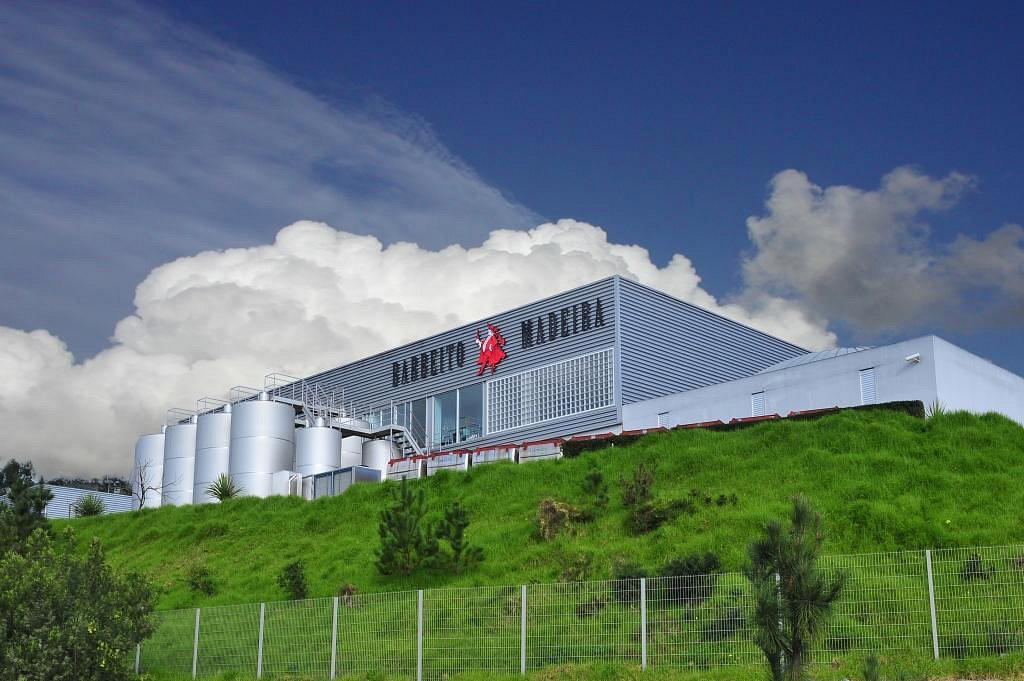
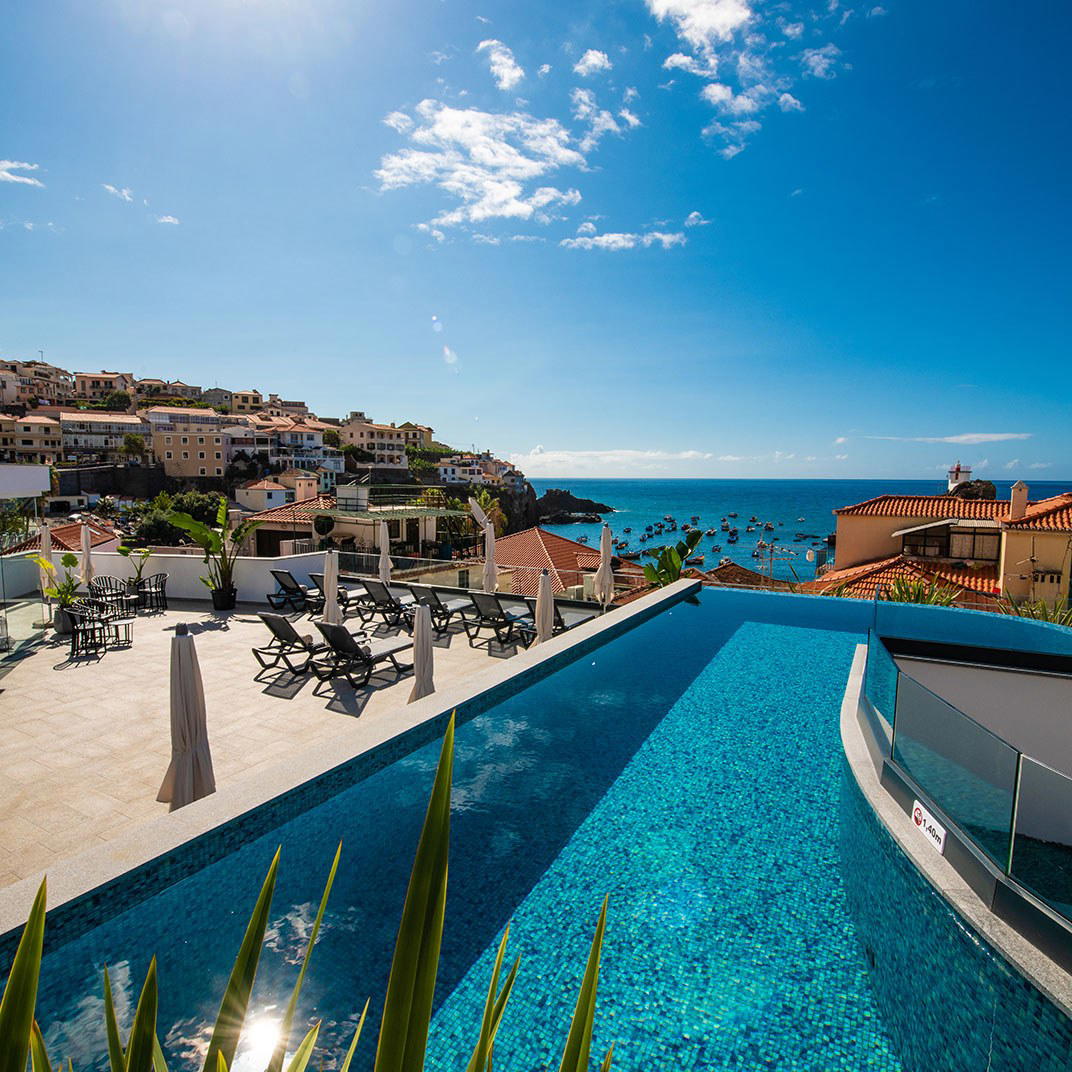
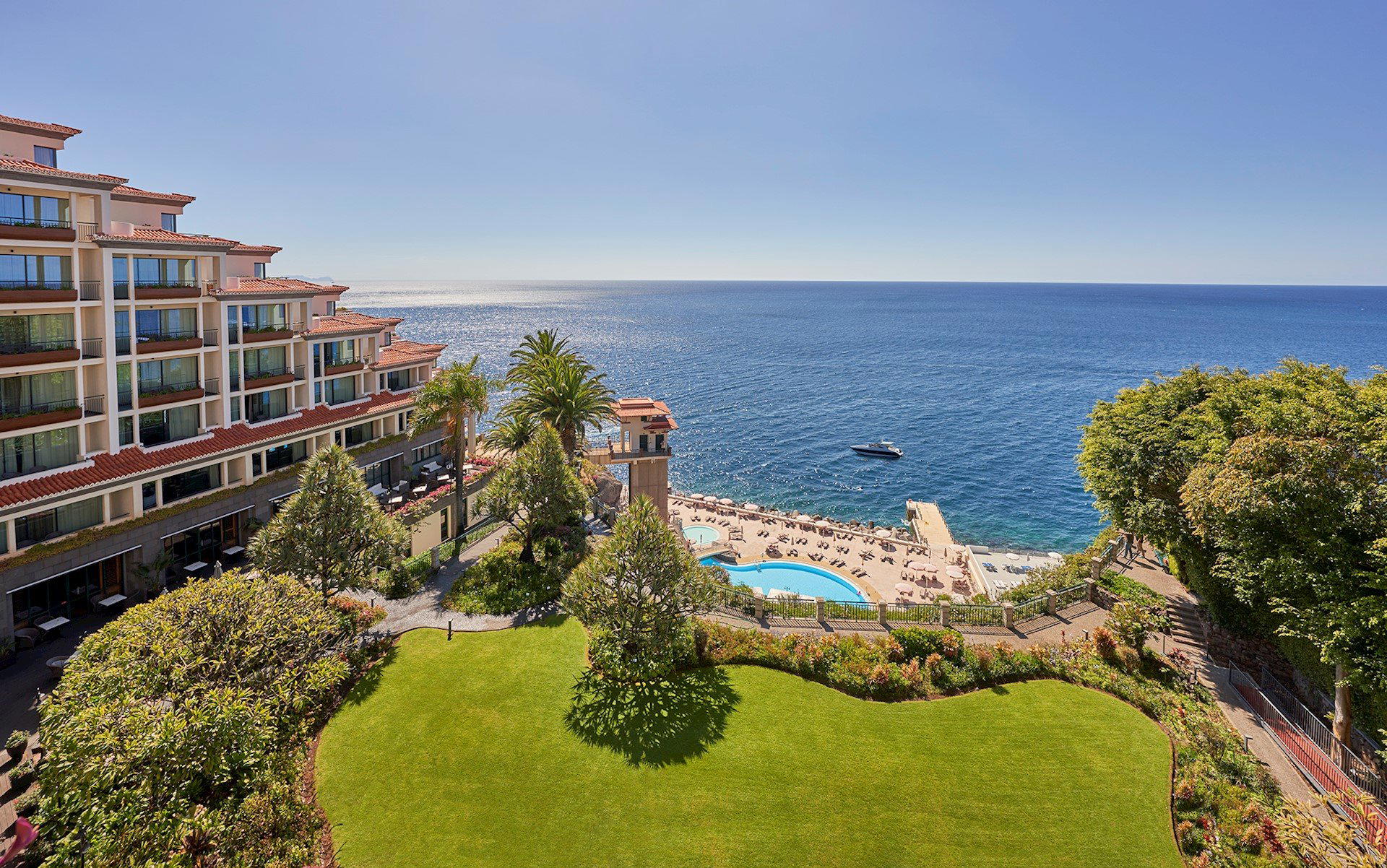
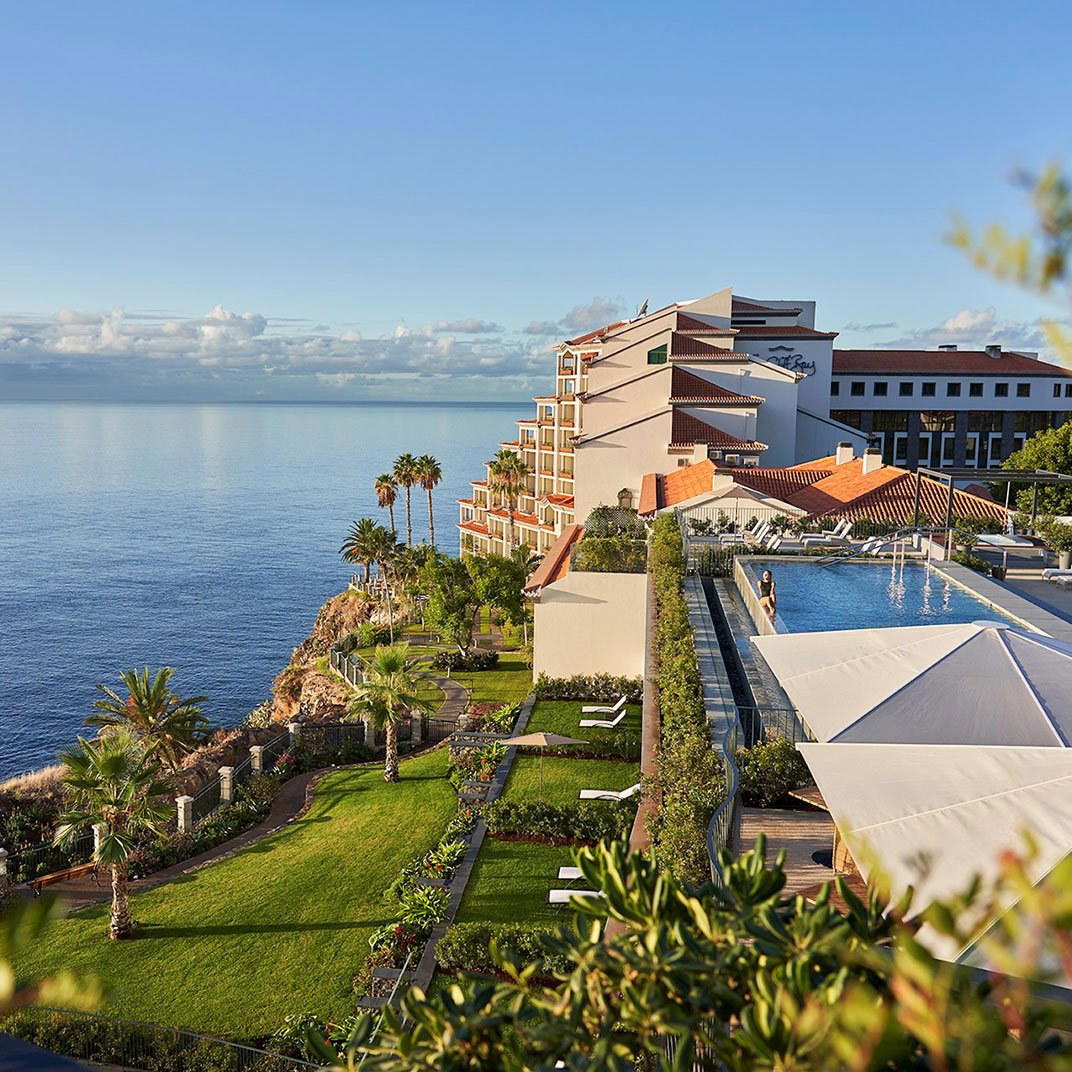
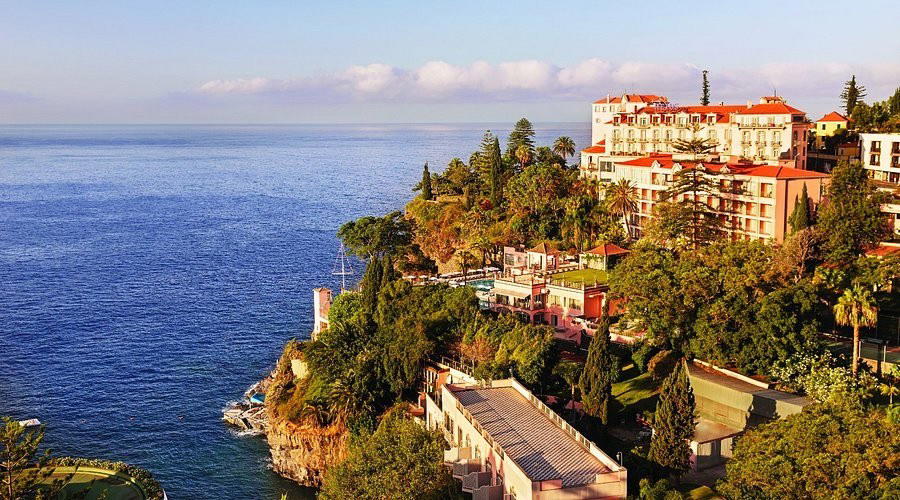
Approaching the tasting room above Câmara de Lobos, the first cue is altitude: a modern winery set into Madeira’s slopes, with mountain and vineyard views giving context before a glass is poured. This is the right setting for understanding Madeira as an island wine, not a souvenir category. Heat, oxygen, elevation, basalt, sea air and long aging are the grammar of the style.
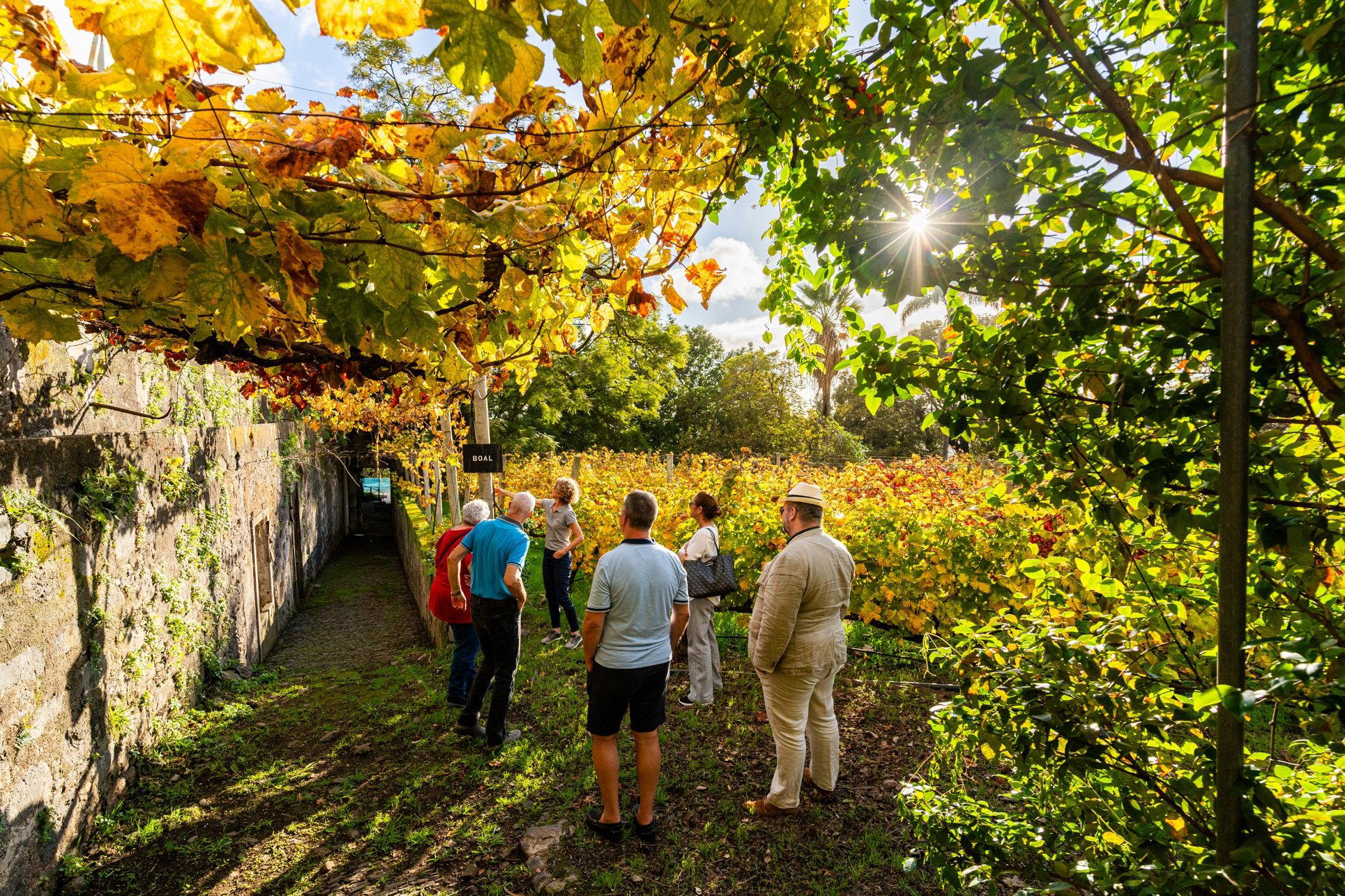
Madeira’s fortified-wine tradition is often reduced to sweetness and age statements, but serious houses work across a broader range of tension: dry Sercial, medium-dry Verdelho, richer Boal, Malvasia, and the island’s workhorse Tinta Negra. Barbeito sits in the smaller-production camp, focused on quality-led bottlings rather than volume. Founded in 1946, its modern reputation is closely tied to Ricardo Diogo Freitas, the third generation associated with the house, whose tenure from 1991 marked a move away from bulk, young Madeira toward more exacting styles.
Canteiro aging gives the island's heat a slower, more articulate voice
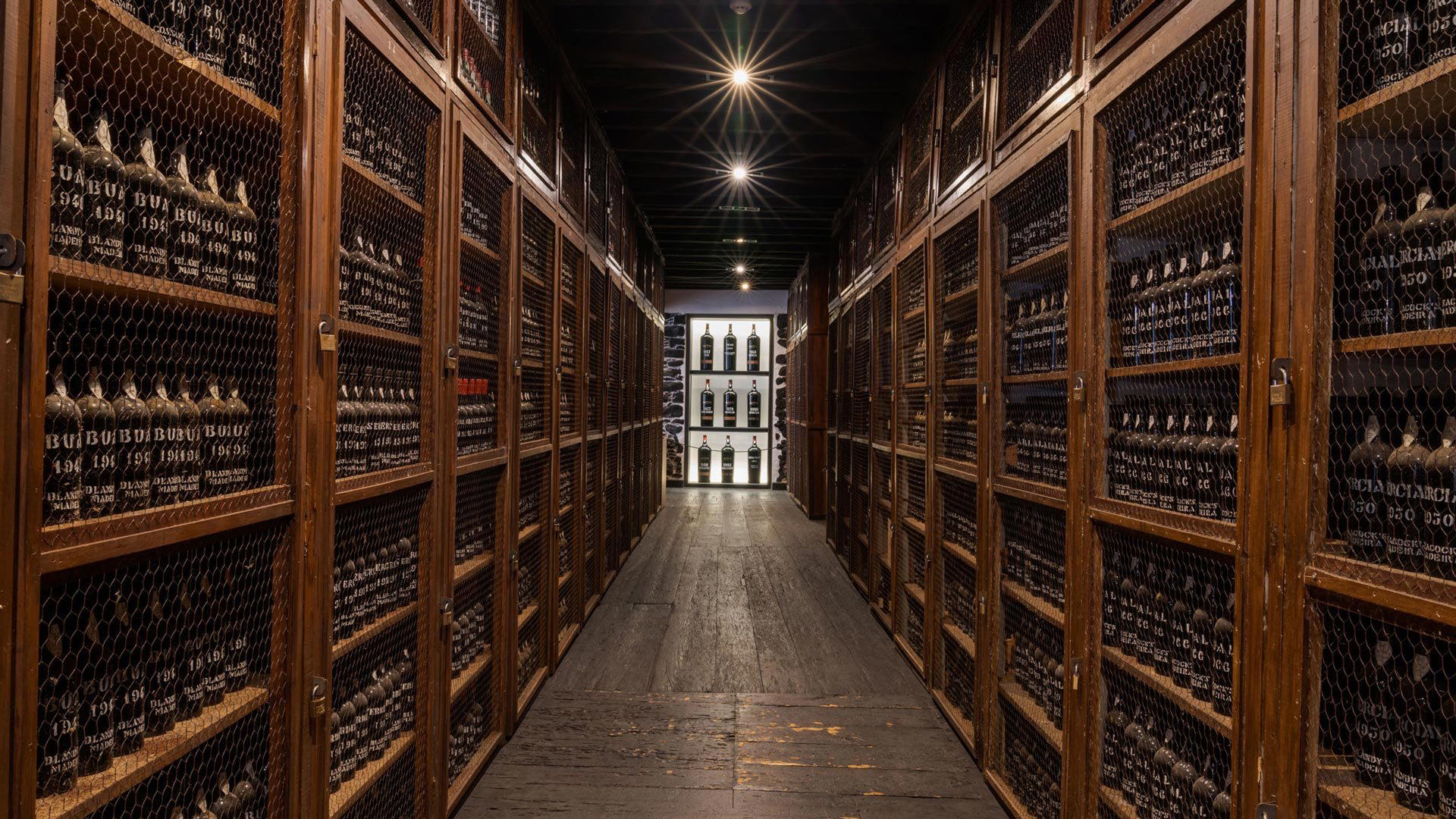
The central distinction in Madeira production is not only grape variety; it is how heat is used. Estufagem applies controlled warmth to accelerate development, while Canteiro places casks in naturally warm conditions, letting oxidation, evaporation and time work slowly. Barbeito uses both legal maturation routes, but its serious identity is tied to Canteiro-aged wines, including Colheita and Frasqueira categories. In regulatory terms, Colheita is single-harvest Madeira aged at least five years, while Frasqueira requires at least 20 years in cask.
That difference matters because Canteiro aging tends to preserve more lift and definition than industrially warmed styles. It also makes the hillside facility part of the production logic: not just a viewpoint, but a place where Madeira’s warmth can act gradually on seasoned oak. Cask evaporation concentrates alcohol, acidity and sugar over time, which is why the category can carry sweetness and acidity without collapsing into heaviness.
Tinta Negra is another useful lens. On Madeira, the grape has long been associated with flexible, workaday production, yet Barbeito helped push it into a more serious conversation by putting Tinta Negra on the label and using it for Canteiro-aged wines. That is meaningful in a region where noble white varieties often dominate the prestige narrative. For visitors, it reframes the tasting: the question is not simply whether a wine is dry or sweet, but how variety, site and maturation method shape the glass.
The tasting format is built for learning, not spectacle
The hospitality style is guided and conversational, with tours and tastings typically framed around production areas, barrel-room context and Madeira categories. English and Portuguese are offered for tours, and the visit format includes guided tastings, tour-and-tasting options and vertical tastings. That structure suits a region where production method can matter more than conventional tasting-room gloss; education is the point.
The range can move from younger blends into more concentrated Canteiro-aged expressions, with the house’s known grapes including Tinta Negra, Verdelho, Sercial, Boal and Malvasia. Rainwater Madeira also belongs in the wider discussion: historically popular in the United States, it is generally understood as a pale, off-dry to medium-dry style. In a tasting sequence, that category helps visitors place Madeira on a spectrum rather than treating it as a single after-dinner wine.
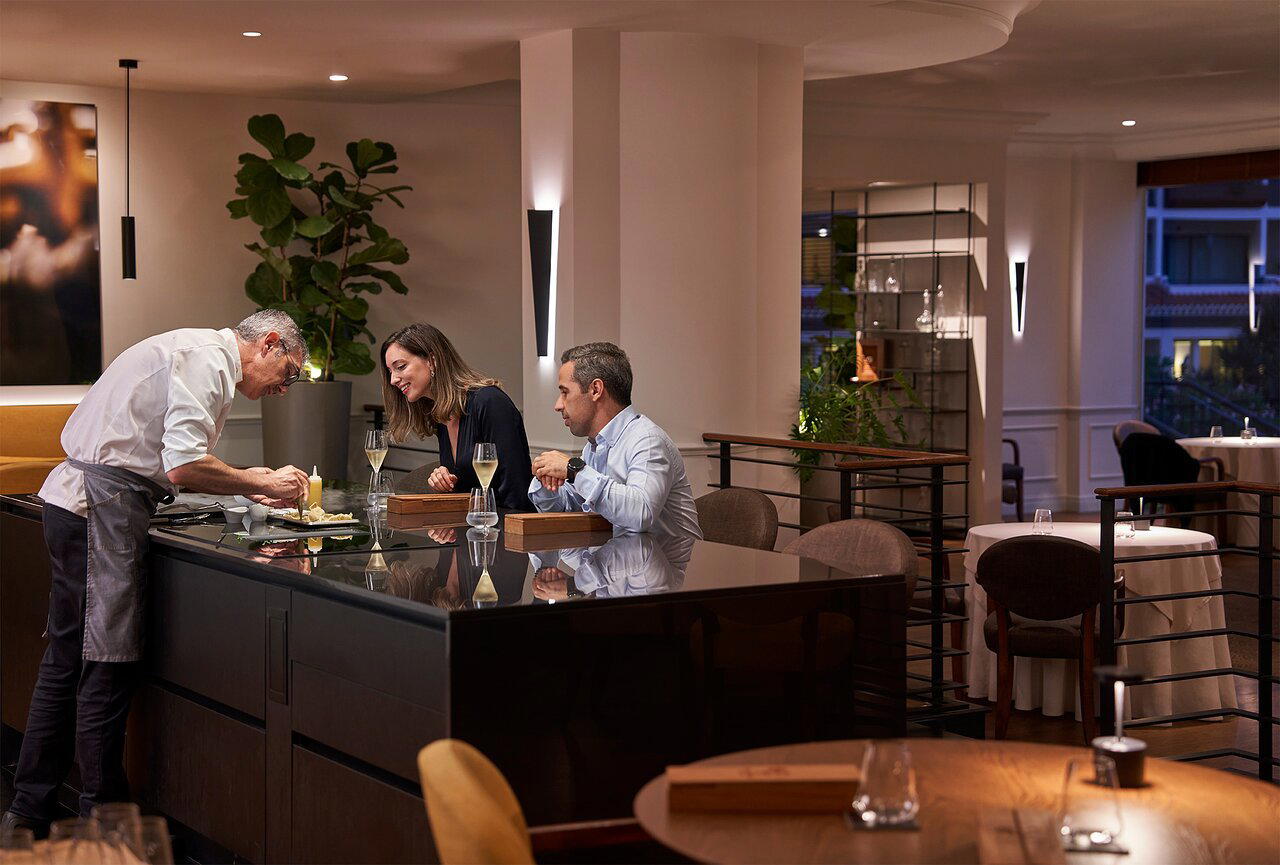
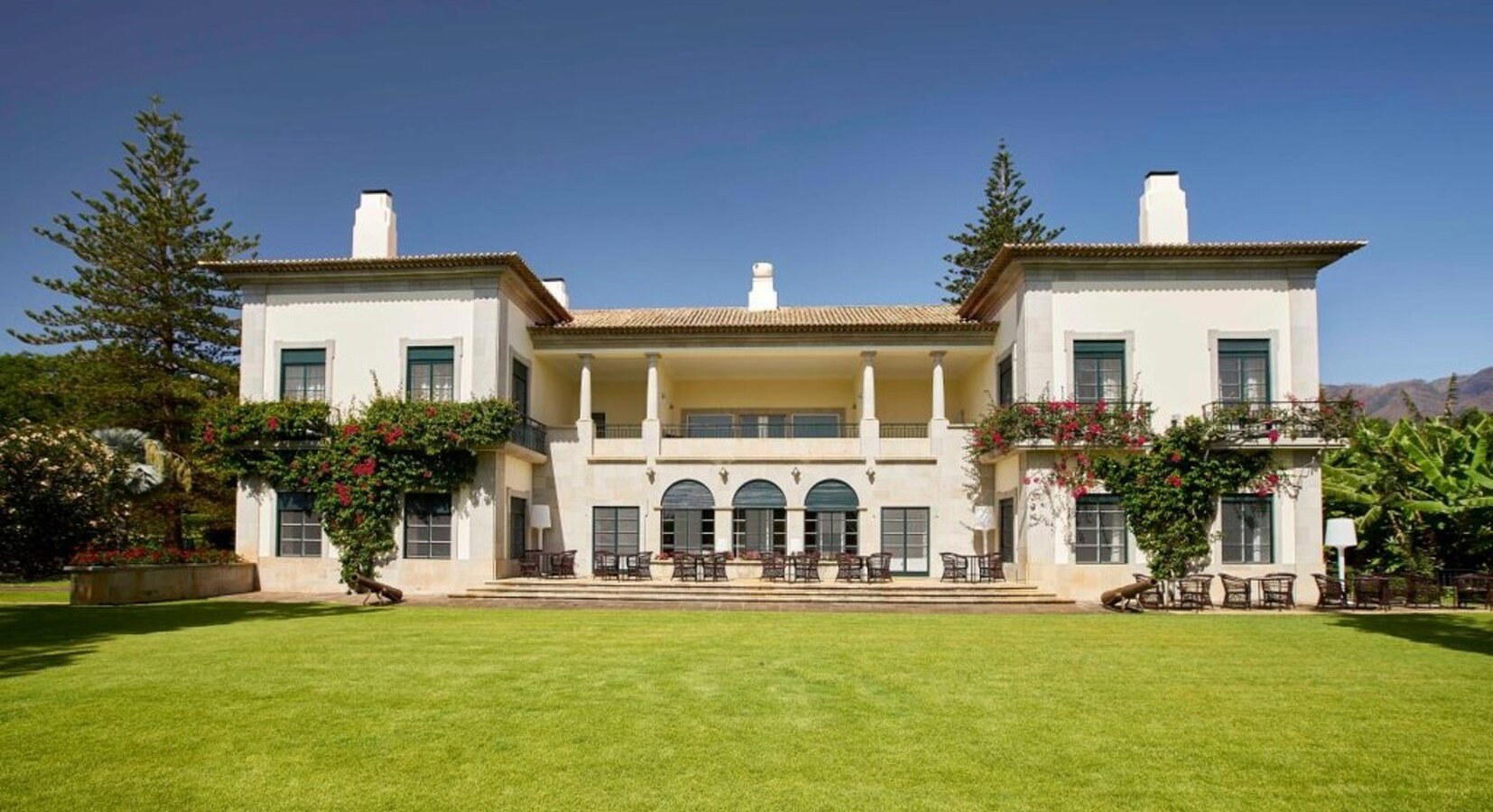
Room keeps the experience clean and modern rather than antique-lodge theatrical. Bright spaces, production areas and views over the surrounding hills make the visit feel technical rather than nostalgic. That distinction is useful on Madeira, where heritage can overwhelm analysis. Here, family history and modern production sit side by side: a producer founded after the Second World War, operating in Madeira DOC, with a small-scale approach and open allocation status.
How to read Barbeito in a wider Portugal wine itinerary
Portugal’s winery map can pull travelers toward Douro grandeur, Alentejo scale or Vinho Verde freshness, but Madeira asks for different attention. The island’s wines are shaped by fortification, deliberate oxidation and heat, making them unusually resilient and stylistically separate from mainland table-wine routes. For travelers comparing regional wine cultures, Câmara de Lobos is not a substitute for the Douro or Alentejo; it is a compact lesson in why island conditions produce a category with its own rules.
Within Câmara de Lobos, Barbeito belongs on the wine side of a broader itinerary rather than as a casual drop-in between meals. Reservations are recommended, the visit type is by reservation, and duration commonly runs 60 to 90 minutes. Dress is casual, noise level conversational, and the format works for solo exploration, groups and wine education. There is on-site parking, and payment options include cash, credit card and debit card. Food pairing is not part of the standard proposition, so plan the tasting as a focused winery visit rather than a long lunch.
For broader planning around town, keep the wine stop in conversation with Henriques & Henriques and Our full Câmara de Lobos wineries guide. For the rest of the day, use Our full Câmara de Lobos restaurants guide, Our full Câmara de Lobos hotels guide, Our full Câmara de Lobos bars guide and Our full Câmara de Lobos experiences guide to avoid treating the tasting as an isolated stop.
Travelers building a Portugal-wide wine route can contrast Madeira’s fortified logic with mainland producers such as 1912Winemakers LDA in Porto, Adega Cartuxa (Fundação Eugénio de Almeida) in Évora, Adega Cooperativa de Borba in Borba, Adega Cooperativa de Ponte de Lima in Ponte de Lima, Adega Cooperativa de Vale Cambra, CRL in Vale De Cambra, Adega Cooperativa Regional de Moncao in Monção and Adega do Monte Branco in Estremoz. For a wider European contrast beyond Portugal, »der Steiner« Hans Steiner in Podersdorf am See and & Handwein in Mannheim underline how different Madeira’s heat-aged fortified tradition is from continental cellar cultures.
Recognition history
Dated appearances from independent guides and award organizations, with the underlying list record or original source where available.
Falstaff Winery - Listed
Falstaff
Continue exploring
More in Câmara de Lobos
Wineries in Câmara de Lobos
Browse all →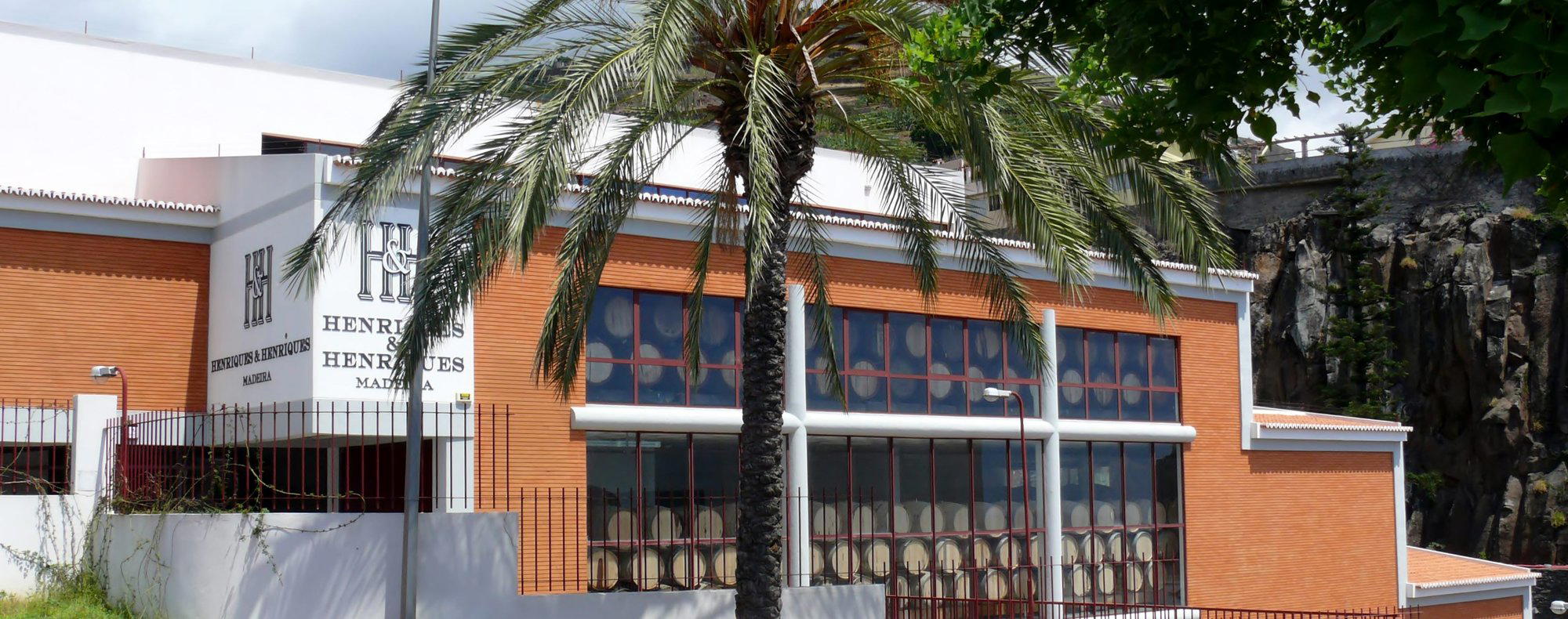

Bars in Câmara de Lobos
Browse all →
Restaurants in Câmara de Lobos
Browse all →
At a Glance
- Scenic
- Modern
- Well Known
- Elegant
- Wine Education
- Group Outing
- Solo Exploration
- Romantic Getaway
- Barrel Room
- Panoramic View
- Private Tasting
- Sustainable
- Mountain
- Vineyard
- Madeira DOC
- Tinta Negra
- Verdelho
- Sercial
- Boal
- Malvasia
- Fortified
- Dessert
- Still White
- Guided Tasting
- Tour And Tasting
- Vertical Tasting
Family-run Madeira winery with educational, guided tastings delivered with warmth and deep knowledge, set in a modern facility atop the hills above Câmara de Lobos with bright, clean spaces and views over the island.