Anticobroilo is a small organic winery in Prepotto, within Colli Orientali del Friuli DOC, where the emphasis falls on native Friulian varieties, vine-load discipline, and low-intervention farming rather than spectacle. The estate’s 6-hectare scale, appointment-only tasting format, and quiet vineyard setting make it a pointed stop for travelers reading the region through Schioppettino, Friulano, Ribolla Gialla, and other local grapes.

Pearl is the En Primeur Club membership app — saves, bookings, and concierge access live there. Same editors, same standards.
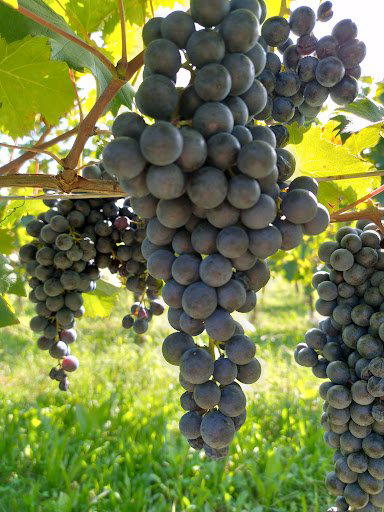
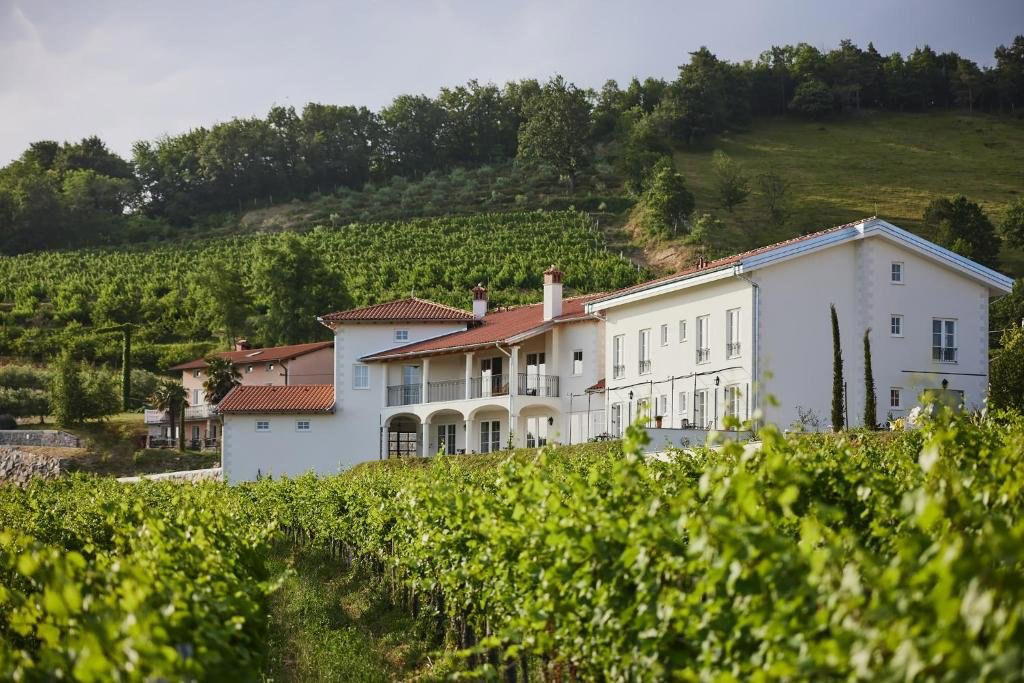
Approaching wine in Prepotto means reading a borderland through agriculture: low hills, small holdings, and a Friulian habit of treating local varieties as cultural evidence rather than decorative talking points. Anticobroilo fits that frame tightly. The estate works on a 6-hectare scale, in Colli Orientali del Friuli DOC, with an organic farming identity and a quiet vineyard setting that makes sense in a town where the cellar door often feels closer to the field than to the tasting salon.
This is not the polished, high-volume end of Italian wine tourism. The useful comparison is with the smaller, agriculture-led producers around Prepotto, where native grapes and family-scale production carry more weight than architectural showmanship. Within that context, Anticobroilo’s emphasis on Schioppettino, Friulano, Ribolla Gialla, Refosco dal Peduncolo Rosso, Cabernet Franc, and Merlot places it squarely in the local conversation: red and white still wines shaped by a region that has long looked both to the Adriatic and toward Central Europe.
Prepotto through native grapes and organic farming
Colli Orientali del Friuli is often discussed through white wine, but Prepotto adds another layer because Schioppettino gives the village a sharper identity. Anticobroilo’s portfolio focus includes that native red alongside Friulano and Ribolla Gialla, two grapes that help explain why Friuli remains distinct from broader Italian white-wine expectations. The editorial point is not novelty; it is continuity. These varieties anchor the estate to a place where typicity depends on patient farming, restrained yields, and a refusal to flatten local character into generic Italian wine.
The farming philosophy is unusually clear. Anticobroilo describes itself as organic and sustainable, with low-yield, minimal-intervention work and attention to grape load per vine. That matters more than cellar language here. In small Friulian estates, the vineyard is the argument: crop load, ecosystem respect, and the choice to work without synthetic shortcuts say more about house style than a long list of cellar equipment would. Copper and sulfur sit within a familiar organic toolkit, while the estate’s interest in algae-derived and other non-synthetic inputs points to a practical version of tradition, not a frozen one.
That distinction is important. “Traditional” in Friuli can mean several things: old varieties, inherited rural habits, restrained cellar work, or simply a marketing vocabulary. At Anticobroilo, the stronger evidence sits in the vineyard-facing details. The estate frames wine as something that begins in the countryside, and its small production scale supports that claim. For travelers comparing Prepotto producers, this puts the winery closer to the agricultural, education-led end of the spectrum than to the leisure-first model built around food pairings, terraces, and broad hospitality programming.
A quiet estate format, not a tasting-room machine
The visit format suits the wine. Anticobroilo operates by appointment, with tasting, vineyard-tour, estate-ground, historic-building, and wine-education tags attached to the experience. That structure rewards visitors who want context around grape varieties and farming rather than a quick flight between lunch and dinner. The setting is quiet, casual, and small in capacity; street parking and a group-friendly format make it workable for an itinerary, but the mood is closer to a rural estate call than a drop-in wine bar.
There is no food-pairing program listed, and that absence keeps the focus where it belongs: on the wines, the vines, and the local grammar of Prepotto. For a visitor trying to understand Friuli through the glass, that can be more useful than a dressed-up hospitality format. The key is to arrive with the right expectations. This is a place to ask about organic practice, native grapes, and how low yields shape red and white still wines, not to look for a restaurant-style tasting sequence.
In the wider Prepotto circuit, Anticobroilo can be read alongside Ca' Lovisotto, Colli di Poianis, Grillo Iole, La Viarte, and Le Due Terre. Those nearby references matter because Prepotto is not a single-cellar destination; it is a compact wine area where small differences in farming, grape emphasis, and hospitality style become the story. For broader planning, EP Club’s local rails cover the full Prepotto wineries guide, plus restaurants, hotels, bars, and experiences.
How it sits in a wider Italian and European wine itinerary
Anticobroilo is useful for travelers building a route around small estates rather than trophy labels. Its price level is modest, its allocation status is open, and it does not position itself through awards. The trust signal here is format and farming: 6 hectares, organic production, native Friulian varieties, and appointment-only access. In a region where better-known names beyond Prepotto often draw the first-time visitor’s attention, this kind of estate gives a more grounded reading of what local wine culture looks like at working scale.
That also makes it a different proposition from larger or more commercially visible Italian wine stops. Compare the planning logic with 3GP SRL in Treviso, 47 Anno Domini in Trebaseleghe, or A Mano Wine in Noci: those names belong to different regional and stylistic conversations. Even cross-border references such as »der Steiner« Hans Steiner in Podersdorf am See and & Handwein in Mannheim show how varied the European small-winery map becomes once the itinerary moves away from standard prestige routes.
The reason to place Anticobroilo on a Prepotto schedule is not grandeur. It is specificity: Schioppettino in its home territory, Friulian whites in an organic estate setting, and a production model that treats farming as the main credential. For travelers who use winery visits to understand how land, local habits, and scale shape wine, that is the right lens.
Continue exploring
More in Prepotto
Wineries in Prepotto
All wineries in Prepotto →
Bars in Prepotto
Browse all →

Restaurants in Prepotto
All restaurants in Prepotto →
Details
- Rustic
- Classic
- Quiet
- Wine Education
- Solo Exploration
- Group Outing
- Vineyard Tour
- Estate Grounds
- Historic Building
- Organic
- Sustainable
- Vineyard
- Schioppettino
- Friulano
- Ribolla Gialla
- Refosco Dal Peduncolo Rosso
- Cabernet Franc
- Merlot
- Still Red
- Still White
- Tasting
Current opening hours
- Monday
- 8 AM–7 PM
- Tuesday
- 8 AM–7 PM
- Wednesday
- 8 AM–7 PM
- Thursday
- 8 AM–7 PM
- Friday
- 8 AM–7 PM
- Saturday
- 8 AM–6 PM
- Sunday
- 9 AM–5 PM
Hours can change for holidays and private events. Last verified .
Organic, tradition-forward, and rustic, with a small family-run estate identity centered on native Friulian varieties and low-intervention winemaking.