
Tabelog 100 #47
Our verdict
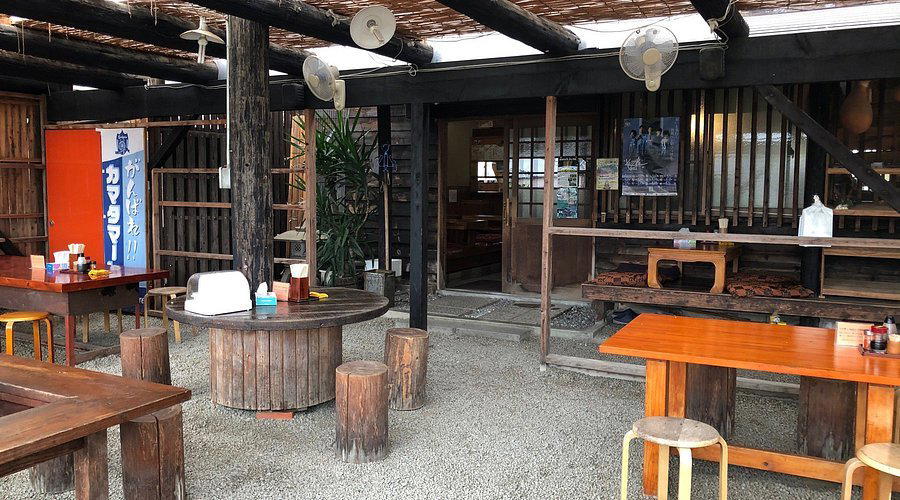
Zaigoudon Honke Waraya sits in Takamatsu’s Sanuki udon territory, where the ritual matters as much as the noodles: quick ordering, direct flavors, and a meal built around wheat rather than ceremony. Its Tabelog 100 Udon Kagawa 2024 selection places it inside a serious local category, while the Yashima setting gives the stop a cultural frame beyond lunch.

Pearl is the En Primeur Club membership app, where members save venues, book tables and use the concierge.
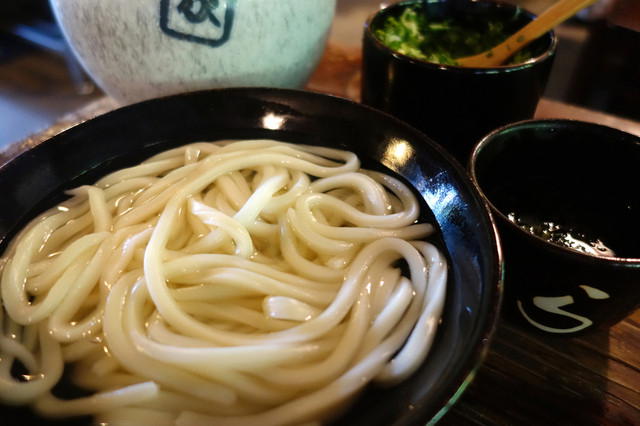
The menu
What to order
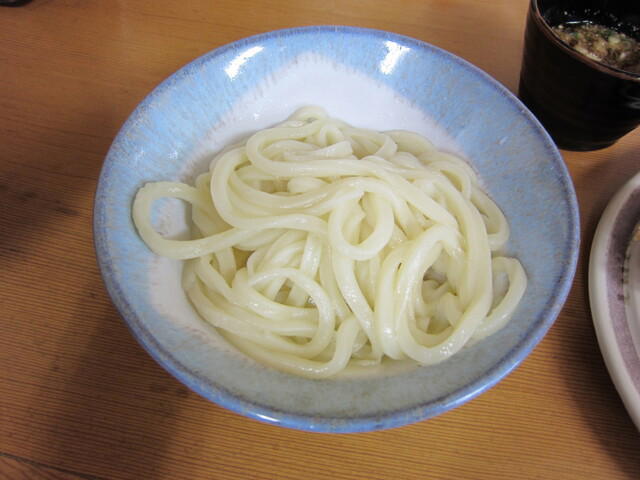
- Kamaage udon in large wooden tub
- Zaru udon
- Bukkake udon
In Takamatsu, the approach to udon feels less like entering a restaurant district than stepping into a local custom with a bowl at the center of it. Takamatsu’s udon culture is not built around long menus or theatrical plating. It is built around pace, repetition, and the confidence of a city that treats wheat noodles as everyday food with exacting standards.
That is the useful way to read Zaigoudon Honke Waraya: not as a destination that asks for hushed reverence, but as an udon house where the appeal is legible even to a first-time visitor. The format sets the tone before the food arrives. Keep the focus on the noodles, the broth or sauce, and the directness of the meal. In Takamatsu, that efficiency is not a lack of hospitality; it is part of the grammar of the cuisine.
Udon as a ritual of speed, texture, and restraint
Udon has always rewarded attention to structure. The noodles are the argument, with broth, dipping sauce, condiments, and side dishes arranged around them rather than competing for attention. Takamatsu visitors coming from sushi counters or kaiseki rooms may misread the simplicity. The better comparison is with a craft that has been normalized into daily life: technically demanding, inexpensive, and judged quickly by locals who eat it often.
Zaigoudon Honke Waraya’s recognition in Tabelog 100 Udon Kagawa 2024 matters because the category is not an easy field. The listing signals that the shop is being assessed against udon specialists rather than general Japanese restaurants. Its listed Tabelog score of 3.74 adds a useful public benchmark without turning the meal into a fine-dining exercise.
The competitive set in Takamatsu spans small, low-cost counters and larger houses built for steady turnover. Teuchi Udon Masuya, Oudon Setobare, and Kashimura Udon sit in the lower price band, while Udon Honjin Yamada Ya Sanuki honten occupies a similar broader udon-house lane. In that context, Waraya’s appeal is not rarity. It is regional specificity meeting a format that can suit locals and travelers without losing the central discipline of the format.
For readers mapping a wider Takamatsu itinerary, the contrast is useful. Other Takamatsu dining rooms help show how deep the city’s noodle culture runs, while unnamed local comfort-food stops shift the conversation toward everyday cooking beyond udon. The point is not to turn one bowl into the whole city, but to understand why wheat noodles remain such a central local reference.
Takamatsu gives the bowl a sharper sense of place
Location changes the reading of a meal. Central-city udon can feel purely functional, a stop between trains or meetings. Takamatsu adds a broader cultural register, so the meal can sit naturally beside a half-day of local wandering, architecture, history, and views across the wider region.
That pairing matters because Takamatsu’s udon culture is often consumed too narrowly by travelers, reduced to a checklist of famous shops. The stronger itinerary treats udon as part of the city’s civic texture. A bowl in Takamatsu is not just lunch; it is a way of placing local food alongside the region’s built heritage and geography. The setting reinforces that sense of continuity, especially for visitors who want a meal that feels rooted without requiring fine-dining ceremony.
The room’s rhythm also shapes the experience. An udon setting changes the mood from formal restaurant pacing to a more direct, everyday flow. The main appeal is accessibility: an udon meal that can work for casual diners, local regulars, and visitors trying to understand the city’s food culture without excess explanation.
How to place it in a Takamatsu food plan
The strongest use of Zaigoudon Honke Waraya is as an anchor for a Takamatsu outing rather than a stand-alone detour. Travelers building a city-wide food day can keep room for multiple udon stops, then use this meal as the steadier point in the plan. The practical rhythm is simple: let the udon meal carry the middle of the day, then leave room for walking, sightseeing, or another local stop.
The listed budget keeps it in everyday-food territory: dinner is shown at JPY 1,000 - JPY 1,999, while lunch is listed up to JPY 999. That price band is exactly the point. Udon’s seriousness has never depended on luxury pricing, and Waraya is best understood through that balance of low cost, high repetition, and local scrutiny.
For broader planning, Our full Takamatsu restaurants guide is the clean starting point, with Our full Takamatsu hotels guide, Our full Takamatsu bars guide, Our full Takamatsu wineries guide, and Our full Takamatsu experiences guide filling out the rest of the trip. Readers comparing Japanese regional dining beyond Takamatsu can also look at other dining in Japan in general terms. For Japan-inflected dining abroad, the useful comparison is broader rather than venue-specific: how regional Japanese habits translate once they leave their home ground.
Frequently asked questions
What's Zaigoudon Honke Waraya's location?
Takamatsu.
What price level is Zaigoudon Honke Waraya?
Pricing at Zaigoudon Honke Waraya is listed as JPY 1,000 - JPY 1,999 - JPY 999 View spending breakdown.
Should I book Zaigoudon Honke Waraya in advance?
The supplied venue facts do not provide a booking policy. Plan with some flexibility, as with many popular udon stops in Takamatsu.
What's the defining dish or idea at Zaigoudon Honke Waraya?
The point here is udon in Takamatsu, backed by Tabelog 100 Udon Kagawa 2024 recognition. The listed budget, with dinner at JPY 1,000 - JPY 1,999 and lunch up to JPY 999, places it firmly in the everyday udon tradition rather than a formal dining room.
Cuisine-First Comparison
Side-by-side context: comparable cuisine and price.
| Venue | Cuisine | Price | Awards | Notes |
|---|---|---|---|---|
| Zaigoudon Honke WarayaThis venue (the venue you are viewing) | Traditional Sanuki Udon | $10–20 | Tabelog 100 #47 | Not listed |
| Fumiya Okonomiyaki Honten | Okonomiyaki (Japanese savory pancakes) | $1–10 | Tabelog 100 #48 | Takamatsu |
| Udon Honjin Yamada Ya Sanuki honten | Sanuki Udon | $1–10 | Tabelog 100 #50 | Takamatsu |
| Nakanishi Udon | Sanuki udon noodle shop | $1–10 | Tabelog 100 #11 | Takamatsu |
| Teuchi Udon Masuya | Traditional Sanuki Udon | $1–10 | Tabelog 100 #55 | Takamatsu |
| Udonya Goemon | Late-night Sanuki udon & black curry udon | $10–20 | Tabelog 100 #56 | Takamatsu |
Recognition history
Dated appearances from independent guides and award organizations, with the underlying list record or original source where available.
Tabelog 100 #47 · No. 47
Tabelog · Tabelog 100 - Udon - KAGAWA - 2024
Continue exploring
More in Takamatsu
Restaurants in Takamatsu
All restaurants in Takamatsu →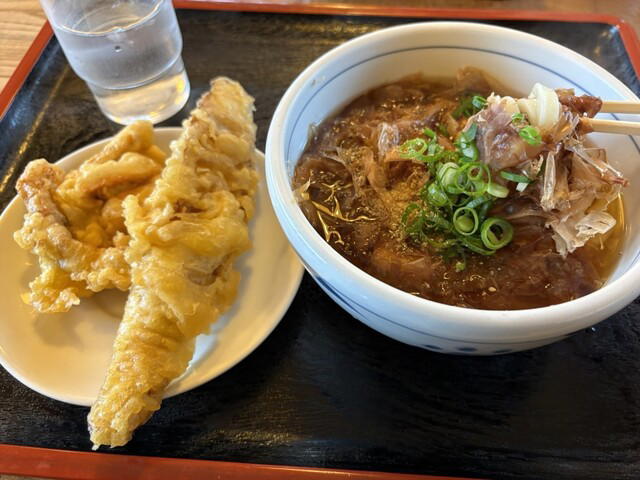
Bars in Takamatsu
Browse all →
Details
- Classic
- Rustic
- Scenic
- Well Known
- Cozy
- Family
- Group Dining
- Casual Hangout
- Solo
- After Work
- Celebration
- Historic Building
- Standalone
- Courtyard
- Garden
- Local Sourcing
- Garden
- Mountain
- A La Carte
- Family Style
- Counter Dining
- Tea
- Soft Drinks
- Beer