
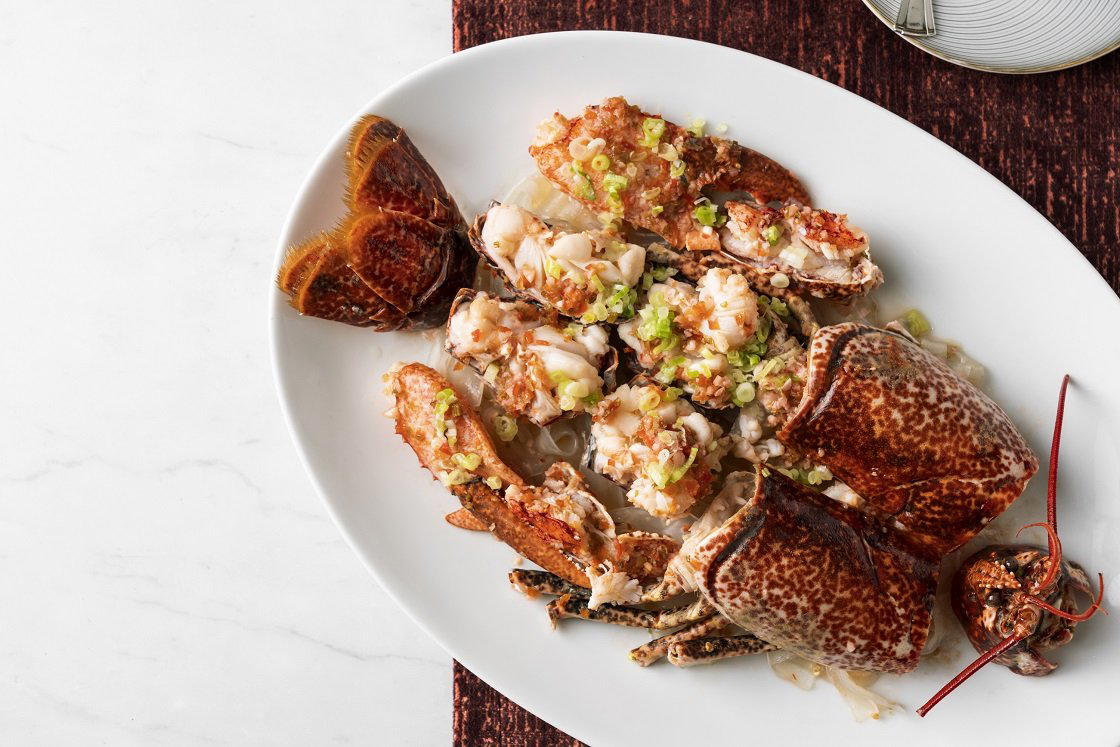
Xiang Mo Jin Nian (Siming) in Xiamen serves Fujian (Minnan) cuisine with a focus on sand-cooked soups and coastal umami. Must-try dishes include Muscovy duck soup with mud crab, braised soft-shelled tortoise seasoned with ginger and green Sichuan peppercorn, and the Minnan-style slow-sand soup (pre-order; limited availability). The open-air kitchen puts the cooking on display, where clay stoves and heated sand coax complex broths over three to four hours. Honored as a Michelin Bib Gourmand, the restaurant pairs authentic regional technique with moderate pricing, delivering confident, savory flavors and a warm, inviting atmosphere that rewards advance planning.
Pearl is the En Primeur Club membership app — saves, bookings, and concierge access live there. Same editors, same standards.
- Address
- 58 Minzu Rd, Siming District, Xiamen, Fujian, China, 361001
- Phone
- +86 131 5920 7777
- Directions
- Get directions
 Saves & bookings on Pearl
Sand, Clay, and Slow Heat: Minnan Soup Cooking in Siming District
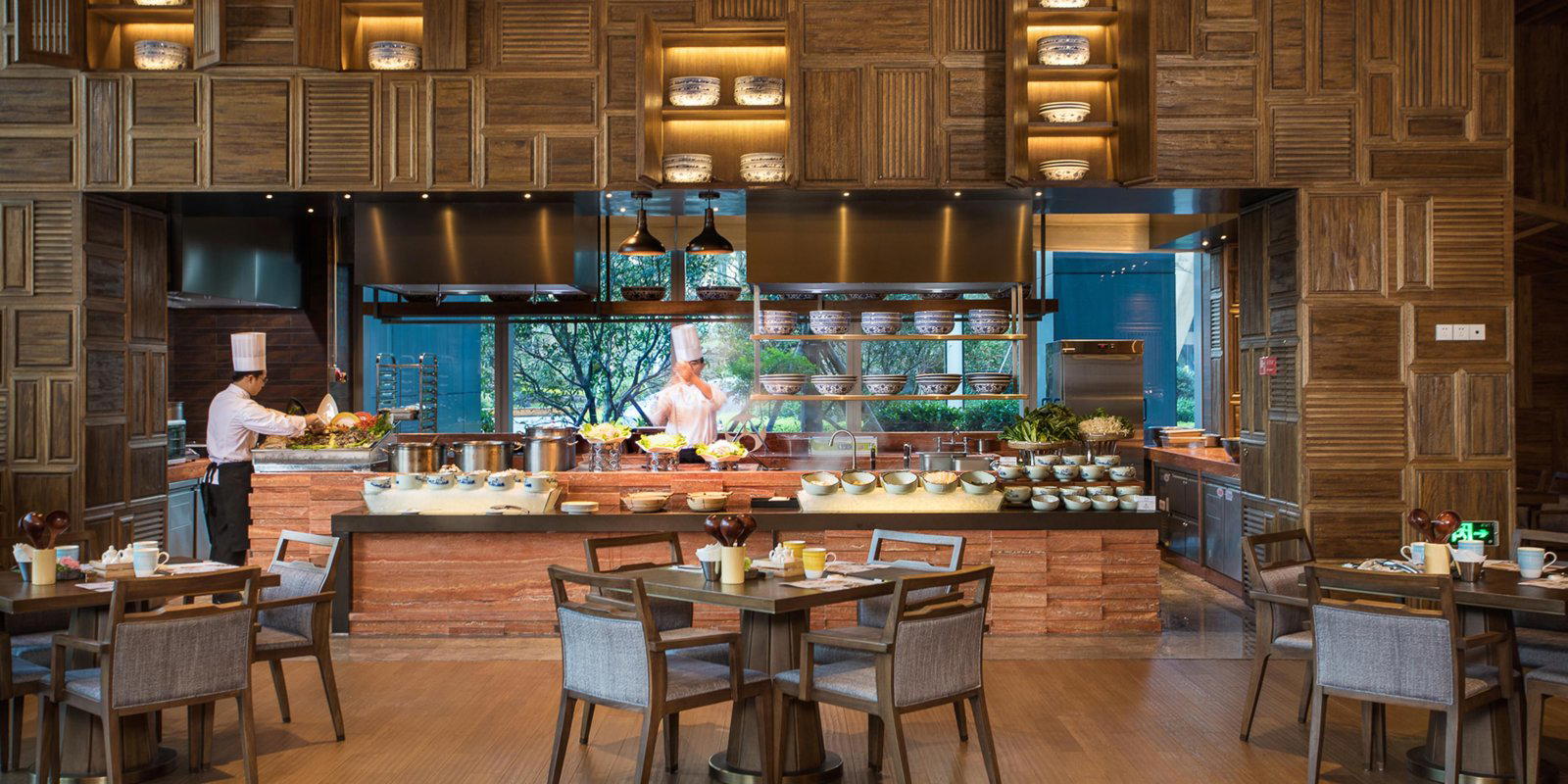
The open-air kitchen at 58 Minzu Road announces itself before you reach the entrance. Clay stoves line the cooking area, each cradling a clay pot buried in heated sand, and the low simmer of long-cooked broth carries into the street. The façade gives nothing away, plain signage, no obvious queue management, nothing to signal the restaurant's modest profile. That gap between exterior and reputation is, in Siming District, fairly common. The neighbourhood's dining character runs toward substance over theatre, and Xiang Mo Jin Nian fits that pattern exactly.
The Technique That Defines the Menu
Minnan-style sand-heated soup cookery is not a shortcut method. The clay pots sit in a bed of heated sand that distributes temperature evenly and gently, avoiding the aggressive boil that would cloud a broth or tighten proteins. At Xiang Mo Jin Nian, the cook time runs three to four hours per pot, which is why the kitchen recommends advance orders on its soup dishes. Walk in without a reservation and you may find several of the signature preparations already spoken for or simply unavailable that day. Availability is constrained by the lead time, not by portion size, so early communication with the kitchen is the practical move.
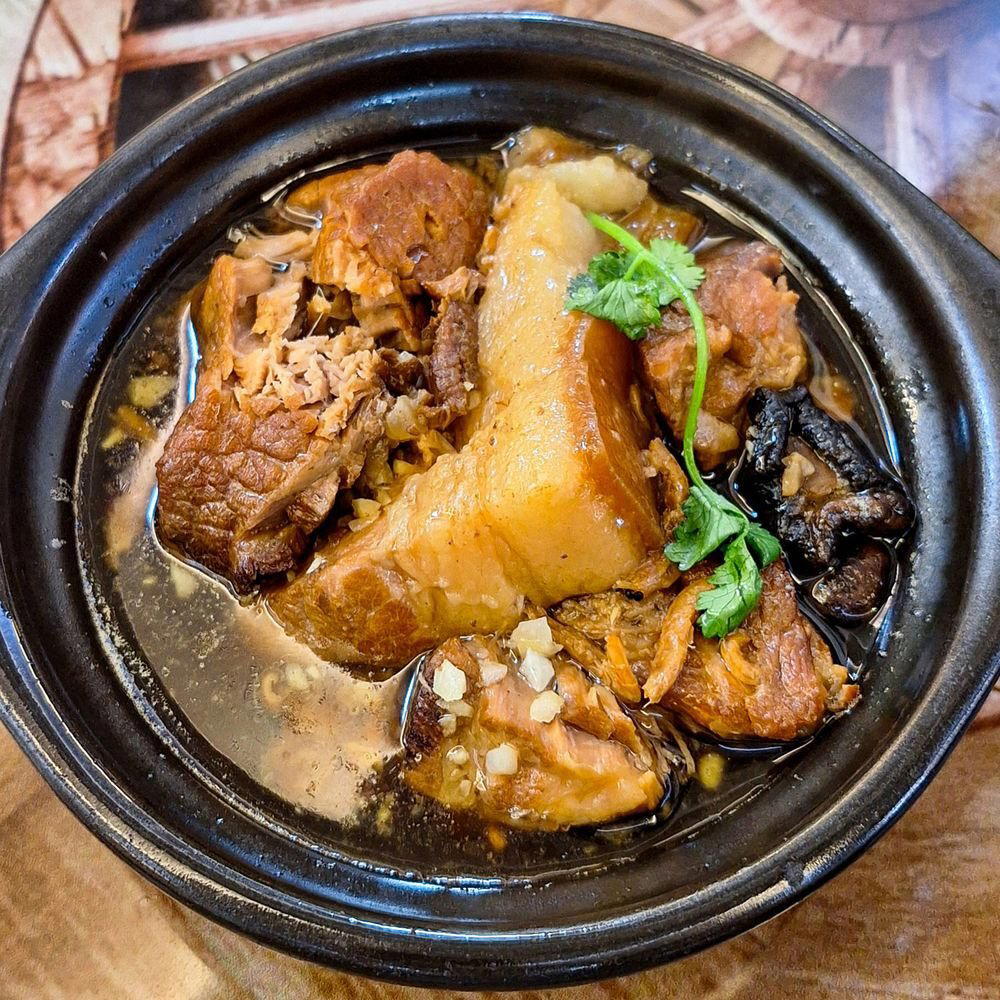
This approach sits within a broader tradition of Hokkien slow-cooking that distinguishes southern Fujian from the quicker stir-fry-led registers of Cantonese kitchens to the south. The patience built into the technique is also a flavour philosophy: the goal is integration rather than brightness, a broth where individual ingredients have given up their sharpness and merged into something more cohesive. That principle explains why two of the kitchen's most-ordered preparations involve pairings that sound counterintuitive on paper but resolve cleanly in the bowl. The Muscovy duck soup with mud crab draws on the duck's depth and the crab's saline sweetness; the braised soft-shelled tortoise is seasoned with ginger and green Sichuan peppercorns, the former cutting richness, the latter adding a brief floral heat without dominating.
Tea as Context, Not Afterthought
Fujian's claim on Chinese tea culture is well documented. The province produces Wuyi Rock oolongs, Anxi Tieguanyin, and the white teas of Fuding, and that production history shapes how food is consumed across the region. In Minnan households and the restaurants that carry that tradition forward, tea is not a palate cleanser served at the end of a meal, it moves through the meal, often arriving before food and staying throughout. At a price range of ¥¥, the expectation is not a formal tea ceremony, but the cultural habit of tea accompaniment runs deep.
The particular logic of pairing tea with sand-cooked broths is worth considering. Rock oolongs from Wuyi carry a mineral quality that mirrors rather than fights the earthy register of long-cooked clay-pot soups. Tieguanyin, lighter and more floral, works against the richness of braised preparations like the tortoise dish, lifting the palate between spoonfuls. Neither pairing requires formal presentation to function; the alignment is structural, built into the flavour profiles of Fujian cooking and Fujian tea over centuries of parallel development. For visitors approaching Minnan cuisine through the lens of Fujian's tea traditions, this kitchen offers one of the more grounded expressions of that relationship within Siming's mid-range dining tier, alongside addresses like Hokklo and Yanyu (Jiahe Road), which approach the same regional canon from slightly different angles.
Where This Kitchen Sits in Xiamen's Fujian Dining Tier
Xiamen's Fujian restaurant field ranges from ¥ street-level operations, Bai Jia Chun Hao De Lai Jiang Mu Ya (Zhongxing Road) and A Zhong Shi Fang represent that entry point, to the more composed mid-tier where Xiang Mo Jin Nian sits, to formal dining rooms doing polished regional cooking at full-service price points. The Bib Gourmand designation places this address in the category Michelin reserves for value-led quality: the inspectors are not measuring refinement of presentation but depth of flavour and consistency of execution.
For context on how Fujian cooking reads at a more formal register across Chinese cities, Wenru No.9 in Fuzhou and Hokkien Cuisine in Chengdu occupy different points on that spectrum. Closer to home, 1927 Dong Yuan Si Chu in Xiamen offers another angle on the city's relationship with its own culinary history. Further afield, the precision-driven Chinese cooking at Xin Rong Ji in Beijing, 102 House in Shanghai, or Chef Tam's Seasons in Macau illustrates how differently the Michelin lens operates when applied to fine-dining Chinese formats versus the Bib Gourmand tier where Xiang Mo Jin Nian operates. Also worth referencing: Ru Yuan in Hangzhou, Xin Rong Ji in Chengdu, and Imperial Treasure Fine Chinese Cuisine in Guangzhou each represent how regional Chinese traditions scale toward the luxury segment.
Planning a Visit
Xiang Mo Jin Nian is at 58 Minzu Road in Siming District, the older commercial core of Xiamen. The ¥¥ price range places it within reach for most itineraries, expect spending in the moderate bracket for a full meal. The three-to-four-hour cook time on the slow-sand soups means advance ordering is not optional if those are your target: communicate your intentions before you arrive, either on the day or ahead of time. Some soups are available in limited quantity regardless of notice, so flexibility on your second choice is worth having. The open-air kitchen makes the visit comfortable in mild weather; Xiamen's subtropical climate means that the cooler months from October through March are the more comfortable window for lingering outdoors. For the broader picture of what Xiamen's dining scene offers across categories and price points,
Awards and Standing
Comparable venues nearby, for context on price, style, and recognition.
| Venue | Cuisine | Price | Awards | Notes |
|---|---|---|---|---|
| Xiang Mo Jin Nian (Siming)This venue — the venue you are viewing | Minnan Sand-Cooked Fujian Cuisine | $$ | Bib Gourmand | Not listed |
| Homeme18" (Huming Road) | Modern Fujian Home Cooking | $$ | Bib Gourmand | Siming |
| Tong'an Fan Dian (Huachang Road) | Fujian Tongan Cuisine | $$ | Bib Gourmand | Huli |
| Chic 1699 | Modern Fujian Minnan Seafood | $$ | Bib Gourmand | Siming |
| Fu Yu Da Tong Ya Rou Zhou | Traditional Chinese Duck Congee | $ | Bib Gourmand | Siming |
| Zhen Zhen Hai Li Jian | Traditional Fujian Seafood | $ | Bib Gourmand | Siming |
Recognition history
Dated appearances from independent guides and award organizations, with the underlying list record or original source where available.
Michelin Bib Gourmand
Michelin
Michelin Bib Gourmand
Michelin
Michelin Bib Gourmand
Michelin
Continue exploring
More in Xiamen
Restaurants in Xiamen
Browse all →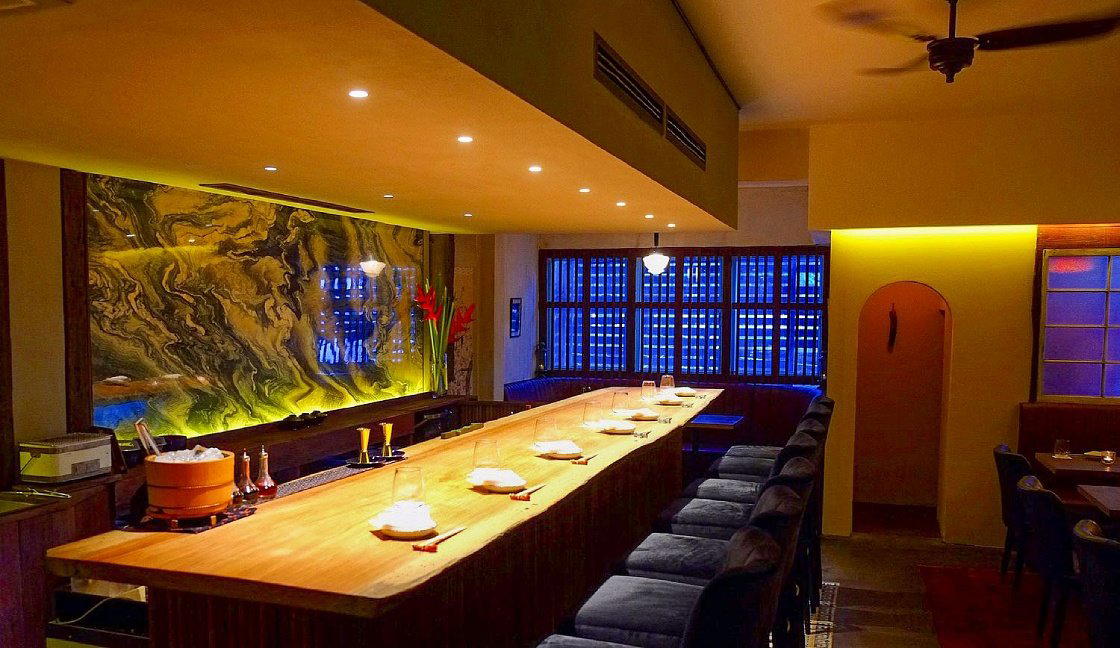
At a Glance
- Cozy
- Intimate
- Casual Hangout
- Open Kitchen
- Local Sourcing
Current opening hours
- Monday
- 10 AM–10 PM
- Tuesday
- 10 AM–10 PM
- Wednesday
- 10 AM–10 PM
- Thursday
- 10 AM–10 PM
- Friday
- 10 AM–10 PM
- Saturday
- 10 AM–10 PM
- Sunday
- 10 AM–10 PM
Hours can change for holidays and private events. Last verified .
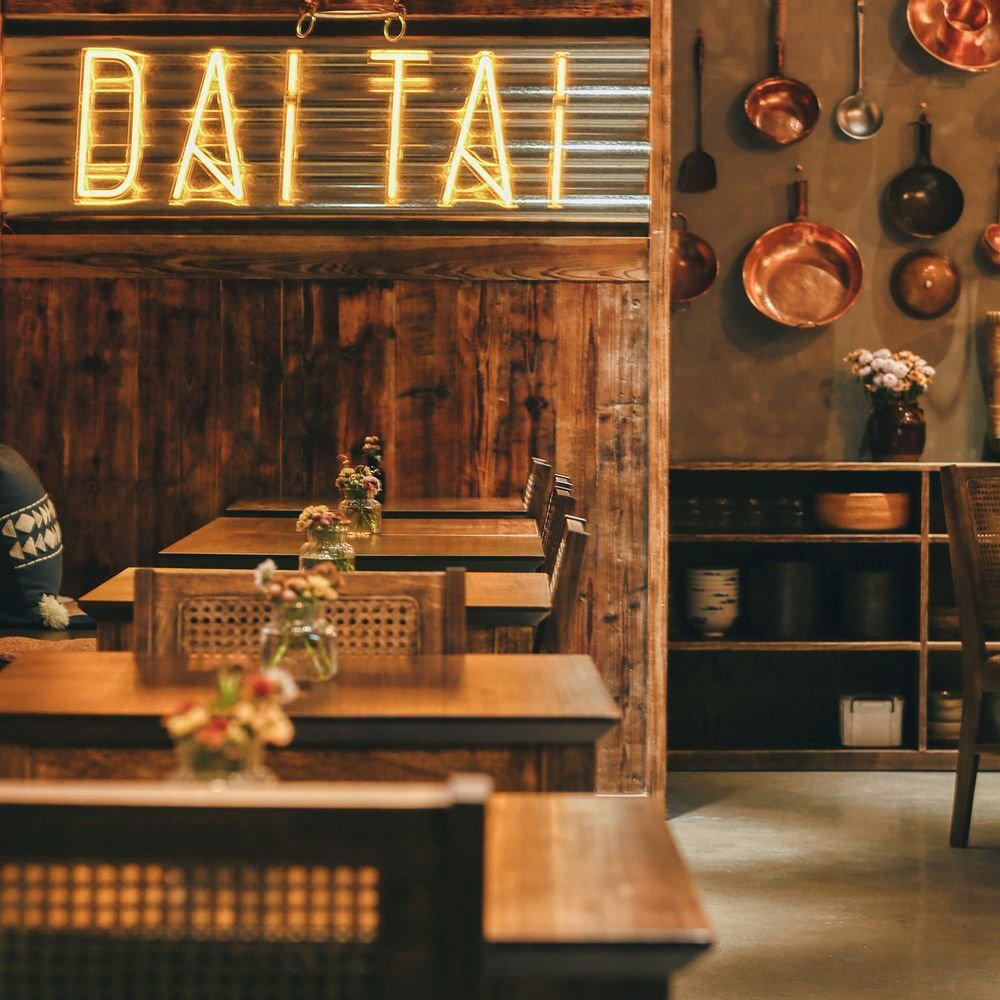
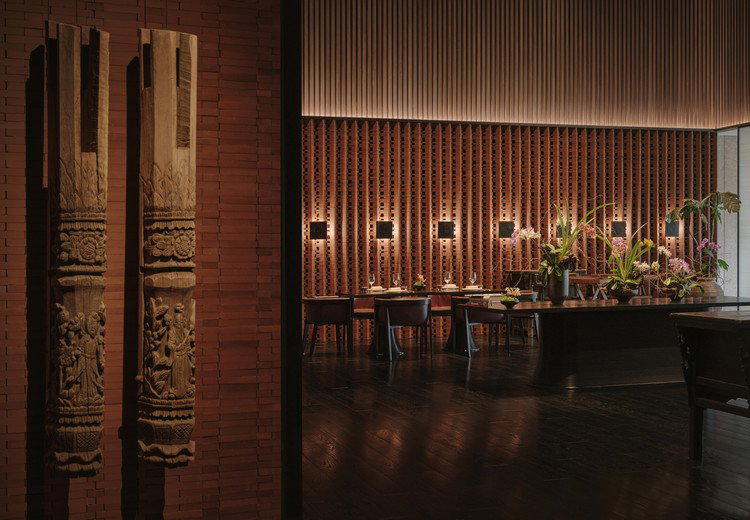
Warm, inviting atmosphere shaped by live cooking, communal energy, and scents from the open kitchen with functional decor.