Xarma Cook & Culture
Our verdict
Xarma Cook & Culture has conflicting public status signals as of the June 22, 2026 audit.
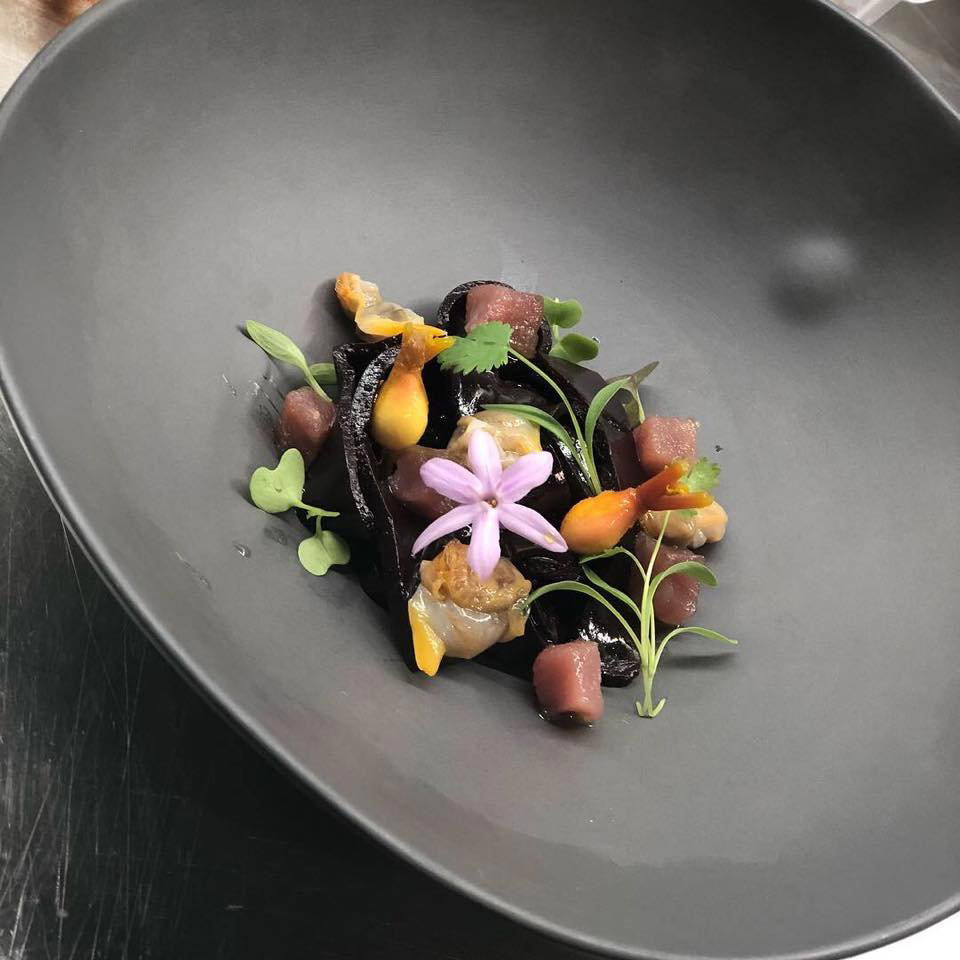
The menu
What to order
- Solomillo Euskaltxerri
- Gilda Sushi
- Roasted suckling pig
Xarma Cook & Culture has conflicting public status signals.
Frequently asked questions
Where is Xarma Cook & Culture located?
Xarma Cook & Culture is located at Miguel Imaz K., 1, 20009 Donostia / San Sebastián, Gipuzkoa, Spain.
How does Xarma Cook & Culture fit into the broader San Sebastián dining scene?
San Sebastián is a demanding dining city, and Xarma positions itself within that scene through an ethical sourcing framework that differentiates it from the city's more classically structured Basque dining houses. For visitors already planning around Donostia's established names, Xarma at Miguel Imaz 1 represents a different register of the same ingredient-first seriousness.
What's a useful thing to order at Xarma Cook & Culture?
Xarma's kitchen is built around Basque ingredient sourcing, so the menu follows seasonal and ethical supply logic rather than a fixed signature dish. The menu follows seasonal and ethical supply logic rather than a fixed signature dish. Visiting without dietary restrictions gives one complete picture of what the restaurant is arguing at any given moment.
Do I need a reservation for Xarma Cook & Culture?
San Sebastián's serious dining rooms operate on tight covers, and Xarma at Miguel Imaz 1 in Donostia is no exception. Booking in advance is recommended. Walk-ins are a risk few visitors to this address should take.
What's the defining dish or idea at Xarma Cook & Culture?
The defining idea at Xarma is sustainability treated as a culinary position rather than a communications strategy. Where some houses apply ethical sourcing as a label, Xarma's cooking in San Sebastián is shaped by it at the ingredient and technique level. That accountability to place and producer is what gives the menu its coherence across seasons.
Can Xarma Cook & Culture handle vegetarian requests?
Basque cuisine is ingredient-driven by tradition, which means a kitchen this focused on sourcing and produce quality is generally equipped to work with plant-based constraints. Contact Xarma directly at the Miguel Imaz address ahead of your visit to confirm current menu flexibility.
The Short List
Comparable venues nearby, for context on price, style, and recognition.
| Venue | Cuisine | Price | Awards | Notes |
|---|---|---|---|---|
| Xarma Cook & CultureThis venue (the venue you are viewing) | Modern Basque Avant-Garde | Not listed | Not listed | Not listed |
| Astelena | Modern Basque | $50–100 | Macarfi 7.8 Food Rating · Guía Repsol 1 Sol | Parte Vieja, Modern Basque |
| Restaurante Gandarias | Traditional Basque Grill & Pintxos | $50–100 | Macarfi 7.5 Food Rating | Old Town, Traditional Basque Grill & Pintxos |
| La Cepa | Traditional Basque Pintxos & Seafood | $30–50 | Not listed | Parte Vieja (Old Town), Traditional Basque Pintxos & Seafood |
| Aldamar Kalea | Traditional Basque Pintxos | $20–30 | Not listed | Old Town (Casco Viejo), Traditional Basque Pintxos |
| El Bistro Ondarreta | Modern French Bistro | $30–50 | Macarfi 7.5 Food Rating | Antiguo, Modern French Bistro |
Continue exploring
More in San Sebastián
Restaurants in San Sebastián
All restaurants in San Sebastián →
Bars in San Sebastián
All bars in San Sebastián →
Details
- Modern
- Trendy
- Special Occasion
- Date Night
- Open Kitchen
- Local Sourcing
- Street Scene
- Tasting Menu
- A La Carte
- Small Plates
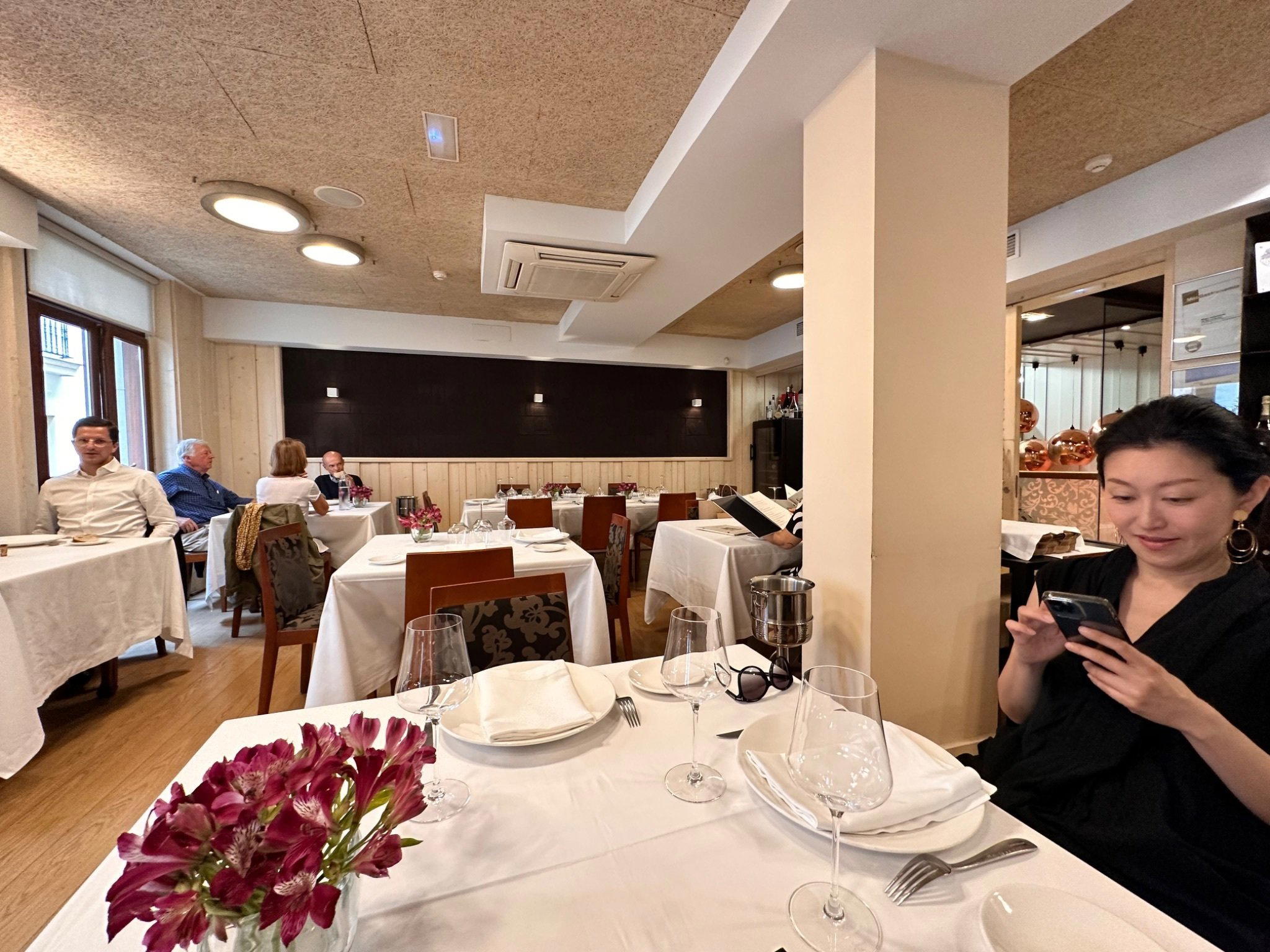
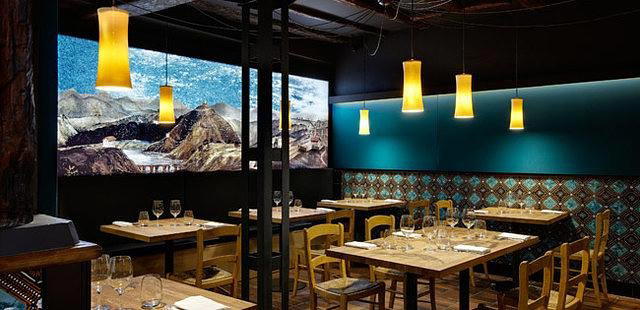
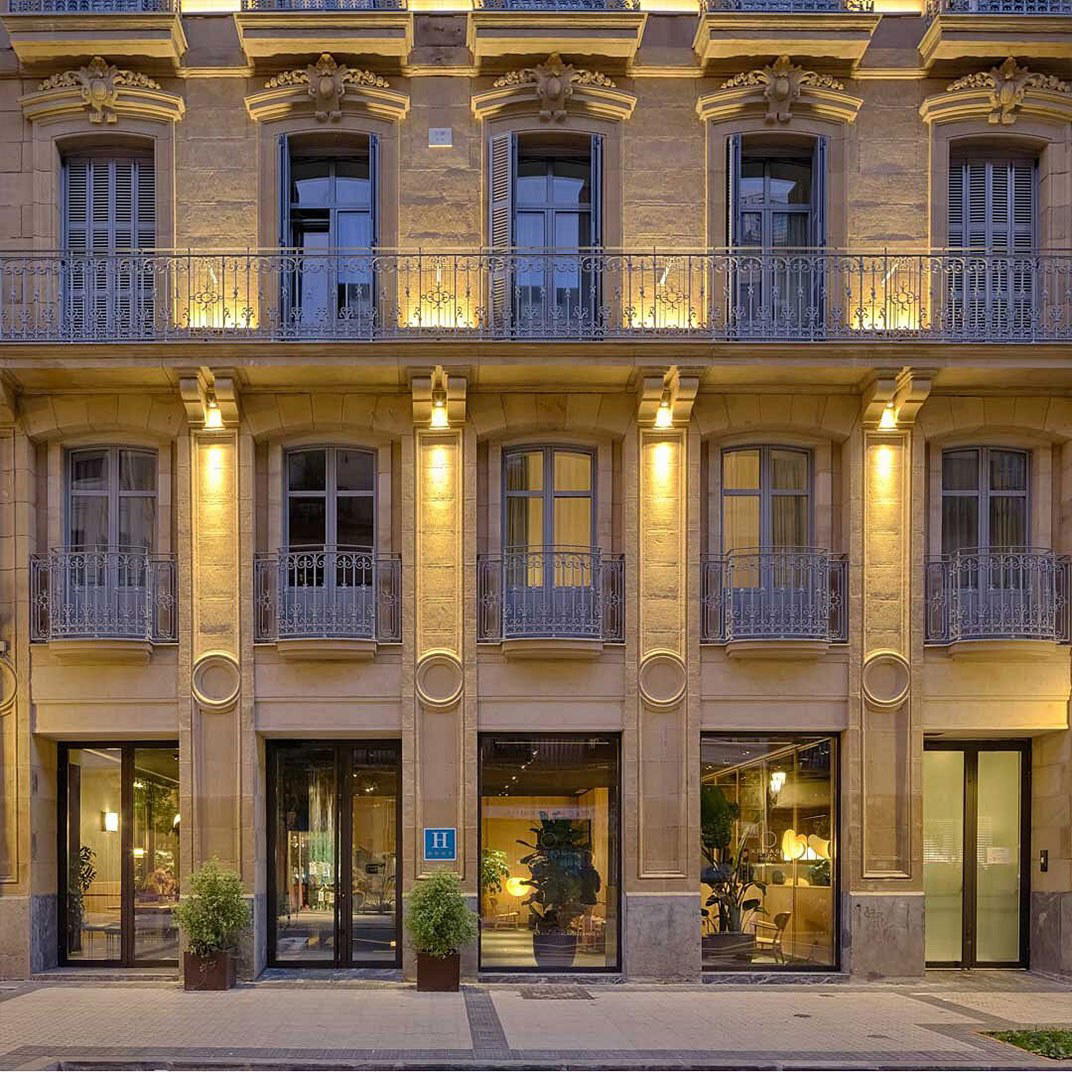
Sleek modern space with personality good taste classic welcoming atmosphere white tablecloths.