Wild Artichokes

Wild Artichokes permanently closed at the end of 2025 after more than a decade in operation, but its shared-table format and generously loaded, Italian-inflected cooking left a lasting mark on Kingsbridge's dining scene. Jane Baxter's kitchen combined accomplished technique with an appealingly domestic register, producing flavour-driven food that rewarded the sociable format it was built around.
- Address
- Unit 1, Centurion Works, Lower Union Rd., Kingsbridge TQ7 1EF, United Kingdom
- Phone
- +44 7376 559078
- Website
- wildartichokes.co.uk
- Directions
- Get directions
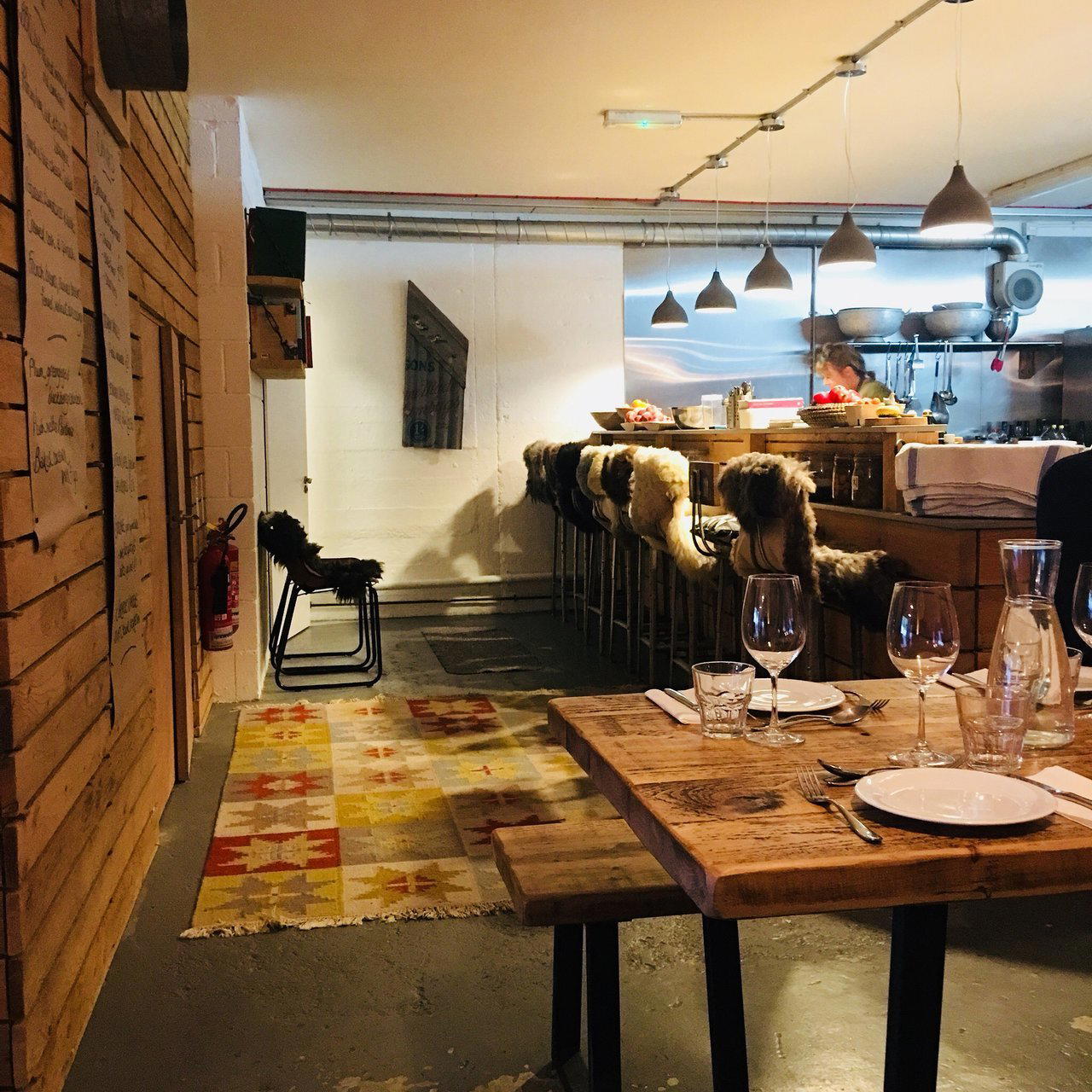
A Back-Alley Institution That Rewrote Kingsbridge Dining
Wild Artichokes closed permanently at the end of 2025 after more than a decade in operation. This Kingsbridge restaurant served British Comfort Food and operated at a casual price tier, with reservations recommended. Its format and philosophy continue to interest anyone thinking seriously about how ambitious cooking survives in small-town Britain.
To reach Wild Artichokes was, in itself, a statement of intent. Unit 1, Centurion Works sits on Lower Union Road among motor repair shops, down a back alley in the working intestines of Kingsbridge, a market town in the South Hams of Devon that most dining guides have historically passed over on the way to somewhere else. The approach told you immediately that the restaurant's logic was not built around footfall or visibility. It was built around the cooking, and around the idea that people willing to seek it out would find something worth the detour. That premise held for over a decade.
The Shared Table as a Structural Argument
The format at Wild Artichokes was deliberate rather than decorative. The shared table arrangement, in which strangers sat together and plates arrived in overlapping waves, carried a clear premise about communal dining. In a country where restaurant formats have progressively individualised, tasting menus structured for pairs, bar counters facing blank walls, timed slots designed for frictionless turnover, the communal table here operated as a small structural argument against that direction.
Across Britain, particularly ambitious provincial restaurants have staked their identity on a particular service format as much as on the food itself. Moor Hall in Aughton and L'Enclume in Cartmel have built destination identities around refined tasting sequences; Hand and Flowers in Marlow has demonstrated that a pub format can carry two Michelin stars without contradiction. Wild Artichokes belonged to a different, rarer category: the restaurant where the format itself is the editorial position, and the food exists to animate it rather than to perform for an audience.
What the Kitchen Actually Did with Ingredients
Jane Baxter's cooking drew heavily on Italian foodways, though not in the way that phrase usually signals. This was not an exercise in regional Italian taxonomy or a celebration of imported pantry prestige. The Italian influence expressed itself in an understanding of how ingredients build on each other across a meal: pasta arriving as an intermezzo rather than a first course, courses loaded generously rather than arranged with sculptural restraint, and secondary ingredients treated with the same seriousness as headline proteins.
The sourcing logic embedded in the menu was legible in the details. Devon and the wider South West supply some of Britain's most consistent seafood and livestock, and the menu reflected that geography: cuttlefish lasagne, black cavatelli with seafood, crab and prawn empanadas, rabbit rillettes, duck crown, veal chops. These are not the hedged, play-it-safe choices of a kitchen trying to satisfy every visitor. They reflect a kitchen that knew what its region produces at a given time of year and built the meal around that reality.
The whipped cod's roe and the mussel, saffron, potato and fennel salad are worth pausing on. Both are structurally simple dishes that depend entirely on ingredient quality and technique. Cod's roe loses texture and flavour rapidly if handled carelessly; mussels and fennel require saffron that has actual potency rather than ceremonial presence. The fact that these dishes carried critical weight, described by reviewers as having layers of resonance, suggests a kitchen sourcing with precision rather than optimism. That kind of ingredient discipline is what separates cooking that reads as domestic in register from cooking that actually is domestic in execution. Baxter's kitchen sat firmly in the former category.
Italian-inflected structure extended to how the meal closed. Three desserts arrived together, not as a choice but as a selection: rhubarb and orange sundae alongside chocolate and ginger pudding with caramel custard alongside pear and almond tart. This approach, familiar in Italian home cooking and in certain Spanish and French regional traditions, presupposes that the end of a meal is collective rather than individual. It is also a practical argument for seasonal sourcing: three desserts spread the kitchen's commitment across multiple ingredients rather than concentrating it in one showpiece.
Monthly Feasting Nights and the Question of Accessibility
Beyond the regular shared-table service, the restaurant ran monthly feasting nights. Events structured around a theme, a larger table allocation, or a different menu format tend to attract a different visitor pattern than regular service, they pull people from further afield and create a booking window that rewards forward planning. For a restaurant operating in a town the size of Kingsbridge, the feasting nights functioned as a periodic amplifier for the restaurant's reputation beyond its immediate catchment.
Provincial British restaurants that have built lasting reputations, Gidleigh Park in Chagford, hide and fox in Saltwood, generally do so by creating events or formats that justify a journey rather than simply serving good food to whoever happens to be nearby. The restaurant understood this, and the feasting night format was part of how it held attention over a decade of operation.
The Wine List: A Candid Assessment
The wine list was short, and reviewers noted directly that more choices by the glass would have been an improvement. This is worth recording accurately rather than diplomatically. A kitchen with Baxter's range, particularly one working across Italian-inflected pasta, Devon seafood, and meat-forward main courses, could support a more developed glass programme without straining the kitchen's logic. The food's flavour density and the communal format both point toward a table that benefits from trying several wines across a meal rather than committing to a single bottle. It is the one area where the practical execution fell short of the kitchen's ambitions.
Where Wild Artichokes Sat in the Broader Picture
Kingsbridge does not have the dining profile of, say, the villages surrounding Le Manoir aux Quat' Saisons in Great Milton or the critical mass that sustains London addresses like The Ledbury or internationally recognised seafood institutions like Le Bernardin in New York City. The restaurant was not competing in that register and showed no interest in doing so. Its competitive comparable set was the small group of independently operated British restaurants that have chosen a specific format and a specific ingredient philosophy and held to both with enough consistency to build a following over years.
For those exploring what Kingsbridge and the South Hams have to offer, Twenty Seven (Modern British) represents the current direction of the town's dining, and the full Kingsbridge restaurants guide maps the broader scene.
The restaurant operated for over ten years in a location that offered no natural advantage and with a format that demanded something from its guests. The food, described by critics as beautiful and flavour-stuffed, carried weight because it was grounded in genuine ingredient discipline and a kitchen that knew its territory. Its closure at the end of 2025 marks the end of a specific kind of restaurant that British provincial dining can ill afford to lose.
In Context: Similar Options
Comparable venues nearby, for context on price, style, and recognition.
| Venue | Cuisine | Price | Awards | Notes |
|---|---|---|---|---|
| Wild ArtichokesThis venue — the venue you are viewing | British Comfort Food | $ | Not listed | Not listed |
| Britannia at The Beach | Fresh Local Seafood Shack | $$ | Not listed | Beesands |
| Twenty Seven | Modern British Fine Dining | $$$ | Michelin Plate | Kingsbridge |
| The Highland Laddie | Modern British Gastropub | $$ | Not listed | Burley |
| The Old Library | Modern British Brunch | $$ | Not listed | Ashburton |
| Village Farm Café | Farm-to-Table British Café | $$ | Not listed | East Portlemouth |
Recognition history
Dated appearances from independent guides and award organizations, with the underlying list record or original source where available.
The Good Food Guide Good Food Guide Best Local Restaurant
The Good Food Guide
The Good Food Guide GFG Very Good
The Good Food Guide
Continue exploring
More in Kingsbridge
Restaurants in Kingsbridge
Browse all →

Bars in Kingsbridge
Browse all →
At a Glance
- Cozy
- Rustic
- Group Dining
- Casual Hangout
- Open Kitchen
Current opening hours
- Monday
- Closed
- Tuesday
- Closed
- Wednesday
- Closed
- Thursday
- 6–10:30 PM
- Friday
- 6–10:30 PM
- Saturday
- 6–10:30 PM
- Sunday
- Closed
Hours can change for holidays and private events. Last verified .
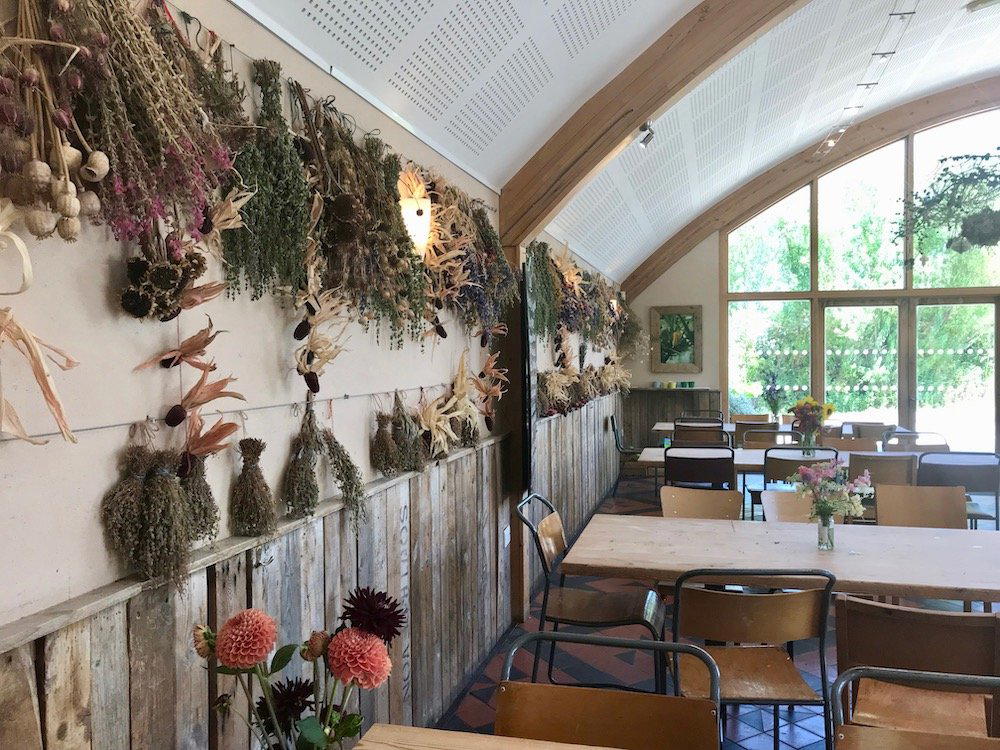
Cozy and comforting atmosphere in a tucked-away industrial warehouse setting