


Star Wine List · White Guide Sweden Restaurants - Fine Level · We're Smart World 3 Radishes
Our verdict
Växthuset occupies a distinct corner of Stockholm's plant-forward dining scene, pairing ingredient-led, no-frills cooking with biodynamic wines, in-house blends, and fermentations. The atmosphere runs deliberately loose — humour and ease over ceremony — which sets it apart from the tasting-menu formality that defines much of the city's upper tier. A Star Wine List White Star recognition signals the drinks program is taken seriously.

Pearl is the En Primeur Club membership app — saves, bookings, and concierge access live there. Same editors, same standards.
- Address
- Hammarby Slussväg 2, 118 60 Stockholm, Sweden
- Phone
- 08-644 20 33
- Website
- restaurangvaxthuset.se
- Directions
- Get directions
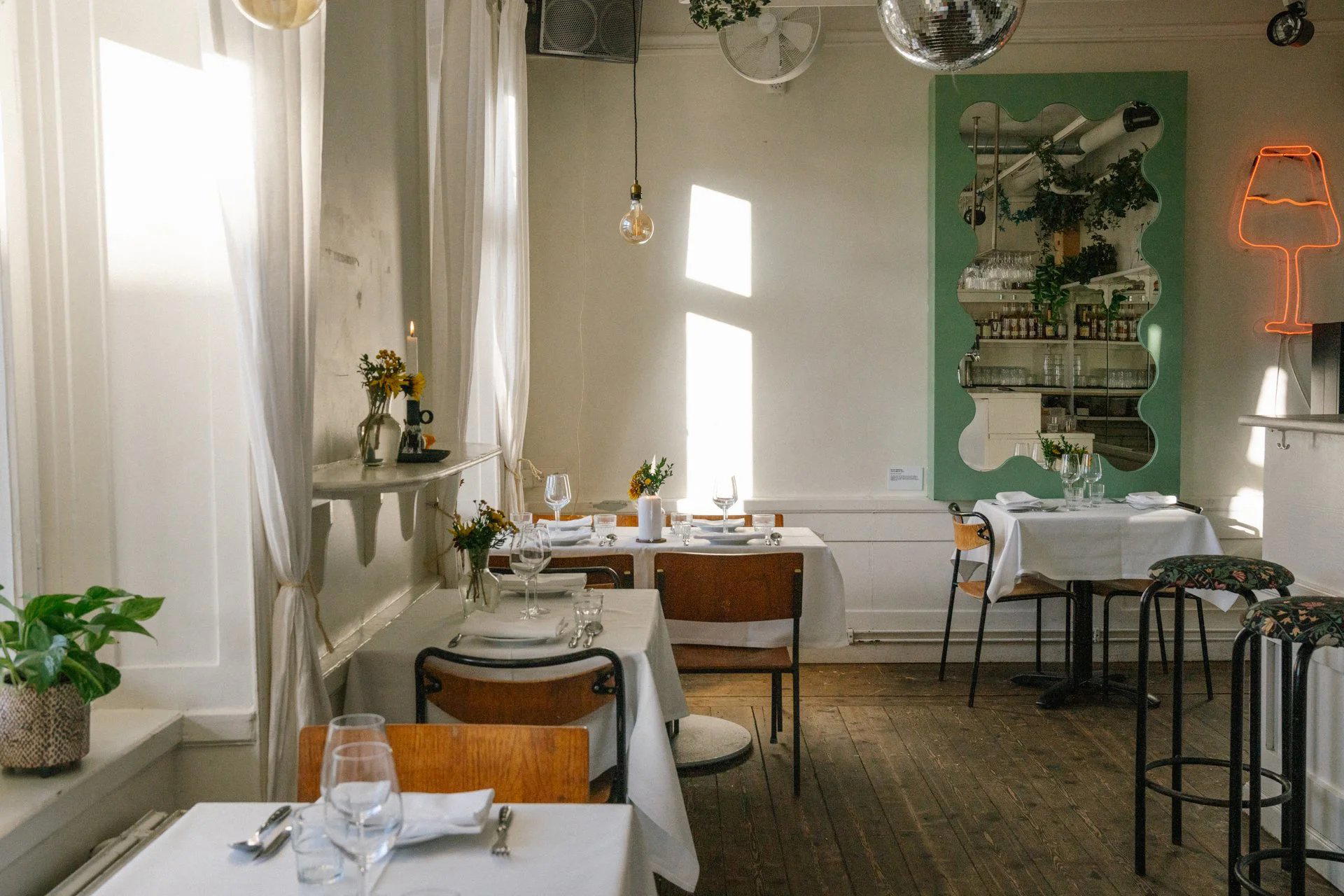
Where Stockholm's Plant-Forward Cooking Drops the Ceremony
Stockholm's serious dining scene has, for much of the past decade, organised itself around precision and formality. The city's high-end tier — places like Frantzén, AIRA, and Aloë — runs on structured service, multi-course progression, and a reverence for Nordic produce that can tip into the devotional. That register works. But it leaves a gap for something looser: cooking with the same seriousness of ingredient but none of the theatre. Växthuset, sitting on Hammarby Slussväg in Södermalm, occupies that gap.
Approaching the address, the neighbourhood itself signals the register. Hammarby is industrial-inflected, post-waterfront, without the polished sheen of Östermalm or the tourist density of Gamla Stan. The dining room follows suit: the atmosphere, as documented in its Star Wine List listing, runs on humour and ease rather than hushed reverence. That atmosphere isn't incidental, it's the frame through which the food and drink are meant to be received.
Menu Architecture: Pure Plant, No Frills, No Apology
The menu at Växthuset is structurally unusual within Stockholm's current scene because it commits fully to plant-based cooking without positioning itself as a wellness or health-led concept. The distinction matters. Plant-based tasting menus in northern Europe often arrive with a certain earnestness, a pedagogical tone about sustainability or personal ethics. Växthuset's documented approach strips that away. The phrase attached to its cooking in the Star Wine List record is direct: pure plant and no frills.
What that phrase describes architecturally is a menu that doesn't try to replicate meat-based structures or compensate for absence. It reads as a complete statement in itself. This places Växthuset in a small but growing cohort of European plant-forward restaurants that treat vegetables, ferments, and plant-derived textures as sufficient, not substitutes, an approach that separates them from the mainstream vegetarian register and aligns them more closely with the fermentation-driven creativity seen at places like Adam / Albin, even if the tonal register differs considerably.
The absence of listed signature dishes in the available record is, in this case, consistent with a format that likely rotates with season and availability. Stockholm's plant-focused kitchens tend to work this way, the menu is a product of what's currently harvestable or fermented to readiness, not a fixed canon. For diners used to researching exactly what they'll eat before they arrive, that requires a different mode of engagement.
The Drinks Program: Biodynamic Wines and In-House Fermentation
The drinks list at Växthuset received a White Star recognition from Star Wine List, published in December 2021. That credential places the program among Stockholm lists that have been assessed for technical quality, range, and alignment with the restaurant's identity, not merely for breadth of label selection.
Documented structure of the list includes biodynamic wines, in-house blends, and fermentations. Taken together, that combination signals a particular philosophy: the drinks program isn't sourced from a conventional distributor catalogue and applied to the food. It's built from the same low-intervention, process-attentive logic that the kitchen operates on. Biodynamic viticulture and in-house fermentation share methodological ground, both treat the transformation of plant material as a process to be supported rather than controlled. The in-house blends are the most telling element: they suggest creative investment in the drinks that goes well beyond wine-by-the-glass curation.
Stockholm's natural and biodynamic wine scene has grown considerably since 2018, and several of the city's restaurants now carry lists that would have been marginal a decade ago. The White Star recognition at Växthuset puts its program in the upper tier of that movement within the city. For comparison, the highest-profile wine programs in Stockholm, at Operakällaren, for instance, tend toward classical cellar depth and conventional production. Växthuset operates from the opposite premise and carries equal documentary credibility for doing so.
Positioning in Stockholm and the Wider Swedish Scene
Växthuset sits below the €€€€ bracket that defines Stockholm's most formal dining tier. Växthuset's documented identity, relaxed atmosphere, humour, no-frills cooking, places it in a different bracket by disposition, not just by price. It's closer in spirit to the casual-serious format that has become increasingly common in Nordic capitals: technically considered food served without ceremony, in a room that doesn't insist on the occasion.
Within the broader Swedish restaurant geography, the country's most formally recognised addresses tend to sit outside Stockholm entirely: Vollmers in Malmö, VYN in Simrishamn, ÄNG in Tvååker, Knystaforsen in Rydöbruk, Signum in Mölnlycke, and PM & Vänner in Växjö all carry significant regional recognition. Stockholm's role in the Swedish dining story is less about singular destination restaurants and more about the density and diversity of its offering. Växthuset fits the city's pluralism, it represents an approach to eating that wouldn't exist in the same way outside an urban centre with the critical mass of ingredient-focused producers, natural wine importers, and an audience prepared to engage with plant cooking on its own terms.
For travellers approaching Stockholm's dining scene from the outside, the useful comparison isn't with Växthuset's high-end neighbours but with plant-forward restaurants in other northern European cities. The format, casual room, fermentation-attentive drinks, pure plant cooking, has close equivalents in Copenhagen and Oslo, where the same post-New Nordic loosening has produced similar addresses. What distinguishes the Stockholm version is the particular dry humour of the city's hospitality culture, which the documented atmosphere at Växthuset reflects directly.
Those looking to build a fuller picture of Stockholm's dining and hospitality offer can consult our full Stockholm restaurants guide, hotels guide, bars guide, wineries guide, and experiences guide. For reference points further afield on the plant-forward and drinks-serious spectrum internationally, Le Bernardin in New York City and Emeril's in New Orleans represent the contrast: large-format, classically structured programs that operate from a fundamentally different set of premises.
Know Before You Go
- Address: Hammarby Slussväg 2, 118 60 Stockholm, Sweden
- Recognition: Star Wine List White Star (listed December 2021)
- Drinks: Biodynamic wines, in-house blends, fermentations
- Menu approach: Pure plant, no-frills format
- Atmosphere: Casual, humour-forward, low-ceremony
Frequently asked questions
Is Växthuset a family-friendly restaurant?
The relaxed, humour-forward atmosphere documented at Växthuset is accessible to most diners. That said, the menu commits entirely to pure plant cooking with no concessions, so the decision really comes down to whether everyone at the table is on board with that format before you arrive.
Is Växthuset better for a quiet night or a lively one?
The documented atmosphere sits firmly on the lively side: loose, humour-driven, and deliberately stripped of ceremony. If hushed precision is what you're after, Stockholm's formal tier — Frantzén and its peers — handles that. Växthuset is designed around a different register entirely.
Does Växthuset have a Michelin star or similar recognition?
Växthuset has received recognition including: Växthuset is a restaurant in Stockholm, Sweden. It was published on Star Wine List on December 2, 2021 and is a White Star.; Nice gang here at Växthuset. Everything happens in a very relaxed atmosphere and with humour. The creations pure pl….
What do regulars order at Växthuset?
The menu is built on pure plant cooking without fixed showpiece dishes, so what's in front of you on a given night is the point. The drinks program, which earned a White Star from Star Wine List in December 2021, is worth treating as seriously as the food — the in-house fermentations and biodynamic wines are integral to how the meal works, not an afterthought.
How do I find Växthuset?
Växthuset is located at Hammarby Slussväg 2, 118 60 Stockholm, Sweden, Stockholm.
Do they take walk-ins at Växthuset?
No booking policy is publicly documented for Växthuset. In Stockholm's casual-serious tier, that typically means walk-ins are possible on quieter weekday evenings but less reliable on weekends. The address is Hammarby Slussväg 2; arriving early in the evening is the safest approach if you haven't reserved ahead.
Recognition Snapshot
A quick peer check to anchor this venue’s price and recognition.
| Venue | Cuisine | Price | Awards | Notes |
|---|---|---|---|---|
| VäxthusetThis venue — the venue you are viewing | Modern Vegan Scandinavian Fine Dining | $100–150 | Star Wine List · White Guide Sweden Restaurants - Fine Level | Not listed |
| Operakällaren | Modern Scandinavian Fine Dining | $150–200 | 1 Michelin Star · World's 50 Best #27 | Swedish, Modern Cuisine |
| AIRA | Modern Nordic Seasonal Tasting Menu | $200–300 | 2 Michelin Stars · La Liste Top Restaurants | Modern European, Modern Cuisine |
| Adam / Albin | Modern Scandinavian Fine Dining | $100–150 | 1 Michelin Star · La Liste Top Restaurants | New Nordic |
| Ekstedt | Wood-Fire Nordic Fine Dining | $200–300 | 1 Michelin Star · La Liste Top Restaurants | Progressive Asador, Grills |
| Etoile | Creative International Fine Dining | $300–500 | 1 Michelin Star · Star Wine List | Contemporary French, Creative |
Recognition history
Dated appearances from independent guides and award organizations, with the underlying list record or original source where available.
Star Wine List
Star Wine List
White Guide Sweden Restaurants - Fine Level
White Guide
We're Smart World 3 Radishes
We're Smart World
Continue exploring
More in Stockholm
Restaurants in Stockholm
Browse all →
Bars in Stockholm
Browse all →
Details
- Cozy
- Modern
- Intimate
- Trendy
- Date Night
- Special Occasion
- Standalone
- Natural Wine
- Local Sourcing
- Tasting Menu
- Vegan Options
- Vegetarian Friendly
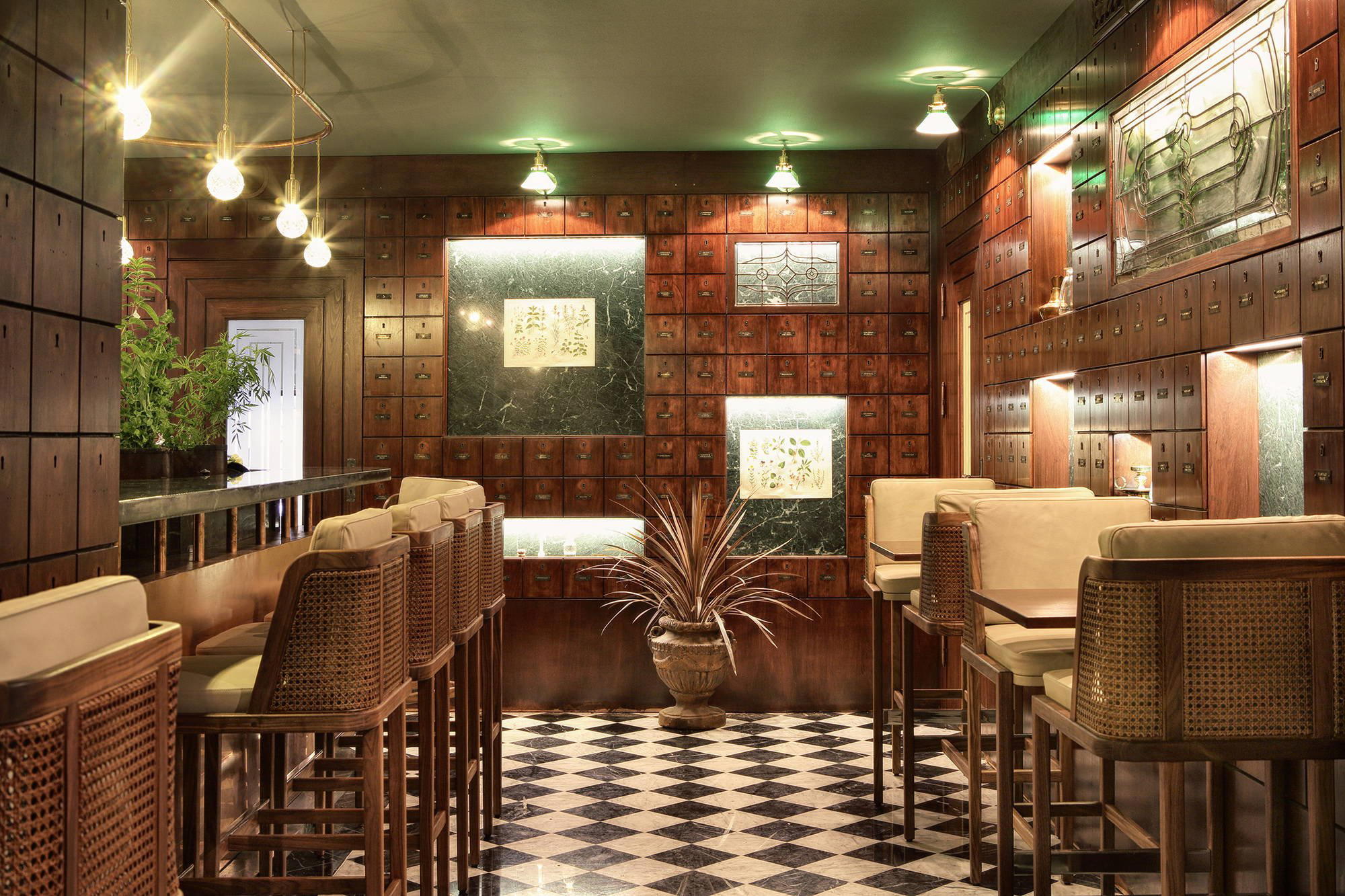
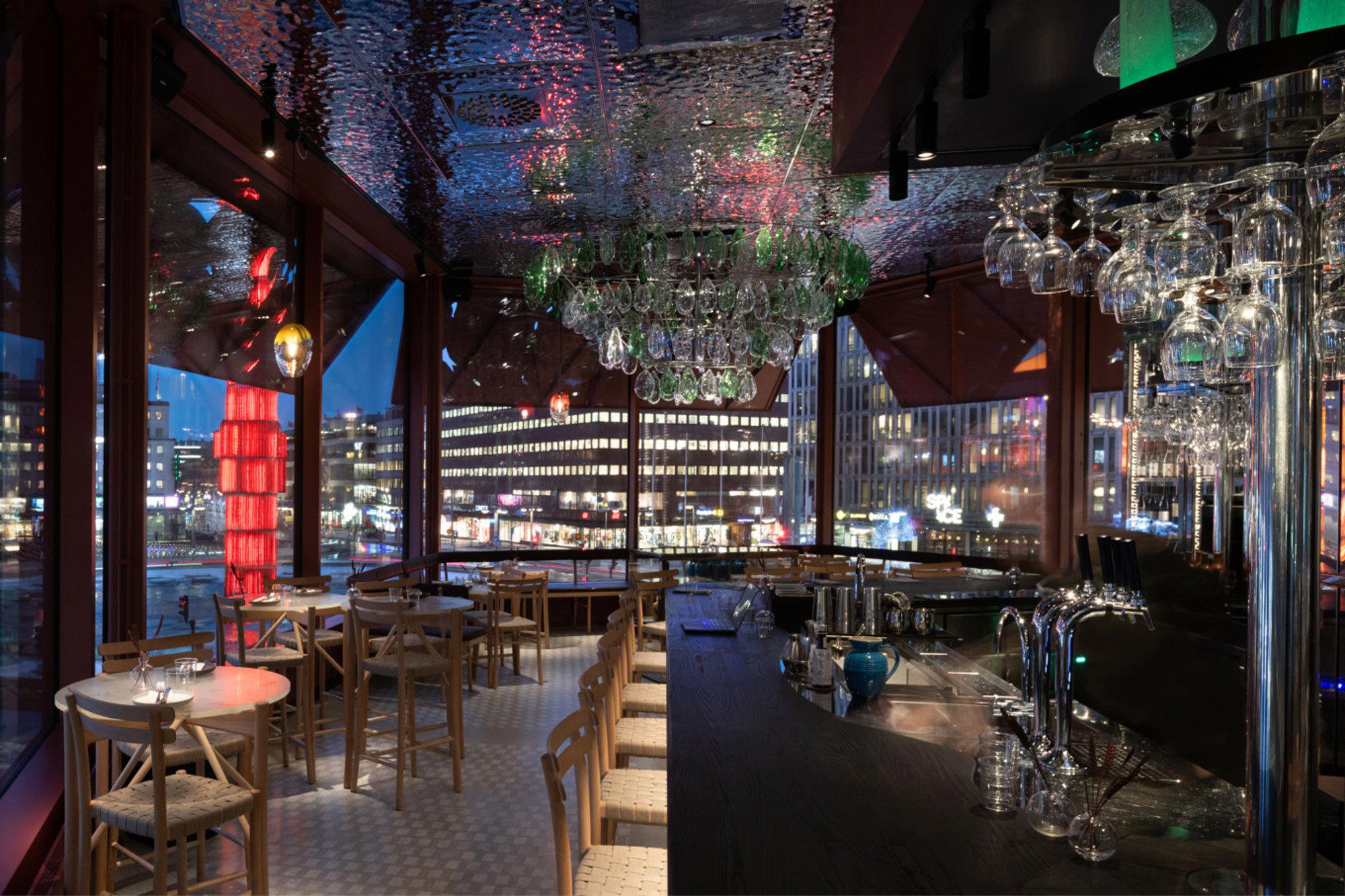
Cozy and intimate with small pocketed dining rooms, kitschy nightclub vibe, chill and relaxed atmosphere.