Our verdict
Áurea Restaurant sits on Lisbon’s Baixa grid, where downtown dining is shaped by hotel lobbies, tiled streets, office traffic, and visitors moving between Chiado, Rossio, and the river. With no public tasting-menu structure, chef billing, awards, or price range attached, it reads as a city-centre dining option to assess by occasion, location, and format rather than trophy credentials.

Pearl is the En Primeur Club membership app, where members save venues, book tables and use the concierge.
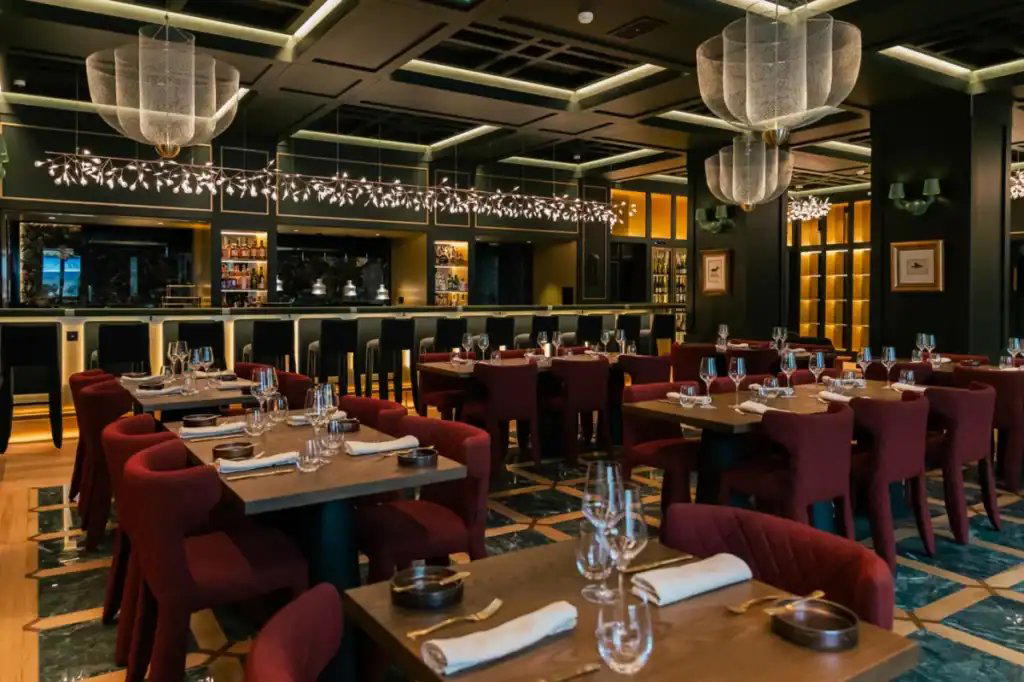
The menu
What to order
- A Cod Salad
- Raviolo with Portuguese flavours and Carabineros
- Suckling pig with stewed peas and pepper sauce
Lisbon announces itself before the table does: stone pavements, tramlines, gridded blocks, and the steady movement between civic squares, shopping streets, and the riverfront. Áurea Restaurant belongs to that city rhythm. Its lobby-level position places it inside a part of Lisbon where restaurants often serve two audiences at once: travellers who want a meal close to the centre, and locals or office diners using the city as a meeting point rather than a destination dining district.
That matters because Lisbon dining is not a single category. The city’s serious restaurant culture now runs from high-concept Portuguese cooking to petiscos counters, hotel dining rooms, breakfast rooms with international pacing, and neighbourhood taverns that trade on regulars rather than ceremony. A Lisbon setting sits closer to the practical centre of that spectrum than to the experimental edge. For a broader read on the city’s range, use Our full Lisbon restaurants guide, then compare the city-centre spread against Our full Lisbon hotels guide, Our full Lisbon bars guide, Our full Lisbon wineries guide, and Our full Lisbon experiences guide.
Lisbon dining is shaped by access, not chef mythology
Lisbon’s core rewards restaurants that understand timing. Lunch can be transactional, early evening can be full of guests recalibrating after arrival, and dinner can split between casual plates and longer-form rooms elsewhere in the city. Áurea Restaurant sits in that access-led category. The available facts do not attach it to a named chef or a declared cuisine type, so the editorial read should be disciplined: judge it as part of Lisbon’s practical dining fabric, not as a destination built around a public culinary manifesto.
That restraint is useful. Lisbon has enough restaurants where the selling point is explicit: some occupy a more authored creative lane, while others signal an international fine-dining frame through their positioning alone. Alma, in the comparison set, also belongs to Lisbon’s more explicitly creative restaurant conversation. Áurea Restaurant is better understood against the central meal question: how formal does the occasion need to be, how far should the table sit from the day’s route, and how much culinary authorship is the diner seeking?
In Lisbon, older snack-bar logic and tourist-centre convenience coexist. Fabulas and A Tendinha do Rossio sit in the same Lisbon conversation for centrality, while Dear Breakfast - Chiado shows how the city also absorbs all-day international formats. Oven points to another truth about the city: central Lisbon is no longer only about a narrow set of traditional dishes. The modern centre is mixed, practical, and commercially dense.
Portuguese context without forcing a tasting-menu frame
Portuguese restaurant culture is unusually sensitive to format. A tasca is not judged by the same criteria as a chef’s counter; a hotel dining room is not competing on the same terms as a late-night cervejaria; a neighbourhood petiscos address carries a different social contract from a multi-course creative room. Without a published cuisine type or signature dishes, Áurea Restaurant should not be inflated into a definitive statement about Portuguese cooking. Its relevance is narrower and more useful: a Lisbon room in a city where location often determines the meal as much as the menu.
For diners building a Portugal itinerary, this distinction helps. Lisbon’s polished restaurant circuit can be paired with regional stops where the context changes completely: coastal dining rooms, river-valley restaurants, town-centre taverns, and hotel-linked addresses all show how dramatically Portuguese dining shifts by region, coast, river valley, and town scale.
The useful Lisbon comparison is not only domestic. Travellers increasingly plan meals by format across cities: a bar-led stop, a casual snack specialist, a creative counter, or a hotel-adjacent room in Lisbon. Those formats belong in the same planning universe, even when the cuisines differ. The decision is less “which city has the grander restaurant” and more “what role does this meal play in the day?”
How to place it in a Lisbon itinerary
Áurea Restaurant is most convincing as a Lisbon convenience play with a formal indoor setting, not as a trophy reservation. Pair it with sightseeing, a hotel stay in the city, or an evening that continues elsewhere in Lisbon. Diners seeking a more explicitly creative Lisbon meal should compare it with Alma and with other concept-driven addresses across the city.
The editorial verdict is deliberately practical: use Áurea Restaurant when centrality and ease matter more than chef-name recognition or a clearly defined tasting-menu proposition. In Lisbon, that can be a legitimate choice. The city’s dining culture is built as much on well-timed, well-placed meals as on headline rooms, and Lisbon remains one of the clearest tests of that truth.
Frequently asked questions
Does Áurea Restaurant work for a family meal?
Yes, Áurea Restaurant can work for a family meal if the group wants a Lisbon setting. The lobby-level location also makes it practical for mixed-age groups moving through the city.
What is the atmosphere like at Áurea Restaurant?
The setting is lobby-level rather than street-side, which usually gives it a more composed indoor feel. Its Lisbon location means the mood is shaped by convenience and ease.
What's Áurea Restaurant's location?
Lisbon.
Should I book Áurea Restaurant in advance?
Planning ahead is sensible for a restaurant in Lisbon. The city location makes it an easy choice for sightseeing meals, which can concentrate demand around lunch and early evening.
Cost and Credentials
Nearby venues at a similar price tier for orientation.
| Venue | Cuisine | Price | Awards | Notes |
|---|---|---|---|---|
| Áurea RestaurantThis venue (the venue you are viewing) | Seasonal Portuguese fine dining | $50–100 | Not listed | Not listed |
| Fabulas | Traditional Portuguese with Vegan Options | Not listed | Not listed | Not listed |
| A Tendinha do Rossio | Traditional Portuguese Petiscos | $1–10 | Not listed | Not listed |
| Alma | Creative | Not listed | La Liste Top Restaurants · Falstaff Restaurant - 96 Falstaff Points | Not listed |
| Dear Breakfast - Chiado | All-Day Breakfast & Brunch | $10–20 | Not listed | Not listed |
| Oven | Modern Indian-Nepalese Tandoor | $20–30 | Michelin Plate · Wine Spectator Best of Award of Excellence | Nepali |
Continue exploring
More in Lisbon
Restaurants in Lisbon
All restaurants in Lisbon →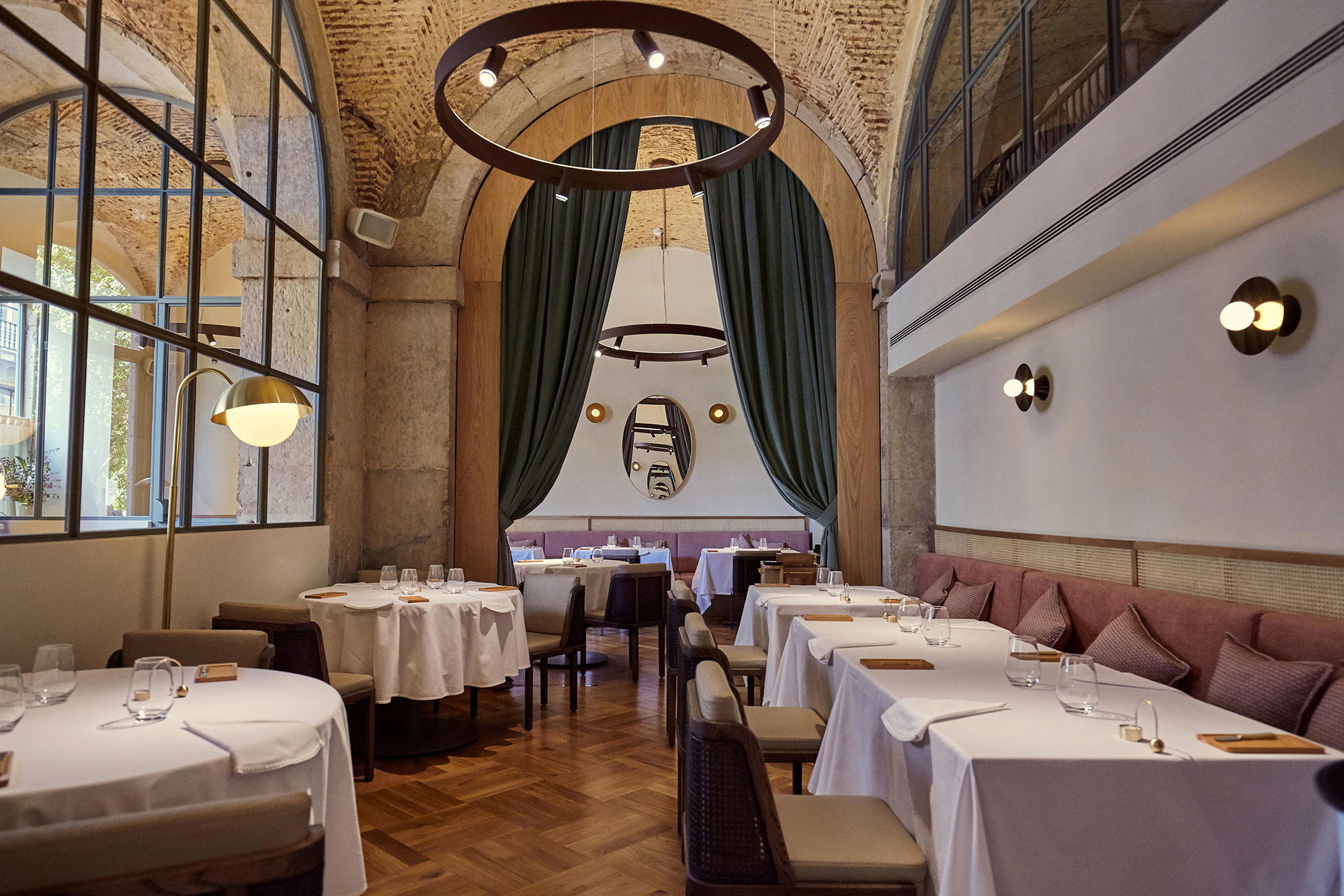
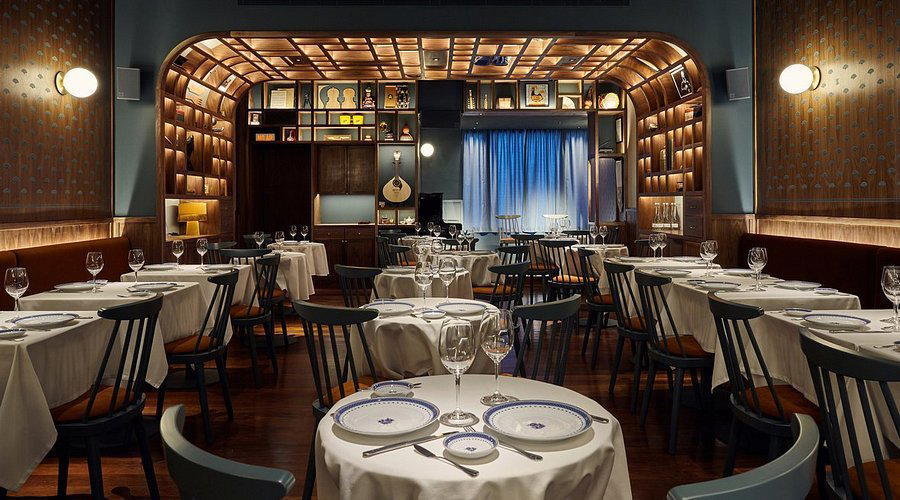
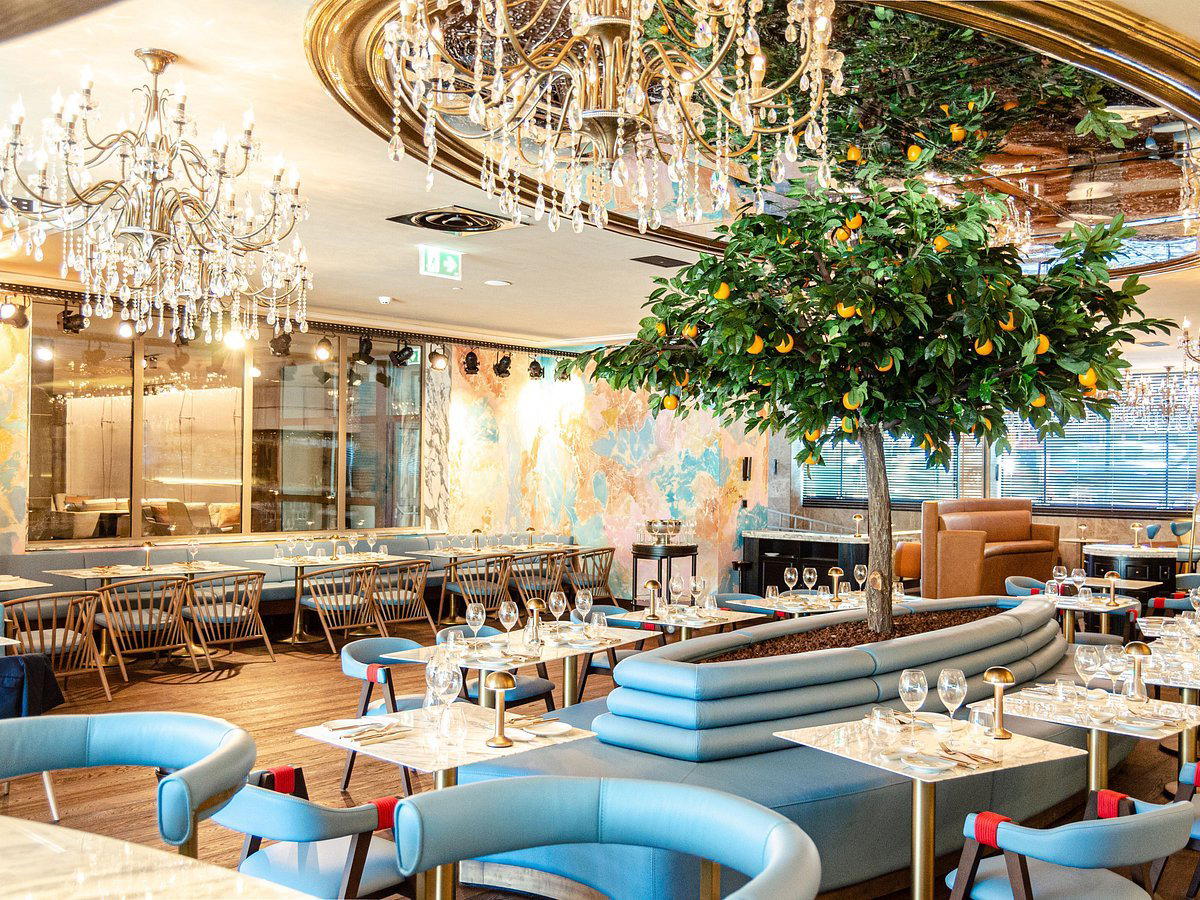
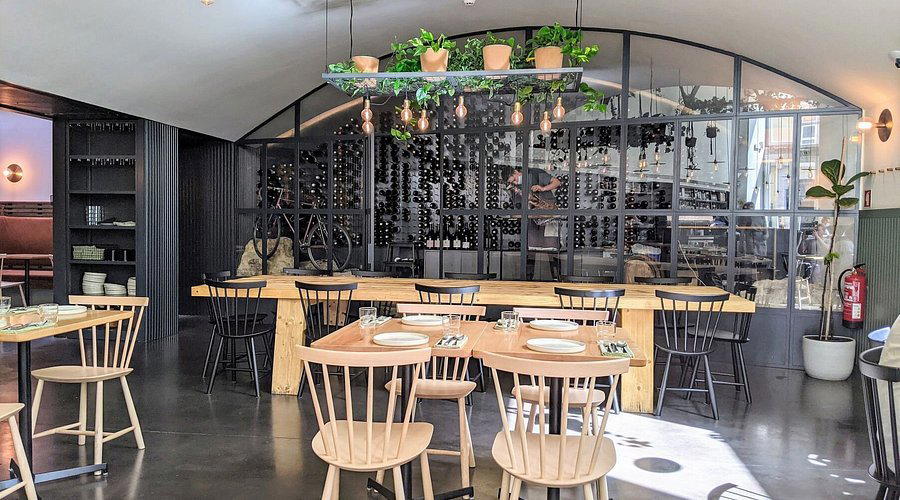
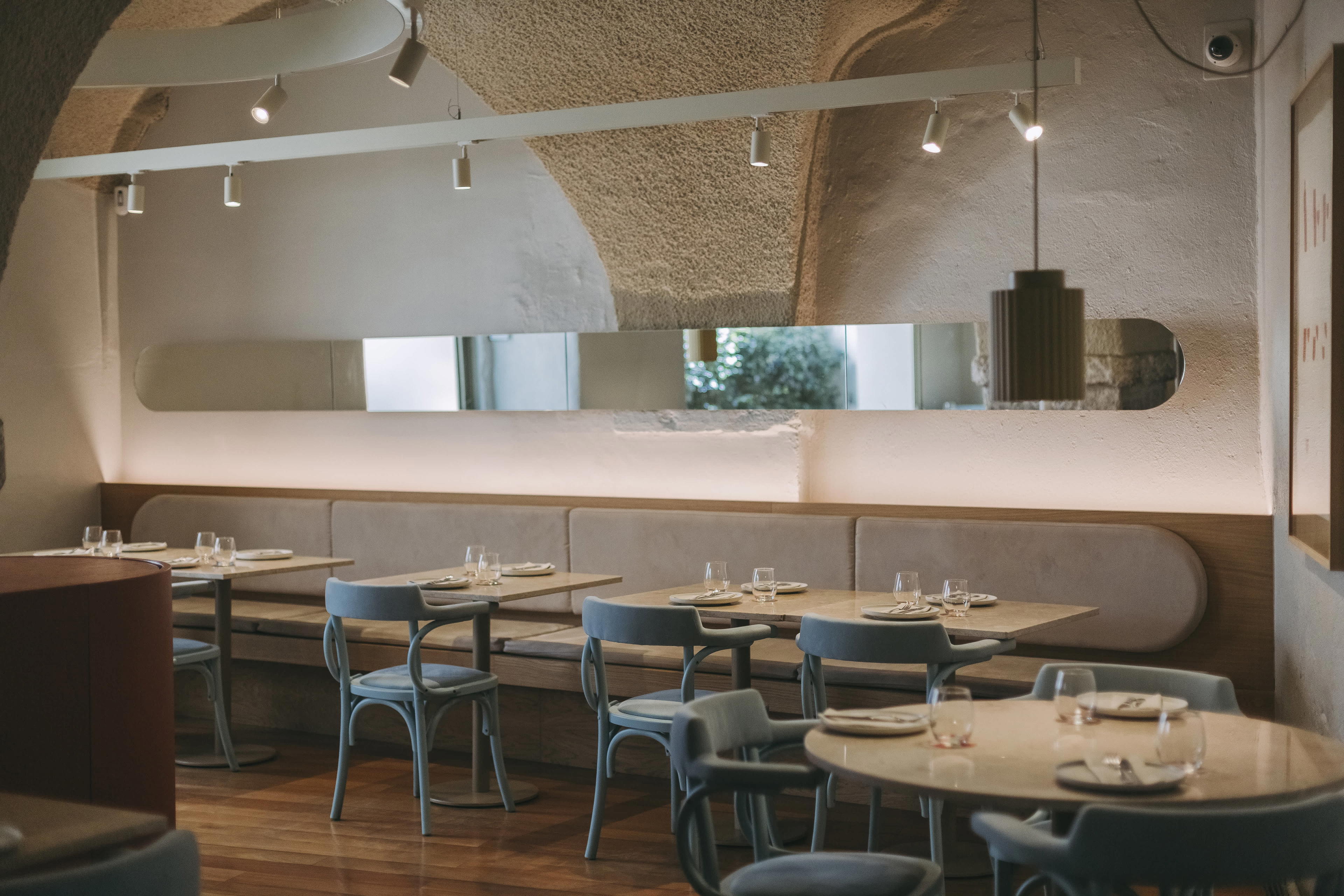
Bars in Lisbon
All bars in Lisbon →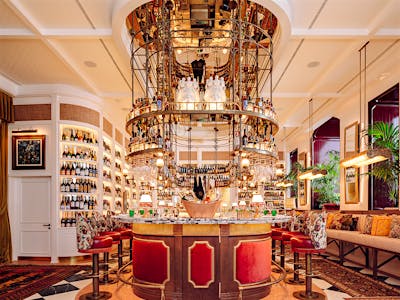
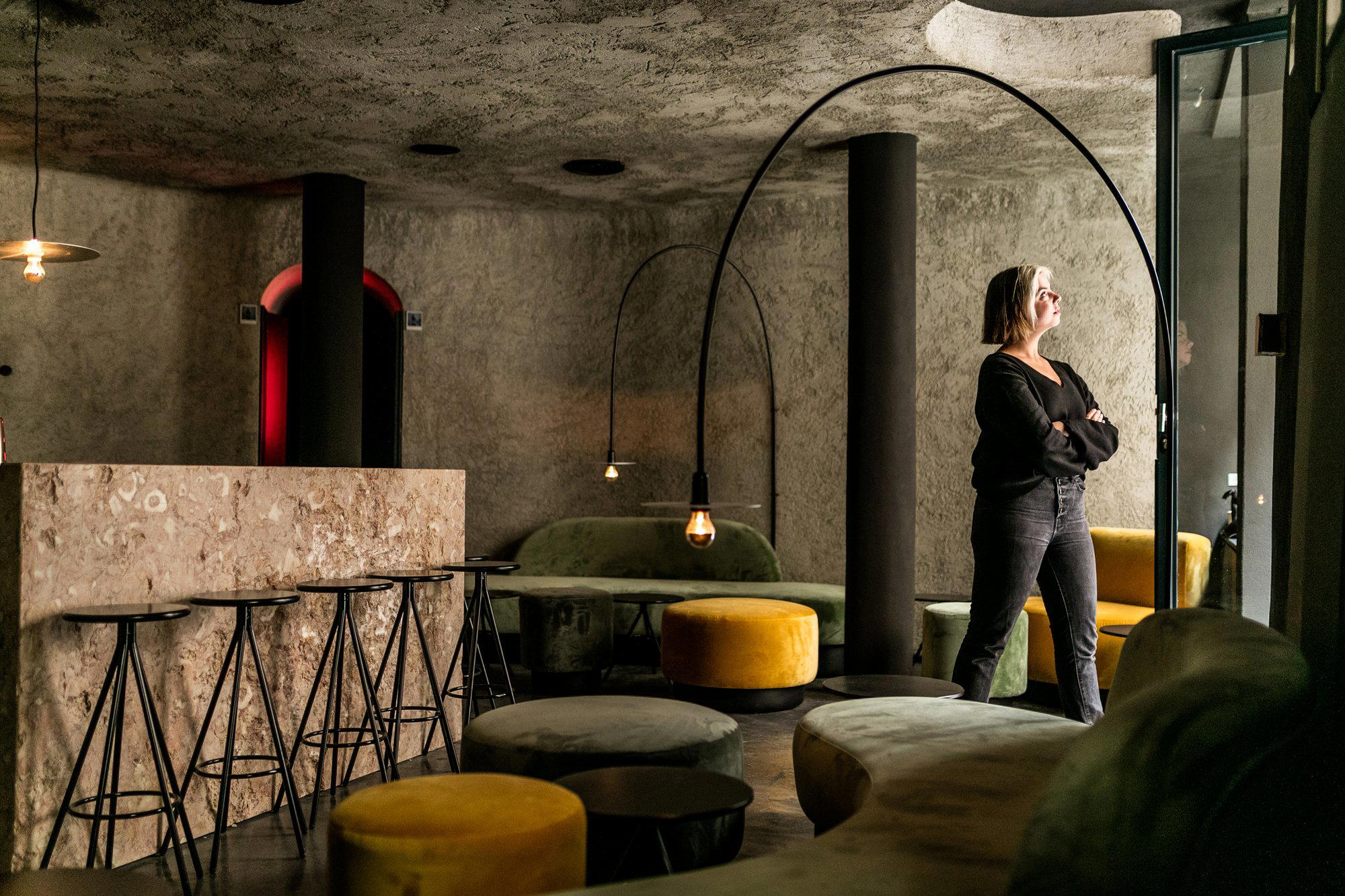

Details
- Elegant
- Modern
- Sophisticated
- Cozy
- Date Night
- Business Dinner
- Group Dining
- Celebration
- Special Occasion
- Design Destination
- Hotel Restaurant
- Historic Building
- Extensive Wine List
- Craft Cocktails
- Local Sourcing
- Farm To Table
- Tasting Menu
- A La Carte
- Wine
- Cocktails
- Gluten Free Options
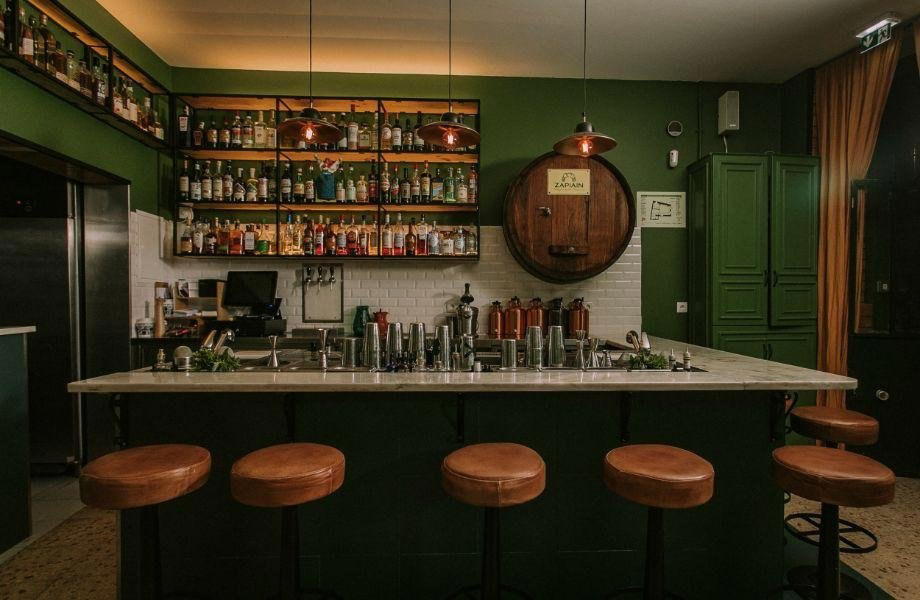
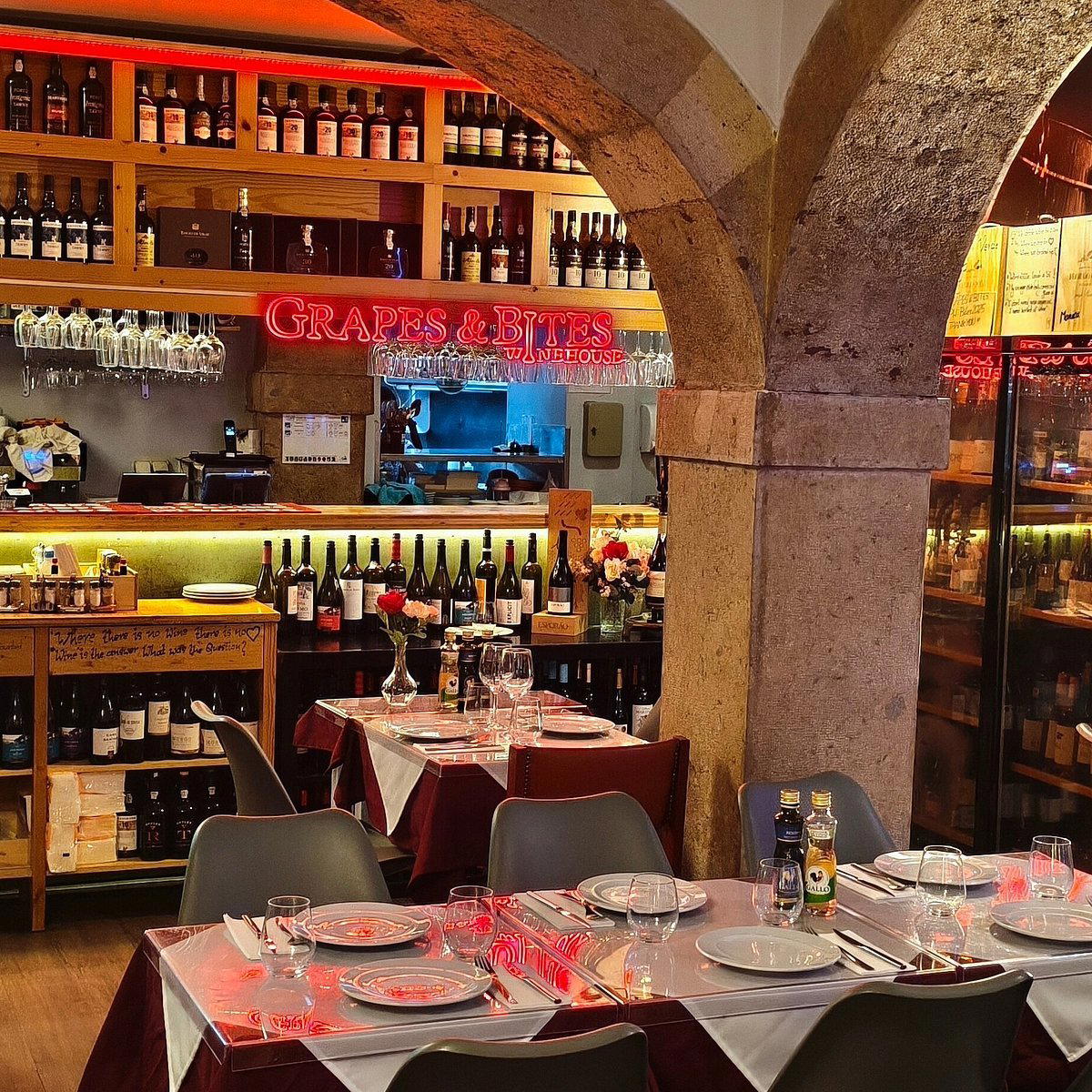
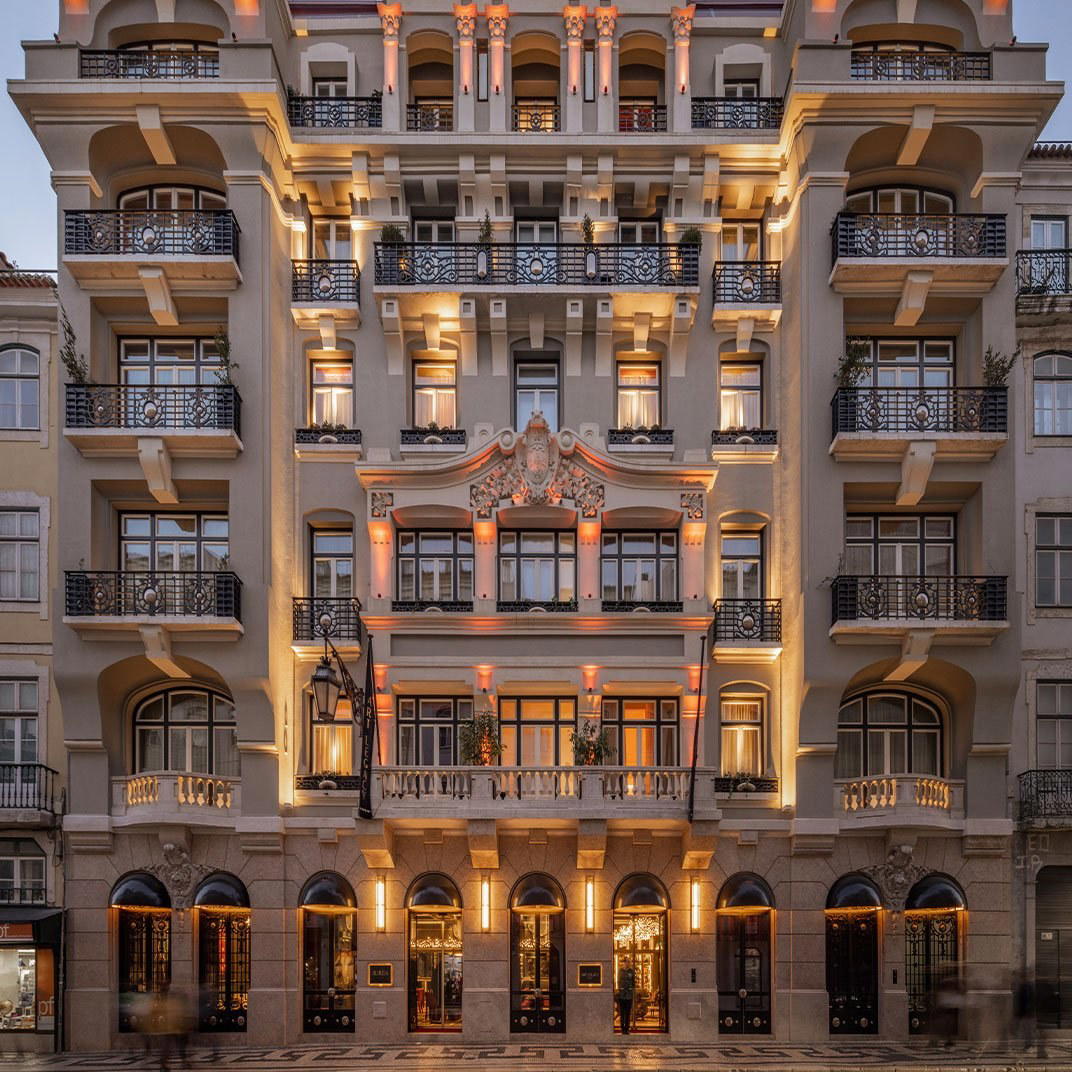
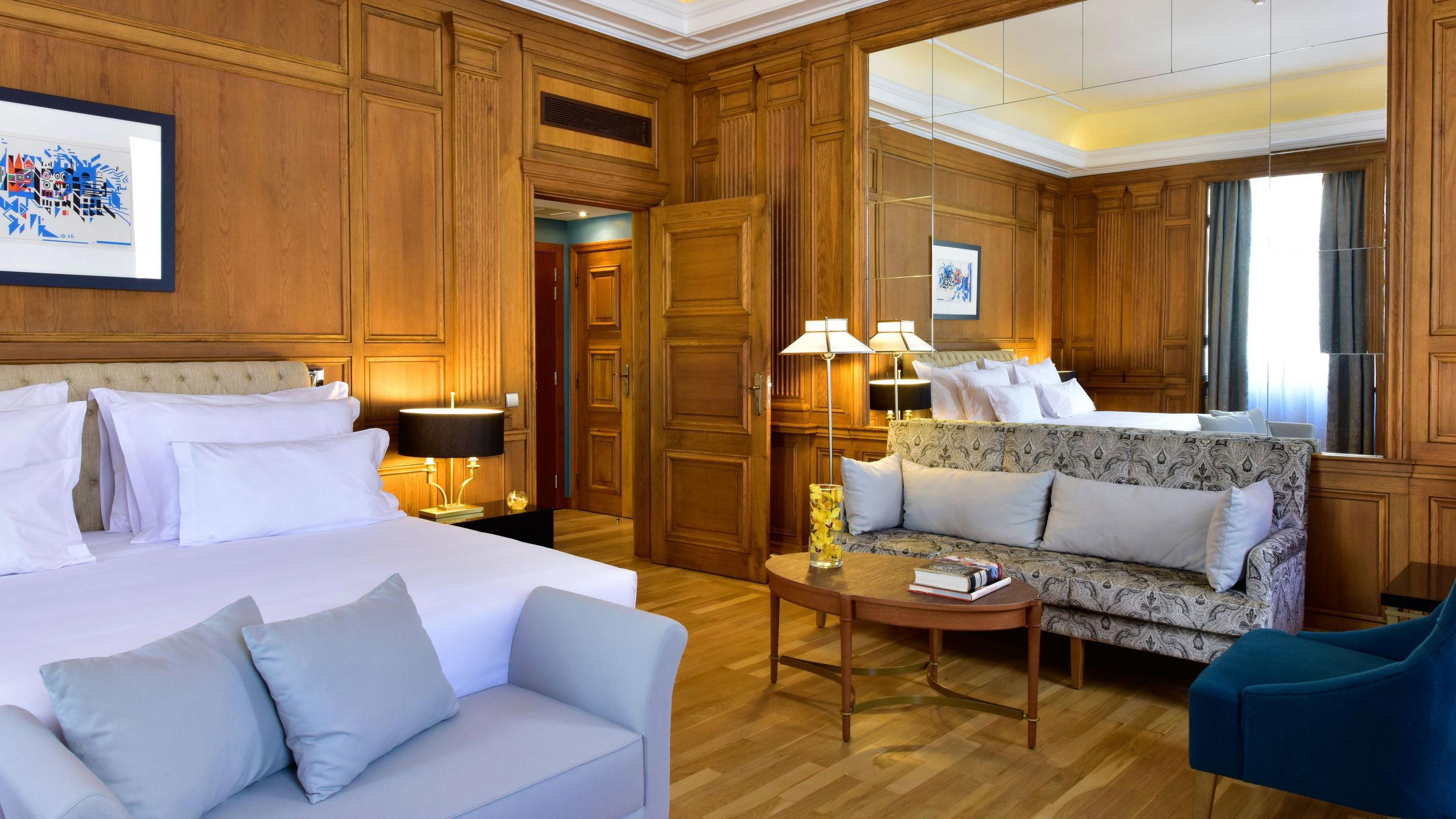
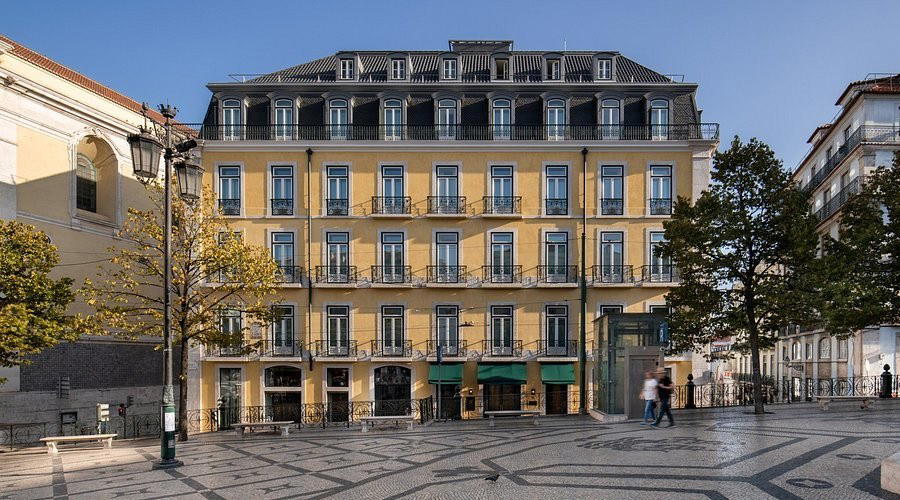
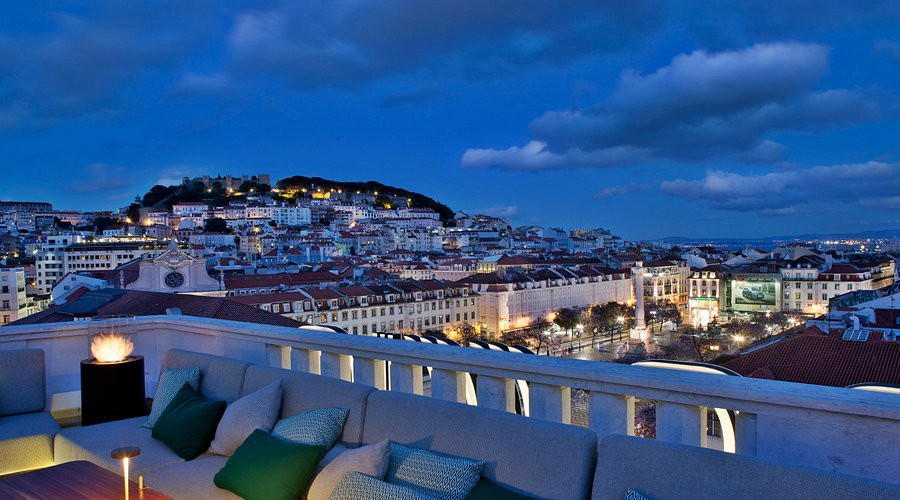
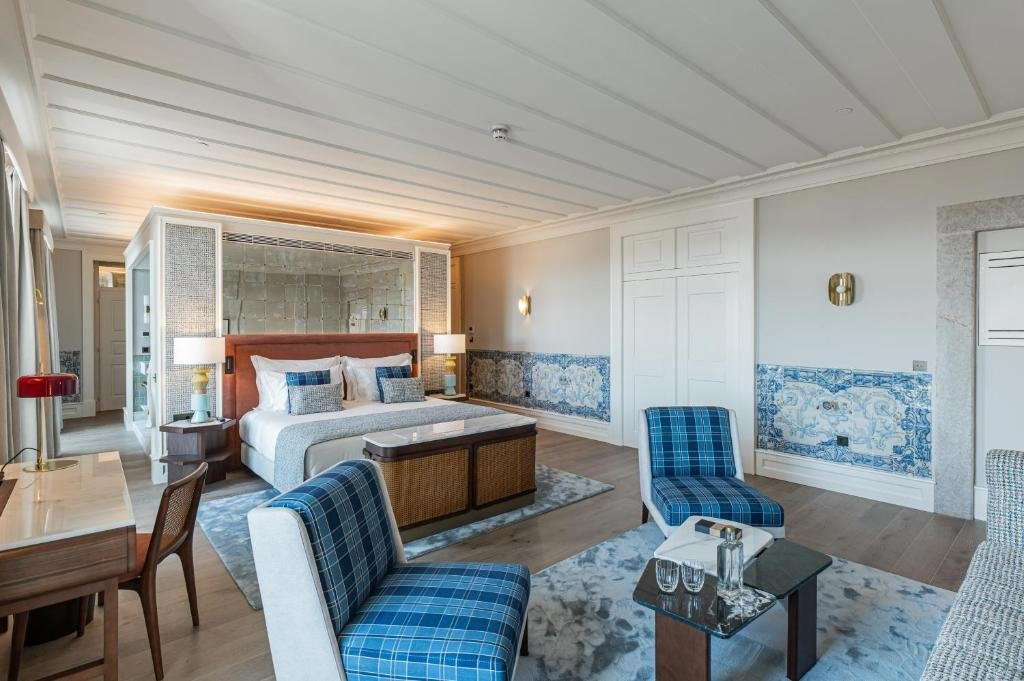
An elegant yet inviting dining room inside a historic Baixa building, with bold Moooi design elements contrasted against the classical façade, giving a refined, contemporary feel suited to relaxed but upscale meals.