Quinta da Chocapalha

Falstaff Winery - Listed
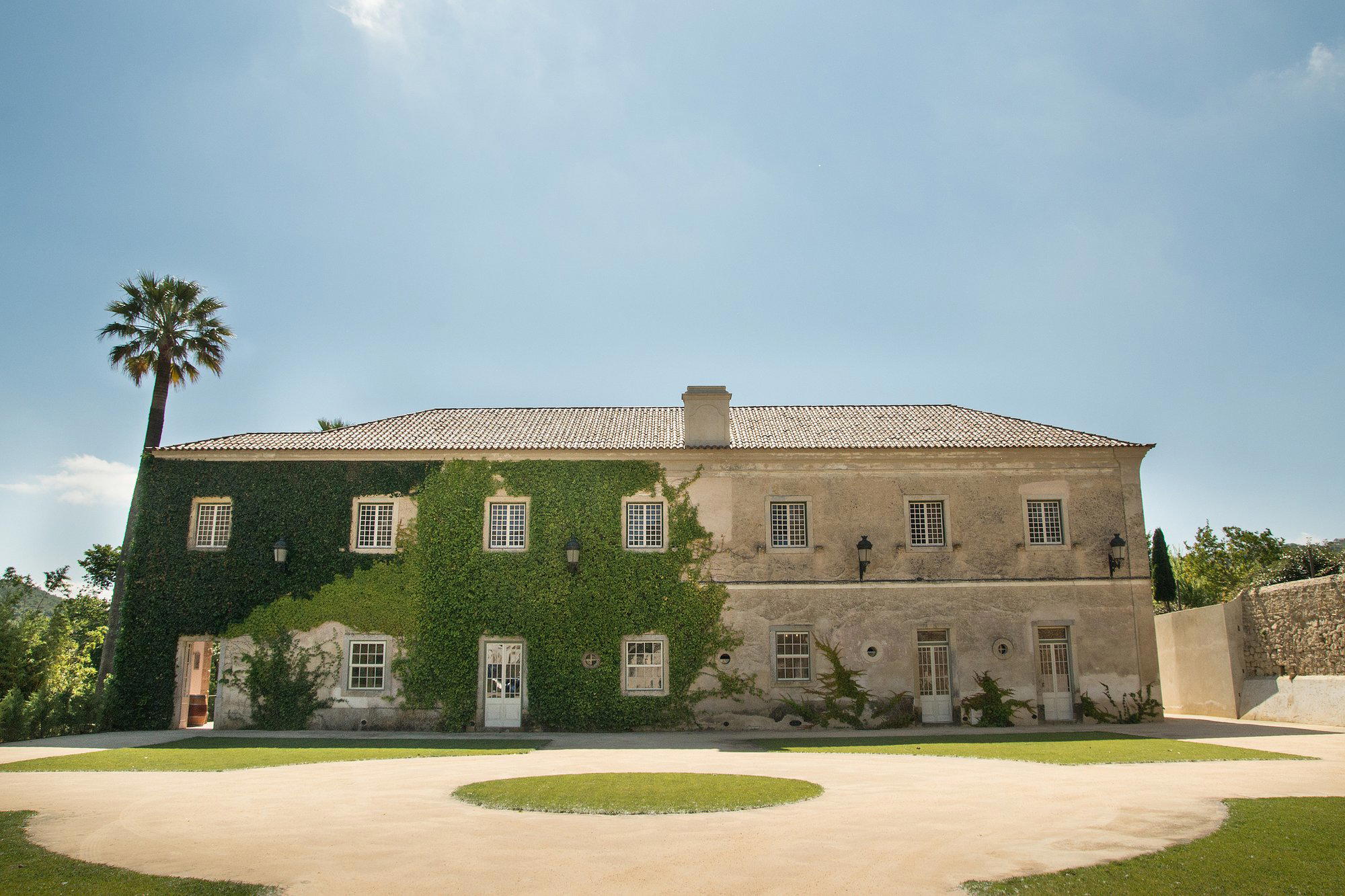
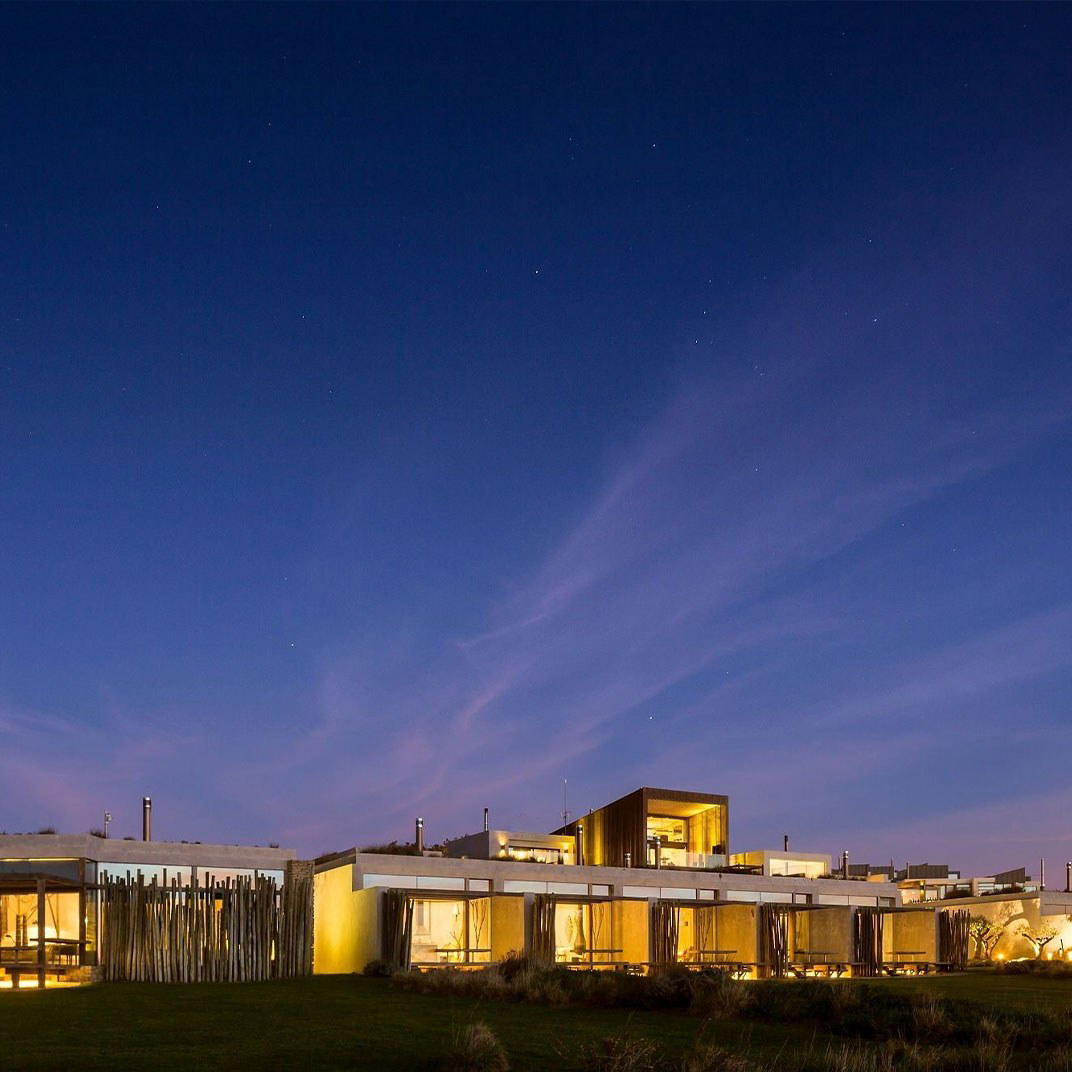
Quinta da Chocapalha is a family-run Lisbon-region wine estate in Aldeia Galega Da Merceana, shaped by Alenquer’s old vineyard culture, Atlantic proximity and long-term replanting work. The experience is quiet and estate-led, with vineyard, cellar and barrique-room context framing a portfolio that runs from varietal bottlings to upper-tier cuvées under winemaker Sandra Tavares da Silva.

Pearl is the En Primeur Club membership app — saves, bookings, and concierge access live there. Same editors, same standards.
- Address
- Quinta da Chocapalha, 2580-081 Aldeia Galega da Merceana, Portugal
- Website
- chocapalha.pt
- Directions
- Get directions
Wine in Aldeia Galega Da Merceana is not about spectacle. The hills, vineyard rows and orchard country around Alenquer set a slower register, with the Montejunto range in view and the Atlantic close enough to matter in the glass. Quinta da Chocapalha belongs to that quieter Lisbon-region tradition: agricultural, family-held, and more interested in how a site ages into definition than cellar-door theatre.
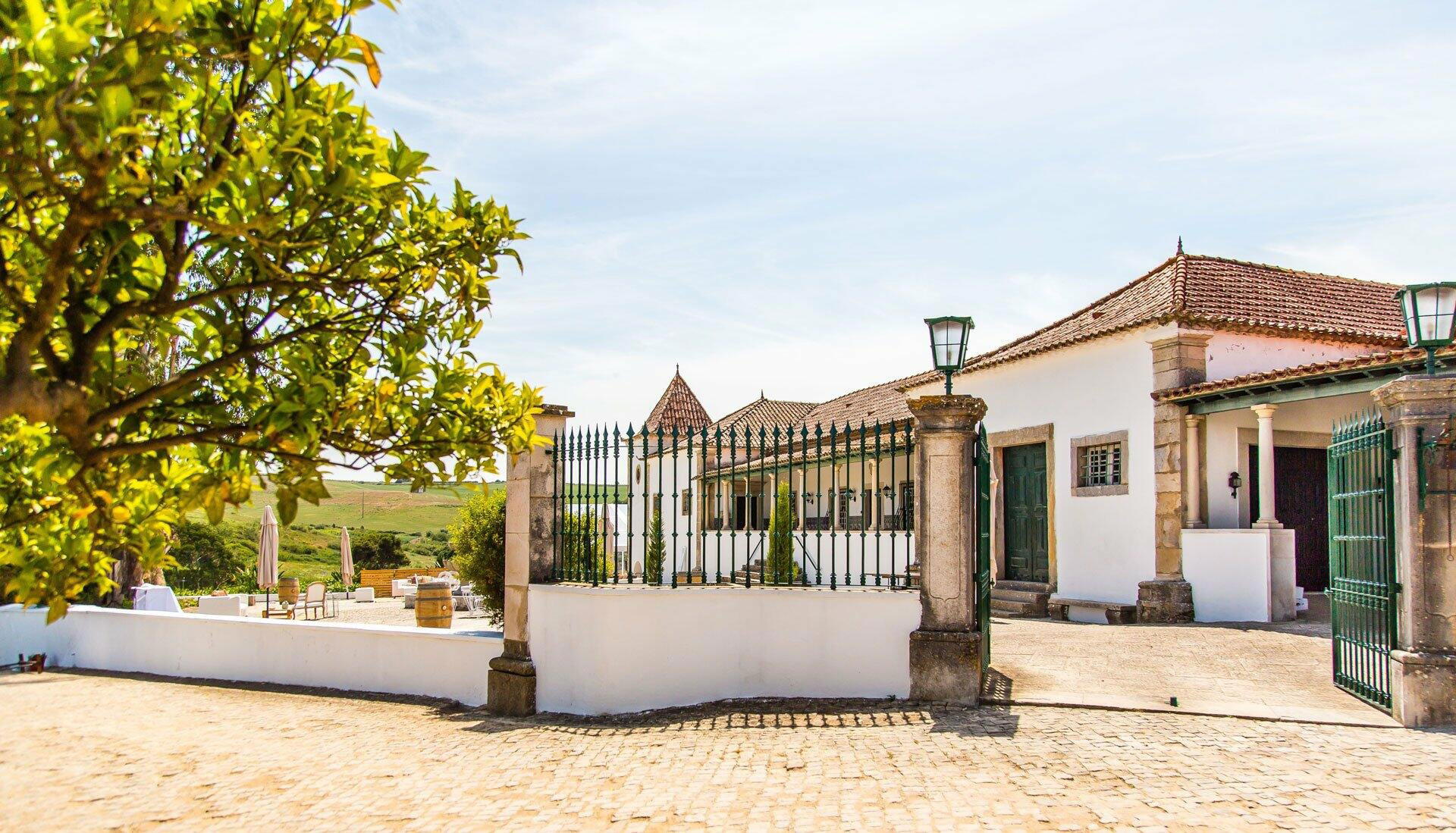
For travellers using Lisbon as a base, this part of the Lisboa wine region counters Portugal’s more loudly branded wine destinations. Alenquer is one of the older subregions in the Lisbon orbit, with proximity but little urban gloss. The estate sits in Aldeia Galega Da Merceana, where vineyard history reaches back to the 16th century, then becomes a modern family project begun in 1987 by Alice and Paulo Tavares da Silva. The land has old viticultural credentials; the present identity comes from reconstruction, replanting and technical continuity.
Alenquer terroir, rebuilt through family farming
The Chocapalha story explains a broader Portuguese pattern: historic estates are rarely static monuments. In the 1980s, the property needed extensive renewal, and the family replanted around varieties suited to the region and terroir. Today it covers about 70 hectares, with 46 hectares under vine, and production of roughly 150,000 to 180,000 bottles annually. That scale makes it a mid-size family estate: large enough for a broad portfolio, still small enough for the farming narrative to feel specific rather than corporate.
The Atlantic is part of the context. The estate is around 30 kilometres from the ocean, yet inland enough to retain a countryside Alenquer profile. In wine terms, that helps explain the emphasis on balance, freshness and aging potential rather than sheer ripeness. The estate’s farming language centres on sustainability and vine longevity, and the hospitality route through vineyard, winery and barrique cellar makes the land-cellar link visible without turning the visit into a technical seminar.
Sandra Tavares da Silva is the named winemaker, with António Geraldes Cardoso associated with viticulture and Miguel Cavaco with winemaking. Their relevance is continuity, not biography for its own sake. Technical management passed into family hands after the 2000 harvest, once replanted vineyards had matured enough for estate bottling. That timeline gives the wines a clear before-and-after: Chocapalha’s modern reputation begins where vineyard renewal became bottled identity.
A portfolio that uses varieties to explain place
Lisboa wines can be hard for visitors to read because the region spans many styles and commercial tiers. Chocapalha’s portfolio gives clearer structure. Named bottlings include Vinha Mãe, CH Red, CH White, Viosinho, Chardonnay, Reserva Rosé, Reserva White, Sauvignon Blanc, Castelão, Cabernet Sauvignon, Arinto, Red, White and Guarita. The mix of Portuguese grapes, international varieties and reserve-level labels shows a house working across two vocabularies: regional identity and varietal recognition.
That matters in a tasting because visitors can understand the estate through comparison within one property rather than appellation theory. Castelão and Arinto place the conversation in Portugal; Cabernet Sauvignon, Chardonnay and Sauvignon Blanc give international reference points. Vinha Mãe signals the upper range, while CH and Reserva labels show cellar tiering. The point is not novelty, but a controlled portfolio that lets Alenquer’s conditions speak through local and familiar frames.
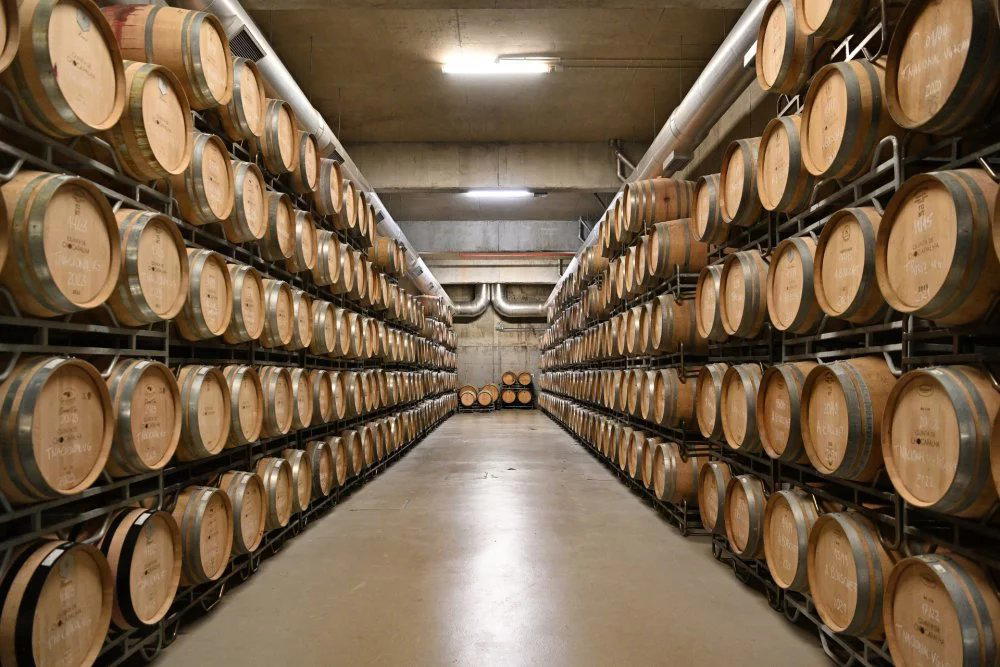
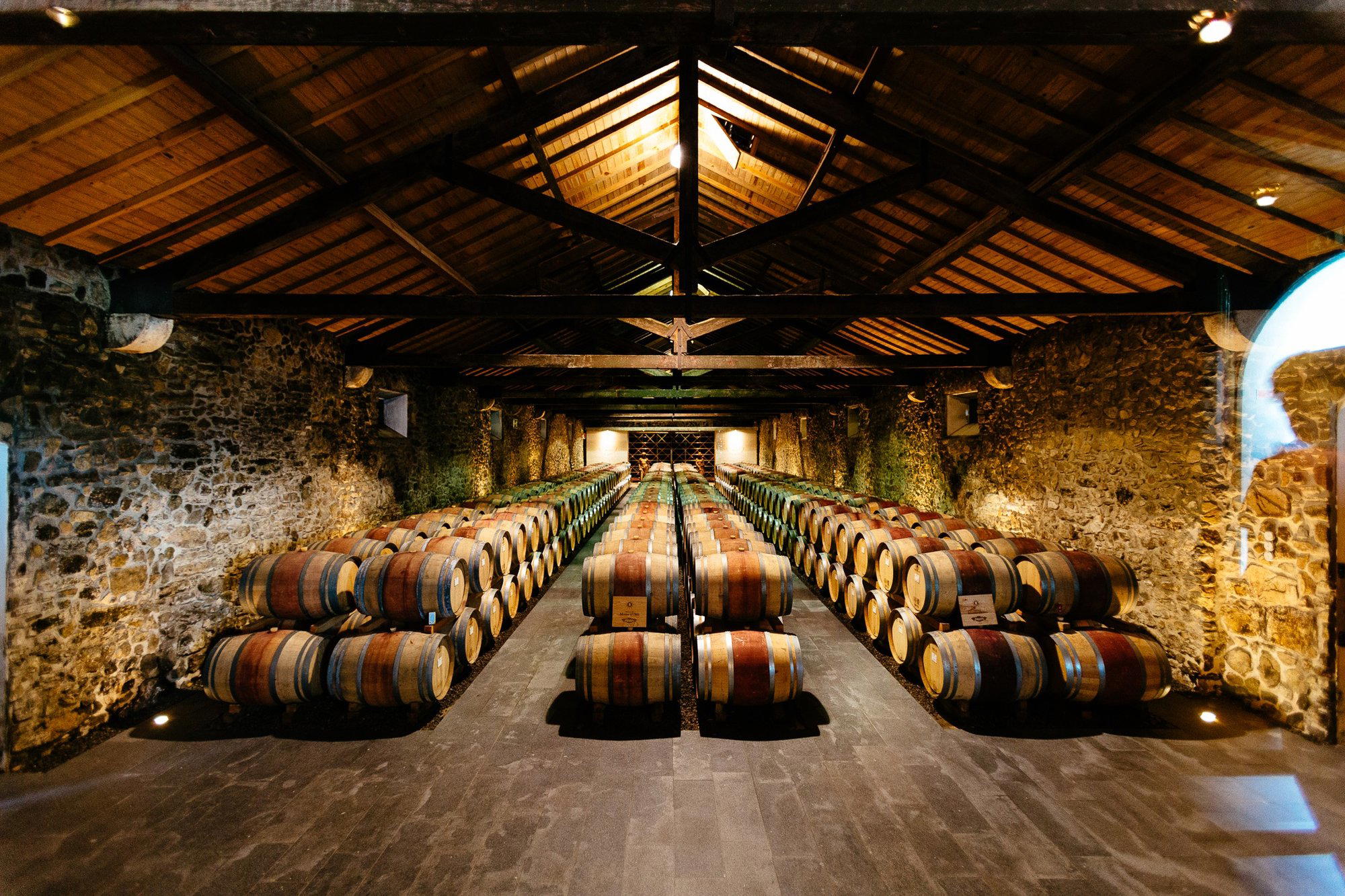
The tasting format reinforces this. The standard guided structure includes four wines, two from the upper range, with cheese and local charcuterie. The pairing is less about dining ambition than calibration: salt, fat and texture contextualise red, white and rosé without pulling focus from the wines. The barrique cellar also matters, signalling that oak maturation is part of the estate’s craft language, especially for wines built for development rather than quick-release simplicity.
Quiet wine tourism within reach of Lisbon
Wine tourism in Portugal increasingly splits between high-volume cellar doors and smaller hosted formats. Quinta da Chocapalha sits in the latter camp. Visits are private and family-led, generally moving from vineyards to winery to barrel room before the tasting. The format suits travellers who want context and conversation rather than a counter pour squeezed between buses.
The estate is also practical for a broader Aldeia Galega Da Merceana itinerary. For non-wine planning, EP Club also maintains our full Aldeia Galega Da Merceana restaurants guide, our full Aldeia Galega Da Merceana hotels guide, our full Aldeia Galega Da Merceana bars guide and our full Aldeia Galega Da Merceana experiences guide.
Within a wider Portugal wine route, the useful comparison is format rather than stylistic equivalence. Cooperative and estate models differ across the country, from Adega Cooperativa de Borba in Borba and Adega Cooperativa de Ponte de Lima in Ponte de Lima to Adega Cooperativa Regional de Moncao in Monção and Adega Cooperativa de Vale Cambra, CRL in Vale De Cambra. More estate-led references include Adega Cartuxa (Fundação Eugénio de Almeida) in Évora, Adega do Monte Branco in Estremoz and 1912Winemakers LDA in Porto. Beyond Portugal, »der Steiner« Hans Steiner in Podersdorf am See and & Handwein in Mannheim show how small European wine addresses vary by region, scale and hospitality culture.
The reason to come is terroir interpretation, not trophy collecting. Chocapalha does not need a maximalist visitor script; its strongest material is the alignment of old Alenquer vineyard land, late-20th-century replanting, sustainable farming language, a named family winemaker and a tasting route that keeps the vineyard foregrounded. For travellers seeking Lisbon-region wine with rural quiet and technical coherence, that is the point.
Recognition history
Dated appearances from independent guides and award organizations, with the underlying list record or original source where available.
Falstaff Winery - Listed
Falstaff
Continue exploring
More in Aldeia Galega Da Merceana
Wineries in Aldeia Galega Da Merceana
Browse all →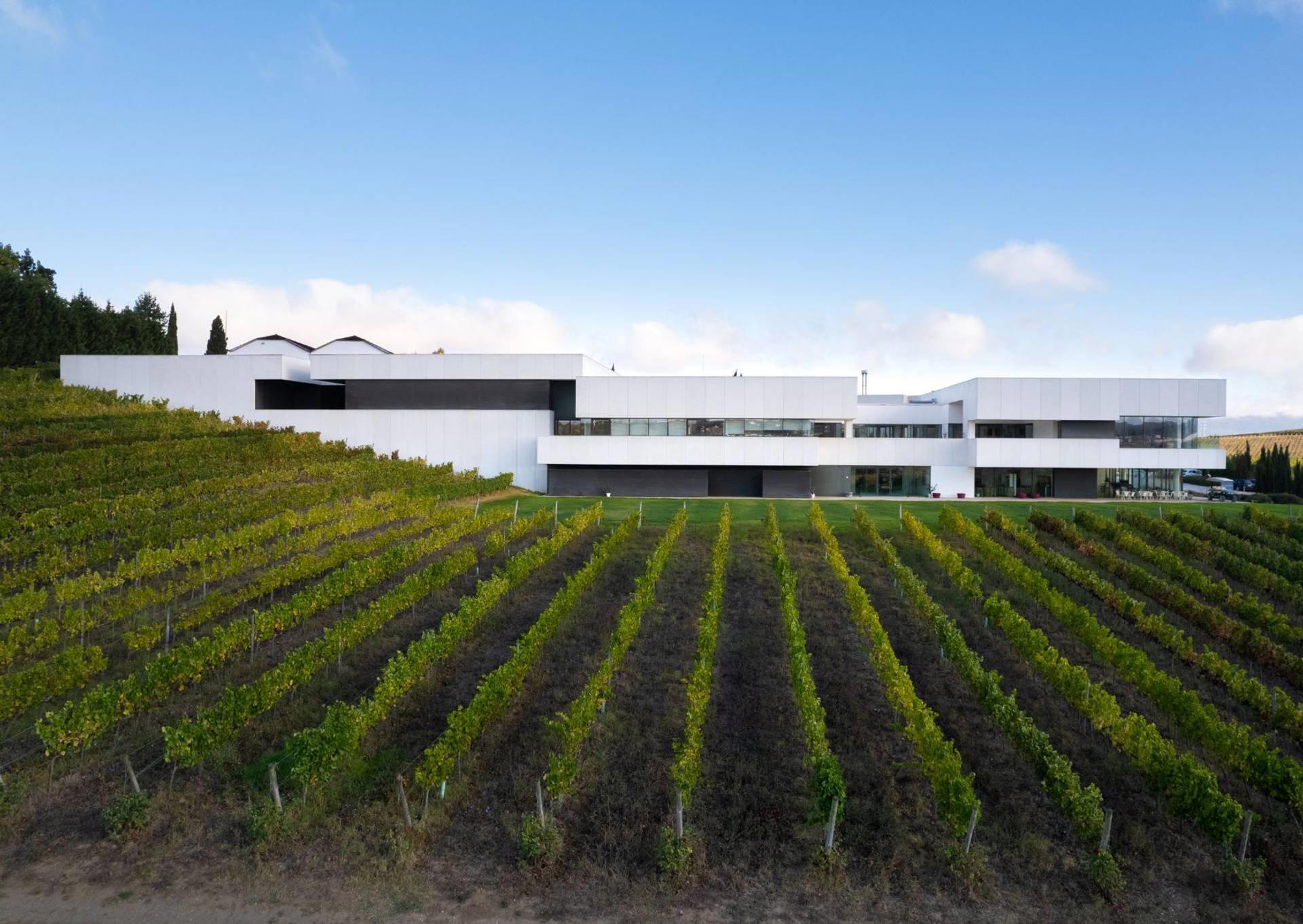

Bars in Aldeia Galega Da Merceana
Browse all →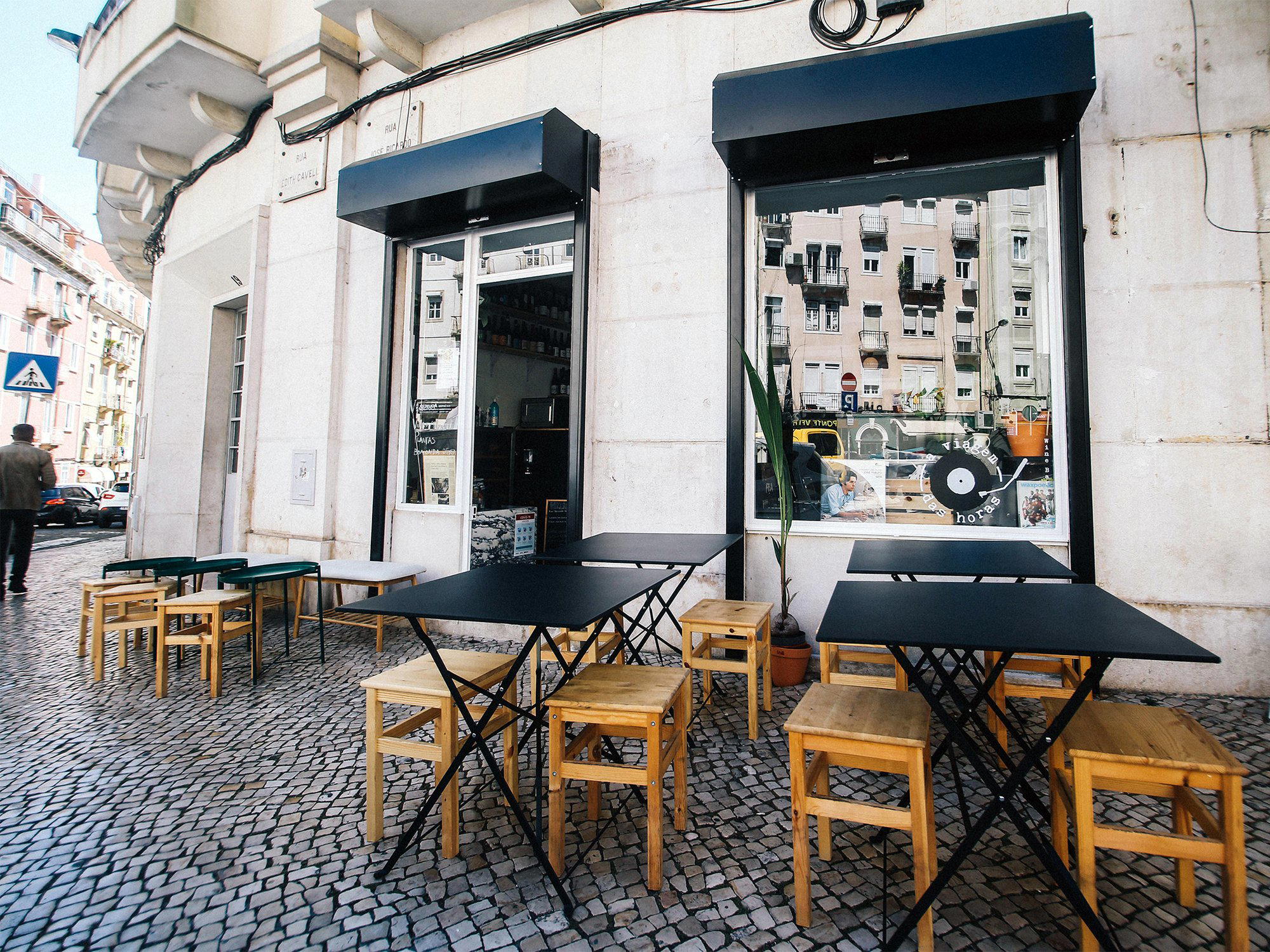
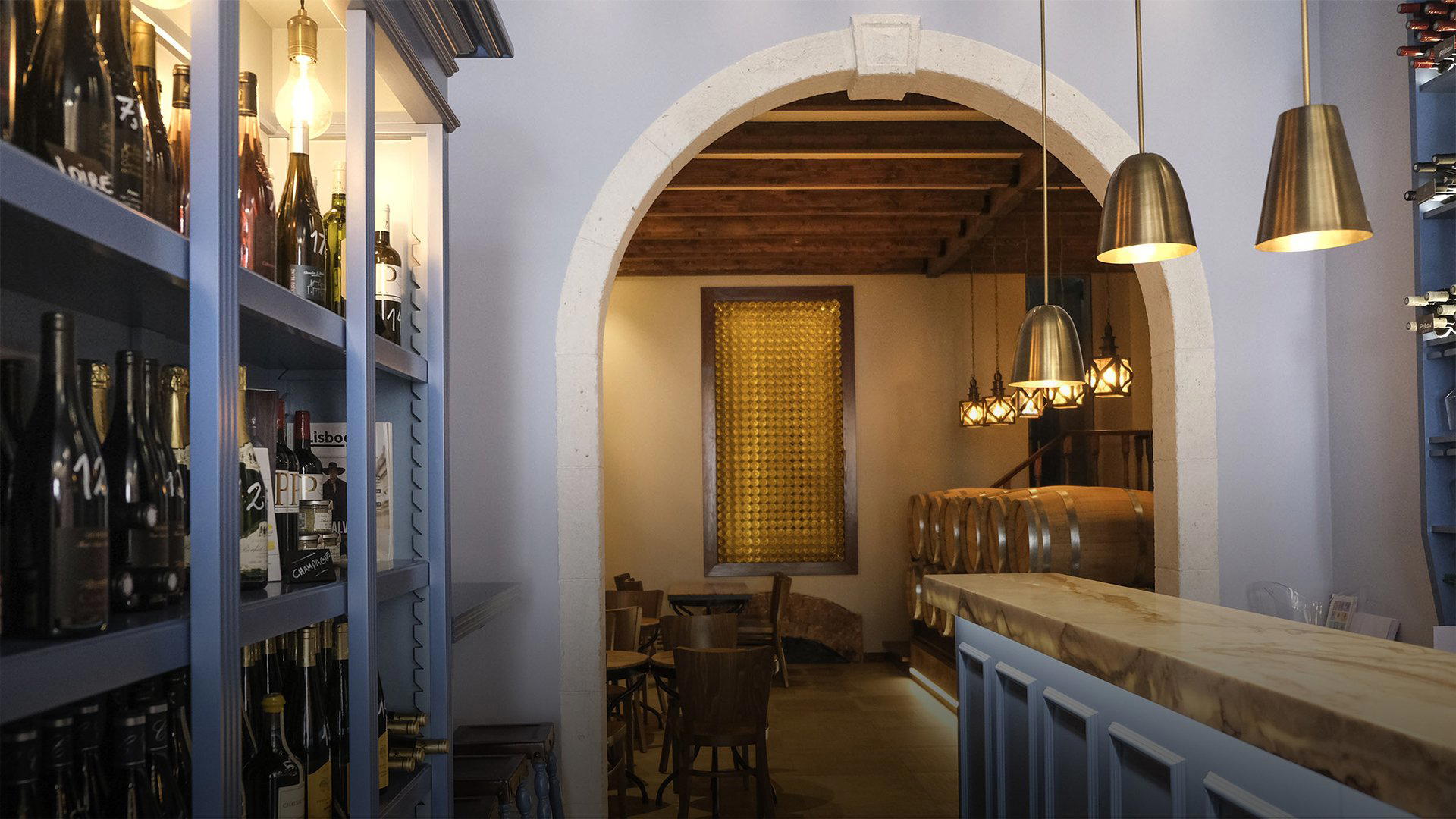
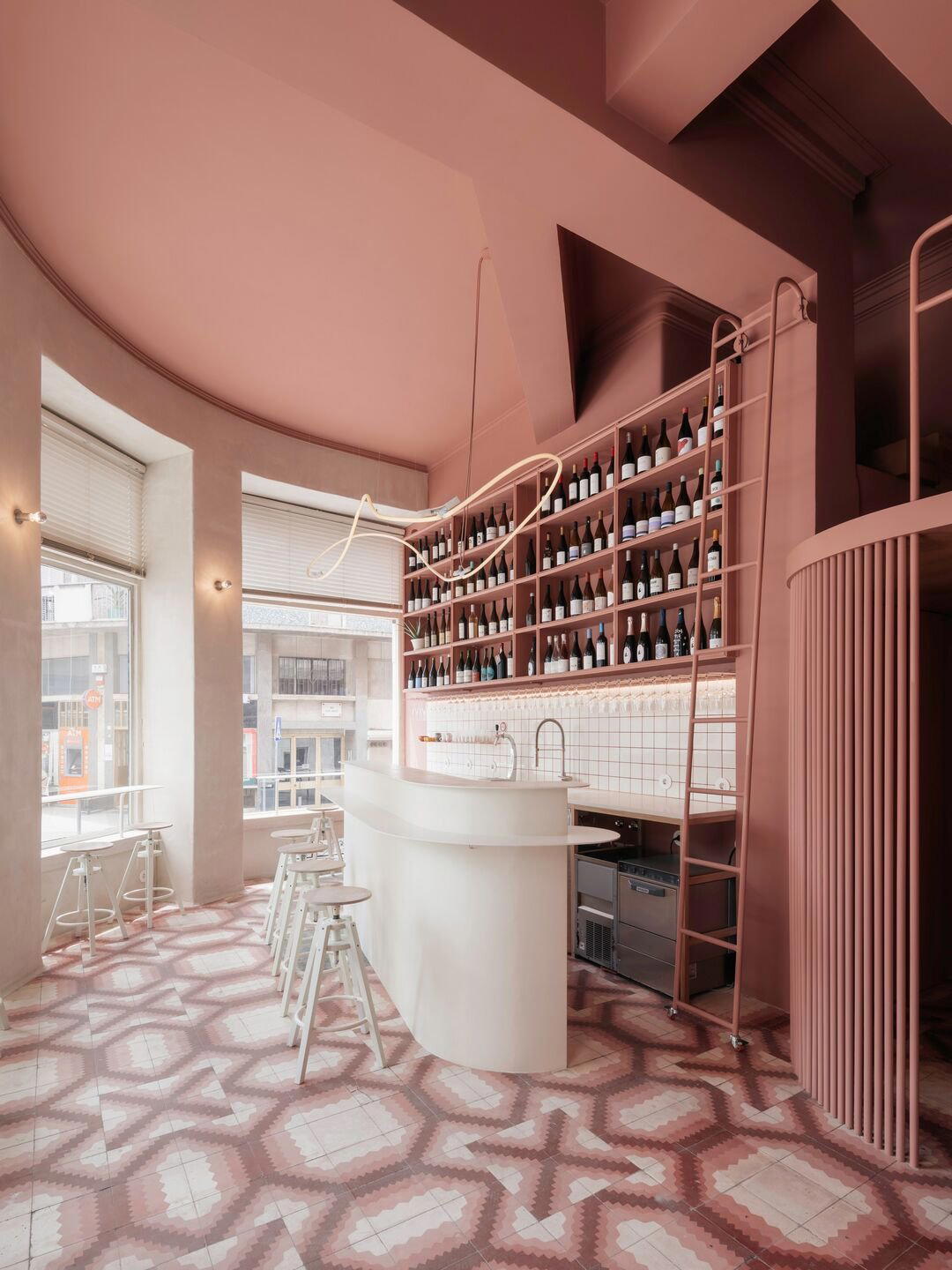
Restaurants in Aldeia Galega Da Merceana
Browse all →
Details
- Scenic
- Rustic
- Classic
- Intimate
- Cozy
- Group Outing
- Romantic Getaway
- Wine Education
- Family
- Special Occasion
- Corporate Event
- Vineyard Tour
- Barrel Room
- Estate Grounds
- Historic Building
- Private Tasting
- Panoramic View
- Sustainable
- Vineyard
- Garden
- Mountain
- Castelão
- Arinto
- Cabernet Sauvignon
- Sauvignon Blanc
- Chardonnay
- Still Red
- Still White
- Still Rosé
- Sparkling
- Guided Flight
- Private Tasting
- Food Pairing
- Estate Portfolio Tasting
- Portuguese
- English
- French
- German
Family-run countryside estate in the rolling hills of Alenquer, with peaceful vineyard and cellar visits, a quiet rural setting and warm, personal hosting by members of the Tavares da Silva family.