UniQuisine Atelier


1 Michelin Star · Falstaff Restaurant - 93 Falstaff Points
Our verdict
A Michelin-starred Modern Cuisine table tucked into a third-floor residential apartment in Stansstad, UniQuisine Atelier operates Thursday through Saturday only, with five- and seven-course menus that draw on Mediterranean and Asian accents over a classical French foundation. The alpine setting, open kitchen, and balcony views of Pilatus and Stanserhorn make it one of Central Switzerland's most distinctive fine-dining formats.

Pearl is the En Primeur Club membership app, where members save venues, book tables and use the concierge.
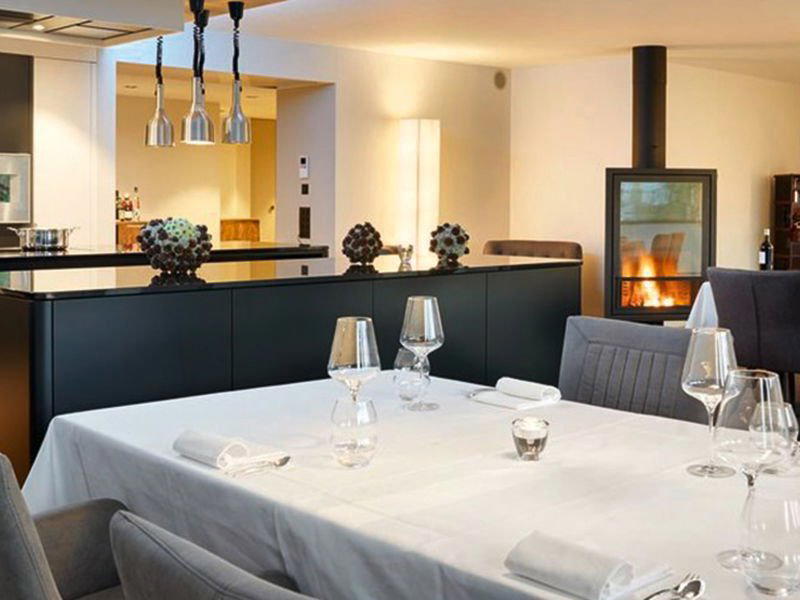
A Residential Address, a Different Kind of Fine Dining
Switzerland's fine-dining circuit tends to cluster in grand hotel rooms, converted castles, or lakeside pavilions designed explicitly for the occasion. The format at UniQuisine Atelier sits apart from that convention. The restaurant occupies a third-floor apartment inside a residential and restaurant block on Stanserstrasse in Stansstad, a small municipality on the western shore of Lake Lucerne. From outside, there is nothing to signal that what awaits is a Michelin-starred kitchen. That deliberate understatement is, in itself, a position, one that a small but growing number of European fine-dining addresses have chosen as a counterpoint to the theatrical grandeur that defines most restaurants in this price tier. For context on what the broader Stansstad dining and hospitality scene looks like, see our full Stansstad restaurants guide.
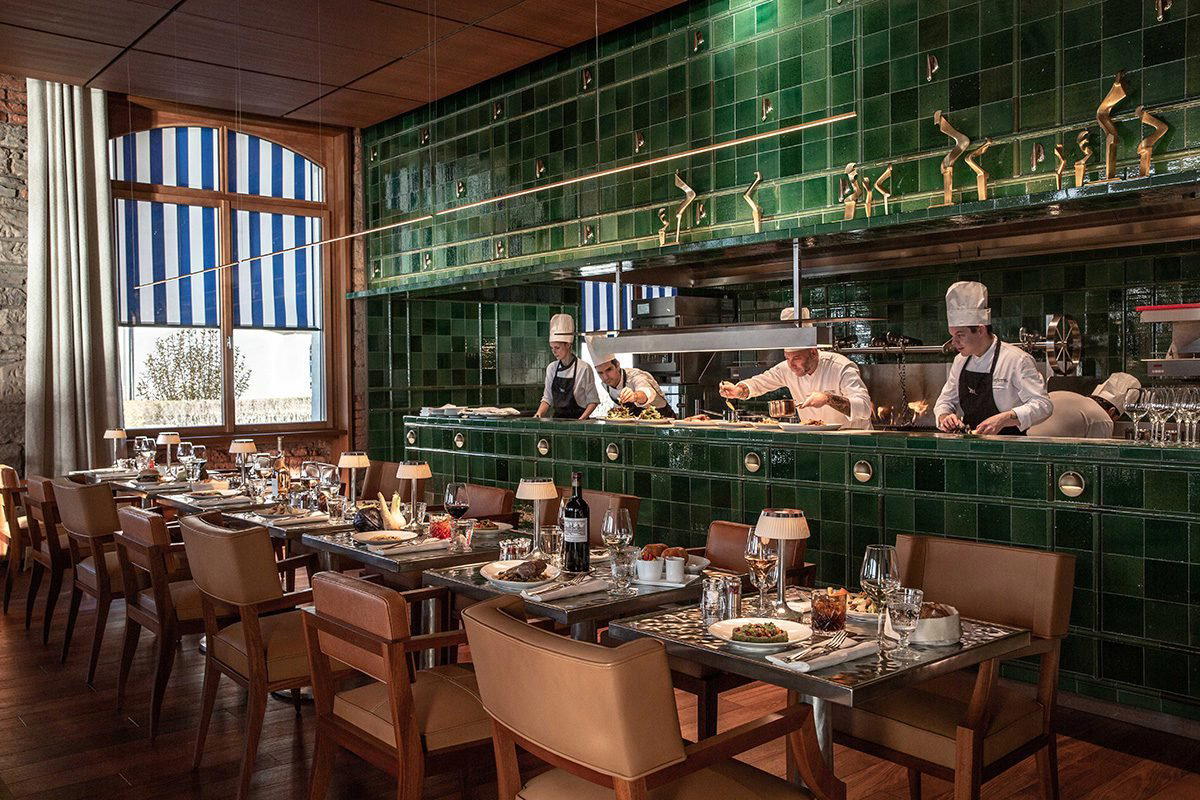
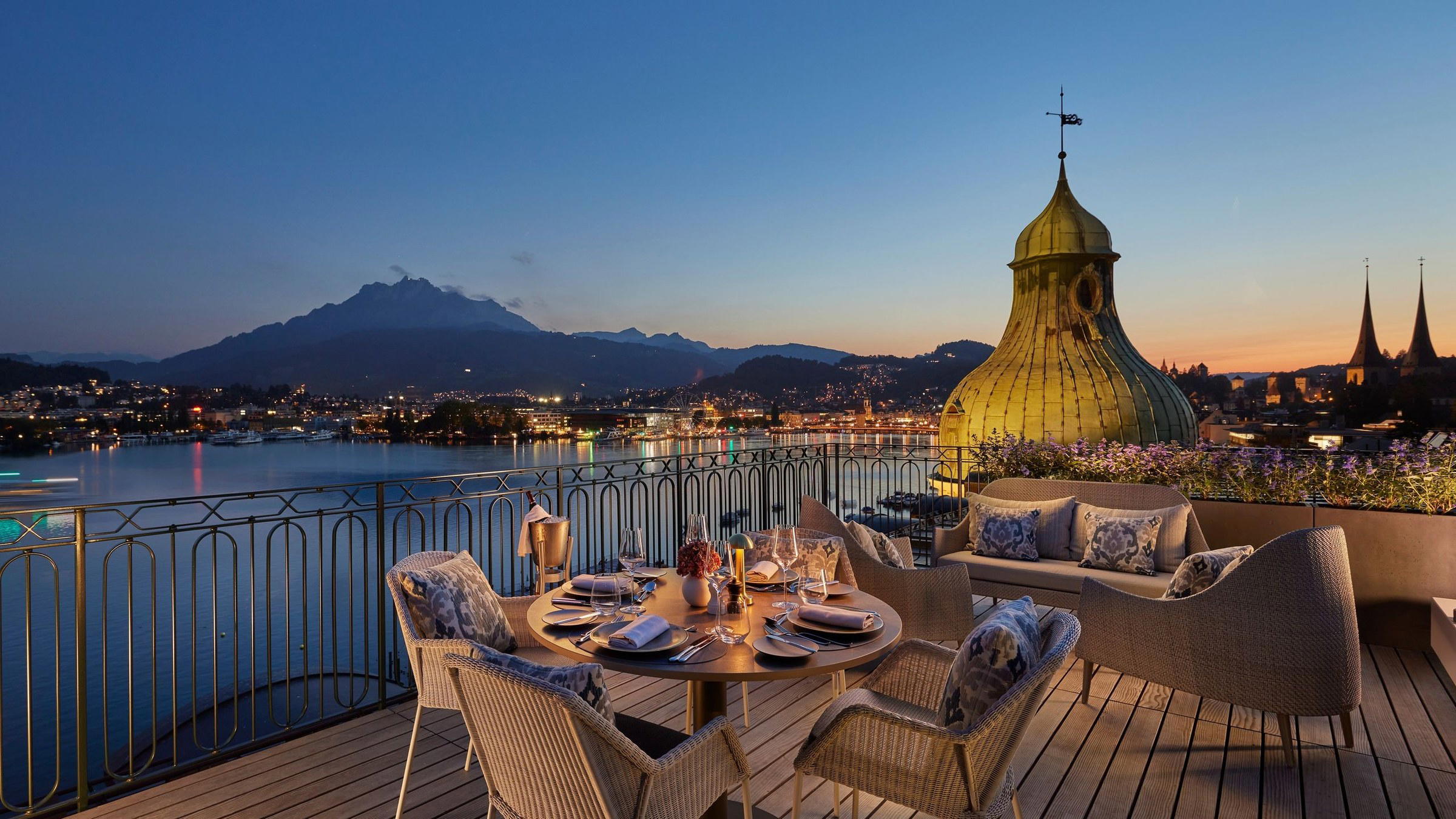
Arriving into this kind of setting recalibrates expectations. The dining area is relatively compact, a minimalist-modern interior where art on the walls and a stylish fireplace provide texture without accumulation. An open kitchen sits centrally, placing the cooking within the same visual field as the table. The effect is closer to a private dinner party than a formal restaurant service, which is precisely the atmosphere the Michelin inspectors noted in their 2024 assessment, describing the experience as dining at a friend's place. The aperitif is served on a balcony terrace with views of Pilatus and Stanserhorn, two of Central Switzerland's defining mountain profiles.
Where the Ingredients Tell the Story
The editorial angle on Modern Cuisine in this part of Europe often centres on technique, plating philosophy, or the chef's formative lineage. What distinguishes the cooking at UniQuisine Atelier from that framing is the way ingredient provenance drives the menu structure. The kitchen works within a modern idiom but grounds its sourcing in the kind of careful material selection that classical French training demands: the Périgord truffle that appears in the guinea fowl ballotine is sourced from one of France's most respected growing regions, and its presence in a menu built around Central Swiss produce signals the cross-border sourcing logic that the leading Swiss kitchens employ without apology.
That sourcing logic matters because it explains the flavour register the menu operates in. Mediterranean and Asian accents appear not as a fusion shorthand but as seasoning choices that reflect where the finest versions of particular ingredients originate. A quark soufflé served with vanilla, rhubarb compote, and lemon cream draws on Swiss dairy tradition, quark is a foundational element of Alpine cooking, while the technique applied to it is contemporary. The result is a menu that reads clearly as modern but is anchored in ingredients whose quality is verifiable at the source level. This approach connects UniQuisine Atelier to a broader pattern in Swiss fine dining where the country's position at the intersection of French, German, and Italian culinary traditions enables a kind of confident pluralism in sourcing that few other markets can replicate.
Across Switzerland's top tier, the same orientation appears in different registers. Schloss Schauenstein in Fürstenau built its identity around Graubünden-specific produce; Memories in Bad Ragaz operates with similar precision in a grand hotel setting. focus ATELIER in Vitznau, notable for the naming parallel, pursues a Modern Swiss and Creative remit from the lake shore. What separates UniQuisine Atelier is format: it operates as a residential-scale table in a market where most top-tier Swiss restaurants occupy institutional or heritage spaces.
The Menu Format and What It Signals
Guests choose between a five-course and seven-course set menu. That binary structure is characteristic of how European fine dining at this level has consolidated: the flexibility of à la carte has largely given way to menus that allow the kitchen to control sourcing volumes, reduce waste, and maintain the internal coherence of a narrative across courses. At this price point, positioned at €€€€, both options represent a serious investment, and the seven-course format is the more informative of the two for first-time visitors who want to understand how the kitchen builds and resolves flavour across an evening.
The guinea fowl ballotine with celeriac and Périgord truffle, cited in the Michelin documentation, is a technically demanding preparation. Ballotine requires precise boning, filling, rolling, and controlled cooking to achieve a consistent cross-section, it is the kind of dish that separates kitchens comfortable with classical technique from those that prefer to avoid its complexity. Celeriac is a workhorse root vegetable in Alpine cooking, earthy enough to carry truffle without being overwhelmed. The combination sits squarely in the classical French canon while using Central European produce as its vehicle. The quark soufflé dessert follows a different logic: soufflés are technically precarious (they must be served immediately and cannot be pre-staged), which means their presence signals a kitchen willing to manage the timing complexity that most contemporary restaurants have quietly abandoned.
For points of comparison at the high end of Swiss fine dining, Hotel de Ville Crissier in Crissier, Cheval Blanc by Peter Knogl in Basel, and IGNIV Zürich by Andreas Caminada in Zurich all operate at the same price tier with different format propositions. UniQuisine Atelier's residential-apartment model competes on intimacy and specificity rather than grandeur or scale. Internationally, the format echoes what addresses like Frantzén in Stockholm pioneered at a larger scale, the private-home dining register applied to a ticketed fine-dining context.
Service and the Open Kitchen Dynamic
The open kitchen in a small residential dining room creates a different acoustic and visual contract than an open kitchen in a large restaurant. In a larger space, an open kitchen is theatre observed from a distance. In a space this size, it becomes ambient, the sounds and movements of cooking are part of the room's texture rather than a spectacle set apart from it. This distinction matters for how the service interaction develops. Chef Christoph Oliver Aebersold and restaurant manager Agron Tunprenkaj are identified in the Michelin assessment as the two principals responsible for the evening's execution, working in tandem across kitchen and floor. In a format this intimate, the boundary between kitchen and service is permeable in ways that larger brigade kitchens do not permit.
That configuration suits guests who want proximity to the cooking process as part of the evening rather than as background detail. It also sets a particular expectation for conversation: the format rewards engagement over detachment. Those expecting the formal distance of a grand hotel dining room will find this operates on a different register entirely.
Planning Your Visit
UniQuisine Atelier opens Thursday through Saturday from 7 PM to 11 PM only; Monday through Wednesday and Sunday are closed. The compressed operating schedule, three evenings per week, is consistent with how small-kitchen fine-dining formats manage quality control and sourcing. Tables are finite and the dining room is compact, which means lead time for reservations is advisable, particularly on Saturdays. Stansstad sits approximately six kilometres from Lucerne by road and is accessible by regional train, making it practical for diners based in Lucerne who do not want to drive. The restaurant's address is Stanserstrasse 23, 6362 Stansstad.
For broader planning in the area, the Stansstad hotels guide, bars guide, wineries guide, and experiences guide cover the surrounding offer. Lucerne's fine-dining scene is anchored by addresses like Colonnade in Lucerne, which provides a useful contrast for those building a multi-restaurant itinerary through Central Switzerland. Further afield in the region, 7132 Silver in Vals, Einstein Gourmet in Sankt Gallen, and Da Vittorio in St. Moritz represent the breadth of the Swiss fine-dining circuit. For those extending into Geneva, L'Atelier Robuchon in Geneva and FZN by Björn Frantzén offer internationally-framed reference points for the same tier of cooking.
Frequently asked questions
What's the pricing like at UniQuisine Atelier?
Pricing at UniQuisine Atelier is listed as €€€€.
When can I go to UniQuisine Atelier?
Hours at UniQuisine Atelier: Monday closed Tuesday closed Wednesday closed Thursday 7 PM-11 PM Friday 7 PM-11 PM Saturday 7 PM-11 PM Sunday closed.
Quick Comparison
| Venue | Cuisine | Price | Awards | Notes |
|---|---|---|---|---|
| UniQuisine AtelierThis venue (the venue you are viewing) | Modern Seasonal Fine Dining | $150–200 | 1 Michelin Star · Falstaff Restaurant - 93 Falstaff Points | Not listed |
| Schloss Schauenstein | Creative Swiss Country Fine Dining | $300–500 | 3 Michelin Stars · World's 50 Best #52 | Modern European, Creative |
| Memories | Modern Swiss Alpine Cuisine | $300–500 | 3 Michelin Stars · La Liste Top Restaurants | Modern Swiss |
| focus ATELIER | Modern French Fine Dining | $200–300 | 2 Michelin Stars · La Liste Top Restaurants | Modern Swiss, Creative |
| IGNIV Zürich by Andreas Caminada | Modern Swiss Fusion Sharing | $150–200 | 2 Michelin Stars · La Liste Top Restaurants | Sharing |
| La Table du Lausanne Palace | Contemporary French Fine Dining | $200–300 | 2 Michelin Stars · La Liste Top Restaurants | Modern French |
Recognition history
Dated appearances from independent guides and award organizations, with the underlying list record or original source where available.
Michelin 1 Star
Michelin
Falstaff Restaurant - 93 Falstaff Points
Falstaff
Full recognition history (3 entries)
Michelin 1 Star
Michelin
Continue exploring
More in Stansstad
Restaurants in Stansstad
All restaurants in Stansstad →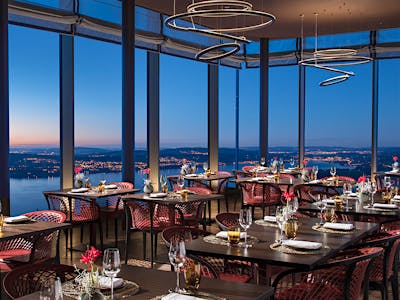
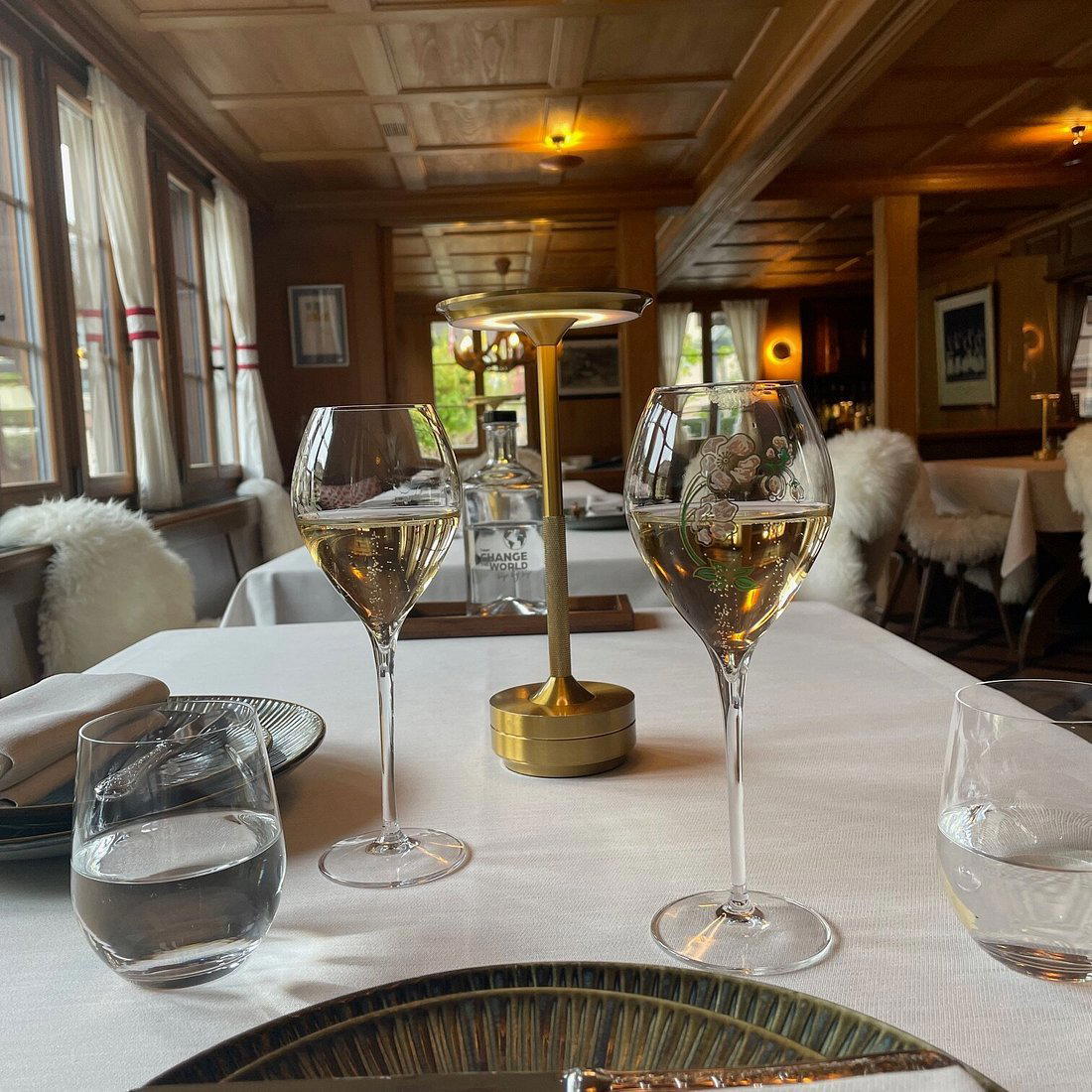
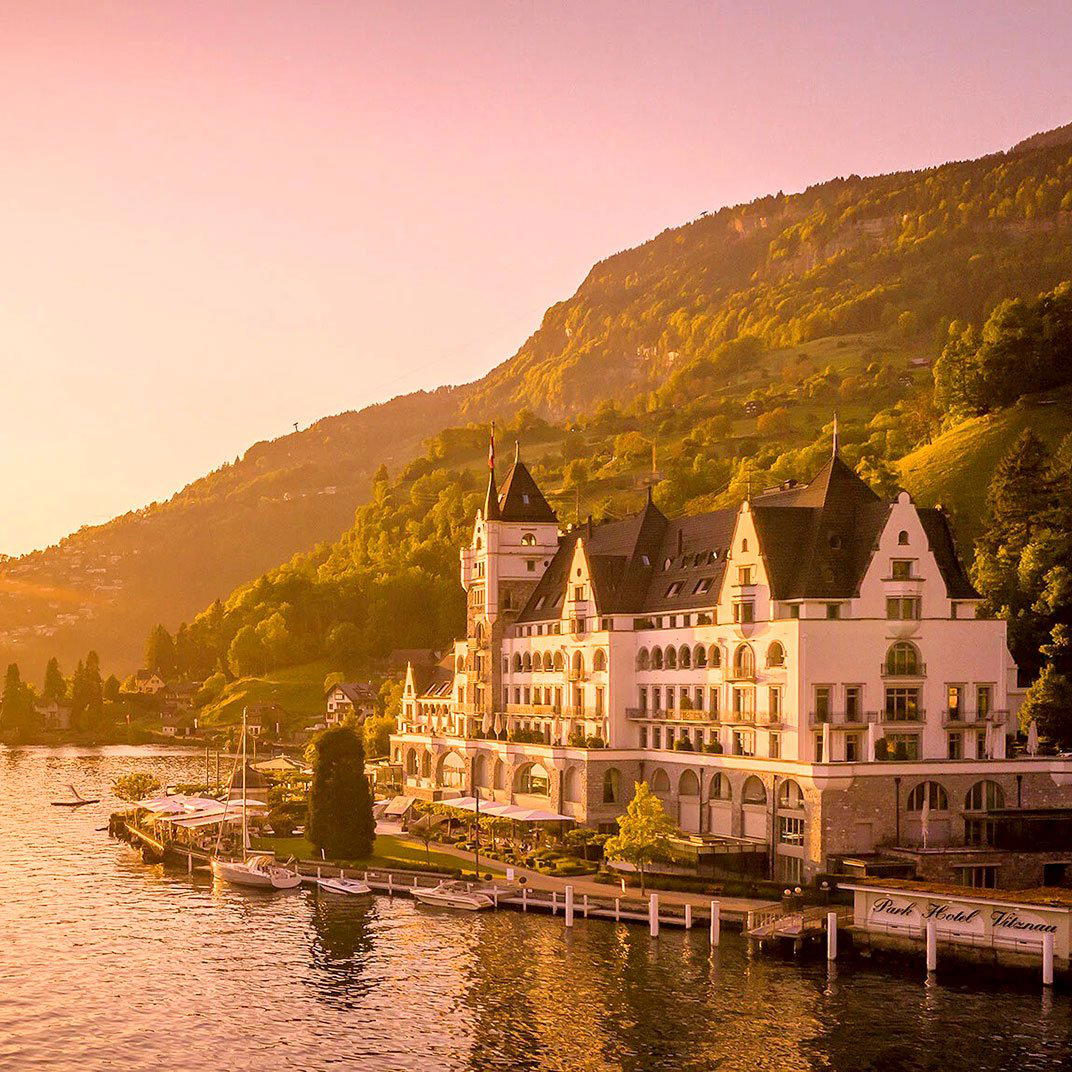
Bars in Stansstad
Browse all →

Details
- Intimate
- Elegant
- Modern
- Cozy
- Sophisticated
- Minimalist
- Date Night
- Special Occasion
- Celebration
- Open Kitchen
- Chefs Counter
- Extensive Wine List
- Sommelier Led
- Mountain
- Tasting Menu
- Set Menu
- Pescatarian Friendly
Current opening hours
- Monday
- Closed
- Tuesday
- Closed
- Wednesday
- Closed
- Thursday
- 7–11 PM
- Friday
- 7–11 PM
- Saturday
- 7–11 PM
- Sunday
- Closed
Hours can change for holidays and private events. Hours as of .
Minimalist chic with soft lighting, clean lines, and a warm, home-like atmosphere centered around the open kitchen.