
Tabelog 100 #54
Our verdict
Umeya places Kagoshima’s shabu-shabu tradition in a serious but accessible register, with local black pork, black beef, beef tongue and local chicken built into a course format. The room suits small groups as much as families, and its Tabelog 100 Hot Pot 2024 selection gives the restaurant a clear quality signal within Japan’s hot pot category.

Pearl is the En Primeur Club membership app, where members save venues, book tables and use the concierge.
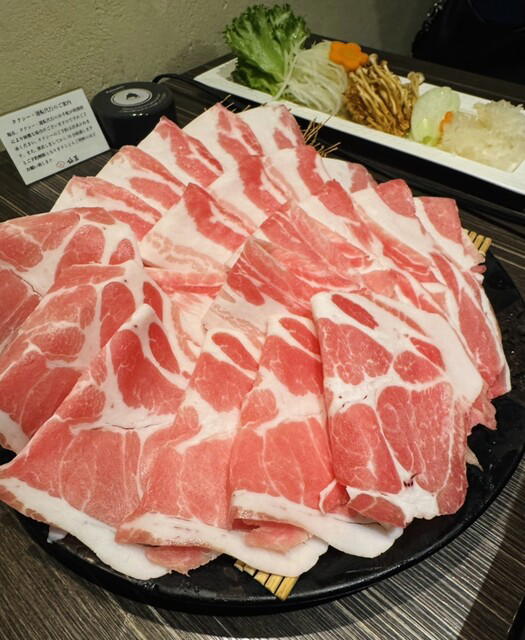
The menu
What to order
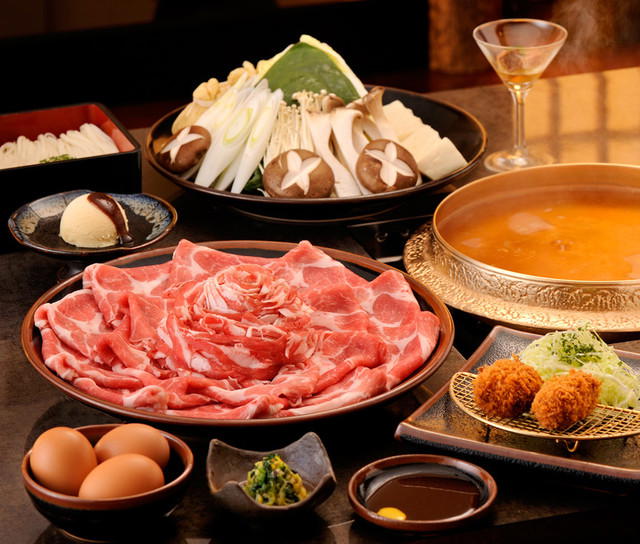
- Kagoshima Black Pork shabu-shabu
- Kagoshima Black Beef shabu-shabu
- Local chicken shabu-shabu
- Tomato shabu-shabu
- Assorted local appetizers
Shabu-shabu is a room-temperature decision before it is a dining choice: steam on the table, conversation lowered by the rhythm of shared pots, and a style of eating that asks everyone to move at the same pace. In Kagoshima, that format carries extra weight because regional cooking is part of the city’s food identity, and a dedicated hot pot counterpoint to tonkatsu, yakitori and seafood tells a different story about how the city eats after dark.
Umeya sits in that tradition rather than trying to modernise it beyond recognition. The restaurant is listed for shabu-shabu, the Japanese hot pot style built around quick cooking at the table, shared timing and a broth-led meal. That focus matters: shabu-shabu can collapse into simple repetition when the kitchen treats the pot as only a vessel. Here, the format gives diners a clear route through a Kagoshima dinner without needing to turn the meal into a tasting-menu performance.
Kagoshima hot pot built around shared timing, not ceremony for its own sake
Japan’s hot pot culture is often discussed as winter comfort, but shabu-shabu is also a useful test of ingredient confidence. Thin slices, brief cooking and shared timing leave little room for disguise. In Kagoshima, the format becomes a direct expression of a meal built at the table. Umeya’s 2024 Tabelog Hyakumeiten recognition places it inside a wider conversation about Japanese hot pot specialists, not merely among neighbourhood dinner rooms.
The dinner positioning is part of the discipline. With a listed dinner budget of JPY 6,000 to JPY 7,999, Umeya is not a quick add-on to drinks, but a meal to plan around. That is a different proposition from Kagoshima’s more fragmented evening routes: budget ramen such as Ramen Kokinta, sushi at Sushisho Nomura, or yakitori at Torisen Ippo, Yakitori Kouun and Yakitori Senmyou. Hot pot asks for a longer table commitment and rewards groups willing to eat collectively.
The appeal is less about spectacle than pacing. A shabu-shabu meal depends on sequencing, broth, vegetables and shared attention, so the pleasure comes from the table working together rather than from a single plate arriving fully composed. That aligns with a broader Japanese hot pot logic: balance is not achieved through restraint alone, but through timing and repetition. For travellers who know Kagoshima mainly through other styles of cooking, shabu-shabu offers a cleaner reading of the same regional appetite.
A Kagoshima dinner room for groups, families and slower meals
Setting is best understood as table dining rather than counter theatre. The restaurant’s shabu-shabu category suggests a meal organised around shared pots and conversation, which puts it in a useful middle category: structured enough for a planned dinner, relaxed enough for diners who want the table itself to carry the evening. It is the kind of format that works when the point is not only what is ordered, but how everyone eats it together.
That makes Umeya a practical cultural choice as much as a culinary one. Diners can read the appeal through the shared-pot format and the JPY 6,000 to JPY 7,999 dinner range; groups can read it through the course-like rhythm that hot pot naturally creates. Friends who might otherwise split between ramen, sushi, yakitori or other Kagoshima dining rooms will find this meal more coordinated, with the table itself becoming the format.
The drinks position should be understood through Kagoshima dinner culture rather than a generic hot pot template. In southern Kyushu, local drinking traditions often sit close to the meal instead of functioning as a separate after-hours plan. For a visitor building an evening around food rather than bar-hopping, that matters more than a long cocktail list. Umeya is designed to hold the main event: a shared, warm, focused dinner rather than a stop between unrelated venues.
How to place Umeya in a Kagoshima dining itinerary
Kagoshima rewards diners who resist treating the city as a single-dish destination. Tonkatsu explains one side of the region’s dining culture; yakitori explains smoke, skewers and drinking pace; sushi and seafood explain another coastal register; hot pot explains patience, shared eating and regional ingredients without heavy seasoning. Umeya is the choice when the evening calls for a seated, course-led meal rather than a quick rotation through small plates.
Within Kagoshima’s price spread, the restaurant occupies a considered dinner tier. It is above ramen and casual set meals, close to some serious yakitori counters, and below the spend often associated with sushi omakase in larger Japanese cities. That positioning is useful for travellers planning one substantial local dinner: the spend buys structure, a clear shabu-shabu specialism and a recognised hot pot benchmark rather than international luxury signals.
For broader planning, compare the city’s food routes in Our full Kagoshima restaurants guide, then anchor the rest of the trip through Our full Kagoshima hotels guide, Our full Kagoshima bars guide, Our full Kagoshima wineries guide and Our full Kagoshima experiences guide. Readers mapping Japanese regional dining beyond Kyushu can also use Umeya as a reference point for how shabu-shabu culture translates across Japan, then compare it with other Kagoshima dining rooms, unnamed regional specialists and casual Japanese comfort-food formats elsewhere.
Frequently asked questions
Is Umeya good for families?
Umeya’s shared shabu-shabu format can suit family-style dinners and groups who want to eat at the same pace. The price range is JPY 6,000–7,999 per person.
What kind of setting is Umeya?
Umeya is a shabu-shabu restaurant in Kagoshima. It also has 2024 Tabelog Hyakumeiten recognition, which gives the room a clear benchmark.
What's the pricing like at Umeya?
Pricing at Umeya is listed as JPY 6,000 - JPY 7,999.
What is Umeya known for?
Umeya is known as a shabu-shabu restaurant in Kagoshima and has 2024 Tabelog Hyakumeiten recognition.
Booking and Cost Snapshot
Nearby venues at a similar price tier for orientation.
| Venue | Cuisine | Price | Awards | Notes |
|---|---|---|---|---|
| UmeyaThis venue (the venue you are viewing) | Kagoshima Shabu-Shabu & Local Cuisine | $50–100 | Tabelog 100 #54 | Not listed |
| Yakitori Senmyou | Traditional Yakitori | $30–50 | Tabelog 100 #15 | Tenmonkan / Koto Chugakko Mae area, Traditional Yakitori |
| Tenjin Boumarushin | Traditional handmade soba | $20–30 | Tabelog 100 #6 | Tenmonkan / Tenmonkandori, Traditional handmade soba |
| Washoku Tei | Japanese Set-Meal Restaurant | $10–20 | Tabelog 100 #68 | Chuocho, Japanese Set-Meal Restaurant |
| Karen Kagoshima ten | Kagoshima wagyu & Kurobuta shabu-shabu and sukiyaki | $50–100 | Tabelog 100 #20 | Tenmonkan, Kagoshima wagyu & Kurobuta shabu-shabu and sukiyaki |
| Tonkatsu Kawakyu | Chuocho, Kagoshima Black Pork Tonkatsu | Not listed | Not listed | Not listed |
Recognition history
Dated appearances from independent guides and award organizations, with the underlying list record or original source where available.
Tabelog 100 #54 · No. 54
Tabelog · Tabelog 100 - Hot Pot - 2024
Continue exploring
More in Kagoshima
Restaurants in Kagoshima
All restaurants in Kagoshima →
Hotels in Kagoshima
All hotels in Kagoshima →
Wineries in Kagoshima
All wineries in Kagoshima →
Details
- Cozy
- Classic
- Intimate
- Date Night
- Group Dining
- After Work
- Casual Hangout
- Special Occasion
- Standalone
- Sake Program
- Natural Wine
- Beer Program
- Local Sourcing
- Natural Wine
- A La Carte
- Set Menu
- Family Style
- Shochu
- Beer
- Natural Wine
- Pescatarian Friendly
Current opening hours
- Monday
- 5:30–9 PM
- Tuesday
- 5:30–9 PM
- Wednesday
- 5:30–9 PM
- Thursday
- 5:30–9 PM
- Friday
- 5:30–9 PM
- Saturday
- 5:30–9 PM
- Sunday
- 5:30–9 PM
Hours can change for holidays and private events. Hours as of .
Traditional, quietly lively shabu-shabu dining room with warm service, where guests cook premium Kagoshima meats in refined dashi at the table and linger over shochu in a relaxed, unhurried setting.