Umaya
Umaya occupies a measured position in Los Angeles's multi-course dining tier, operating from Wilshire Boulevard in Koreatown at a moment when the city's tasting-menu scene is drawing sharper lines between casual omakase formats and more deliberate, progression-focused experiences. It sits in a comparable set that includes Kato and Hayato, restaurants where the sequence of a meal, not any single dish, carries the argument.
Pearl is the En Primeur Club membership app — saves, bookings, and concierge access live there. Same editors, same standards.
- Address
- 3322 Wilshire Blvd #100, Los Angeles, CA 90010
- Phone
- +13239974349
- Website
- umayala.com
 Saves & bookings on Pearl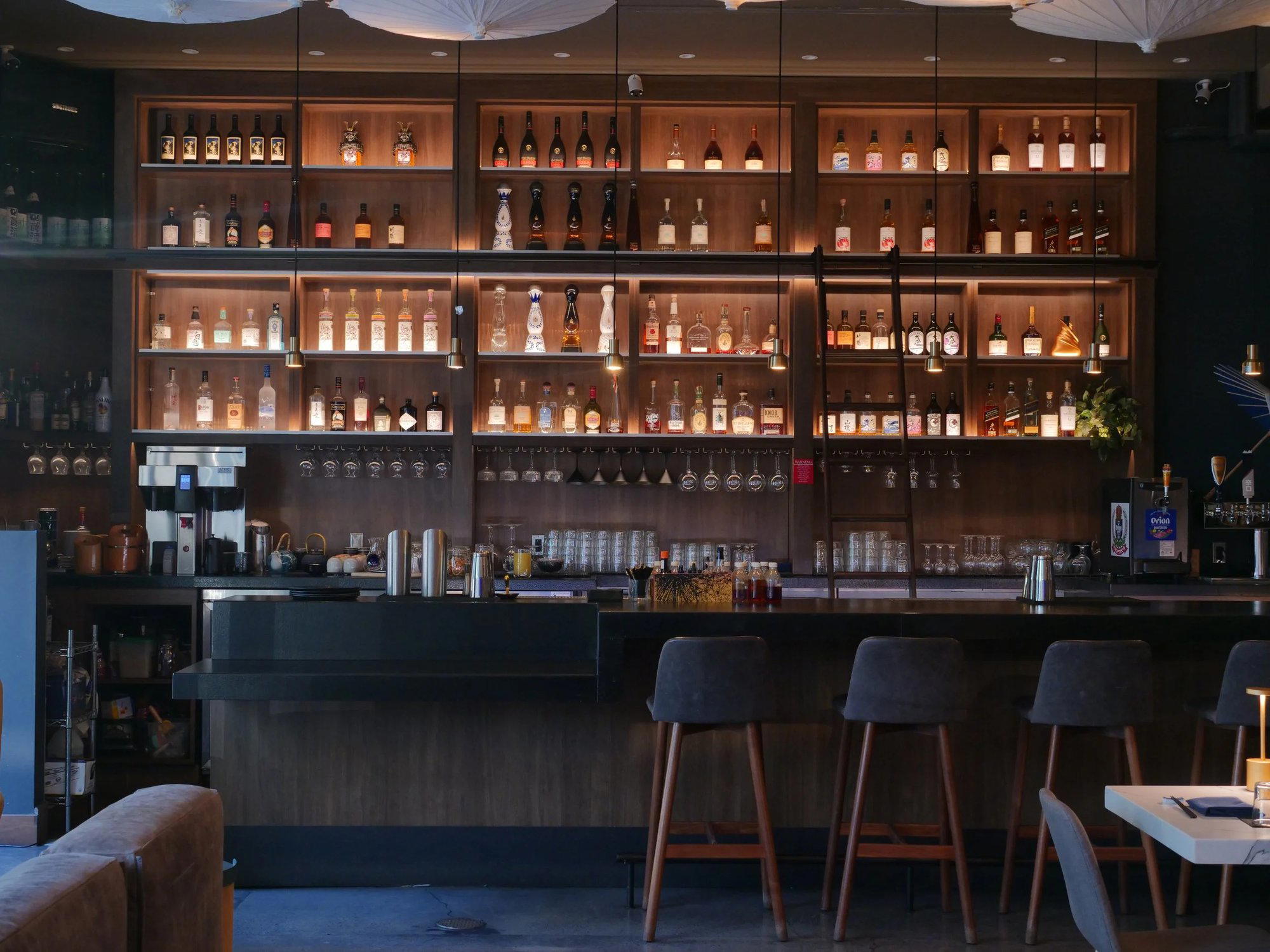
Where Koreatown Meets the Tasting-Menu Conversation
Umaya is a Japanese omakase and kaiseki restaurant in Los Angeles, located at 3322 Wilshire Blvd #100 in Koreatown. Wilshire Boulevard through Koreatown is not the address most diners associate with Los Angeles's serious tasting-menu circuit. That circuit, anchored downtown and in mid-city pockets, has traditionally clustered around neighbourhoods with more established fine-dining infrastructure. Umaya, at 3322 Wilshire Blvd, operates at a remove from that geography, and that positioning is itself a signal. In a city where Kato redefined what a New Taiwanese progression could achieve at the highest level, and where Hayato made kaiseki-inflected Japanese cooking a serious alternative to omakase counters, there is now space for restaurants that operate in the interstices of category, places that draw on a tradition without being fully defined by it.
The broader Los Angeles scene has split in a direction that rewards patience. Multi-course formats that once felt like imports from New York or Chicago now have genuine local roots. Somni pushed molecular progression into high-concept territory; Providence built a two-Michelin-star seafood argument over two decades. What has emerged is a city where the tasting menu is no longer a curiosity but a primary format, and where the sequencing logic of a meal has become as scrutinised as the cooking itself.
The Architecture of a Progression
The strongest tasting-menu programs in Los Angeles share a structural logic: the early courses establish register, the middle courses carry the main culinary argument, and the final courses resolve rather than simply end. It is a framework borrowed from kaiseki tradition, refined through European tasting culture, and now applied with increasing confidence by kitchens that draw on neither exclusively. The leading progressions in the city, at Kato, for instance, feel like a single coherent sentence rather than a list of dishes.
That structural ambition is what separates the serious multi-course room from the prix-fixe restaurant that has simply removed the à la carte option. It demands that each course justify its position in the sequence: that the transition from savoury to sweet feels reasoned rather than mechanical. Nationally, kitchens at Alinea in Chicago, Lazy Bear in San Francisco, and Single Thread Farm in Healdsburg have made that sequencing logic a defining characteristic, as much a signature as any individual plate. On the East Coast, Le Bernardin in New York City and The Inn at Little Washington have sustained the same approach across decades.
Koreatown as Context
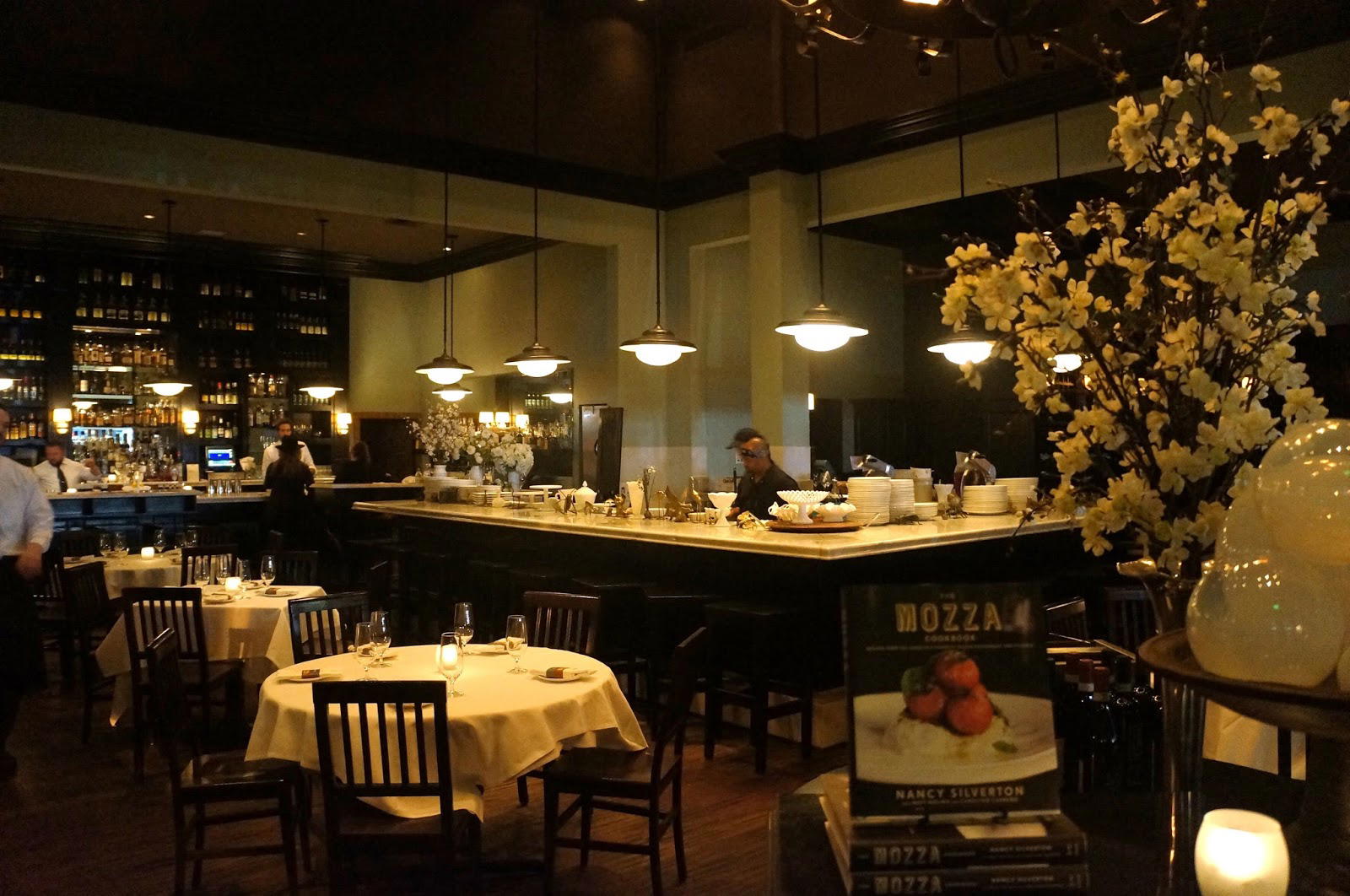
The neighbourhood matters here more than it might elsewhere. Koreatown on Wilshire is a dense, round-the-clock district where the dominant dining culture runs toward late-night barbecue, banchan-heavy spreads, and competitive casual Korean. It is not a neighbourhood that has historically hosted the slower rhythms of a multi-course dinner designed to occupy two hours or more. That contrast can work in a restaurant's favour: a deliberate, course-by-course experience reads differently when the street outside operates at a different tempo. Osteria Mozza demonstrated years ago that a serious kitchen does not require a neighbourhood already saturated with peers, it can define the level of a block rather than conform to it.
The Wilshire corridor also connects Koreatown to a broader Los Angeles arc, running west through Mid-Wilshire and into more established dining zones. For diners approaching from the west side, it is a meaningful detour rather than a natural stop. For those already in Koreatown, the surrounding options are plentiful but operate in a different register entirely. Both dynamics shape the room: the audience is self-selecting in a way that restaurants in more obviously fine-dining-dense corridors are not.
Situating Umaya in the Current comparable set
Within Los Angeles's upper tier, the relevant comparisons are the more recently established kitchens that have built their arguments around cuisine specificity and format discipline. Hayato in the Row DTLA operates a kaiseki format with rigorous sourcing credentials. Kato on Sawtelle has earned national recognition for a New Taiwanese progression that treats both Asian and Western technique as equally available tools. These are not restaurants that explain their heritage; they demonstrate it through the sequence of what arrives at the table.
Nationally, the comparable set extends to kitchens like Atomix in New York City, which has built among the more closely watched Korean fine-dining progressions in the country, and Addison in San Diego, California's first Michelin three-star, which applies French technique to an American seasonal framework. Further afield, Blue Hill at Stone Barns and Bacchanalia in Atlanta represent the farm-to-progression model at its most established. What these kitchens share is a commitment to the meal as a designed experience rather than a succession of independent plates. Umaya operates in the same general conversation.
Planning Your Visit
Umaya is located at 3322 Wilshire Blvd, Suite 100, in the heart of Koreatown. Street parking on Wilshire is available but constrained during evening hours; the surrounding blocks have additional options, and the neighbourhood is accessible via Metro's Purple Line. Reservations are recommended. Diners approaching from the west side should account for Wilshire's variable traffic, particularly on weekday evenings.
The Quick Read
Comparable venues nearby, for context on price, style, and recognition.
| Venue | Cuisine | Price | Notes |
|---|---|---|---|
| UmayaThis venue — the venue you are viewing | Not listed | $$$$ | Not listed |
| Norikaya | Wilshire Center, Handrolls & Izakaya | $$$$ | Not listed |
| Katsuya | Not listed | $$$$ | Westwood, Modern Japanese Sushi & Omakase |
| Shintaro | Not listed | $$$ | Hollywood Hills, Traditional Japanese Sushi |
| KIWAMI by Katsu-ya | Studio City, Modern Japanese Omakase | $$$$ | Not listed |
| Manpuku Japanese BBQ Los Angeles | Sawtelle, Japanese Yakiniku BBQ | $$$ | Not listed |
Continue exploring
More in Los Angeles
Restaurants in Los Angeles
Browse all →
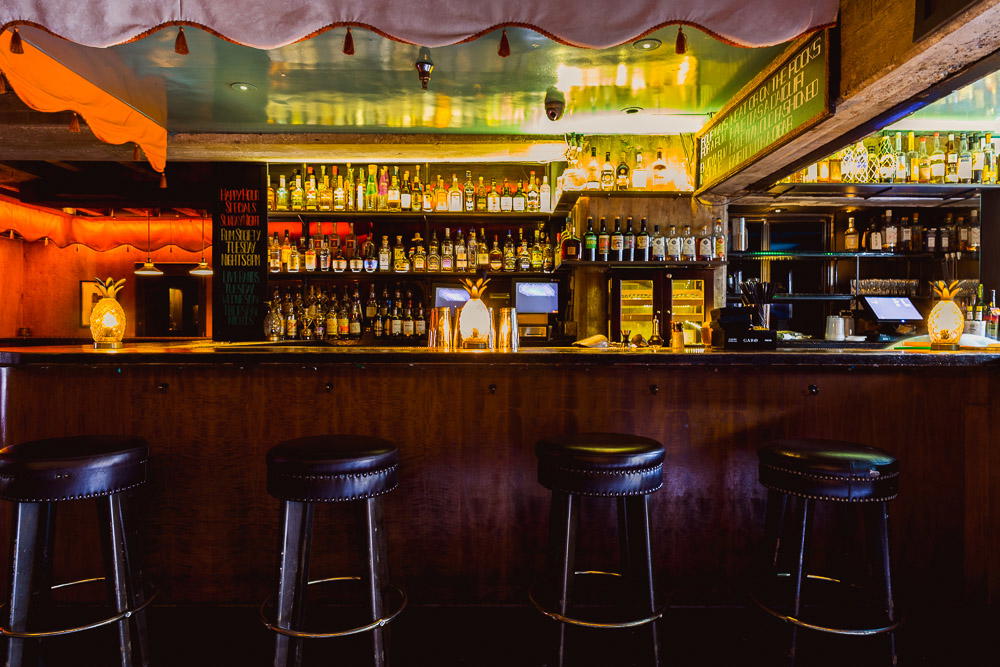
Bars in Los Angeles
Browse all →

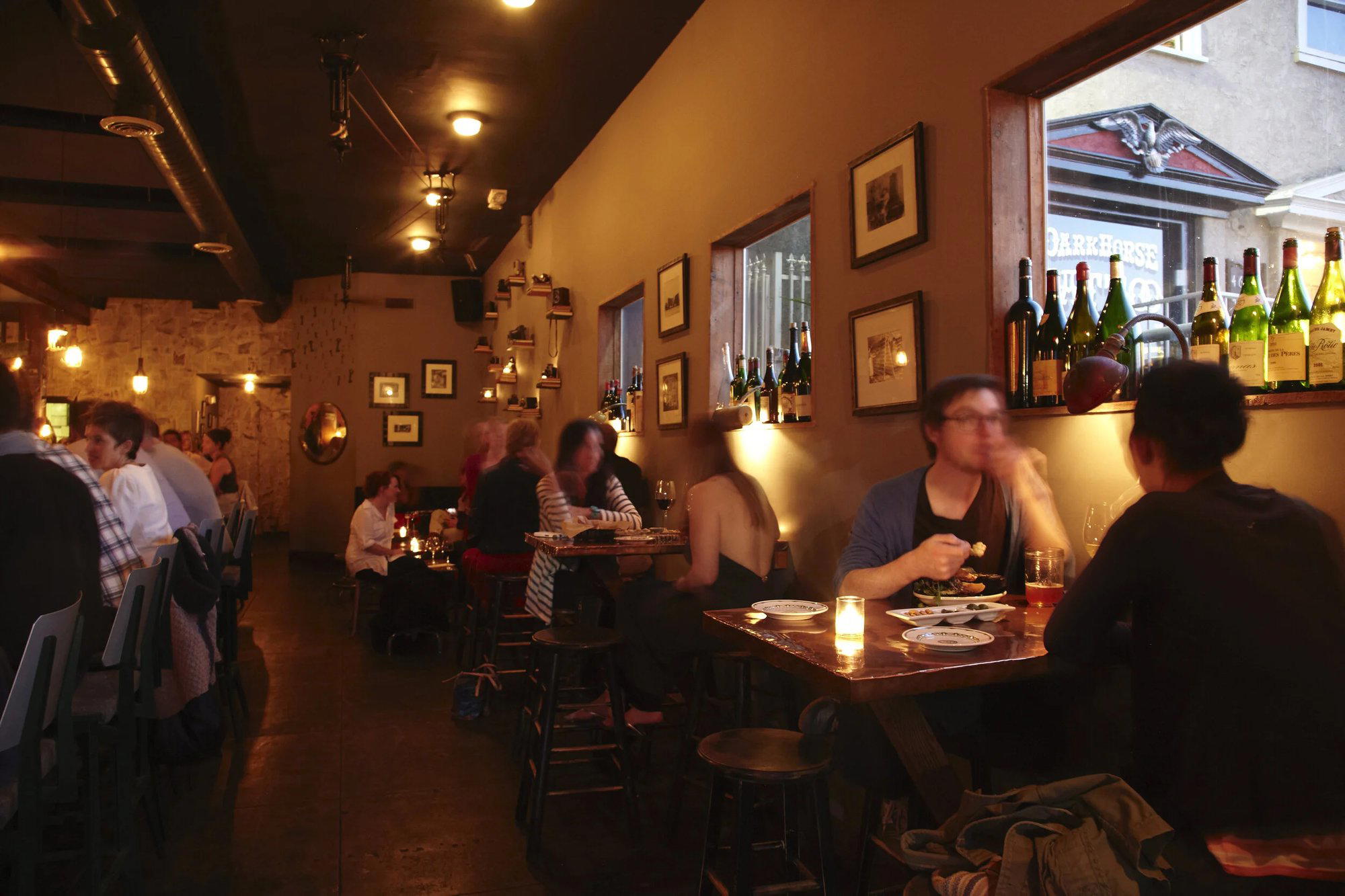
Hotels in Los Angeles
Browse all →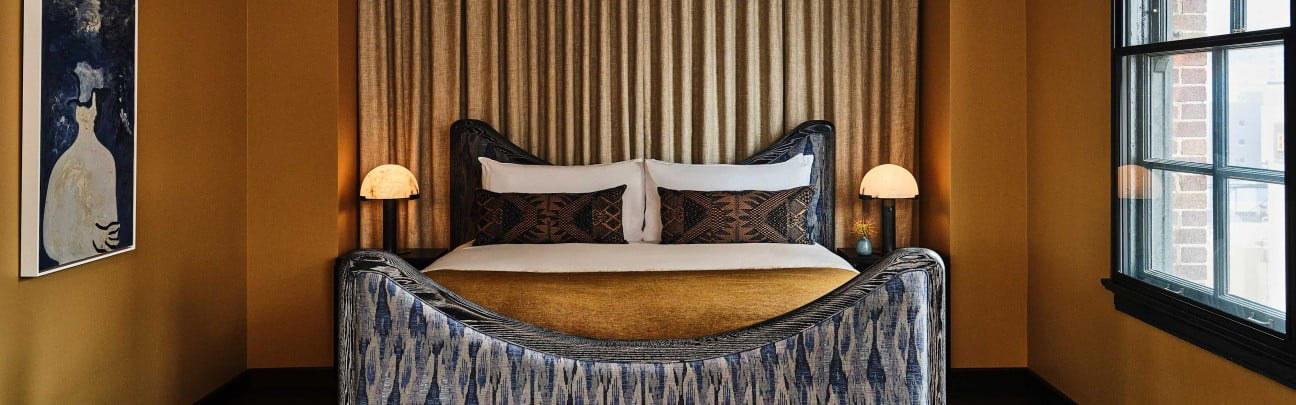
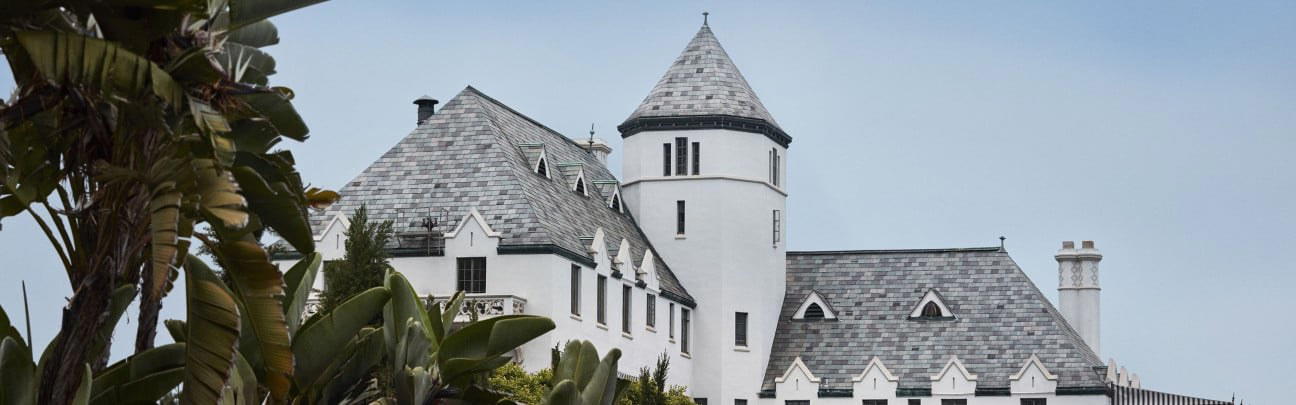
Wineries in Los Angeles
Browse all →
At a Glance
- Elegant
- Sophisticated
- Intimate
- Date Night
- Special Occasion
- Chefs Counter
- Craft Cocktails
- Sake Program
Current opening hours
- Monday
- Closed
- Tuesday
- 11:30 AM–2 PM, 5:30–10 PM
- Wednesday
- 11:30 AM–2 PM, 5:30–10 PM
- Thursday
- 11:30 AM–2 PM, 5:30–10 PM
- Friday
- 11:30 AM–2 PM, 5:30–10 PM
- Saturday
- 5:30–10 PM
- Sunday
- Closed
Hours can change for holidays and private events. Last verified .
Moderate noise level with an elegant ambiance rated 4.5 by diners.