
Michelin Plate
Our verdict
Inside a converted kindergarten on the banks of the Argentina river, Umami brings contemporary tasting menus to one of Liguria's quieter inland villages. The kitchen draws on local traditions and valley produce, with à la carte ordering available from within the tasting format. A Michelin Plate in 2025 marks it as a serious address in a region where that kind of recognition is earned slowly.

Pearl is the En Primeur Club membership app — saves, bookings, and concierge access live there. Same editors, same standards.
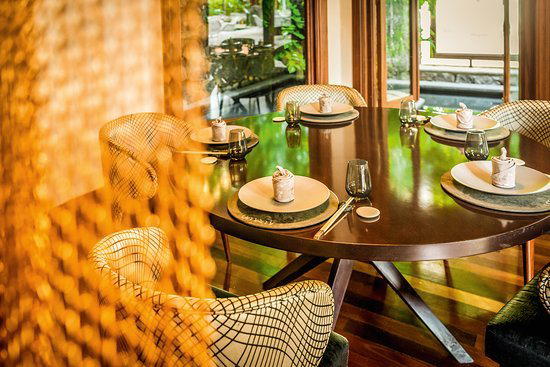
A Village Setting That Earns Its Attention
The Argentina Valley, which takes its name from the river threading through it, is Liguria's interior at its most unassuming: stone villages, terraced olive groves, and a quietness that coastal resorts in the region rarely offer. Badalucco sits along that river, small enough that any new restaurant becomes a local event. The building that houses Umami was once the village kindergarten, and the conversion has kept the structure's modest character rather than obscuring it. In summer, a terrace opens practically onto the Argentina's banks, which sets the physical terms of the meal before a single dish arrives.
That setting matters for how the food is received. Ingredient-led modern Italian cooking reads differently when the surrounding valley is the visible source of the tradition being referenced. The Argentina Valley's micro-climate, shaped by altitude and proximity to the Ligurian coast, produces olives, herbs, and foraged goods that appear in the contemporary repertoire Umami is building. The kitchen's framing of local produce is not decorative regionalism; the valley itself functions as an implicit argument for what ends up on the plate.
The Sourcing Logic Behind the Menu
Contemporary Italian restaurants at the €€€€ tier, from Atelier Moessmer Norbert Niederkofler in Brunico to Reale in Castel di Sangro, have made hyper-local sourcing central to their critical identity. That move works partly because the restaurants can afford the supply relationships and partly because their locations give them geographic specificity to argue from. Umami operates at the €€ price point, which means the sourcing ambition has to be genuine rather than aspirational, because the margin to perform it theatrically does not exist.
The Argentina Valley provides that grounding. Ligurian cuisine has always been built on what the land yields rather than what can be imported: the olive oil here is among Italy's most prized, the herbs are intense from the combination of mountain air and Mediterranean light, and the river valley itself supplies a culinary vocabulary that does not need embellishment. A kitchen working from those materials has a specific editorial task: to clarify what local tradition actually contains rather than to overlay it with technique borrowed from elsewhere. The tasting menus at Umami are the format in which that task plays out, with the option to order individual dishes à la carte from within the menu structure offering flexibility that tighter formats elsewhere do not.
For a comparative frame on how Ligurian and broader Ligurian-adjacent Italian traditions have been treated at higher price points, Quattro Passi in Marina del Cantone and Uliassi in Senigallia represent the coastal Italian fine dining tier against which inland village cooking like this is sometimes measured. The comparison is instructive precisely because Umami is not chasing that register. The village setting and mid-range pricing define a different ambition: to make the Argentina Valley legible on a plate rather than to produce a destination restaurant in the conventional sense.
What the Michelin Plate Signals
A Michelin Plate, awarded in 2025, is Michelin's formal signal that a kitchen is producing cooking worth attention, distinct from the starred tier but placed above anonymous recognition. In a village the size of Badalucco, inside a region where the Guide's coverage of inland Liguria is thin, that designation functions as a marker of credibility for visitors making the trip specifically to eat. It also positions Umami within a competitive set that includes ambitious regional cooking across northern Italy rather than only the immediate area.
For context on how Italian fine dining credentials tend to accumulate, the restaurants that have built long reputations in Italy, from Dal Pescatore in Runate to Osteria Francescana in Modena, typically earned early recognition precisely when they were operating between tiers: known enough to be tracked, not yet visible enough to be crowded. The Michelin Plate at Umami marks that early-recognition phase. Visitors arriving now are doing so during a period when the cooking is being shaped rather than consolidated, which is often when a restaurant's particular character is most legible.
Other Italian kitchens that have moved through this phase and into broader recognition include Piazza Duomo in Alba, Le Calandre in Rubano, and Casa Perbellini 12 Apostoli in Verona. For international modern cuisine that applies similar ingredient-sourcing discipline at a higher price tier, Frantzén in Stockholm and FZN by Björn Frantzén in Dubai show how that logic scales. Umami operates at a different scale entirely, but the sourcing discipline the Plate recognizes connects it to that broader conversation.
Planning the Visit
Badalucco sits in the Argentina Valley in the Ligurian hinterland, accessible from the coast by road through Taggia. The drive inland from the coast takes roughly 30 to 40 minutes depending on the starting point, and arriving by car is the practical approach given the village's size and the absence of direct public transport links. The summer terrace on the Argentina riverbank is the season when the setting is most coherent with the food's local argument, though the converted interior retains the character of the original building year-round. For accommodation, dining, and wider exploration in the area, see our full Badalucco hotels guide, and for drinks before or after, our Badalucco bars guide covers the local options. The full Badalucco restaurants guide maps the village's dining across formats and price points, and our Badalucco wineries guide and Badalucco experiences guide help build a full day or weekend around the Argentina Valley. Enrico Bartolini in Milan and Enoteca Pinchiorri in Florence are natural reference points if Umami is part of a wider Italian itinerary at different price tiers.
Frequently asked questions
Is Umami child-friendly?
At the €€ price point in a small Ligurian village, Umami's format is relaxed enough that it is unlikely to be unwelcoming to children, but the tasting menu structure and riverside terrace setting make it better suited to adults or older children who will engage with the meal.
Is Umami better for a quiet night or a lively one?
Badalucco is a small inland village, and Umami's setting on the Argentina river reflects that register entirely. This is a quiet-evening address in every respect: the Michelin Plate recognition and €€ pricing confirm a kitchen focused on the food rather than the atmosphere, and visitors looking for energy should adjust expectations accordingly. The lively options in this part of Liguria sit closer to the coast.
What should I order at Umami?
The tasting menu is the kitchen's primary editorial statement, shaped by local Ligurian traditions and the Argentina Valley's produce, and the Michelin Plate recognizes the cooking in that format. The option to order individual dishes à la carte from within the tasting structure means flexibility is built in, so starting from the tasting menu and adjusting is the practical approach for a first visit.
A Quick Peer Check
| Venue | Cuisine | Price | Awards | Notes |
|---|---|---|---|---|
| UmamiThis venue — the venue you are viewing | Modern Italian Fusion | Not listed | Michelin Plate | Not listed |
| Atelier Moessmer Norbert Niederkofler | Italian, Creative | Not listed | Michelin 3 Star | Not listed |
| Dal Pescatore | Italian, Italian Contemporary | Not listed | Michelin 3 Star | Not listed |
| Enoteca Pinchiorri | Contemporary Italian Fine Dining | $200–300 | 3 Michelin Stars · World's 50 Best #32 | Italian - French, Italian Contemporary |
| Enrico Bartolini | Creative | Not listed | Michelin 3 Star | Not listed |
| Osteria Francescana | Avant-Garde Italian Contemporary | $300–500 | 3 Michelin Stars · World's 50 Best #1 | Progressive Italian, Creative |
Recognition history
Dated appearances from independent guides and award organizations, with the underlying list record or original source where available.
Michelin Plate
Michelin
Full recognition history (2 entries)
Michelin Plate
Michelin
Continue exploring
More in Badalucco
Restaurants in Badalucco
All restaurants in Badalucco →
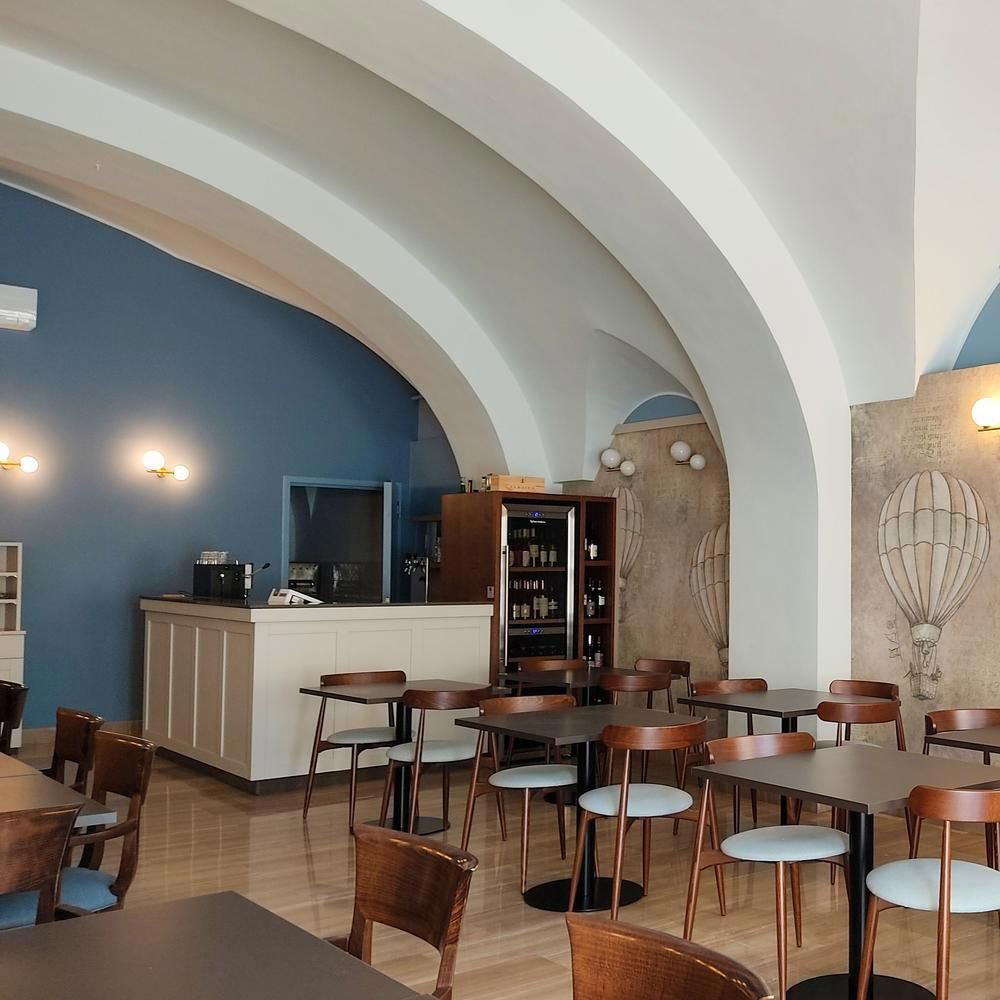
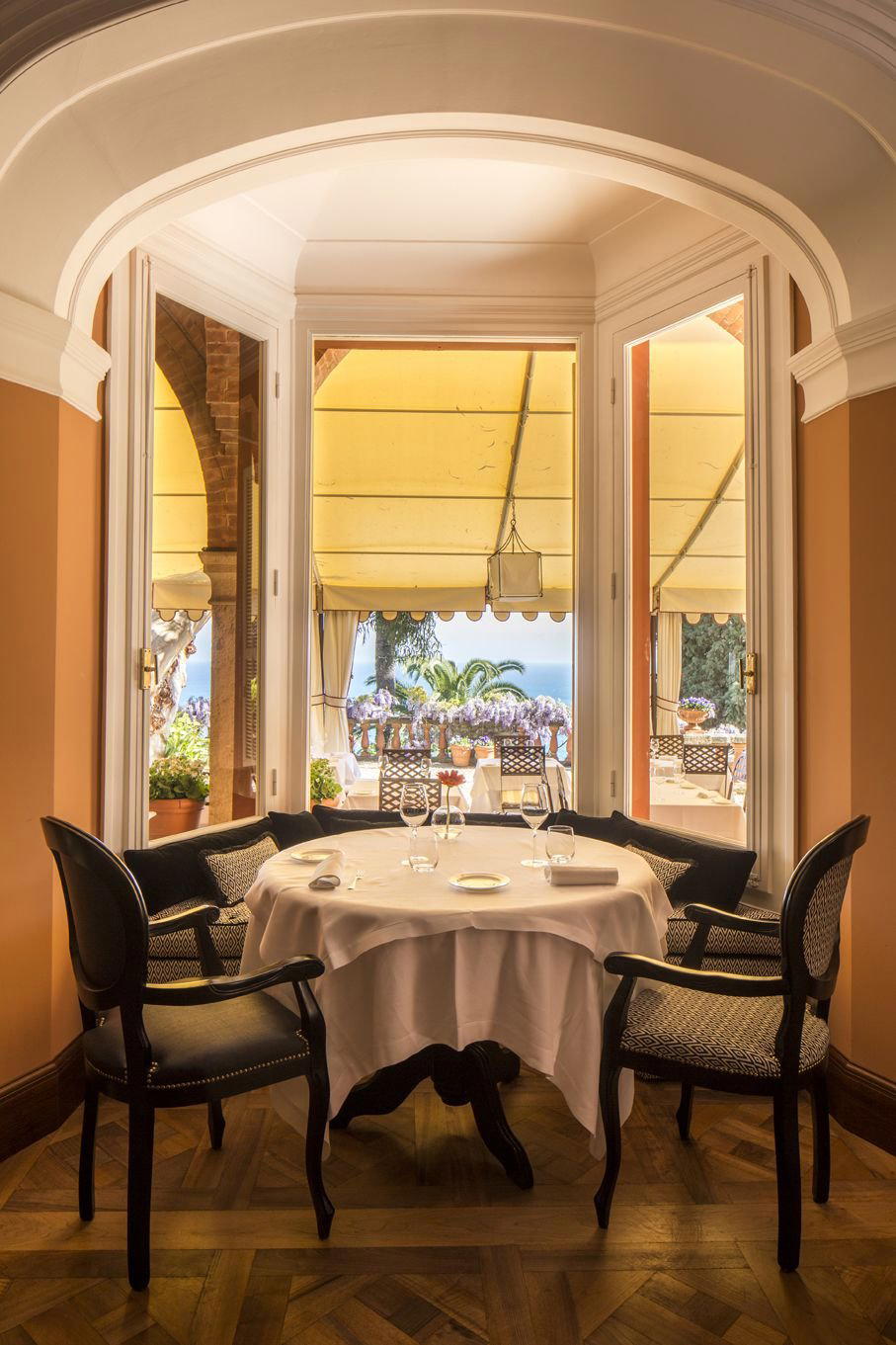
Bars in Badalucco
Browse all →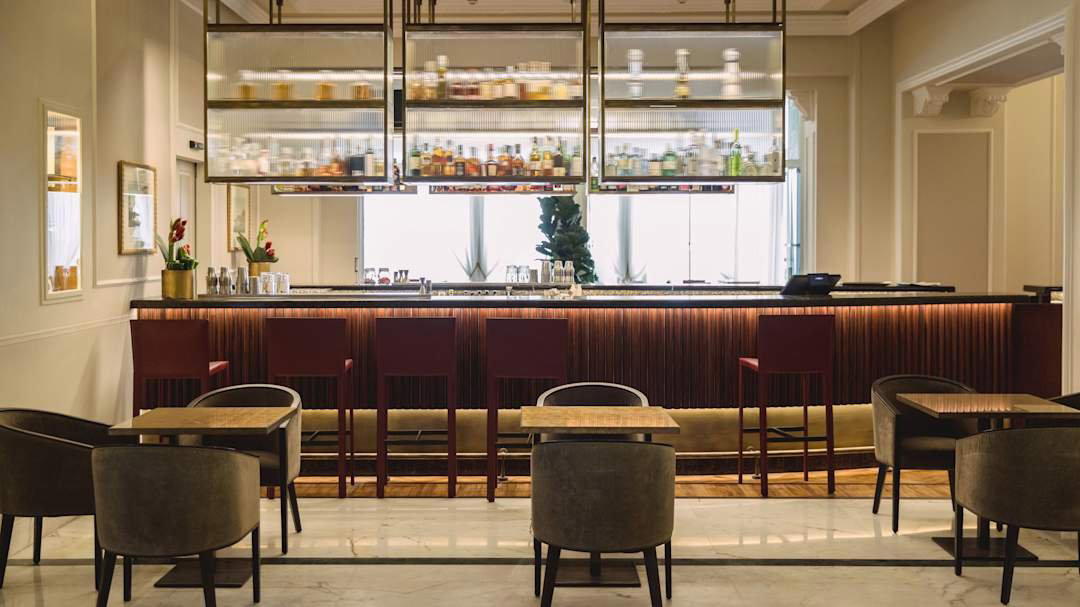
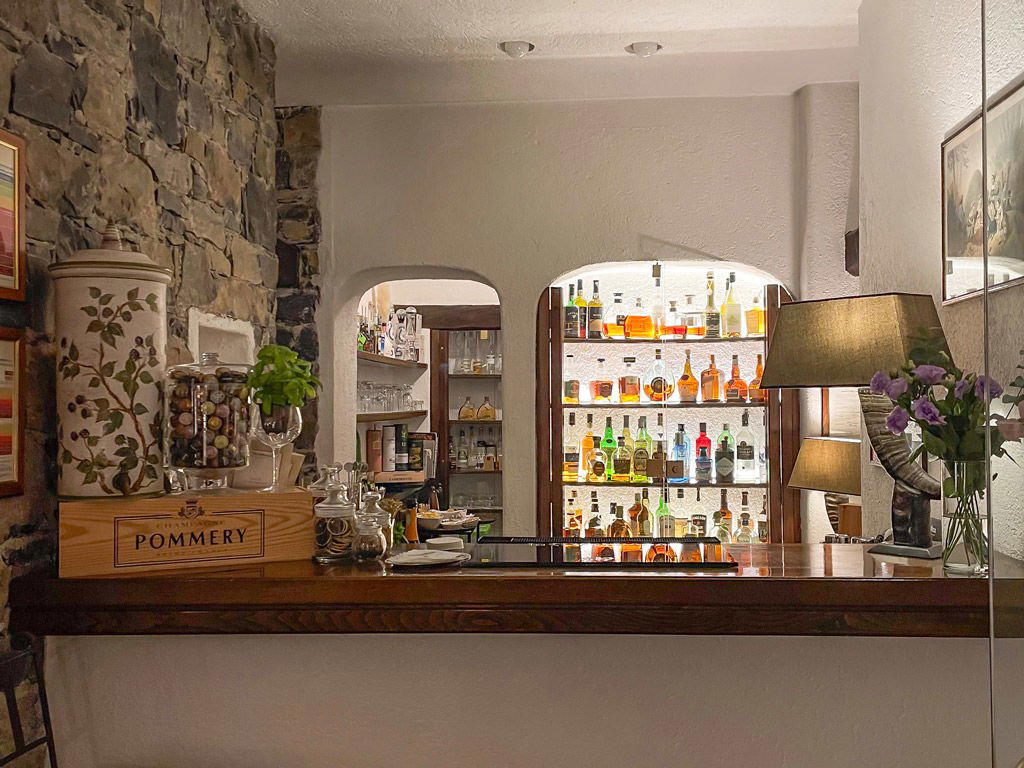

Details
- Modern
- Cozy
- Intimate
- Date Night
- Special Occasion
- Standalone
- Beer Program
- Tasting Menu
- Vegan Options
Current opening hours
- Monday
- 12–2:15 PM, 7:30–9:45 PM
- Tuesday
- Closed
- Wednesday
- 12–2:15 PM, 7:30–9:45 PM
- Thursday
- 12–2:15 PM, 7:30–9:45 PM
- Friday
- 12–2:15 PM, 7:30–9:45 PM
- Saturday
- 12–2:15 PM, 7:30–9:45 PM
- Sunday
- 12–2:15 PM, 7:30–9:45 PM
Hours can change for holidays and private events. Last verified .
Modern, welcoming, cozy, and magical atmosphere with nice ambience.