Tun Lahmajo

LA Times 101 Best Restaurants #100
Our verdict
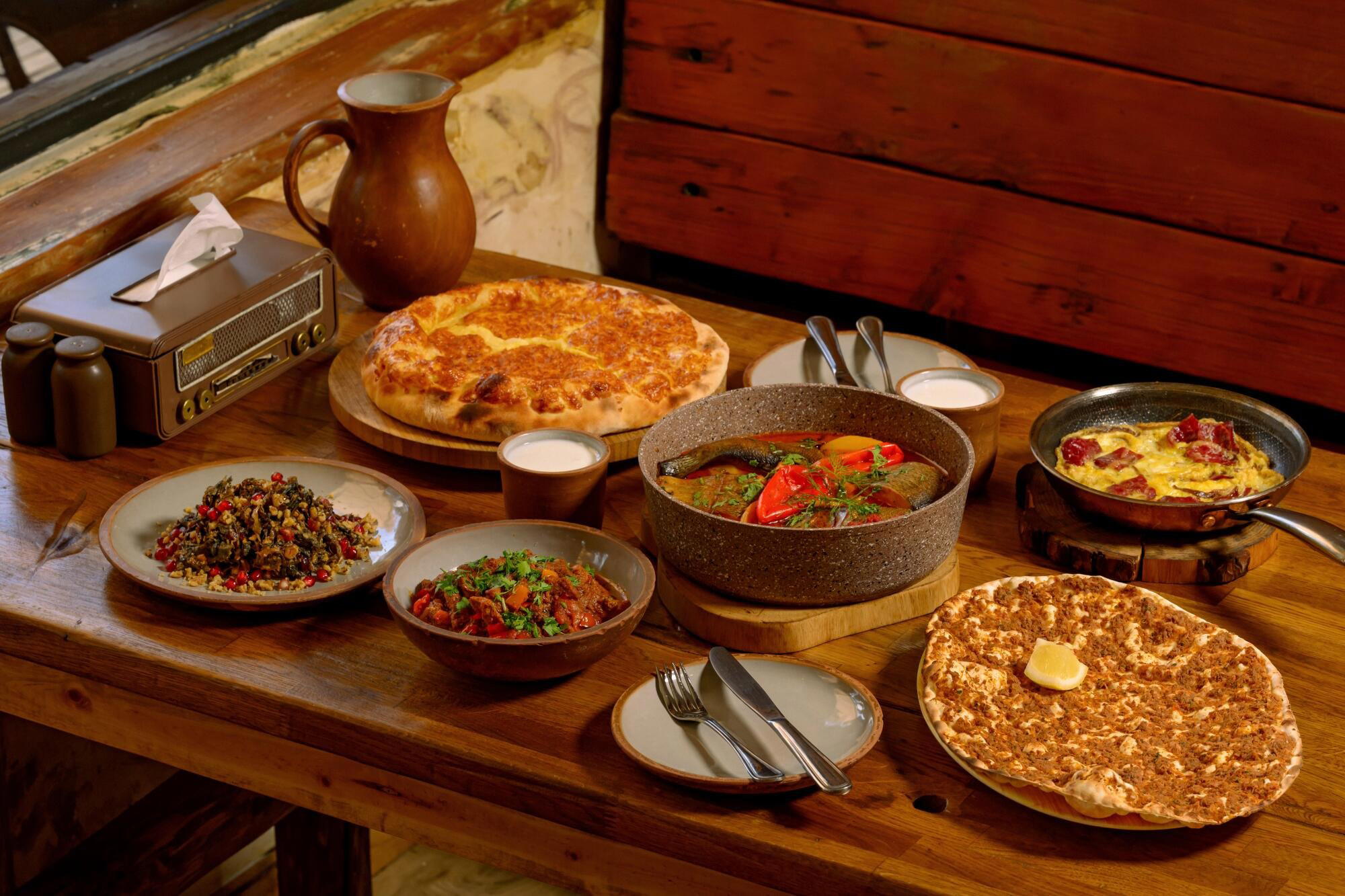
Tun Lahmajo is a family-run Armenian restaurant on North Glenoaks Boulevard in Burbank, specializing in traditional flatbreads including lahmajo and khachapuri. The kitchen leans into homestyle cooking rooted in Armenian baking tradition, making it one of the San Fernando Valley's most focused destinations for the cuisine. A casual, unpretentious room serves a community that takes its bread seriously.

Pearl is the En Primeur Club membership app — saves, bookings, and concierge access live there. Same editors, same standards.
The menu
What to order
- Lahmajo
- Adjarian Khachapuri
- Megrelakan Khachapuri
- Lamb Ribs
- Ker u Sus
Armenian Bread Culture in the San Fernando Valley
Los Angeles has long carried one of the largest Armenian diaspora populations outside the Caucasus region itself, concentrated heavily across Glendale, Burbank, and the broader San Fernando Valley corridor. That demographic reality has shaped an entire ecosystem of family-owned restaurants, bakeries, and deli counters that operate largely outside the city's restaurant media circuit. Our full Los Angeles restaurants guide maps the city's dining range from omakase counters to neighborhood institutions, and Tun Lahmajo falls firmly in the latter category: a Burbank address that serves a specific community with deep knowledge of exactly what it's eating.
Armenian flatbread culture carries the same kind of precision and regional variation that Italian pasta or Japanese ramen commands in their respective communities. Lahmajo, the thin round bread topped with spiced minced meat, and khachapuri, the Georgian-adjacent cheese-filled bread that has become part of the broader Caucasian diaspora table, are not dishes that reward careless production. The dough must be thin enough to char at the edges under high heat, the topping distribution even enough to cook uniformly, the cheese pull on khachapuri loose and hot. A kitchen that specializes here is making a specific technical commitment rather than offering these as side-notes to a longer menu.
What the Focus on Bread Actually Signals
Specialization in a single bread category is an underappreciated form of culinary sustainability. In a restaurant culture that frequently pressures kitchens toward long, broad menus that spread ingredient purchasing across dozens of SKUs, a bread-forward operation at Tun Lahmajo's scale runs on a tighter, lower-waste model. Flour, specific fat sources, cheese, and a narrow range of spiced meat preparations form the core of the purchasing cycle. That concentration means fresher product turnover and less systemic food waste than a diversified menu would produce — a structural advantage that many high-volume kitchens at the Providence (Contemporary Seafood) end of the market actively engineer through their own focused sourcing programs, but which smaller family operations achieve through necessity and tradition.
Armenian baking traditions are also inherently low-intervention, which aligns with broader conversations about ingredient ethics happening across Los Angeles dining right now. At Kato and Hayato, the sourcing conversation is explicit and often documented on the menu. At a family operation like Tun Lahmajo, the sourcing choices are embedded in community practice rather than articulated as a program — the spice blends, the cheese sourcing from suppliers within the Armenian commercial corridor, the reliance on direct relationships rather than broadline distribution. Neither approach is superior, but both reflect a seriousness about ingredient provenance that matters to the final product.
The Room and the Regulars
Burbank's North Glenoaks Boulevard runs through a stretch of the San Fernando Valley that reads as functional rather than fashionable, auto shops, strip malls, and the kind of commercial signage that communicates utility over aesthetics. Tun Lahmajo operates in that context without apology. The cozy, family-run atmosphere described by the restaurant positions it clearly within the neighborhood diner category rather than the destination-restaurant circuit that puts Somni or Osteria Mozza on visitor itineraries. This is a room where regulars eat with the confidence of knowing exactly what they want before they sit down.
That pattern of repeat, community-anchored traffic is one of the more reliable trust signals in Los Angeles dining. The city's Armenian community maintains high standards for its diaspora cuisine because comparison is immediate, grandmothers, relatives, and a dozen competing family-run operations within a few miles all produce their own lahmajo. A kitchen that survives and sustains a loyal base in that environment is demonstrating something that a Michelin star in a different context also demonstrates: consistent execution that a specific, knowledgeable audience keeps returning to validate.
Where Tun Lahmajo Sits in a Broader Los Angeles Context
The range within Los Angeles dining is genuinely extreme. The same city supports Le Bernardin-caliber technical precision at places like Providence, inventive tasting-menu formats at Lazy Bear comparables, and restaurants like Alinea-influenced progressives in Somni. But the city's strongest claim on dining culture is arguably its ethnic community restaurants, which operate with a depth and authenticity that derives from a population that eats those cuisines at home, argues about them, and holds restaurants accountable in ways that tourist-facing dining never faces.
Armenian food in Los Angeles is part of that accountability culture. The community large enough to sustain multiple Armenian restaurants across Glendale and Burbank is also educated enough to distinguish between a production shortcut and a correct technique. Within that context, a restaurant that has built a reputation specifically around its breads has staked a narrower claim, and a harder one to sustain through anything other than consistent quality. Visitors familiar with the formats at The French Laundry or SingleThread Farm approaching Tun Lahmajo for the first time will encounter a completely different value proposition: no ceremony, no tasting format, no Atomix-style course progression. What they will find is a kitchen doing a specific thing with the kind of focus that fine dining operations often spend considerably more money to approximate.
Planning Your Visit
Tun Lahmajo is located at 2202 N Glenoaks Blvd, Burbank, CA 91504, in the central Burbank corridor between the 5 and 134 freeways. The area is accessible by car with street and lot parking common to the commercial strip. For those building a broader San Fernando Valley dining day, the Glendale-Burbank axis offers enough Armenian and Middle Eastern options to fill multiple meals. No website or online booking system is listed for the restaurant, which suggests walk-in seating as the standard approach. The family-run model and casual atmosphere indicate that the operation functions on a first-come basis, and visiting during off-peak lunch hours or early evening shifts will typically offer the fastest seating. For broader Los Angeles planning, our Los Angeles hotels guide, bars guide, and experiences guide provide wider context on the city's hospitality range. Wine-focused visitors should also consult our Los Angeles wineries guide.
Frequently asked questions
What do regulars order at Tun Lahmajo?
Is Tun Lahmajo reservation-only?
What is Tun Lahmajo leading at?
How does Tun Lahmajo handle allergies?
How does Tun Lahmajo compare to other Armenian bread specialists in the Los Angeles area?
Where the Accolades Land
Comparable venues nearby, for context on price, style, and recognition.
| Venue | Cuisine | Price | Awards | Notes |
|---|---|---|---|---|
| Tun LahmajoThis venue (the venue you are viewing) | Armenian Flatbread & Khachapuri | $20–30 | LA Times 101 Best Restaurants #100 | Not listed |
| Tehran Market | Persian Market with Kebabs | $10–20 | Not listed | Encino |
| Al Baraka Restaurant | Authentic Palestinian | $20–30 | LA Times 101 Best Restaurants #32 | Little Arabia |
| Shamshiri | Authentic Persian Grill | $20–30 | Not listed | Little Persia |
| Tacos Pasadita | Dining | Not listed | LA Taco Best Tacos in LA #25 | Valley Glen |
| Daughter’s Deli | Jewish Deli | $20–30 | Not listed | Crescent |
Recognition history
Dated appearances from independent guides and award organizations, with the underlying list record or original source where available.
LA Times 101 Best Restaurants #100
LA Times
Continue exploring
More in Los Angeles
Restaurants in Los Angeles
All restaurants in Los Angeles →
Bars in Los Angeles
All bars in Los Angeles →
Hotels in Los Angeles
All hotels in Los Angeles →

Wineries in Los Angeles
All wineries in Los Angeles →
Details
- Rustic
- Cozy
- Casual
- Casual Hangout
- Group Dining
- Family
- Open Kitchen
- Standalone
- A La Carte
- Family Style
- Armenian Coffee
- Vegetarian Friendly
Current opening hours
- Monday
- 10 AM–10 PM
- Tuesday
- 10 AM–10 PM
- Wednesday
- 10 AM–10 PM
- Thursday
- 10 AM–10 PM
- Friday
- 10 AM–10 PM
- Saturday
- 10 AM–10 PM
- Sunday
- 10 AM–10 PM
Hours can change for holidays and private events. Last verified .
Casual dining room lined with grainy woods designed to resemble a summer cabin, with an outdoor patio where breeze trickles through; lively atmosphere with servers rushing hot breads straight from the oven.