Al Baraka Restaurant

LA Times 101 Best Restaurants #32
Our verdict
Ranked #27 on the LA Times 101 Best Restaurants 2024 list, Al Baraka has anchored Anaheim's Little Arabia district since 2003, serving Palestinian home-style cooking — Musakhan, Mansaf, kubba laban — that rarely appears on restaurant menus. The kitchen operates as a family affair, producing dishes rooted in seasonal tradition and Palestinian culinary heritage that draw a loyal, returning crowd from across the region.

Pearl is the En Primeur Club membership app — saves, bookings, and concierge access live there. Same editors, same standards.
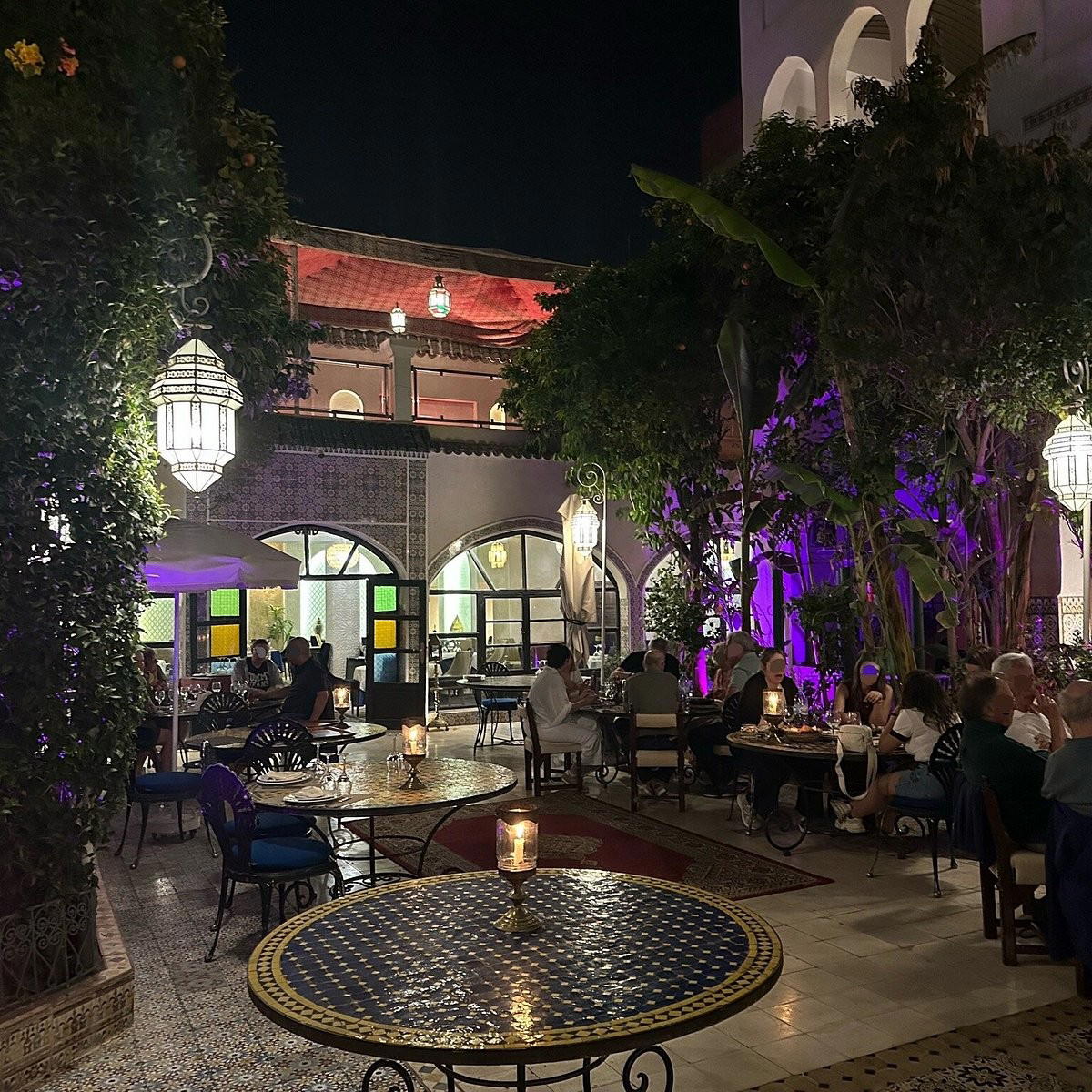
Where Palestinian Home Cooking Meets Public Dining
South Brookhurst Street in Anaheim runs through one of the most concentrated pockets of Arab-American life in California. Little Arabia is not a tourist district dressed up for outside attention; it is a working neighborhood with halal butchers, Arabic-language signage, and restaurants built around the habits of a community rather than the expectations of occasional visitors. Walking into Al Baraka, open since 2003, you feel that orientation immediately. The room is arranged for families eating together, not for solo diners performing solitude at a counter. Dishes arrive at the table in the quantities that Palestinian home kitchens produce them — generous, sequential, composed for sharing.
That community-first character is exactly what the restaurant's regulars cite when asked why they return. In a city where much of the dining conversation centers on Providence, Somni, and Kato — tasting menus priced at $200 and above, Al Baraka operates in a register that has almost nothing to do with those rooms, and everything to do with the kind of cooking that rarely survives the translation from household to commercial kitchen.
The Unwritten Menu That Regulars Know
The printed menu at Al Baraka covers a range of Palestinian dishes: tabbouleh, molokhia, kubba laban, Mansaf. But the people who return week after week come with a different kind of knowledge. They know to check the daily specials board, and they know that Saturday changes the equation entirely. Saturday means mshakhan, or mshakhan as the kitchen spells it, roast chicken piled onto flatbread with onions that have absorbed sumac until they turn a deep, dusky purple. This is the dish that defines autumn across Palestinian farming communities, traditionally eaten after the olive harvest, composed bite by bite from bread, chicken, and onion. At Al Baraka, it appears as a weekly special rather than a permanent fixture, which preserves its character as an occasion rather than a menu default.
The LA Times 2024 ranking, which placed Al Baraka at #27 on its list of the 101 Best Restaurants in the region, drew attention to a restaurant that the neighborhood had known for over two decades. The review's description of kufta with tahini, ground beef patted flat and baked, lemon cutting through the sauce, the whole thing arriving still warm from the oven, reads like the notes of someone encountering Palestinian home cooking for the first time and understanding immediately why it has sustained a loyal following. The sauce, described as lighting up bread, rice, and anything else it touches, is the kind of detail that sits in the memory of regulars who have eaten it ten or twenty times and still order it.
Molokhia, a pureed jute mallow soup, appears on the menu as the kind of dish that Palestinian and Egyptian households make from memory, rarely measuring ingredients. Getting it right in a restaurant context requires both technique and a specific understanding of what the dish should feel like, soothing, slightly viscous, warm in a way that feels intentional rather than incidental. The tabbouleh, according to the Times, tastes as bright as it looks: a herb-forward version that signals confidence in the basics rather than embellishment.
A Family Kitchen in a Restaurant Setting
Palestinian restaurant cooking in the United States tends to cluster around a limited set of familiar dishes, hummus, falafel, shawarma, that travel easily and require no explanation. Al Baraka's menu operates at a different depth. Kubba laban, beef and bulgur croquettes served in a satiny yogurt sauce, is the kind of preparation that requires both time and a specific understanding of texture. It is not a dish that scales easily or survives shortcuts. Its presence on the menu, alongside molokhia and the Saturday mshakhan, signals a kitchen that is not managing for efficiency but cooking from a specific culinary inheritance.
The kitchen operates as a family enterprise, with Aref Shatarah working the floor and Magida Shatarah cooking. That structure, one person front-of-house, one person in the kitchen, both invested in the outcome, is common among the most consistent neighborhood restaurants in Los Angeles and elsewhere. It produces a coherence that larger operations rarely achieve. The LA Times review noted that every dish from Magida's hands reveals exacting definition: a specific standard applied consistently across a menu that covers considerable range.
This kind of consistency is what the regulars are buying when they return on a Tuesday for molokhia and then come back on Saturday for the mshakhan. It is not novelty or rotation they are chasing. It is the reliability of a kitchen that knows what it is doing and does not drift.
Little Arabia in the Broader LA Dining Context
Los Angeles has a habit of producing dining scenes that operate largely independently of the city's central critical conversation. The restaurant tier that includes Hayato, Osteria Mozza, and the broader Michelin-tracked circuit receives sustained coverage and generates most of the booking pressure. Anaheim's Little Arabia, which has been developing since the 1990s, functions on a different logic: it is sustained by a resident population with specific expectations, not by the reservation-hunting habits of diners working through a list.
That separation has kept places like Al Baraka operating at a level of authenticity that neighborhood-driven restaurants often lose once outside attention arrives. The 2024 LA Times ranking represents a significant moment of crossover recognition, placing a Palestinian halal kitchen from Anaheim on the same list as rooms competing in entirely different price brackets and formats. For context, that list spans the range from our full Los Angeles restaurants guide, which covers everything from omakase counters to Eastside taco programs. Al Baraka's placement at #27 in that field, on the strength of home-style Palestinian cooking that has been consistent since 2003, is a signal worth registering.
For readers planning a broader Los Angeles visit, the city's hospitality extends well beyond the dining room. Our full Los Angeles hotels guide, bars guide, wineries guide, and experiences guide cover the wider range. For reference points on the tasting-menu tier that Al Baraka occupies a completely different position from, Le Bernardin in New York City, Alinea in Chicago, The French Laundry in Napa, Lazy Bear in San Francisco, Single Thread Farm in Healdsburg, Atomix in New York City, Emeril's in New Orleans, and 8 1/2 Otto e Mezzo Bombana in Hong Kong provide useful framing for how Al Baraka's neighborhood-anchored model differs from destination fine dining.
Planning Your Visit
Al Baraka is located at 413 S Brookhurst Street in Anaheim, within the Little Arabia district that runs along Brookhurst between Ball Road and Katella Avenue. The kitchen has been certified halal throughout its operation. Saturday visits, timed around the mshakhan special, require no reservation infrastructure, but arriving early in the afternoon is the practical move, given that the specials do not restock once they run out. The daily specials board is the real menu for anyone who already knows the printed version.
Frequently asked questions
What distinctions does Al Baraka Restaurant have?
Al Baraka Restaurant has received recognition including: Al Baraka Restaurant offers an authentic Arabian culinary experience, specializing in Palestinian home-style dishes like Musakhan and Mansaf. Located in Anaheim's Little Arabia, it has been serving traditional, high-quality halal food since….
What's the address for Al Baraka Restaurant?
Al Baraka Restaurant is located at 413 S Brookhurst St, Anaheim, CA 92804, Los Angeles.
What dish is Al Baraka Restaurant famous for?
The Saturday mshakhan draws the most devoted repeat visitors: roast chicken layered onto flatbread with sumac-stained onions, eaten by hand in the Palestinian tradition. The LA Times, which ranked Al Baraka #27 on its 101 Best Restaurants 2024 list, also singled out the kufta with tahini — ground beef baked into a pan and finished with a lemon-bright tahini sauce. Both dishes appear on a daily specials rotation rather than the fixed menu, so arrival day matters.
Should I book Al Baraka Restaurant in advance?
Al Baraka operates as a walk-in neighborhood restaurant at 413 S Brookhurst St in Anaheim, without a reservations system. Its #27 placement on the LA Times 101 Best Restaurants 2024 list has expanded its audience beyond the immediate Little Arabia community, so weekend visits — particularly Saturdays when the mshakhan special is served — can draw longer waits. Arriving early in the service period is the practical workaround.
At a Glance
| Venue | Cuisine | Price | Awards | Notes |
|---|---|---|---|---|
| Al Baraka RestaurantThis venue (the venue you are viewing) | Authentic Palestinian | $20–30 | LA Times 101 Best Restaurants #32 | Not listed |
| Kato | Modern Taiwanese Fine Dining | $300–500 | 2 Michelin Stars · World's 50 Best #49 | New Taiwanese, Asian |
| Hayato | Traditional Japanese Kaiseki | $300–500 | 2 Michelin Stars · La Liste Top Restaurants | Japanese |
| Vespertine | Avant-Garde Tasting Menu | $200–300 | 2 Michelin Stars · La Liste Top Restaurants | Progressive, Contemporary |
| Camphor | Modern French with Southeast Asian influences | $150–200 | Michelin Plate · World Best Burgers World's 101 Best Burgers #15 | French-Asian, French |
| Gwen | Contemporary American Steakhouse | $50–100 | Michelin Plate · Wine Spectator Best of Award of Excellence | New American, Steakhouse |
Recognition history
Dated appearances from independent guides and award organizations, with the underlying list record or original source where available.
LA Times 101 Best Restaurants #32
LA Times
Full recognition history (2 entries)
LA Times 101 Best Restaurants #27
LA Times
Continue exploring
More in Los Angeles
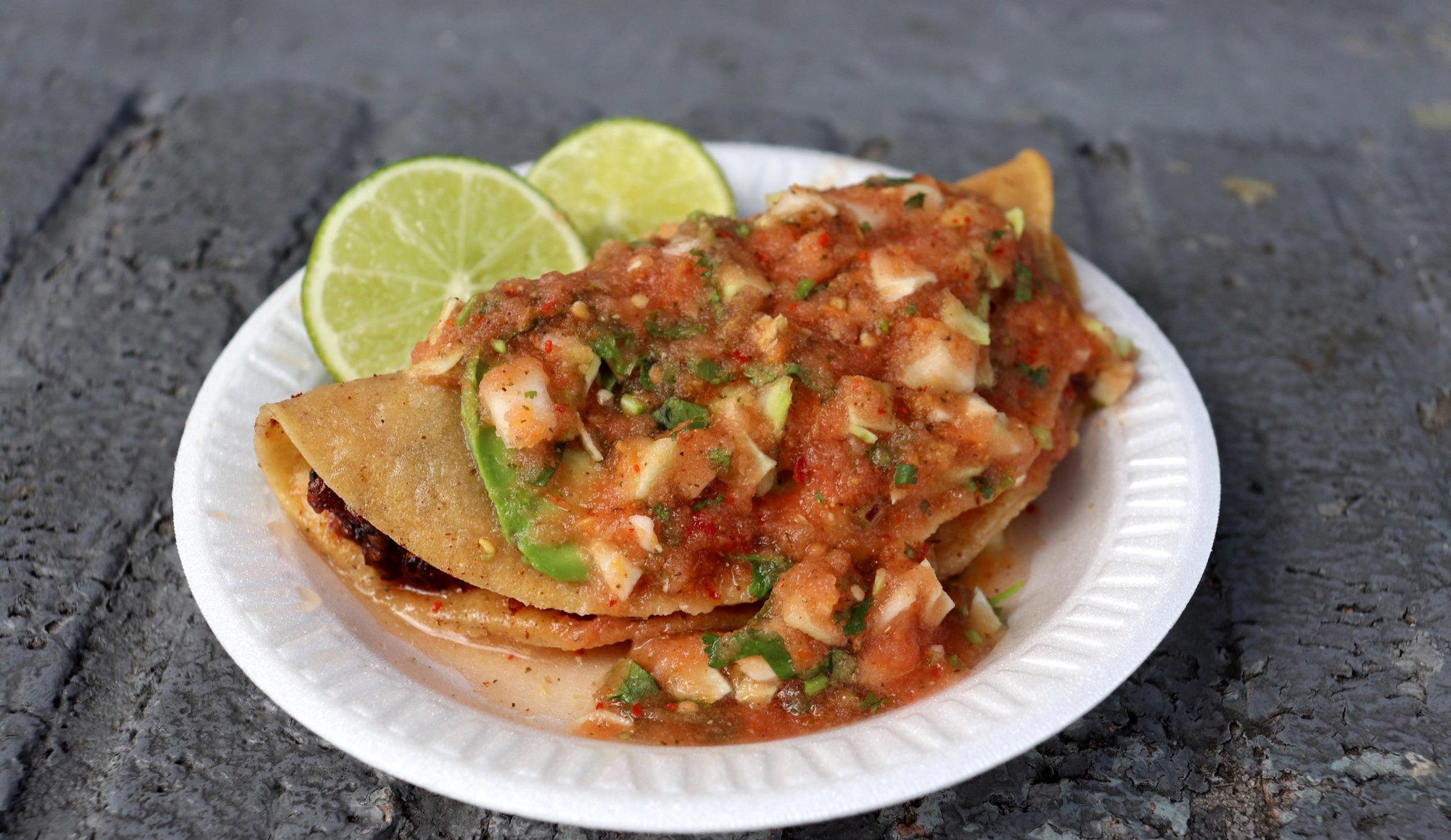
Restaurants in Los Angeles
All restaurants in Los Angeles →
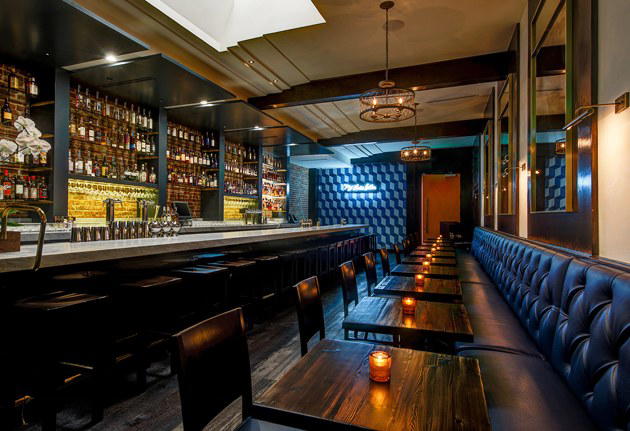
Bars in Los Angeles
All bars in Los Angeles →
Hotels in Los Angeles
All hotels in Los Angeles →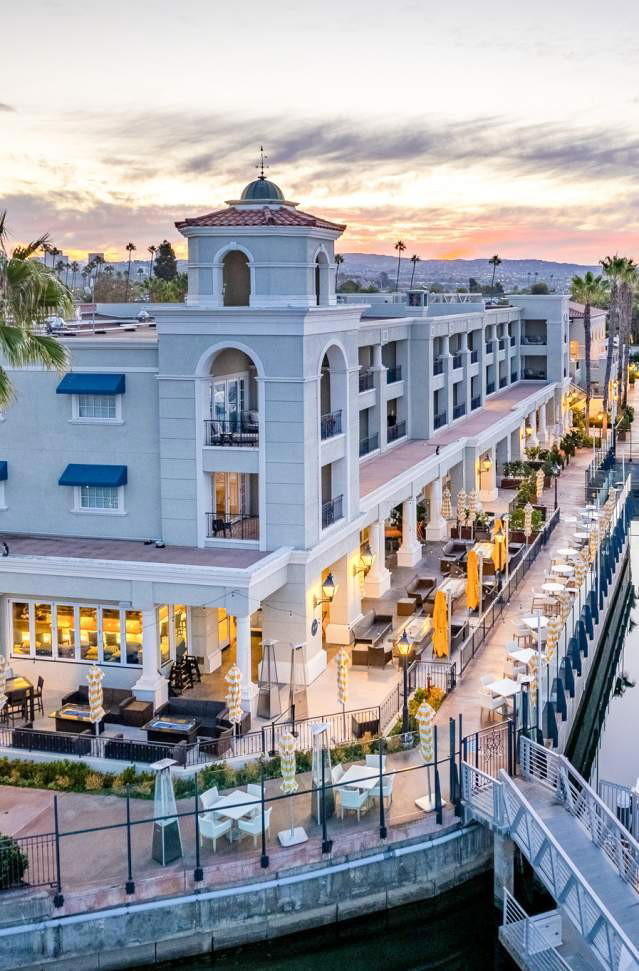
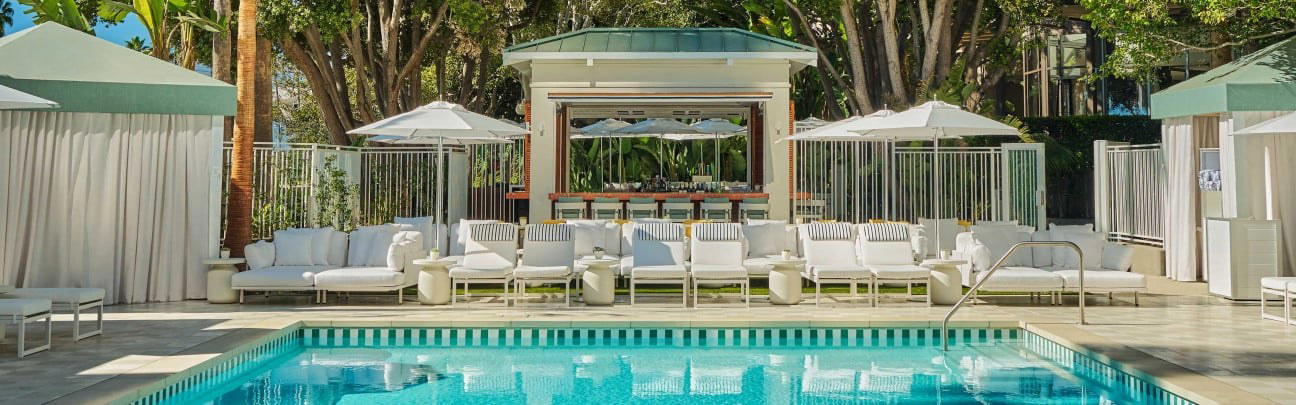
Wineries in Los Angeles
All wineries in Los Angeles →
Details
- Cozy
- Family
- Casual Hangout
- Group Dining
- Standalone
- A La Carte
- Small Plates
- Vegetarian Friendly
Current opening hours
- Monday
- 10 AM–10 PM
- Tuesday
- 10 AM–10 PM
- Wednesday
- 10 AM–10 PM
- Thursday
- 10 AM–10 PM
- Friday
- 10 AM–10 PM
- Saturday
- 10 AM–10 PM
- Sunday
- 10 AM–10 PM
Hours can change for holidays and private events. Last verified .
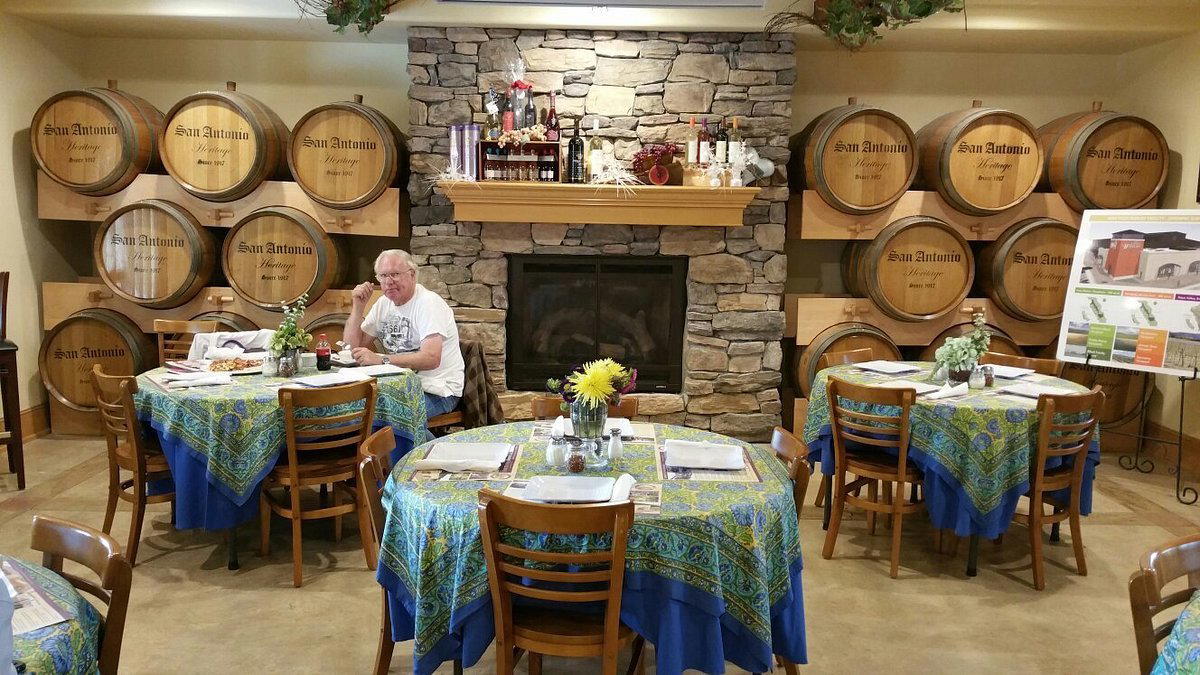
Cozy and welcoming with a warm, family-like atmosphere evoking home-cooked meals.