Trilussa
On East Palm Canyon Drive in Cathedral City, Trilussa occupies a stretch of the Coachella Valley where Italian-American dining traditions have held steady against the valley's shifting restaurant scene. The address places it squarely in a neighborhood that rewards local knowledge over algorithm-driven discovery, making it a reference point for residents who prioritize familiarity and consistency over novelty.
 Discover on Pearl
Pearl is the En Primeur Club membership app — saves, bookings, and concierge access live there. Same editors, same standards.
- Address
- 68-718 E Palm Canyon Dr, Cathedral City, CA 92234
- Phone
- +17603282300
- Website
- trilussarestaurant.com
East Palm Canyon and the Staying Power of the Neighborhood Table
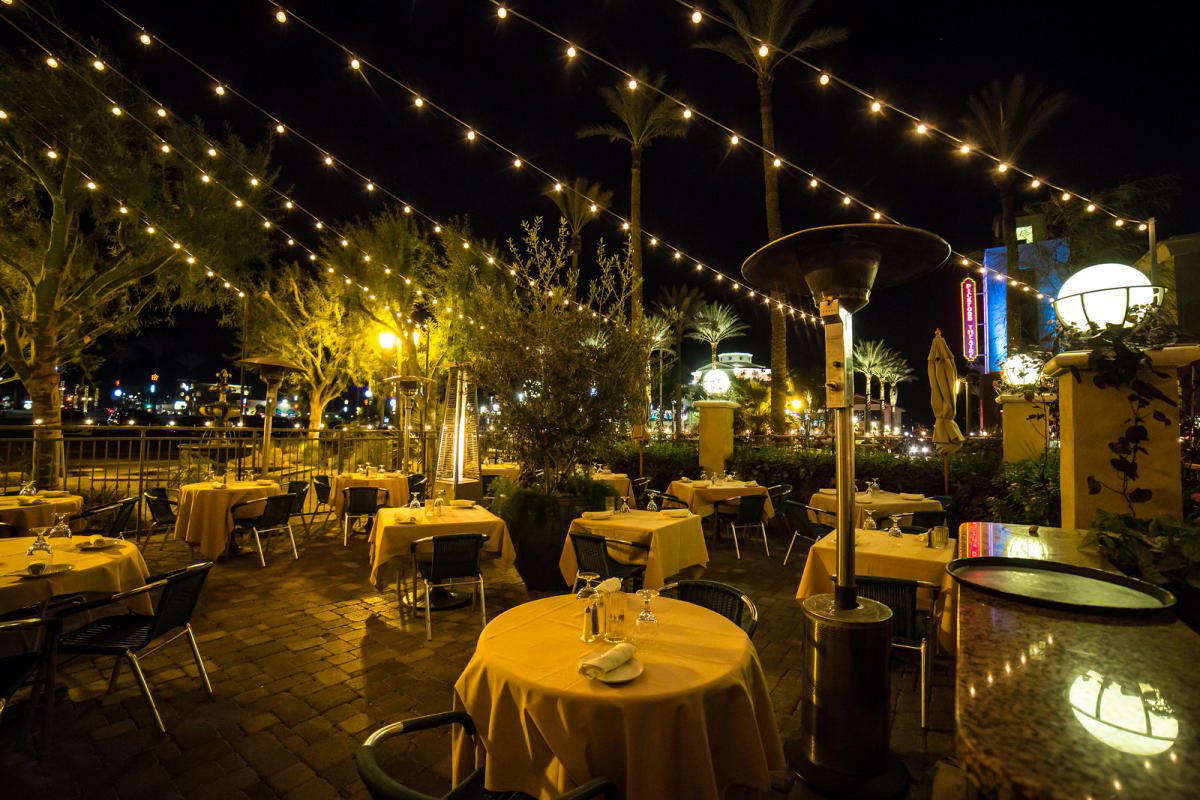
East Palm Canyon Drive runs through Cathedral City with the particular character of a desert main street that has outlasted several waves of dining fashion. The corridor has seen wine bars come and go, fast-casual formats expand and contract, and the broader Coachella Valley dining scene recalibrate repeatedly around the seasonal rhythms of the snowbird calendar. Against that backdrop, a neighborhood Italian restaurant on this stretch is less a novelty than a civic institution, filling a role that larger, more photographed cities assign to old-school trattorias and red-sauce joints that locals defend with genuine loyalty. Trilussa, at 68-718 East Palm Canyon Drive, occupies exactly that position.
The name itself is a reference with weight: Trilussa was the pen name of the Roman dialect poet Carlo Alberto Salustri, and the word carries associations with the working-class Trastevere neighborhood in Rome where he lived and wrote. Whether or not that lineage is consciously programmed into the Cathedral City dining room, the reference sets a register. Trastevere Italian is not the cuisine of grand gestures or imported luxury ingredients. It is the cuisine of slow-braised proteins, cured pork, dried pasta finished in the pan, and vegetables treated with the same seriousness as the main. That tradition, when executed with discipline, requires sourcing that most casual operators skip: the right cuts, the right cure, the right seasonal produce window.
Ingredient Logic in the Desert
The Coachella Valley presents a particular sourcing geography that distinguishes it from coastal California dining. Restaurants in Los Angeles, like Providence, or in the Bay Area, like Lazy Bear in San Francisco, sit inside dense local-farm networks where the proximity of premium produce is a given. The valley's desert climate and distance from coastal distribution hubs means the supply chain question has a different answer here. Summer heat compresses the growing window. Operators who want quality ingredients during peak season either pay premium freight costs, partner with Inland Empire farms working the shoulder-season windows, or adapt the menu to what desert proximity actually delivers.
Italian cooking, particularly the Roman-influenced model that the Trilussa name implies, handles this constraint better than most cuisines. The canon leans heavily on shelf-stable fundamentals: dried pasta, preserved pork products, dried legumes, olive oil, canned tomato. These are not compromise ingredients in Italian tradition; they are the point. The question worth asking of any Italian restaurant operating in a supply-constrained geography is whether those pantry fundamentals are sourced with intention or purchased at commodity price from a broadline distributor. The answer usually shows up on the plate in ways that are difficult to articulate but impossible to miss: the texture of the pasta, the depth of the braise, the acidity of the tomato.
For reference points on what rigorous ingredient sourcing looks like at the far end of the American spectrum, operations like Blue Hill at Stone Barns in Tarrytown or Single Thread Farm in Healdsburg have built entire identities around vertical supply chain control. That level of integration is not a reasonable benchmark for a neighborhood Italian in Cathedral City, but it establishes the spectrum. Somewhere between commodity purchasing and farm-ownership lies the practical standard for a well-run neighborhood table, and that is the standard against which a place like Trilussa should be read.
Cathedral City as a Dining Context
Cathedral City sits between Palm Springs to the west and Rancho Mirage to the east, a position that shapes its restaurant market in specific ways. Palm Springs carries the design-hotel and destination-dining energy; Rancho Mirage tilts toward resort-adjacent luxury. Cathedral City occupies the middle register, serving a predominantly residential population with a year-round contingent that is less interested in trend-cycling than in consistent, fairly priced execution. That is the customer the neighborhood Italian is built for.
The seasonal pattern matters for planning. The Coachella Valley's population swells between October and April, when snowbird arrivals from colder states push reservation demand across all categories. A restaurant on East Palm Canyon that runs at comfortable occupancy through the summer is, by local standards, doing something right with its regulars. The summer months, when daytime temperatures exceed 110 degrees Fahrenheit, thin the dining-out population substantially and create a natural test of a restaurant's local loyalty. For visitors arriving in the peak winter window, the practical implication is that mid-week timing tends to produce a more settled dining experience than weekend evenings, when the corridor's traffic consolidates.
Italian Dining at the Neighborhood Tier Across America
The neighborhood Italian occupies a specific and durable place in American dining culture. It is not the format that earns coverage in national food media alongside operations like Alinea in Chicago or The French Laundry in Napa. It does not pursue the sourcing intensity of Addison in San Diego or the conceptual ambition of Atomix in New York City. What it does, when it does it well, is provide a reliable social anchor for a residential community: a place where the pasta is made or sourced properly, the wine list is honest, and the room accommodates a conversation without requiring a performance.
That function is underrated in American food culture, which tends to award attention to the novel and the extreme. Restaurants like Bacchanalia in Atlanta or Frasca Food & Wine in Boulder occupy a tier above the neighborhood table but share its fundamental orientation toward hospitality over spectacle. The neighborhood Italian asks a simpler question: is the food honest, is the room comfortable, and does the value equation make sense for a twice-monthly regular? Those are the terms on which Trilussa should be evaluated.
Planning a Visit
Trilussa is located at 68-718 East Palm Canyon Drive in Cathedral City, easily reached by car from both Palm Springs and Rancho Mirage. As with most valley restaurants, parking on the corridor is generally uncomplicated. Current hours and booking recommendations are straightforward: Trilussa is open daily from 3:30 to 10 PM, and reservations are recommended.
Fast Comparison
Comparable venues nearby, for context on price, style, and recognition.
| Venue | Cuisine | Price | Awards |
|---|---|---|---|
| TrilussaThis venue — the venue you are viewing | |||
| Le Bernardin | French, Seafood | $$$$ | Michelin 3 Star |
| Atomix | Modern Korean, Korean | $$$$ | Michelin 2 Star |
| Lazy Bear | Progressive American, Contemporary | $$$$ | Michelin 2 Star |
| Alinea | Progressive American, Creative | $$$$ | Michelin 3 Star |
| Atelier Crenn | Modern French, Contemporary | $$$$ | Michelin 3 Star |
Continue exploring
More in Cathedral City
Restaurants in Cathedral City
Browse all →
Bars in Cathedral City
Browse all →
At a Glance
- Intimate
- Cozy
- Date Night
- Family
- Group Dining
- Private Dining
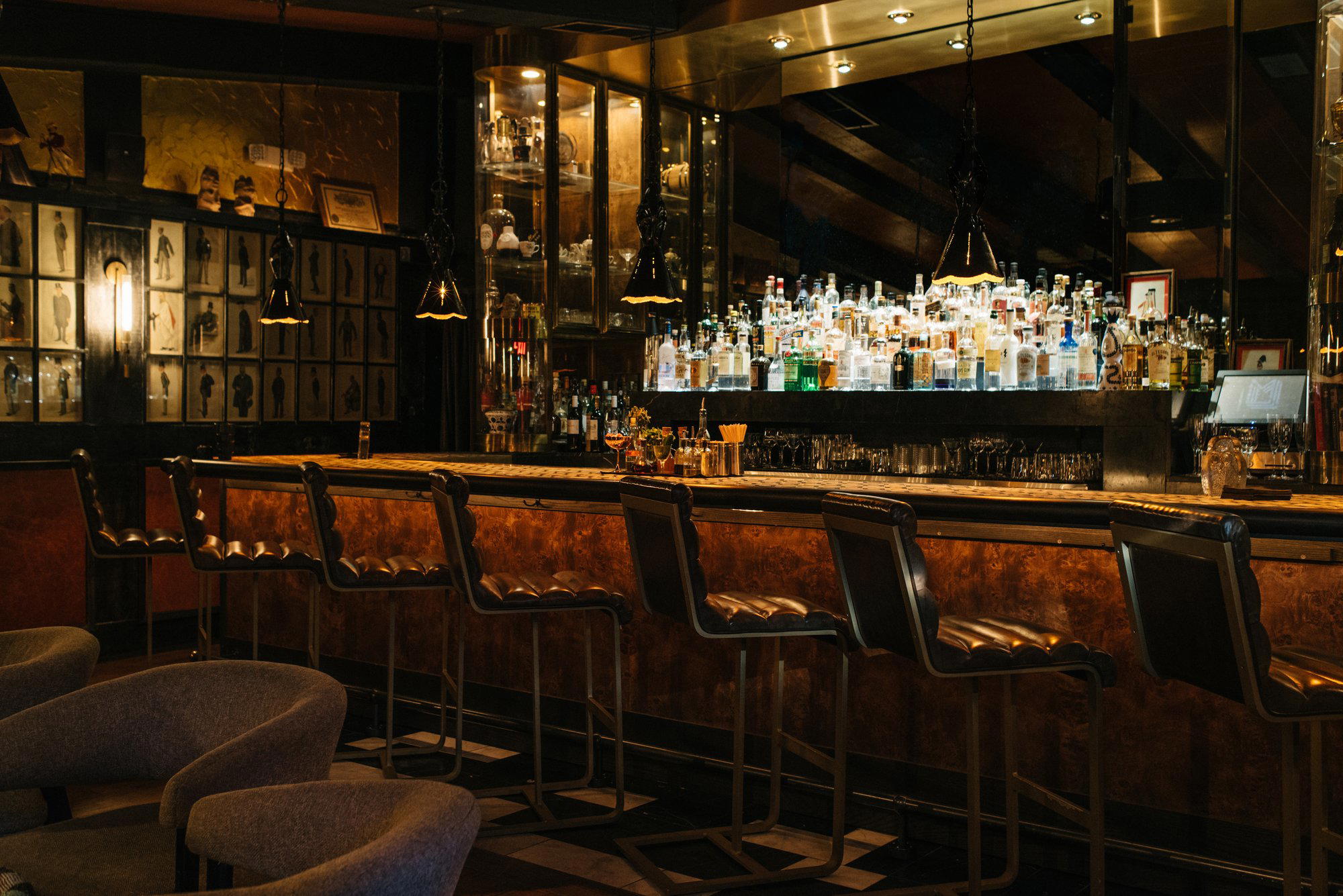
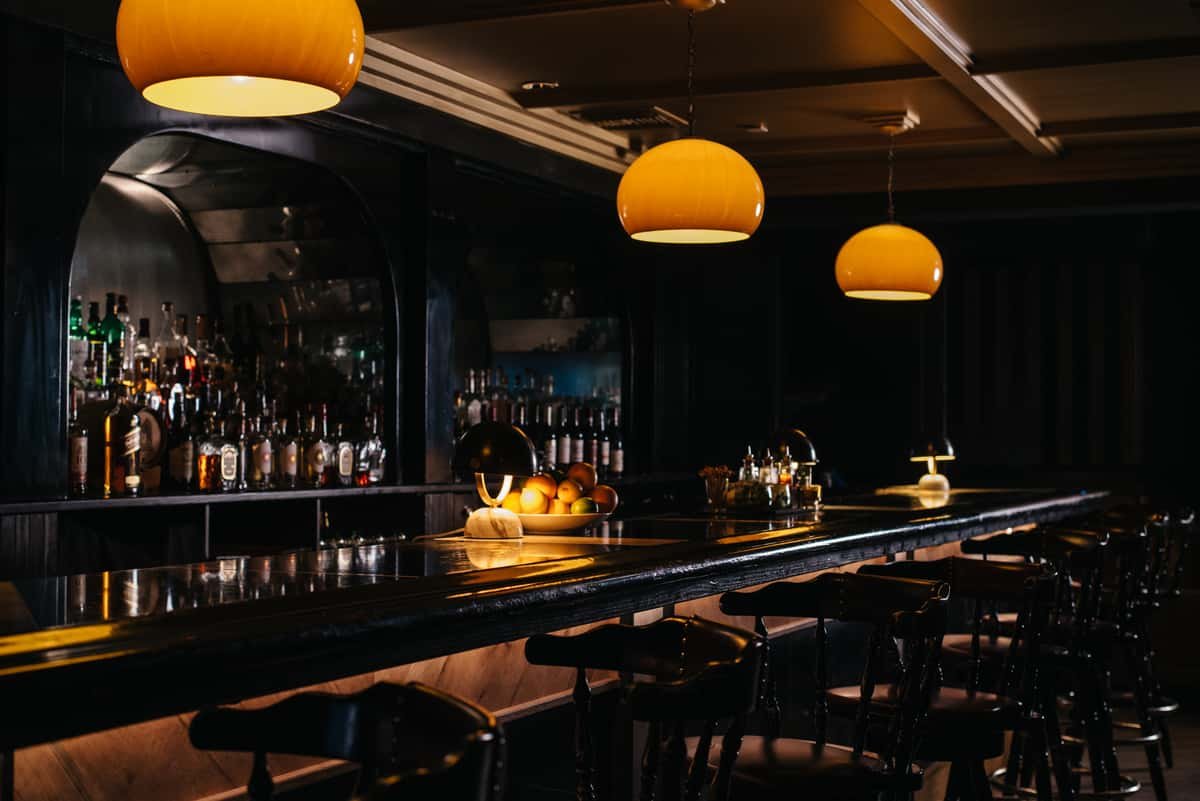
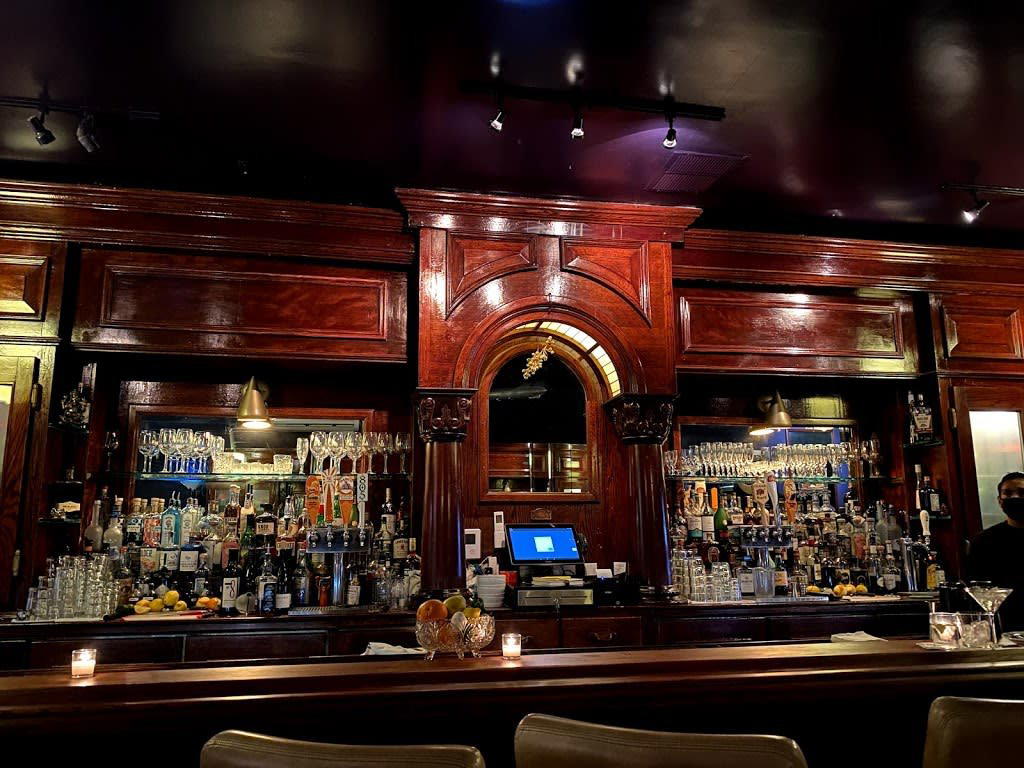
Intimate family atmosphere with comfortable private booths and tables.