Trader Vic's
Trader Vic's at 9 Anchor Drive in Emeryville occupies a particular chapter in American dining history: the original location where Victor Bergeron built the tiki bar concept into a global hospitality template. The waterfront address, the mai tai's documented origin story, and the Polynesian-inflected menu situate this outpost at the intersection of mid-century American fantasy and the Bay Area's longstanding appetite for Pacific Rim flavors.
Pearl is the En Primeur Club membership app — saves, bookings, and concierge access live there. Same editors, same standards.
- Address
- 9 Anchor Dr (at Powell St), Emeryville, CA 94608
- Phone
- +1 510 653 3400
- Website
- tradervicsemeryville.com
- Directions
- Get directions
 Saves & bookings on Pearl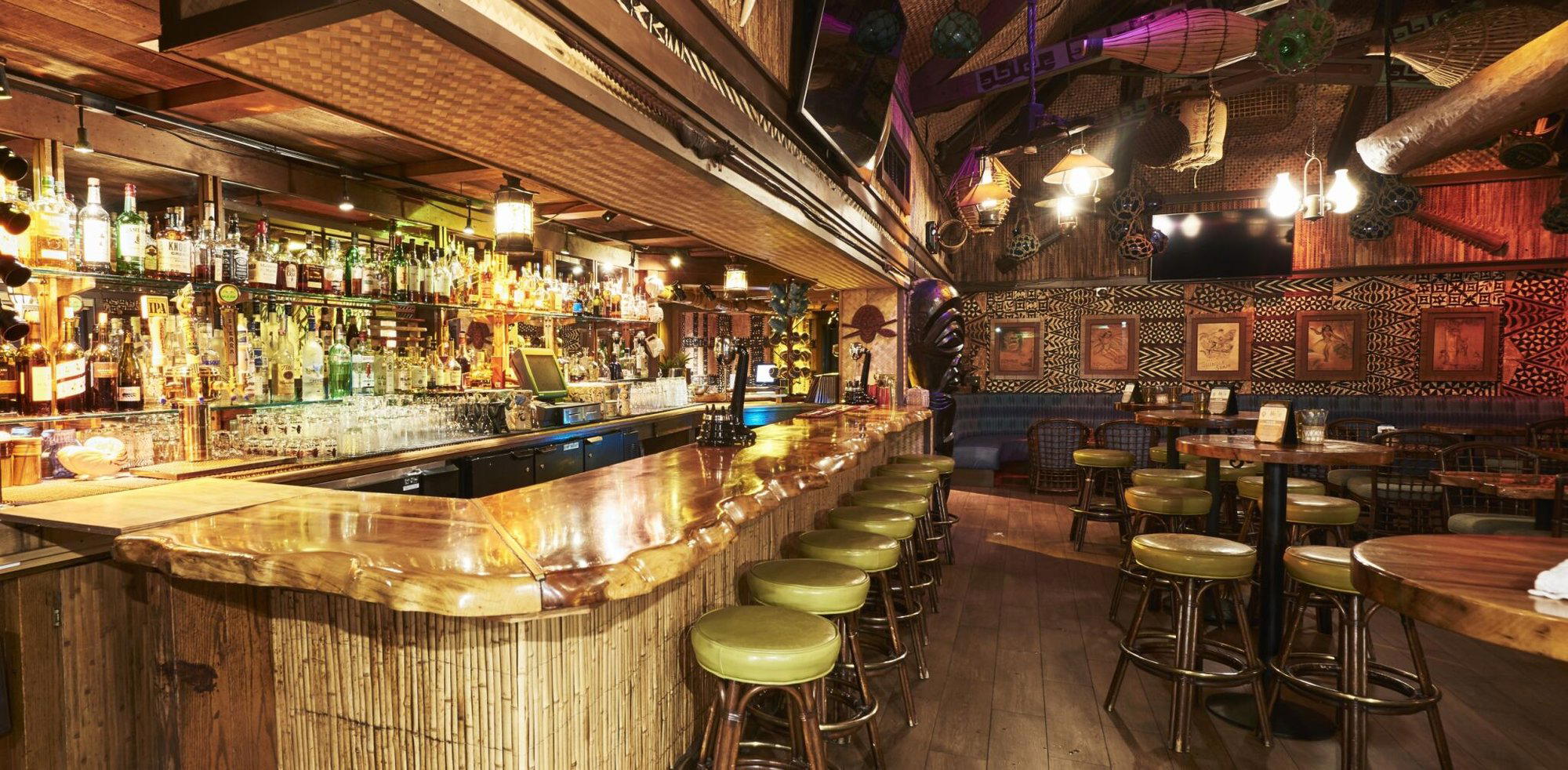
Where Polynesian Fantasy Met Bay Area Pragmatism
Tiki culture, as American dining exports go, has always been built on productive fiction. The bamboo walls, the carved totems, the rum punches served in ceramic skulls, none of it was ethnographically accurate, and its creators never pretended otherwise. What Victor Bergeron understood, working out of the East Bay in the mid-twentieth century, was that a certain kind of escapism sells not because it is authentic but because it is committed. The Emeryville location of Trader Vic's, at 9 Anchor Drive off Powell Street, sits at the origin point of that project. This is the city where Bergeron refined the formula that would eventually span international outposts.
The waterfront position is not incidental. Approaching the restaurant from the bay side, the surrounding marina context reinforces the nautical-Polynesian aesthetic in a way that a landlocked location never could. The Bay Area, with its historical shipping routes and its appetite for culinary hybridity, was the right geography for an experiment in imported-culture dining. Bergeron's instinct was to borrow from Cantonese cooking techniques, the wok work, the char-siu preparations, the careful use of spice as balance rather than heat, and reassemble them inside an American entertainment framework. That intersection of imported method and local ingredients defines what Trader Vic's has always done at a structural level.
The Mai Tai and the Question of Origin
The mai tai is one of the few cocktails with a documented origin claim that has held up to serious scrutiny. Bergeron developed the drink in 1944, reportedly for Tahitian friends, using aged Jamaican rum, fresh lime juice, orgeat, and orange curaçao. The claim has been contested, Donn Beach of Don the Beachcomber fame is frequently cited as a rival claimant to tiki cocktail primacy, but the specific mai tai formulation is attributed to Bergeron with enough consistency across drinks historians that it functions as a verifiable credential rather than mere brand mythology. For anyone tracing the lineage of rum-forward cocktails, Trader Vic's Emeryville address sits at the source.
Broader cocktail culture shift this represents is worth noting in context. The mid-century tiki movement predated the craft cocktail revival by several decades, but its emphasis on fresh citrus, house-made syrups, and layered spirit combinations anticipates the technical concerns of contemporary bartending. Venues like Lazy Bear in San Francisco operate in a different register entirely, but the underlying argument, that a cocktail should be constructed rather than poured, has a lineage that runs through places like this one. Similarly, the attention to mise en place and ingredient sourcing that defines destinations such as Single Thread Farm in Healdsburg or The French Laundry in Napa shares a structural ancestor in the idea that a dining room is a total environment, not just a room with food in it.
Polynesian Technique Through a Bay Area Lens
Editorial angle that matters here is not the decor or the nostalgia, but the cooking method. Trader Vic's menu has historically drawn on Chinese-American technique, specifically the wood-fired cooking associated with Cantonese roasting traditions, applied to ingredients and flavor profiles associated with the Pacific Islands and Southeast Asia. The Chinese oven, a proprietary piece of equipment Bergeron developed and used across his locations, produced roasted meats at high heat with a caramelized exterior that mainstream American restaurants were not executing in the 1940s and 1950s. That technique, borrowed and adapted from Cantonese culinary practice, is the kind of cross-cultural technical transfer that now defines a significant portion of California's fine-dining scene.
Bay Area's dining identity has long been organized around this kind of exchange. The same Pacific Rim orientation that drew Bergeron to Polynesian aesthetics has, in subsequent decades, produced a notable concentration of Chinese, Japanese, Vietnamese, and Southeast Asian cooking in cities like Oakland, Emeryville, and San Francisco. Hong Kong East Ocean Seafood Restaurant and Hong Kong East Ocean, both Emeryville addresses, represent the more direct expression of Cantonese tradition that Bergeron was synthesizing and refashioning. Knowing both ends of that spectrum, the source cuisine and the Americanized hybrid, gives you a more complete picture of what Emeryville's waterfront food scene actually contains.
For comparison further afield, the model of technically serious cooking embedded in theatrical environments is well-represented elsewhere in American fine dining. Alinea in Chicago operates at the extreme end of that spectrum, and Le Bernardin in New York City shows how restraint in environment can amplify focus on the plate. The restaurant sits at a different point on that axis: the environment is maximalist, the technique is borrowed and adapted, and the goal was always pleasure over statement.
Emeryville in Context
Emeryville's restaurant scene has expanded considerably from the mid-century moment when the restaurant established the city's first serious hospitality anchor. The current offering runs from casual American formats like Denny's and Good To Eat to more recent arrivals like Flores Emeryville. The restaurant functions within this context as both a historical reference point and an active venue, its address on Anchor Drive puts it on the water, separated physically and conceptually from the city's inland commercial corridors. For a fuller picture of what the city offers across all formats, the full Emeryville restaurants guide maps the range. Internationally, the model of embedding serious craft inside a destination dining experience is evident at addresses like 8 1/2 Otto e Mezzo Bombana in Hong Kong and Atomix in New York City, though their comparable venues and culinary traditions differ substantially from the restaurant mid-century Polynesian framework.
Planning Your Visit
The Anchor Drive address places the restaurant at the western edge of Emeryville, accessible from the Bay Bridge corridor and a short drive from downtown Oakland. Specific hours, current pricing, and reservation policy are best confirmed directly with the venue, as published details can shift seasonally. Given the location's history and continued draw for both locals and visitors tracing mid-century American hospitality, advance reservations are recommended. The marina-adjacent setting makes early evening, particularly in the warmer Bay Area months from June through September, one rewarding window for experiencing the full environment as it was designed to function.
City Peers
Comparable venues nearby, for context on price, style, and recognition.
| Venue | Cuisine | Price | Notes |
|---|---|---|---|
| Trader Vic'sThis venue — the venue you are viewing | Polynesian Tiki Fusion | $$$ | Not listed |
| Summer Summer Thai Eatery | Authentic Thai | $$ | Emeryville |
| Nyum Bai | Cambodian Street Food | $$ | Emeryville |
| Yuzu Ramen & Broffee | Japanese Ramen & Broffee | $$ | Emeryville |
| The Broken Rack | American Gastropub | $$ | Emeryville |
| Pippal | Modern Regional Indian | $$ | Bay Street |
Continue exploring
More in Emeryville
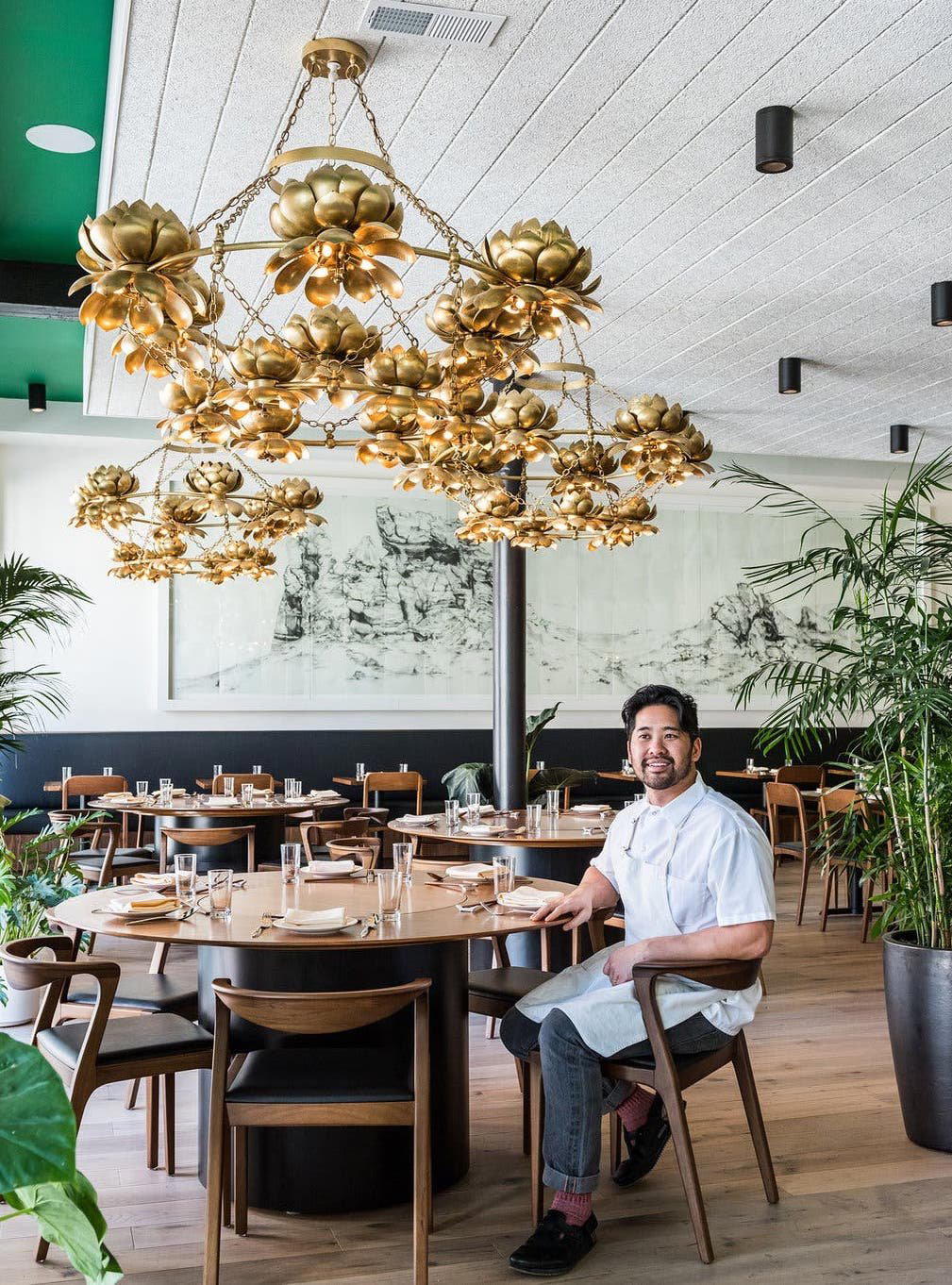
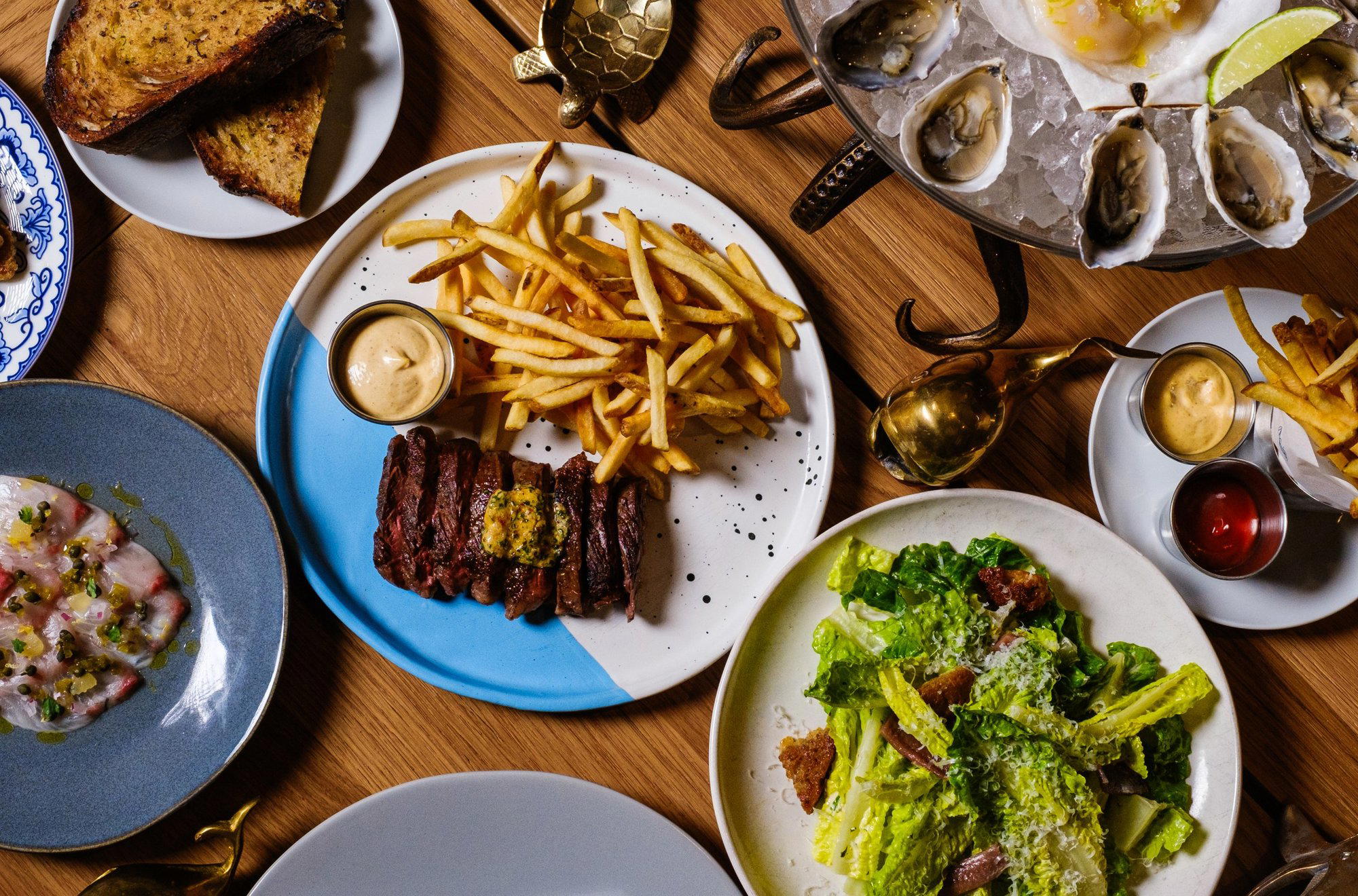
Restaurants in Emeryville
Browse all →
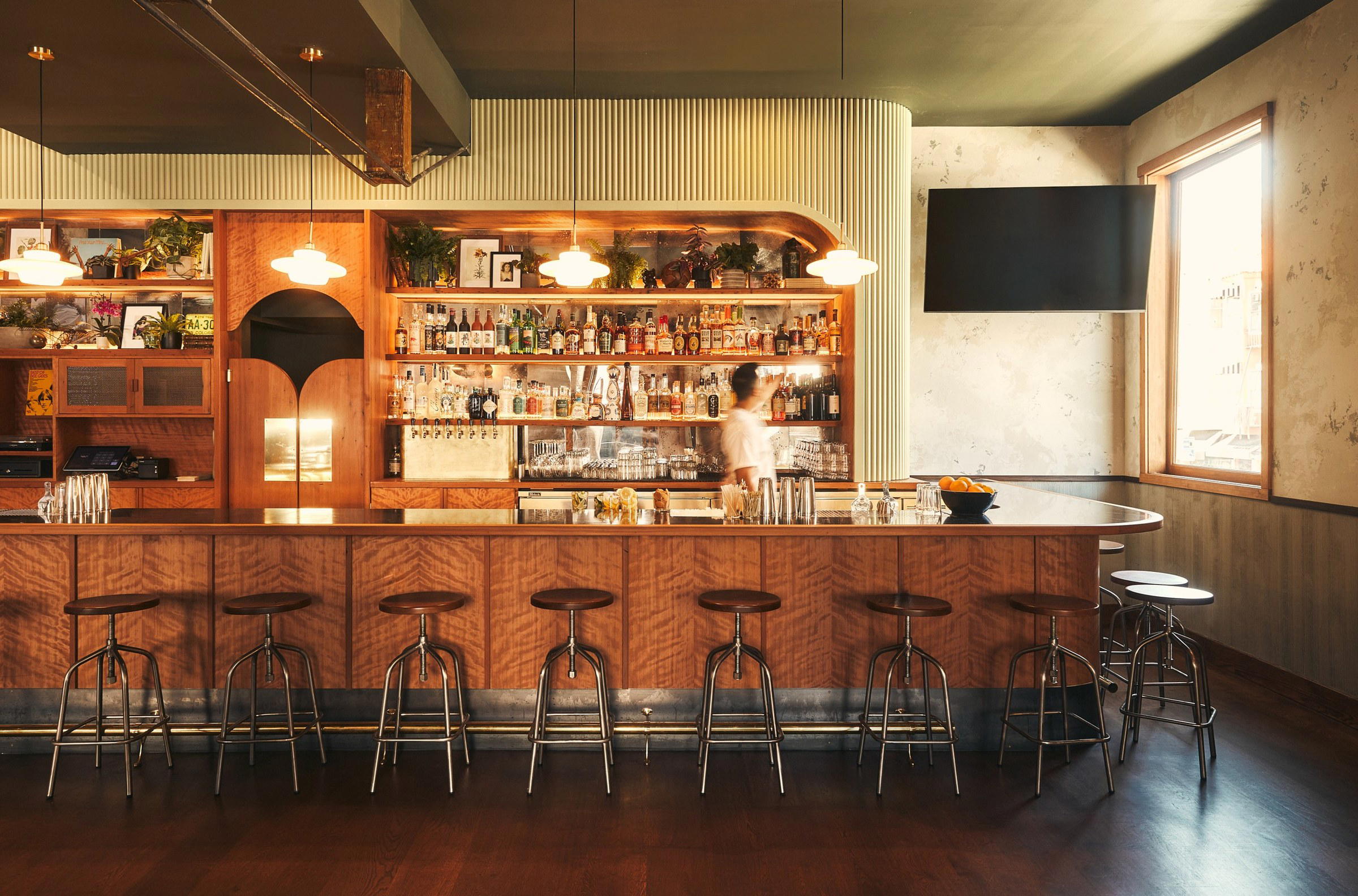
Bars in Emeryville
Browse all →
Hotels in Emeryville
Browse all →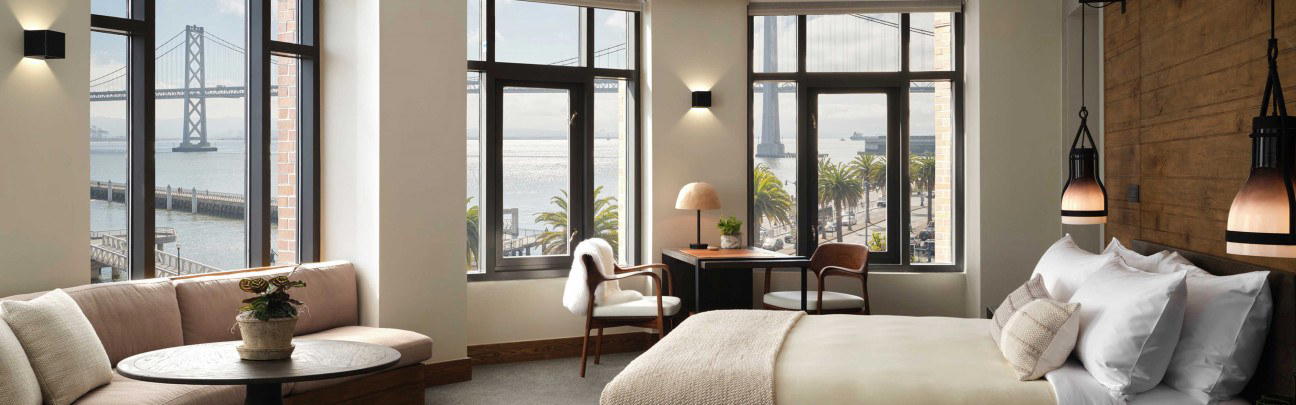
At a Glance
- Well Known
- Whimsical
- Lively
- Celebration
- Group Dining
- Special Occasion
- Historic Building
- Craft Cocktails
- Waterfront
Current opening hours
- Monday
- Closed
- Tuesday
- Closed
- Wednesday
- 12–9:30 PM
- Thursday
- 12–9:30 PM
- Friday
- 12–10 PM
- Saturday
- 12–10 PM
- Sunday
- 12–9:30 PM
Hours can change for holidays and private events. Last verified .
Tropical tiki atmosphere with spirited energy, exotic decor, and a paradise-like escape.