Tra di Noi
A quietly-run Italian trattoria on Cross Creek Road, Tra di Noi occupies a small strip-mall address that Malibu regulars have treated as a neighbourhood fixture for years. The kitchen draws on southern Italian tradition without concession to coastal-California trend-chasing, making it one of the more grounded options along a stretch dominated by ocean-view dining rooms and surf-casual menus.
Pearl is the En Primeur Club membership app — saves, bookings, and concierge access live there. Same editors, same standards.
- Address
- 3835 Cross Creek Rd #8A, Malibu, CA 90265
- Phone
- +1 310 456 0169
- Website
- tradinoi1991.com
- Directions
- Get directions
 Saves & bookings on Pearl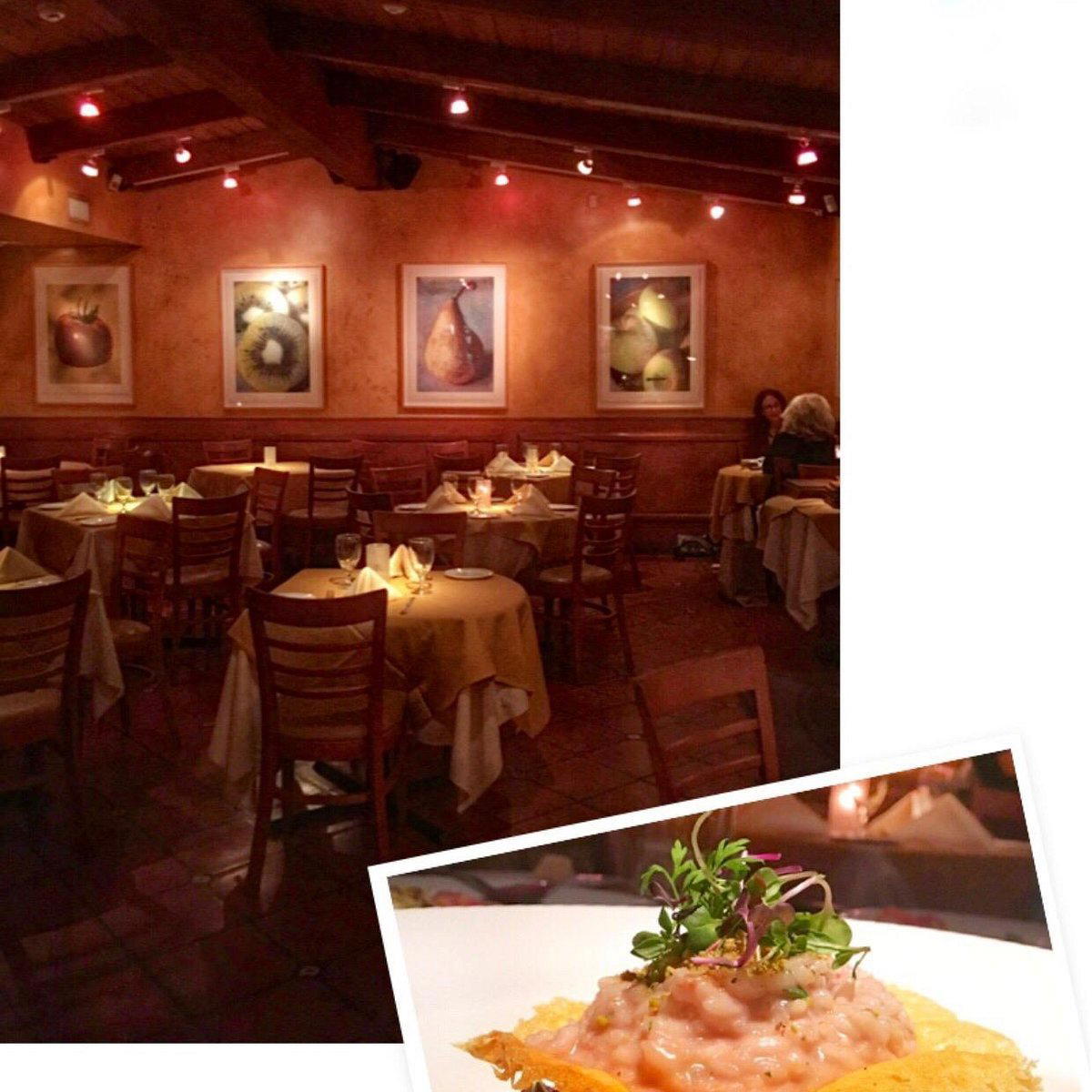
Italian Tradition on the Pacific Coast
Cross Creek Road runs through the commercial core of Malibu, a town better known for its shoreline than its strip malls. The plaza at 3835 houses surf shops, a farmers market on weekends, and, in unit 8A, a small Italian restaurant that operates by an older set of rules. Tra di Noi does not trade on Pacific views or celebrity foot traffic the way that waterfront addresses such as Carbon Beach Club and Geoffrey's tend to do. Its draw is quieter and more specific: a commitment to Italian cooking that would be recognisable in a family-run trattoria outside Naples or Palermo, translated into a coastal California setting where the produce is noticeably different.
That intersection of imported method and local product is the defining tension in Malibu's more serious dining rooms, and Tra di Noi sits at one end of it. Where some California-Italian kitchens lean hard into the regional-ingredient story, foregrounding the farmer credits and the heirloom varietal names, this restaurant's reputation rests on a more conservative set of priorities: technique applied consistently, simplicity not mistaken for minimalism, and a room scaled to the kind of meal that takes a couple of hours without demanding you account for each minute.
The Malibu Dining Context
Malibu's restaurant scene divides roughly into three tiers. There is the ocean-view, occasion-dining category, where the Pacific does most of the atmospheric work and menus price accordingly. There is the casual surf-town register, represented by spots like Country Kitchen and John's Garden, which function as neighbourhood utilities. And then there is a smaller, less-trafficked middle tier of restaurants that operate on a culinary logic borrowed from somewhere else entirely, whether that is the Hawaiian-influenced fish formats at Duke's Malibu or the European-kitchen discipline that defines Tra di Noi.
The broader California dining conversation about local-ingredient sourcing has evolved considerably over the past decade. Coastal Southern California, and Malibu in particular, sits inside one of the most productive agricultural corridors in the country. Ventura County farms, Santa Monica-area fishmongers, and the Santa Barbara Channel all supply what arrives at serious kitchens in this corridor. The question for an Italian-focused kitchen is how deeply to integrate that produce into a tradition that was built around a different geography. The restaurants making that integration most honestly tend to use California inputs at the raw material level while keeping technique and flavour logic rooted in the source tradition. That approach demands a kitchen with genuine classical training, of the kind you see applied more publicly at places like Providence in Los Angeles, Addison in San Diego, or, at the extreme end of the production-to-table argument, Single Thread Farm in Healdsburg.
Local Ingredients, Italian Architecture
The Italian culinary tradition Tra di Noi draws from is not the broad, Americanised version that flattened regional distinctions through the mid-20th century. Southern Italian cooking specifically operates around restraint: fewer components, longer cooking times on braises and ragus, and a palate built on olive oil, tomato, anchovy, and dried pasta formats that respond poorly to ingredient substitution. What California offers that Italy cannot easily replicate is proximity and freshness at a level that makes the raw material itself expressive. The Channel Islands fishery, the winter citrus, the late-summer stone fruits from the San Joaquin Valley side of the mountains: these inputs sit inside Italian architectural logic rather than competing with it.
This dynamic plays out across the better restaurants in coastal California. At Blue Hill at Stone Barns in Tarrytown or Smyth in Chicago, the relationship between farm and kitchen is foregrounded as the central editorial statement of the meal. In an Italian trattoria setting, that relationship is necessarily quieter: the tomato sauce on your pasta does not ask you to notice where the tomatoes came from. It asks you to notice whether the sauce is correct. That is a different kind of discipline, and one that suits Malibu's more low-key dining register.
For comparison: California-coastal restaurants that have made the ingredient-sourcing narrative the primary experience tend to attract a different kind of attention. The French Laundry in Napa and Le Bernardin in New York City operate as destination experiences where the full apparatus of technique and narrative arrives on every plate. Tra di Noi operates without that apparatus, which is not a criticism: neighbourhood-scale Italian has always been a different category, measured against different expectations.
What to Expect and When to Go
Malibu's dining seasons are real enough to matter. Summer brings the highest concentration of visitors, reservation pressure across the beachfront restaurants, and peak price points at the ocean-view addresses. Cross Creek Road in summer is a different proposition from Cross Creek Road in January, when the population contracts to year-round residents and the restaurants that survive on local regulars become more themselves. Tra di Noi's format, small and Italian-focused in a plaza setting rather than a seafront one, suggests it operates most naturally in that quieter register.
Visiting outside peak months gives the room more breathing room and the kitchen less pressure from table-turn economics. The Cross Creek plaza draws foot traffic year-round from the farmers market on Sundays, which runs from approximately 10am to 2pm and brings the kind of produce supply chain that benefits any Italian kitchen working with vegetables and seasonal fruits. Timing a visit to Malibu around the late-winter or early-spring window, when the citrus is at its fullest and the crowds have not yet arrived, tends to produce the most honest version of what the local restaurant scene can offer.
For logistics: Tra di Noi sits at 3835 Cross Creek Rd, unit 8A. There is no drive-up parking on PCH; access is from Cross Creek, with plaza parking available. The address is not walkable from the beach for most visitors, but it is central to the inland side of the Malibu commercial strip. For a broader orientation to eating and drinking in the area, the full Malibu restaurants guide maps venues across the different tiers and neighbourhood pockets.
Continue exploring
More in Malibu
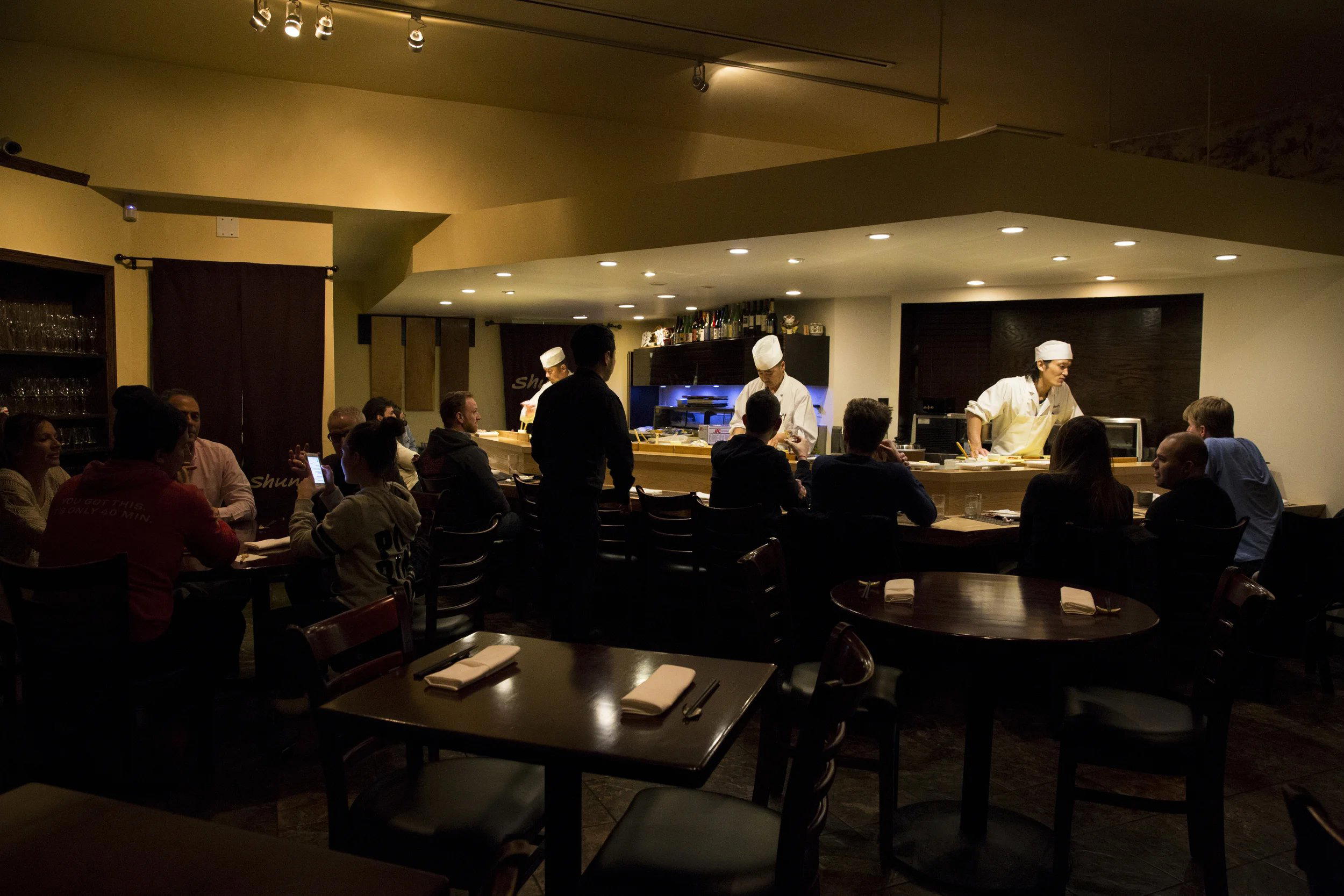
Restaurants in Malibu
Browse all →
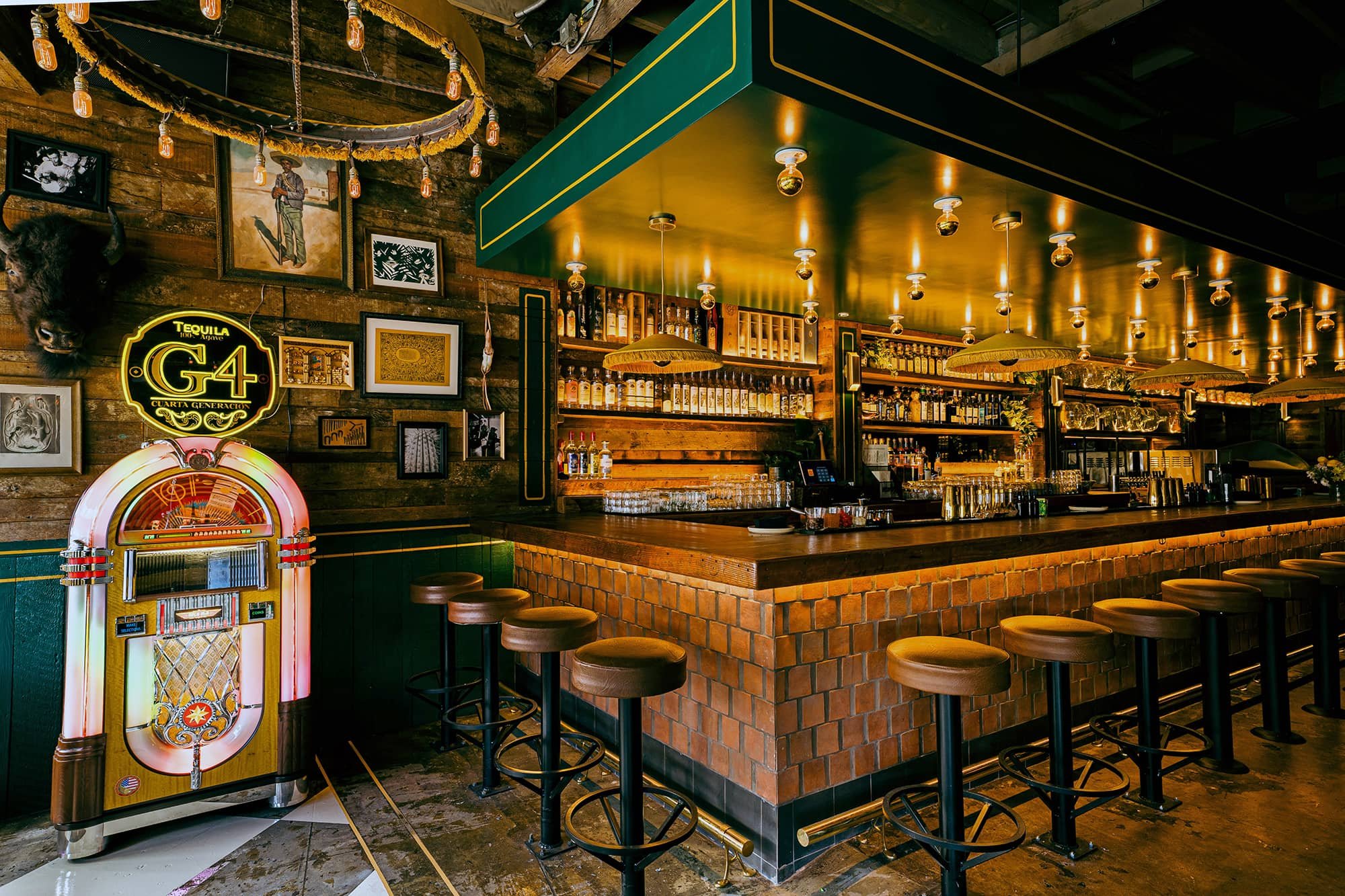
Bars in Malibu
Browse all →
Hotels in Malibu
Browse all →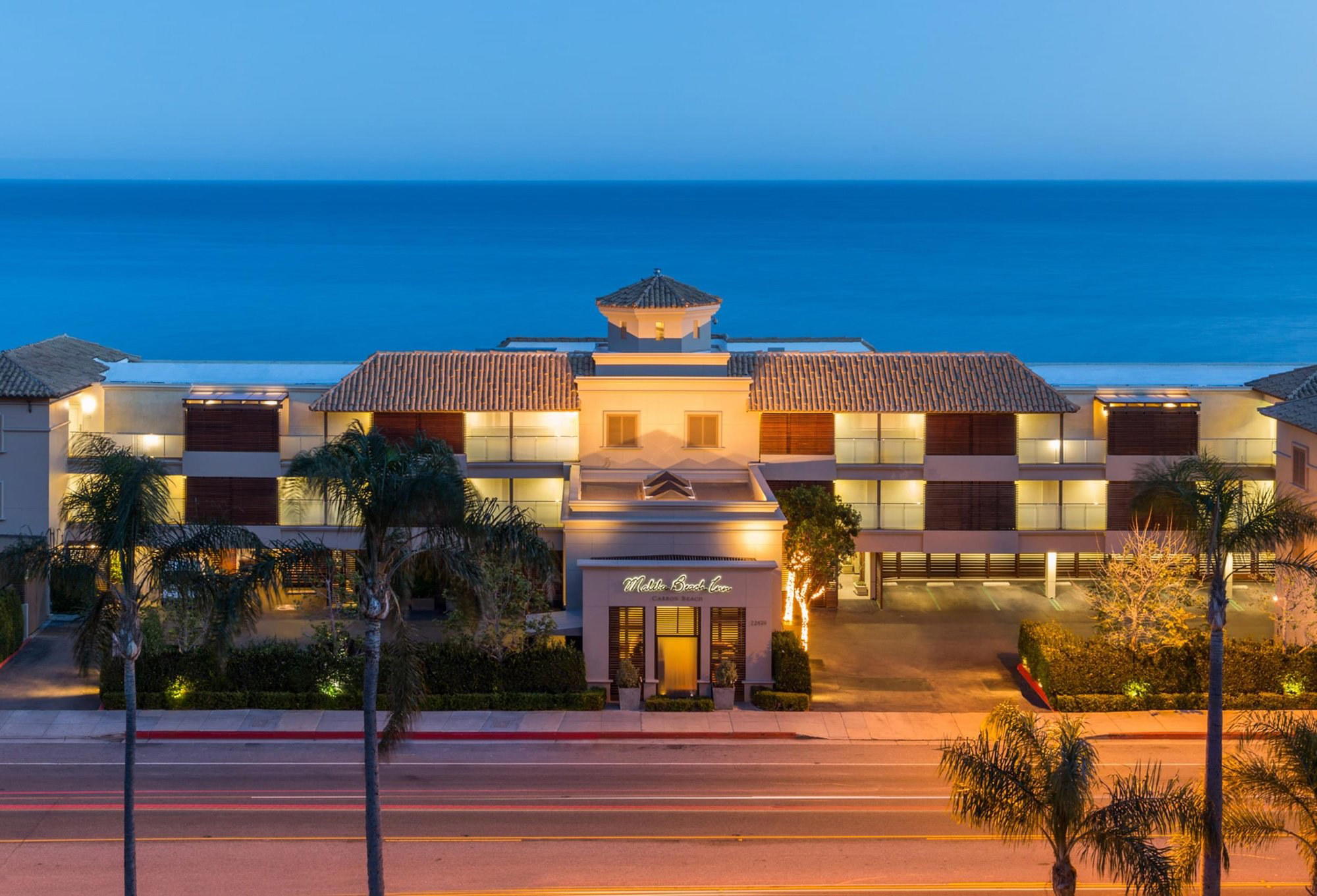
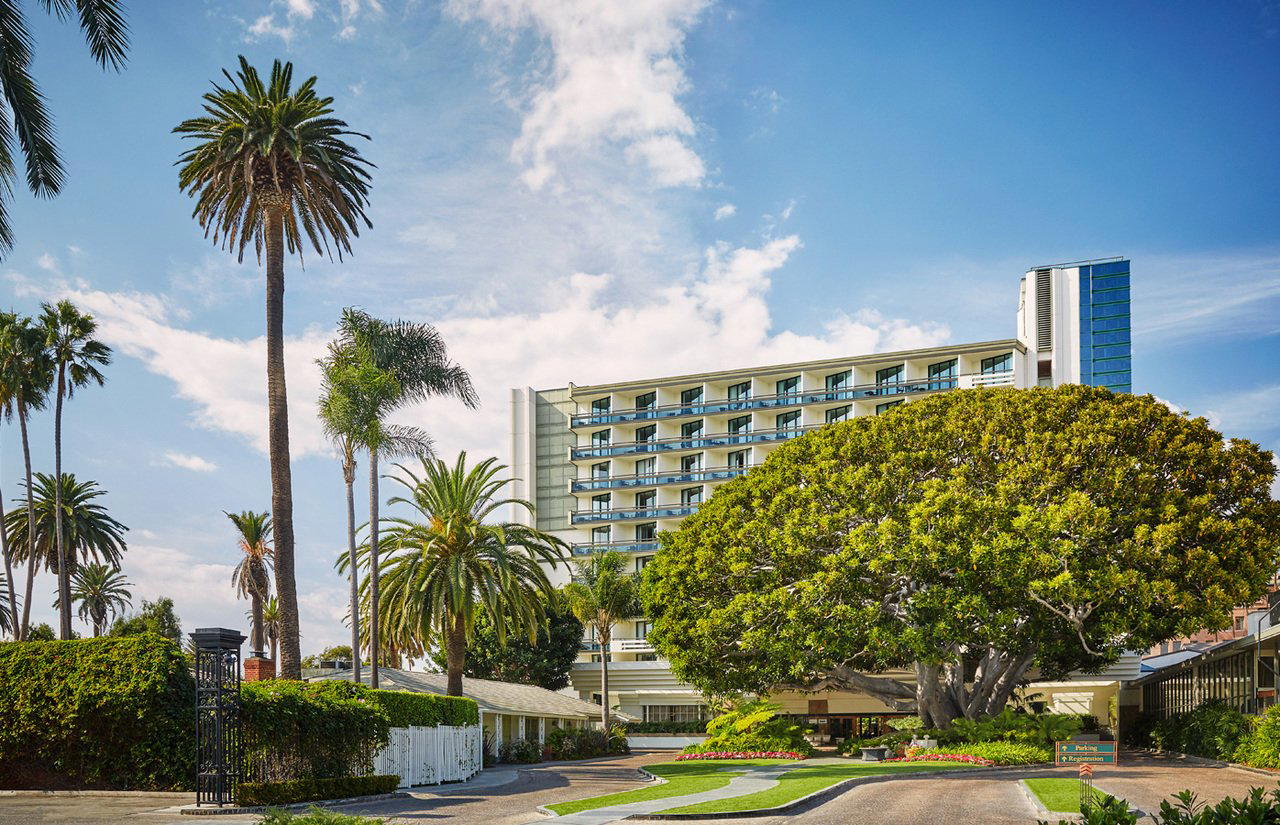
Wineries in Malibu
Browse all →
At a Glance
- Romantic
- Cozy
- Intimate
- Elegant
- Date Night
- Family
- Special Occasion
- Terrace
- Beer Program
- Local Sourcing
Current opening hours
- Monday
- 12–9 PM
- Tuesday
- 12–9 PM
- Wednesday
- 12–9 PM
- Thursday
- 12–9 PM
- Friday
- 12–9:30 PM
- Saturday
- 12–9:30 PM
- Sunday
- 12–9 PM
Hours can change for holidays and private events. Last verified .
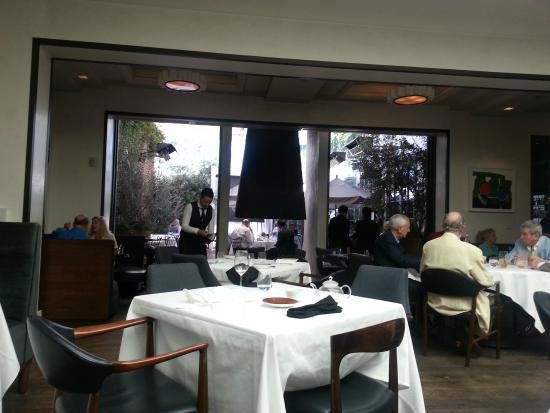
Warmly lit with wood beam-framed dining room, playing Pavarotti, creating a comfortable, homey, and elegant Italian atmosphere.
Know Before You Go
- Getting there
- 3835 Cross Creek Rd #8A, Malibu, CA 90265