The Whitehouse


Michelin Plate
Our verdict
Reached by a 20-mile single-track road across the Morvern Peninsula or by ferry from Fishnish, The Whitehouse in Lochaline is a fixed-price dinner restaurant where the sourcing is as considered as the cooking. Foraged ingredients, game from the neighbouring Ardtornish estate, and produce from local crofts form the backbone of a menu built on classical technique with a confident contemporary edge.

Pearl is the En Primeur Club membership app — saves, bookings, and concierge access live there. Same editors, same standards.
- Address
- Lochaline, Oban PA80 5XT, United Kingdom
- Phone
- +44 1967 421356
- Hours
- Mon ClosedTue 6–9 PMWed–Sat 12–2 PM, 6–9 PMSun Closed
- Directions
- Get directions
- Booking
- Book on the venue's website
The menu
What to order
- Lochaline langoustines
- Sound of Mull scallops
- Seared Morvern stag offal with Tobermory whisky
- Gorse flower soufflé
- Chocolate orange soufflé
The End of the Road, and Worth Every Mile
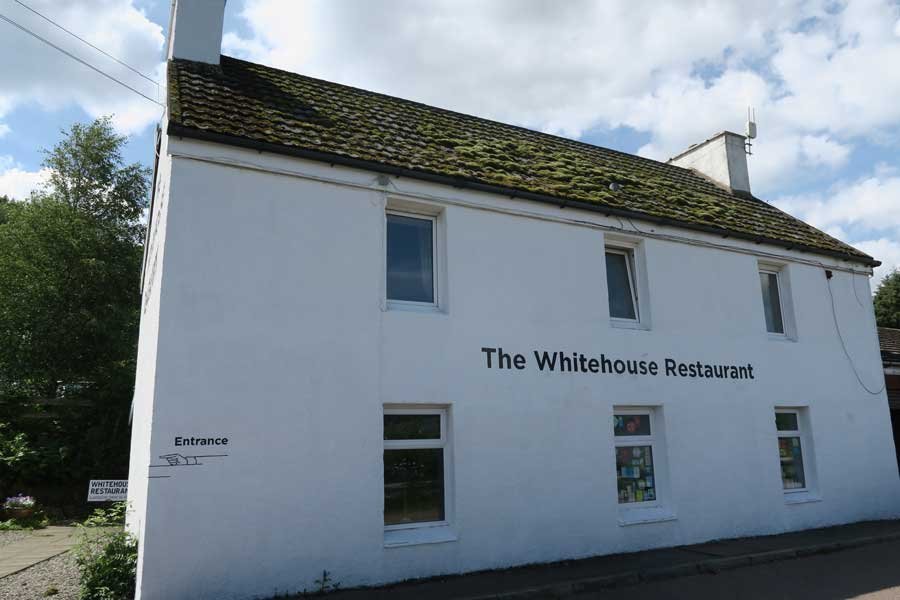
There are very few restaurants in the United Kingdom where the journey itself serves as a frame for what you are about to eat. The Morvern Peninsula is one of those places. Arrival at Lochaline requires either a crossing on the Fishnish ferry or a 20-mile drive down a single-track road that cuts through one of the most sparsely populated stretches of the Scottish Highlands. By the time the whitewashed building comes into view, the outside world has largely receded. That physical remoteness is not incidental to The Whitehouse's identity; it is the condition that makes its sourcing model possible and coherent.
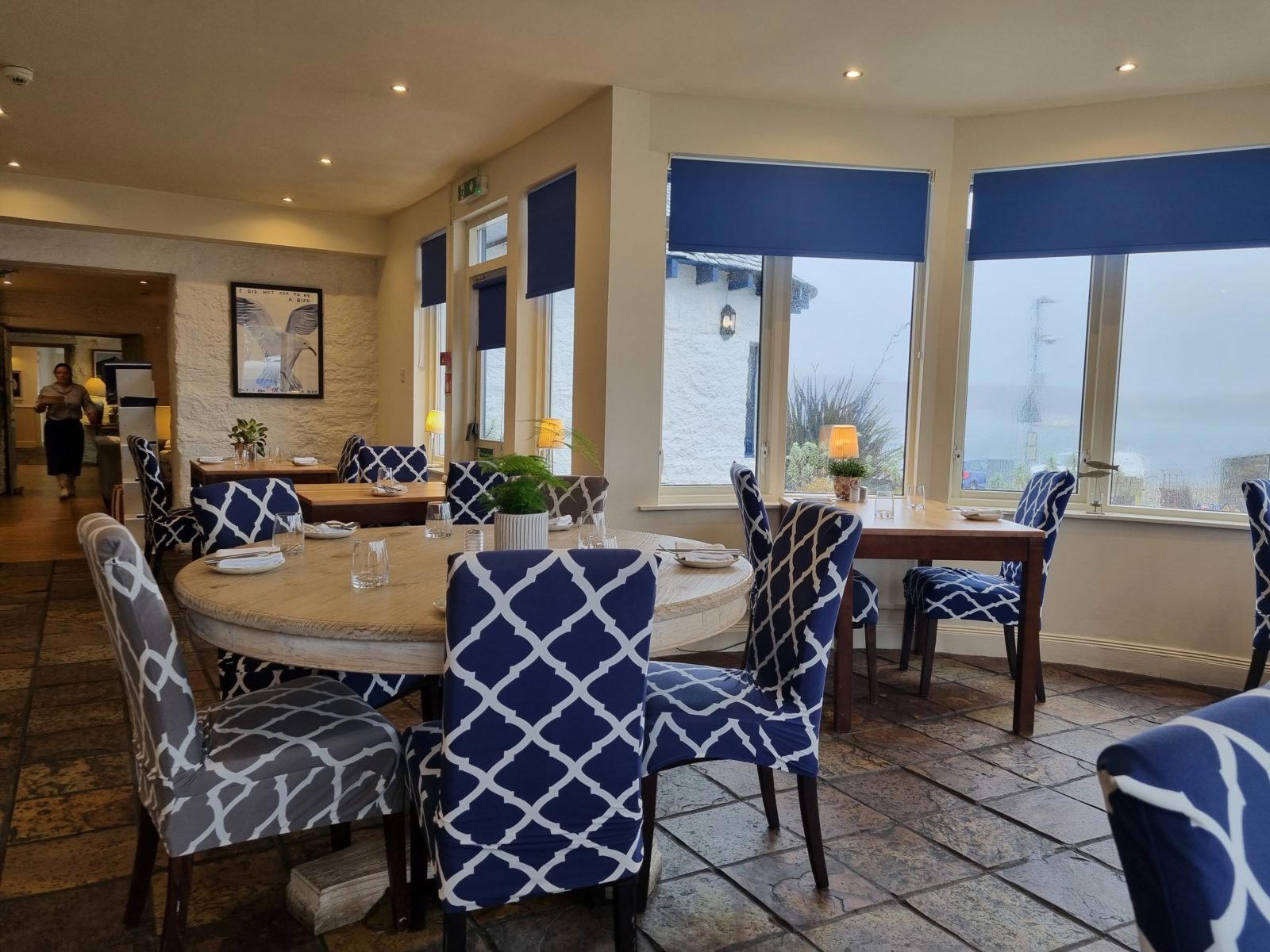
The building itself carries a particular kind of weight. It was once a canteen for workers at a 19th-century silica sand mine, a history that gives the sturdy structure a functional plainness that no amount of interior design instinct would want to overwrite. Chris and Agi Stanley-Fotos, who brought their kitchen and front-of-house partnership here in 2022, appear to understand that. The room works with the building rather than against it.
Where the Ingredients Come From, and Why That Shapes the Plate
Among the small cohort of remote fine-dining restaurants in the British Isles — places like L'Enclume in Cartmel or Moor Hall in Aughton, which have built reputations on hyper-local ingredient networks — The Whitehouse operates at a smaller, more intimate scale, with a sourcing geography that is almost entirely walkable from the kitchen door. Game comes from the neighbouring Ardtornish estate. Produce arrives from nearby crofts and artisan butchers. And then there is the foraging, which here is not a marketing posture but a practical relationship with the land: wild garlic, beech leaf, sea buckthorn, gorse flower, hedgerow fruit.
That last category is what separates The Whitehouse from restaurants that source locally in the conventional sense. Foraging at this level requires seasonal discipline and a working knowledge of what the peninsula offers month by month. It shapes not just individual dishes but the entire register of the menu, pulling it toward ingredients that carry a strong sense of place and time of year. A spring menu reads differently from an autumn one, and both reflect what the surrounding land is actually doing rather than what a supplier catalogue suggests.
The drinks list follows the same logic. Local spirits are paired with hedgerow gleanings to produce cocktails that cannot be replicated elsewhere. The Morvern Sour, built from homemade beech-leaf noyau, Nc'nean organic whisky, and lemon juice, is a useful illustration of how this approach works in a glass: the whisky is distilled not far away, the noyau is made in-house from foraged leaves, and the result has a provenance that is entirely specific to this corner of Scotland. The wine list, which opens at £27 a bottle and features lesser-known regions, extends the ethos of considered sourcing without demanding premium price points at every turn.
The Menu: Classical Foundations, Foraged Punctuation
The format is a daily fixed-price dinner menu alongside light lunches, which places The Whitehouse in the tradition of owner-operated rural restaurants where the menu reflects what arrived that morning rather than what the kitchen has committed to in advance. The classical training that underpins the cooking is evident in the structure of dishes, but it is consistently interrupted by ingredients that no classical French kitchen would have had access to.
An amuse-bouche of caramelised cauliflower with wild garlic pesto on a quenelle of beurre noisette cream demonstrates how the kitchen balances register: the technique is orthodox, the wild garlic is not. An asparagus panna cotta and pea salad, balanced by a foraged mushroom beignet, works in a similar way, using a known format to carry an ingredient that brings a specific earthiness no cultivated mushroom quite replicates. The centrepiece of sesame-glazed local duck breast with spring roll and pak choi signals confidence in moving across culinary traditions without losing coherence: the duck is local, the preparation borrows from a different geography, and the result reads as authoritative rather than eclectic.
The kitchen's soufflés have drawn specific attention, described in coverage as truly excellent, and the sea buckthorn and gorse flower version represents as clear a distillation of the restaurant's philosophy as any single dish: a technically demanding classical format filled with ingredients gathered from the hillsides around Lochaline.
For readers comparing this kitchen's approach to peers further south, the creative ambition is in the same conversation as hide and fox in Saltwood or Gidleigh Park in Chagford, restaurants where remote or semi-rural settings have been turned into sourcing advantages rather than logistical constraints. The scale here is smaller and the setting more extreme, but the underlying logic is the same.
Planning Your Visit
The remoteness that defines The Whitehouse's character also shapes its practical profile. Lochaline is not a place you pass through; it requires a deliberate commitment to get there, whether by road from the south or east, or by the Fishnish ferry across the Sound of Mull. That commitment extends to accommodation: a meal here is most sensibly planned as part of a longer stay on the Morvern Peninsula or across the water on Mull, and our full Lochaline hotels guide covers the options within reach. The Lochaline restaurants guide provides broader context on what the village and surrounding area offer beyond the dinner table.
Given the fixed-price dinner format and the size of the operation, booking ahead is the sensible approach. Walk-ins are possible for lunch, but the dinner menu operates on a different level of preparation, and arriving without a reservation at that service risks disappointment. If you are building an itinerary around the area, the Lochaline experiences guide, bars guide, and wineries guide are worth consulting alongside.
For those accustomed to the urban fine-dining tier represented by restaurants like The Ledbury in London, Midsummer House in Cambridge, or Opheem in Birmingham, The Whitehouse operates in a different register entirely: lower volume, tighter geography, and a menu shaped by what the peninsula offers that week. The comparison that matters is not price tier or star count but whether the cooking delivers on the specificity its location promises. On the evidence of the menu, it does.
Frequently asked questions
Is The Whitehouse a family-friendly restaurant?
The Whitehouse operates a daily fixed-price dinner menu in a small, intimate dining room — a format that suits adults and older children with an appetite for considered, multi-course cooking. Younger children or those wanting a lighter, flexible meal are better served by the lunch offering. The remoteness of Lochaline itself, requiring either a 20-mile single-track drive across the Morvern Peninsula or a ferry crossing, will shape whether the trip works for your group.
What's the overall feel of The Whitehouse?
The building is a whitewashed former 19th-century mine workers' canteen on the Lochaline waterfront — unpretentious in structure but precise in execution. Husband-and-wife team Chris and Agi Stanley-Fotos run kitchen and front of house respectively, which gives the room the cadence of a long-practised partnership rather than a formal brigade. Expect a setting where the cooking leads and the surroundings reinforce rather than compete with it.
What awards or recognition does The Whitehouse have?
The Whitehouse has received recognition including: Arrival at the small coastal community of Lochaline is either by sea (on the ferry from Fishnish) or down the 20-mile single-track road that crosses the remote Morvern Peninsula. Husband-and-wife team, Chris and Agi Stanley-Fotos, brought t….
What's the must-try dish at The Whitehouse?
The kitchen's soufflés have drawn specific praise in documented reviews, described as 'truly excellent', with seasonal variations drawing on foraged ingredients such as sea buckthorn and gorse flower. The fixed-price dinner format means the full arc of the menu — from an amuse-bouche of caramelised cauliflower with wild garlic pesto through to a centrepiece dish built around local estate game — is the intended experience, not a single plate in isolation.
What's the address for The Whitehouse?
The Whitehouse is located at Lochaline, Oban PA80 5XT, United Kingdom, Lochaline.
Can I walk in to The Whitehouse?
Given the remoteness of Lochaline — accessible only via ferry from Fishnish or a 20-mile single-track road — arriving without a reservation is not a practical approach. The fixed-price dinner format requires daily preparation built around local foraging, estate game, and croft produce, none of which scales easily to unplanned covers. Contact in advance is strongly advised; the website should be your first point of reference for current availability.
Quick Comparison
Comparable venues nearby, for context on price, style, and recognition.
| Venue | Cuisine | Price | Awards | Notes |
|---|---|---|---|---|
| The WhitehouseThis venue — the venue you are viewing | Modern Scottish with Local Foraged Ingredients | $50–100 | Michelin Plate | Not listed |
| Eighty Eight | Modern Scottish Small Plates | $30–50 | The Good Food Guide GFG Good | Partick East/Kelvindale |
| The Dunvegan | Modern Fire-Cooked British | $50–100 | The Good Food Guide GFG Good | Dunvegan |
| Isle of Eriska | Scottish Fine Dining | $100–150 | AA Rosettes 3 Rosettes | Benderloch |
| Old Bushmills Distillery | British Comfort Food | Not listed | Not listed | Bushmills |
| Cycene at Blue Mountain School | Modern British Fine Dining with Eastern Asian Influences | $200–300 | 1 Michelin Star | Shoreditch |
Recognition history
Dated appearances from independent guides and award organizations, with the underlying list record or original source where available.
Michelin Plate
Michelin · 2026 Michelin Plate
The Good Food Guide Good Food Guide Best Local Restaurant
The Good Food Guide
Full recognition history (3 entries)
The Good Food Guide GFG Good
The Good Food Guide
Continue exploring
More in Lochaline
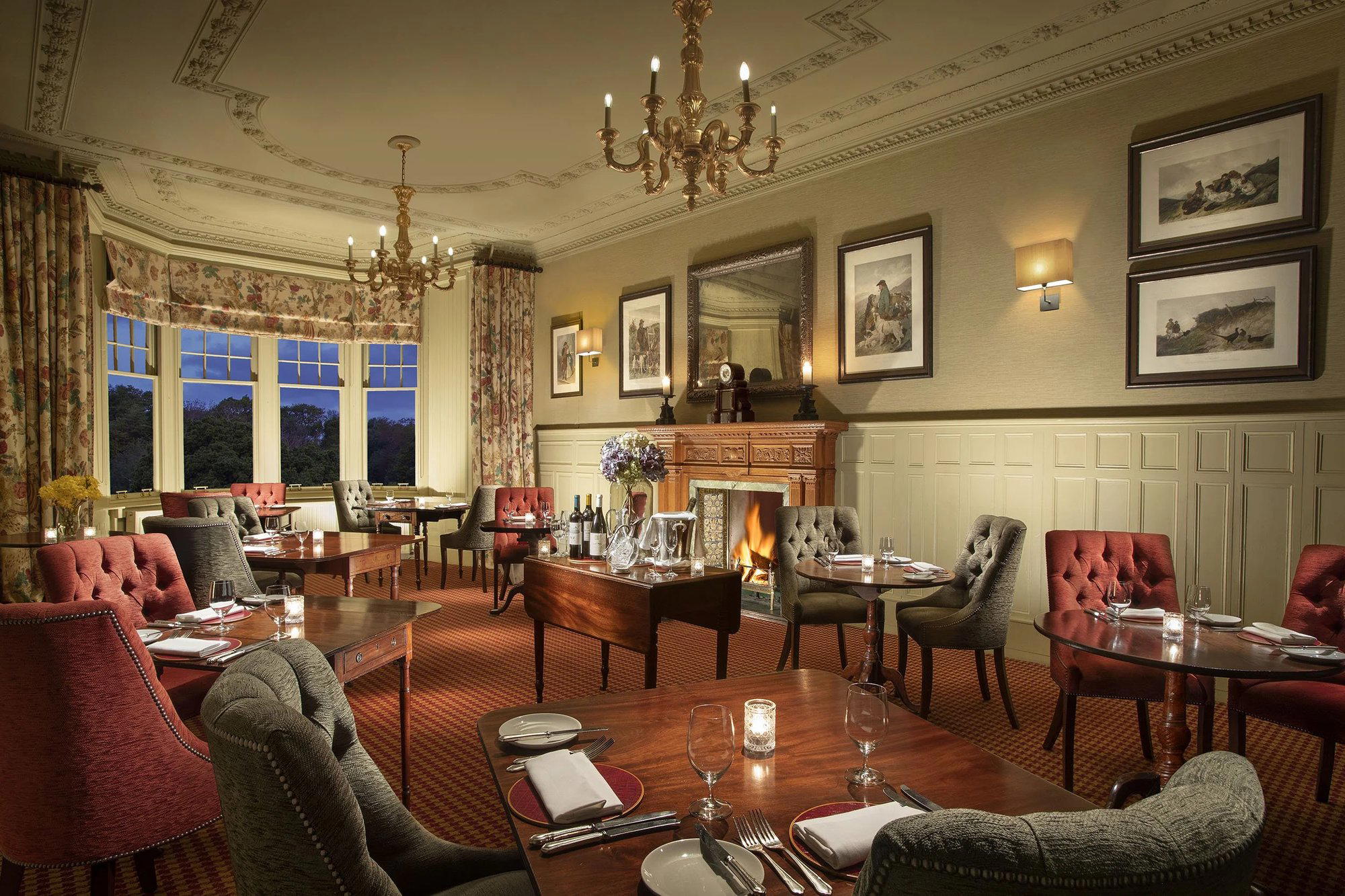
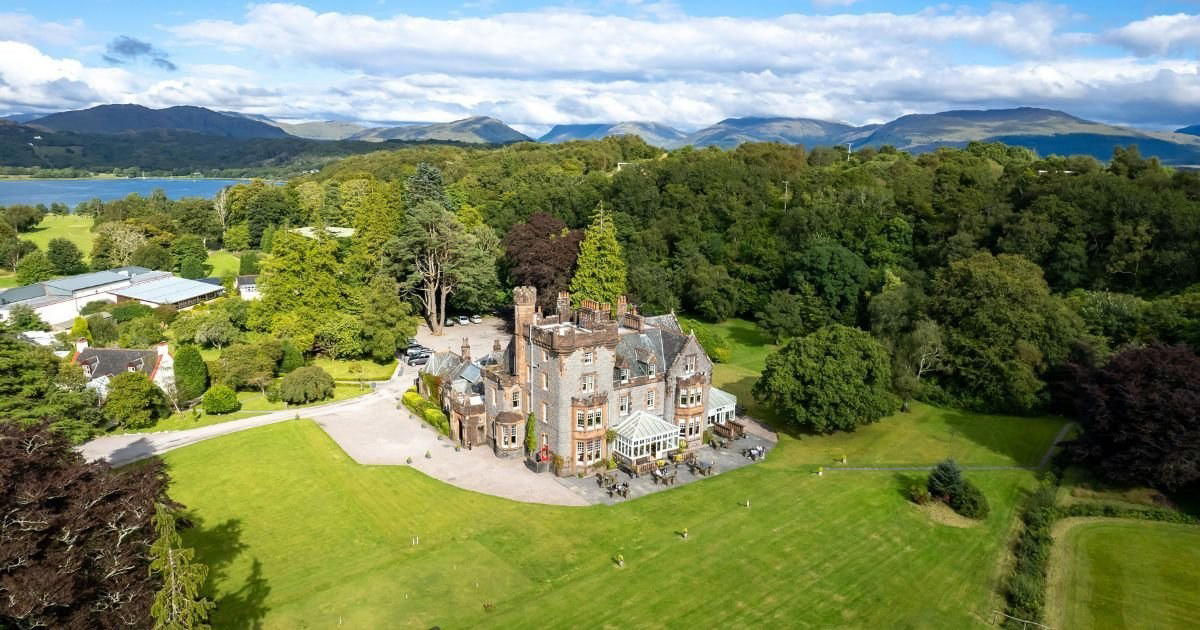
Restaurants in Lochaline
Browse all →
Bars in Lochaline
Browse all →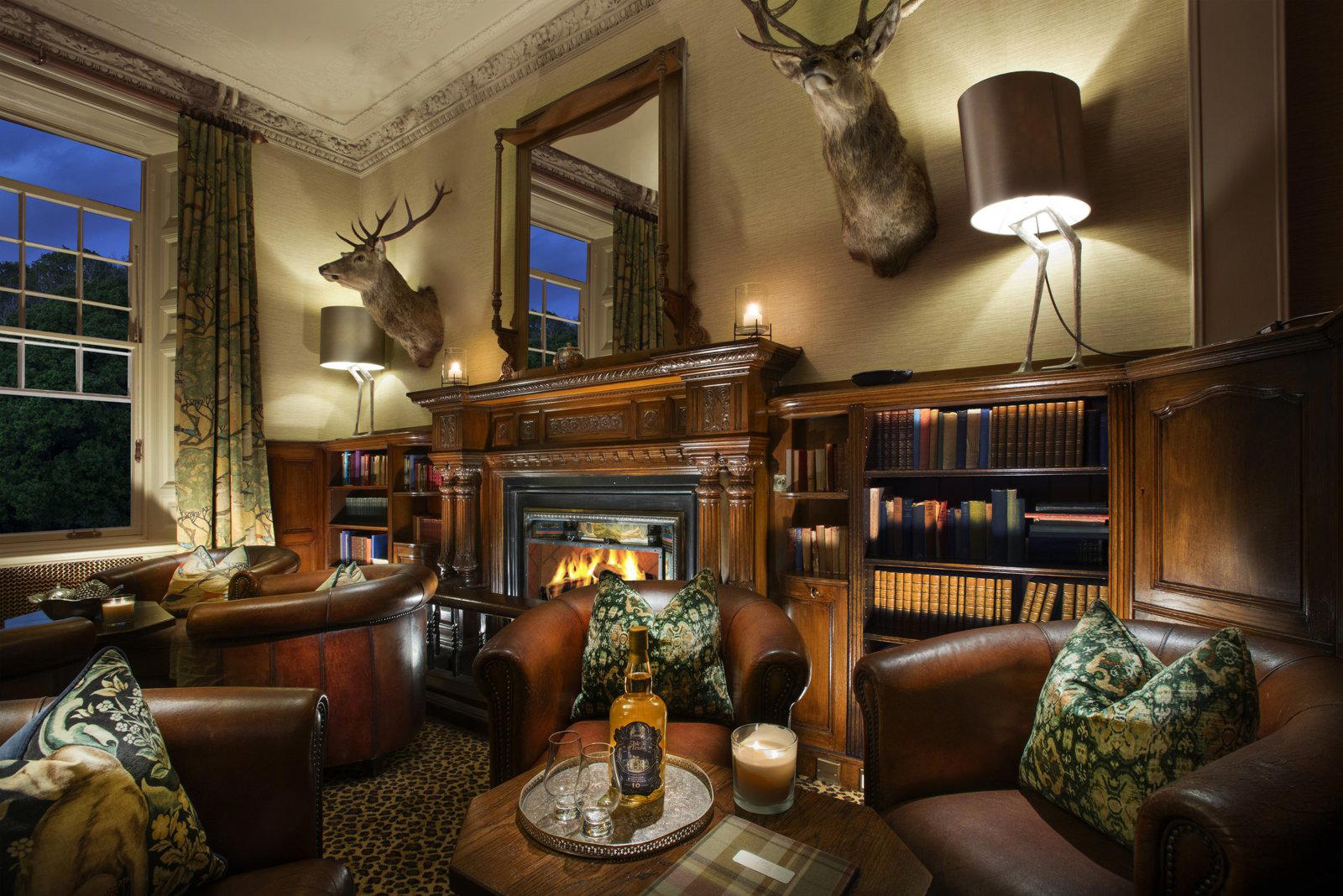
Details
- Romantic
- Cozy
- Elegant
- Intimate
- Scenic
- Date Night
- Celebration
- Special Occasion
- Standalone
- Waterfront
- Historic Building
- Craft Cocktails
- Farm To Table
- Local Sourcing
- Organic
- Waterfront
- Prix Fixe
- Set Menu
- Craft Cocktails
- Local Spirits
- Wine
- Vegetarian Friendly
- Vegan Options
- Gluten Free Options
- Allergy Accommodating
Current opening hours
- Monday
- Closed
- Tuesday
- 6–9 PM
- Wednesday
- 12–2 PM, 6–9 PM
- Thursday
- 12–2 PM, 6–9 PM
- Friday
- 12–2 PM, 6–9 PM
- Saturday
- 12–2 PM, 6–9 PM
- Sunday
- Closed
Hours can change for holidays and private events. Last verified .
Relaxed yet refined atmosphere with warm, welcoming service in a small, stylish coastal setting with natural lighting and cozy decor.