The Stoned Crab
Our verdict
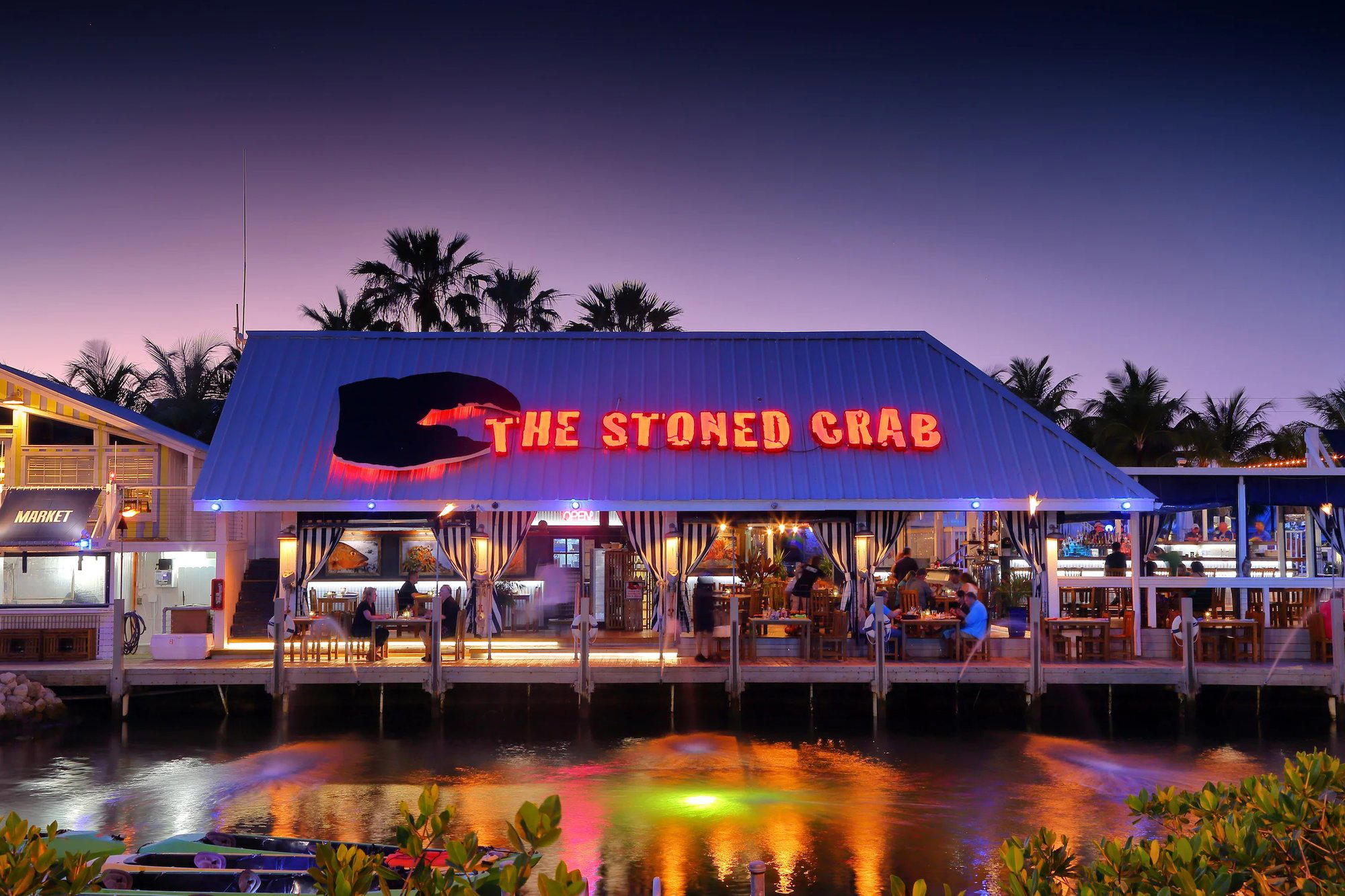
"Eco Bar at the Stoned Crab Opened to celebrate Florida's healthy way of life,the Eco Bar is the onlybar on the island to serve sustainable cocktails, wine, and craft beers. Chris Holland, who owns the Stoned Crab, is passionate about keeping things green. Hollandpartnered with chef Paul Menta (who foundedKey West First Legal Rum, a distillerythat usesorganic practices) on this venture, creating a restaurantand a bar that reflect their lifestyle. Thedelicious and wholesome menu is based onseafoodbought from local fishermen and fish markets, andorganicfruits and vegetables (and herbs for your cocktail!) fromlocal farms. Notable cocktails include the Carly Loves Cucumbers, whichblends organic vodka, muddled cucumber, lime juice, and agave nectar, fizzed with a splashof club soda, seriously delicious and healthy!"

Pearl is the En Primeur Club membership app, where members save venues, book tables and use the concierge.
The menu
What to order
- Stone Crab Claws
- Whole Local Fish
- Florida Lobster
Stone Crab Country: What Key West's Seafood Culture Tells You About the Place
North Roosevelt Boulevard runs along the Gulf side of Key West, a stretch that reads more like everyday Florida than the postcard scene of Duval Street. The Stoned Crab sits at 3101 on that boulevard, positioned where locals and visitors intersect outside the tourist core. That address is itself an editorial signal: Key West's serious seafood operations have always divided between the highly photographed Old Town rooms and the waterside spots that draw on the island's working fishing identity. The Stoned Crab occupies that second register.
Stone crab is Florida's most culturally loaded seafood product, and understanding it explains the restaurant's name and the broader dining tradition it references. Unlike most American seafood, stone crab is harvested through a regeneration system: one claw is removed and the crab is returned to the water, where the claw regrows over roughly 18 months. Florida Fish and Wildlife regulates the season tightly, running from mid-October through mid-May, which means stone crab in summer is either frozen from the previous season or sourced elsewhere. That seasonality shapes when stone crab restaurants in Florida operate at their peak and when diners should arrive with the most realistic expectations. The Keys sit at the southern end of Florida's stone crab habitat, placing the archipelago in close geographic proximity to the fishery itself.
Florida Seafood Dining in Its Broader Frame
Key West's restaurant scene sits at a crossroads between two identifiable dining traditions. The first is Floribbean cooking, a fusion style that emerged in the 1990s combining Florida's tropical produce and seafood with Caribbean and Latin technique. Louie's Backyard helped define that register locally. The second tradition is more direct: direct preparation of the leading available catch, often with minimal intervention, where the quality of the sourcing does more work than the kitchen technique. Stone crab sits naturally in this second tradition, classically served chilled with mustard sauce, where the claw's sweetness and texture need nothing beyond a cold plate and a cracker.
Across the Keys and broader South Florida, stone crab houses occupy a specific mid-tier niche, above casual fish shacks and below the hotel-dining rooms that command premium covers. B.O.'s Fish Wagon represents the casual end of Key West seafood; Azur and Antonia's represent the more formal dining register. Stone crab-focused venues like The Stoned Crab operate between those poles, where the product's natural prestige carries pricing without requiring a tasting menu format or a celebrated chef name as an organizing principle. For context on how that differs from fine dining seafood at national scale, consider that restaurants like Le Bernardin in New York City or Providence in Los Angeles construct their identity around technique and curation; stone crab houses build theirs around direct access to a regulated, seasonal product.
The Key West Seafood Context
Key West's food identity has always been shaped by geography more than any single culinary movement. The island sits 90 miles from Cuba and well below the continental seafood supply chains that serve Miami or Tampa, which historically meant the local catch defined the menu by necessity. That legacy persists: visitors who arrive with expectations calibrated by landlocked American seafood menus often encounter a different standard of freshness in the Keys, where proximity to the water compresses the time between catch and plate in ways that are difficult to replicate elsewhere in the country.
The stone crab claw itself rewards understanding before you order. Large claws are generally more expensive and deliver more meat per portion; medium claws offer better value for diners focused on flavor over sheer volume. The mustard dipping sauce that accompanies most Florida stone crab preparations is standardized enough across the state that it functions almost as a regional condiment, but quality varies between houses. Chilled claws served at the right temperature, neither frozen through nor allowed to warm, is the basic technical discipline that separates competent stone crab service from poor execution.
Key West's dining scene beyond seafood has diversified considerably, with venues like Atlas Izakaya and Azur pulling the island toward more internationally informed cooking. But the seafood-forward identity remains the anchor, and stone crab remains one of Florida's few genuinely protected, regulated, and season-specific delicacies. For a broader map of where The Stoned Crab fits among Key West's dining options, the EP Club Key West restaurants guide covers the full range from the small counter at 7 Fish to the Italian-rooted formality of Antonia's.
Planning Your Visit
The Stoned Crab is located at 3101 N Roosevelt Blvd on the Gulf side of Key West, away from the denser foot-traffic of the historic district. Diners arriving by car will find this address more accessible than Old Town's compressed streets, where parking becomes a genuine constraint during peak season. Stone crab season runs mid-October through mid-May, so visits within that window align with the product at its finest. Outside the season, the menu's orientation may shift, and diners should ask directly about sourcing before ordering claws.
For travelers cross-referencing Key West against other American dining destinations, the investment tier here differs significantly from what fine dining commands in cities with nationally recognized programs. Properties like The French Laundry in Napa, Smyth in Chicago, or Addison in San Diego operate at a different price tier and format entirely. The Stoned Crab's identity is rooted in the product rather than the kitchen's interpretive framework, which means the decision to visit is ultimately a decision about whether you want proximity to one of Florida's most carefully regulated seasonal seafoods, served in a setting that reflects the Gulf-side character of the island rather than its more theatrical Old Town face. That is a specific kind of value, and for visitors who understand what stone crab is and when it arrives, it is a clear one.
Frequently asked questions
Is The Stoned Crab a family-friendly restaurant?
The North Roosevelt Boulevard location, on the Gulf side of Key West rather than the denser historic district, suggests a more relaxed, neighbourhood setting that tends to suit families more readily than the busier Duval Street corridor. Stone crab-focused menus in Key West generally skew casual rather than formal. Confirm current seating arrangements directly with the venue before visiting with young children.
What kind of setting is The Stoned Crab?
The Stoned Crab sits at 3101 N Roosevelt Blvd on the Gulf side of Key West, a stretch that operates closer to everyday Florida than the tourist-heavy historic district a mile or so east. That positioning typically means more parking, less foot-traffic pressure, and a dining room that draws a mix of locals and visitors rather than purely walk-in resort crowds.
Does The Stoned Crab operate year-round, and does the menu change with stone crab season?
Florida's official stone crab season runs from mid-October through mid-May, a window set by the Florida Fish and Wildlife Conservation Commission to protect the population. Outside that period, a restaurant named for the species will either source frozen claws or shift its menu toward other Gulf catch. The Stoned Crab's address in Key West places it within easy reach of the active fishery during season, which is the practical argument for visiting between November and April.
What do people recommend at The Stoned Crab?
The name is the clearest signal: stone crab claws are the draw here, as they are at the handful of Key West spots that build their identity around the species. Florida stone crab season runs mid-October through mid-May, so timing a visit within that window gives access to fresh-caught product rather than frozen stock. Check directly with the restaurant for current menu specifics.
What part of town is The Stoned Crab in?
The Stoned Crab is located at 3101 N Roosevelt Blvd, Key West, FL 33040, Key West.
How far ahead should I plan for The Stoned Crab?
Key West restaurant demand peaks between December and April, when snowbirds and spring-break travellers compress reservations across the island. The Roosevelt Boulevard location draws somewhat less walk-in impulse traffic than Old Town spots, but booking a day or two in advance during peak season remains prudent. check the venue's official channels for current reservation availability.
What's the defining dish or idea at The Stoned Crab?
Stone crab claws are both the name and the concept anchor. In Florida, the species is harvested by removing one claw and returning the crab to the water, making it one of the few commercial fisheries structured around the animal's survival. That biology gives the product a seasonal and regional specificity that separates stone crab from generic Gulf seafood menus, and Key West, sitting at the southern reach of the claws' range, is one of the better places on the coast to eat them.
Price and Recognition
| Venue | Cuisine | Price | Awards | Notes |
|---|---|---|---|---|
| The Stoned CrabThis venue (the venue you are viewing) | Fresh Local Seafood with Stone Crab Specialty | Not listed | Not listed | Not listed |
| Louie’s Backyard | Modern Seafood Fine Dining | Not listed | Not listed | Floribbean |
| Blue Heaven | Caribbean | $30–50 | Michelin Plate | Not listed |
| Antonia's | Northern Italian with handmade pasta and local seafood | $50–100 | Not listed | Not listed |
| Atlas Izakaya | Modern Japanese Izakaya | $50–100 | Not listed | Not listed |
| Azur | Mediterranean-Inspired with Italian, French, and Spanish Influences | $50–100 | Not listed | Not listed |
Continue exploring
More in Key West
Restaurants in Key West
All restaurants in Key West →
Bars in Key West
All bars in Key West →
Details
- Lively
- Scenic
- Casual
- Casual Hangout
- Family
- Waterfront
- Open Kitchen
- Craft Cocktails
- Local Sourcing
- Sustainable Seafood
- Waterfront
- A La Carte
Current opening hours
- Monday
- 11 AM–10 PM
- Tuesday
- 11 AM–10 PM
- Wednesday
- 11 AM–10 PM
- Thursday
- 11 AM–10 PM
- Friday
- 11 AM–10 PM
- Saturday
- 11 AM–10 PM
- Sunday
- 11 AM–10 PM
Hours can change for holidays and private events. Hours as of .