The Ship

Michelin Plate
Our verdict
A North Norfolk coast dining pub near the salt marshes, The Ship draws on the Peyton sisters' Sculthorpe legacy and emphasizes ingredient-led British cooking. Walk-ins and families both fit the format, though weekend demand can mean waits at peak times.

Pearl is the En Primeur Club membership app — saves, bookings, and concierge access live there. Same editors, same standards.
- Address
- Main Road, Brancaster, Norfolk, PE31 8AP, GBR
- Phone
- +44 1485 210333
- Website
- guide.michelin.com
- Directions
- Get directions
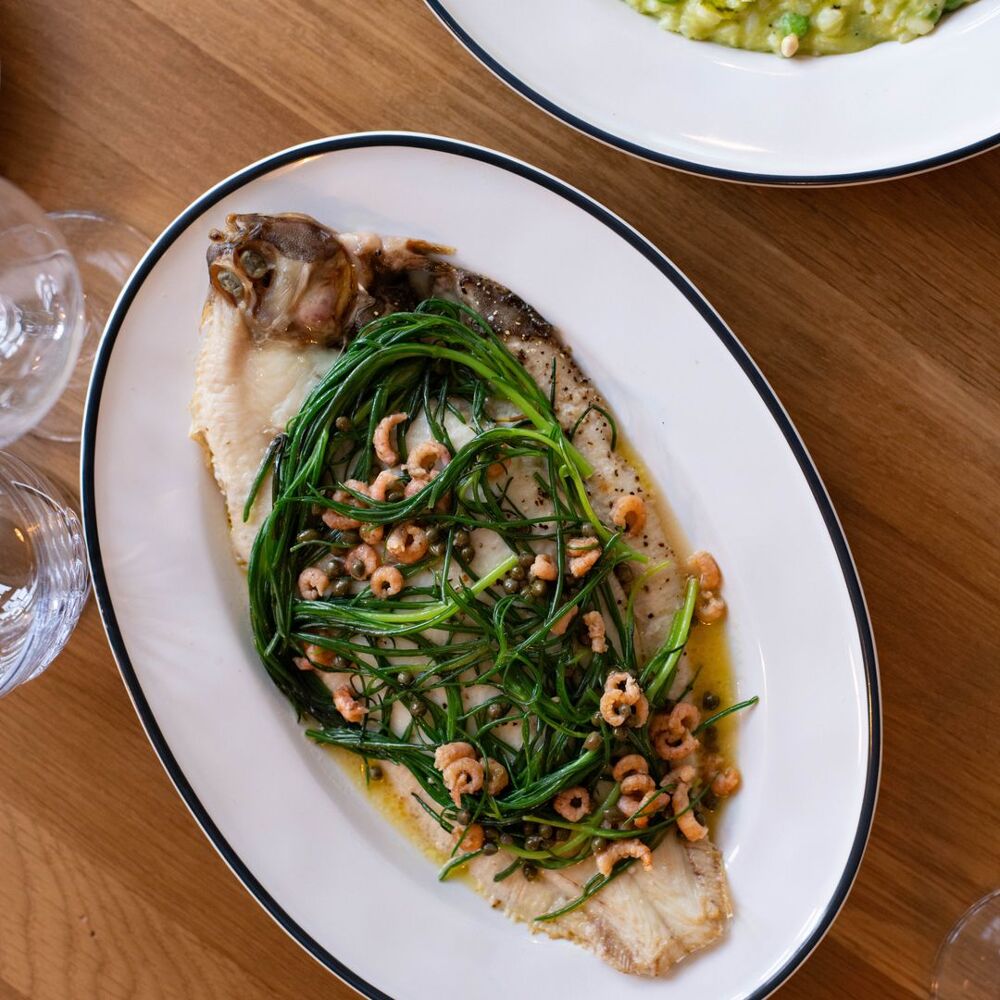
The menu
What to order
- Crispy little red mullets with agretti and saffron aioli
- Arroz caldoso with Brancaster lobster
- Lamp rump
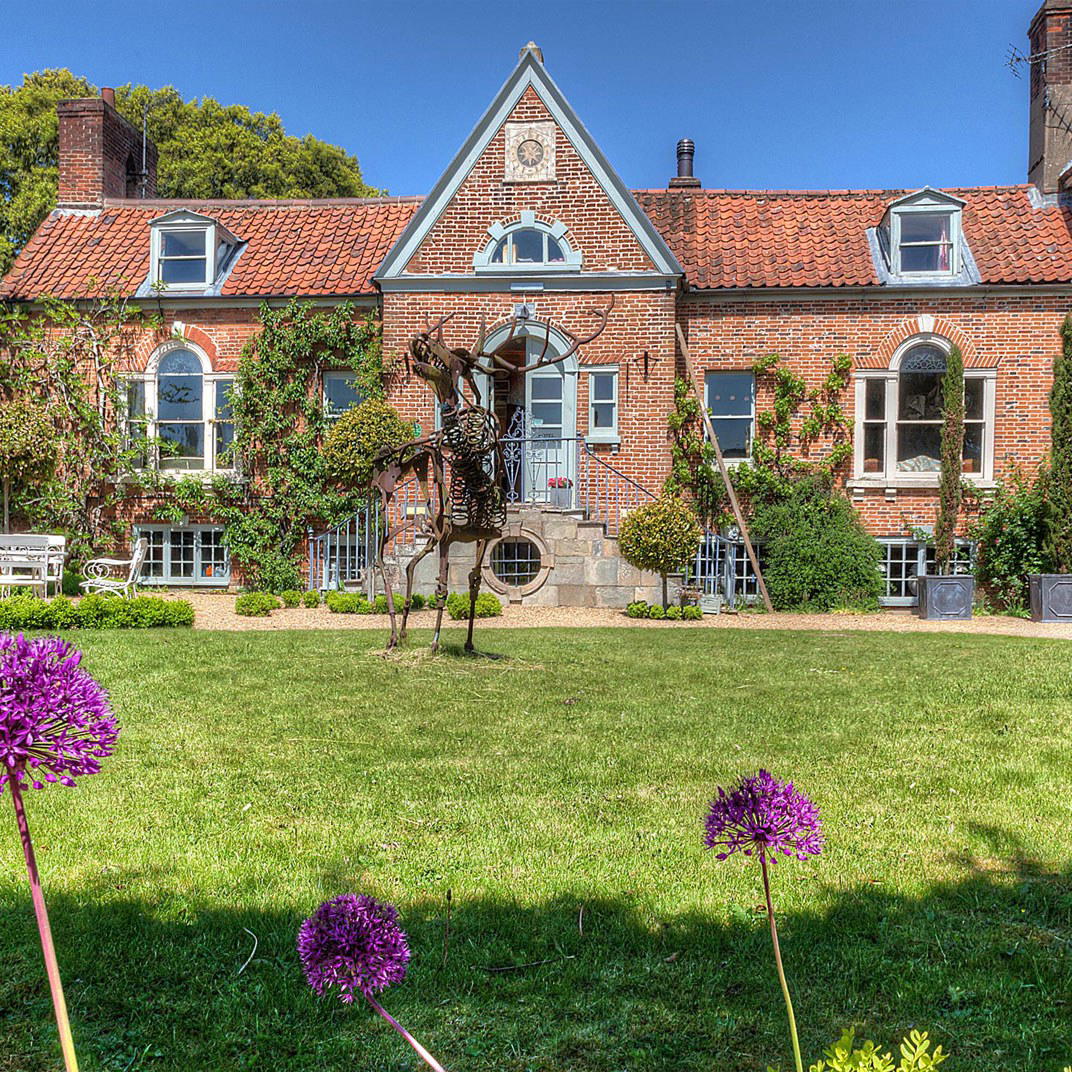
The Ship sits on Main Road in Brancaster, a ten-minute walk inland from the tidal flats where mussels grow in beds anchored to the seabed. The building faces the road with painted weatherboard and a low roofline; inside, scrubbed tables, whitewashed walls, and bare boards set a tone closer to a working village pub than a coastal destination restaurant. The Peyton sisters – known for Sculthorpe Mill further south in Norfolk – run the kitchen, and that connection signals an approach that prizes local sourcing over formal technique. Our full Brancaster restaurants guide positions The Ship alongside other estuary and salt-marsh anchored venues, where tidal rhythms and fishing seasons shape the weekly offering more visibly than static menus.
Sourcing from the Marshes and North Norfolk Farms
North Norfolk dining culture divides into two broad camps: the occasional Michelin-starred room in a country-house hotel, and the pub or bistro that sources hyperlocally but serves à la carte in an unfussy room. The Ship sits squarely in the second camp. The Peyton sisters have built the menu around partnerships with named growers and fishermen – Brancaster mussels landed within a mile, samphire from the nearby marsh edges, game from the inland estates, and vegetables from Docking and the surrounding farmland. It is the same ingredient network that underpins 1861 in Abergavenny and Socius further west, where chef-owners name the farm on the menu and adjust weekly according to harvest timing rather than customer expectation.
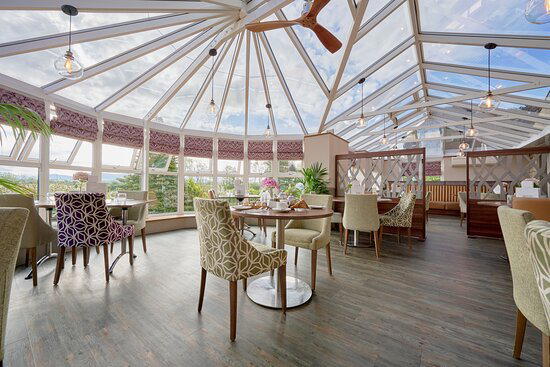
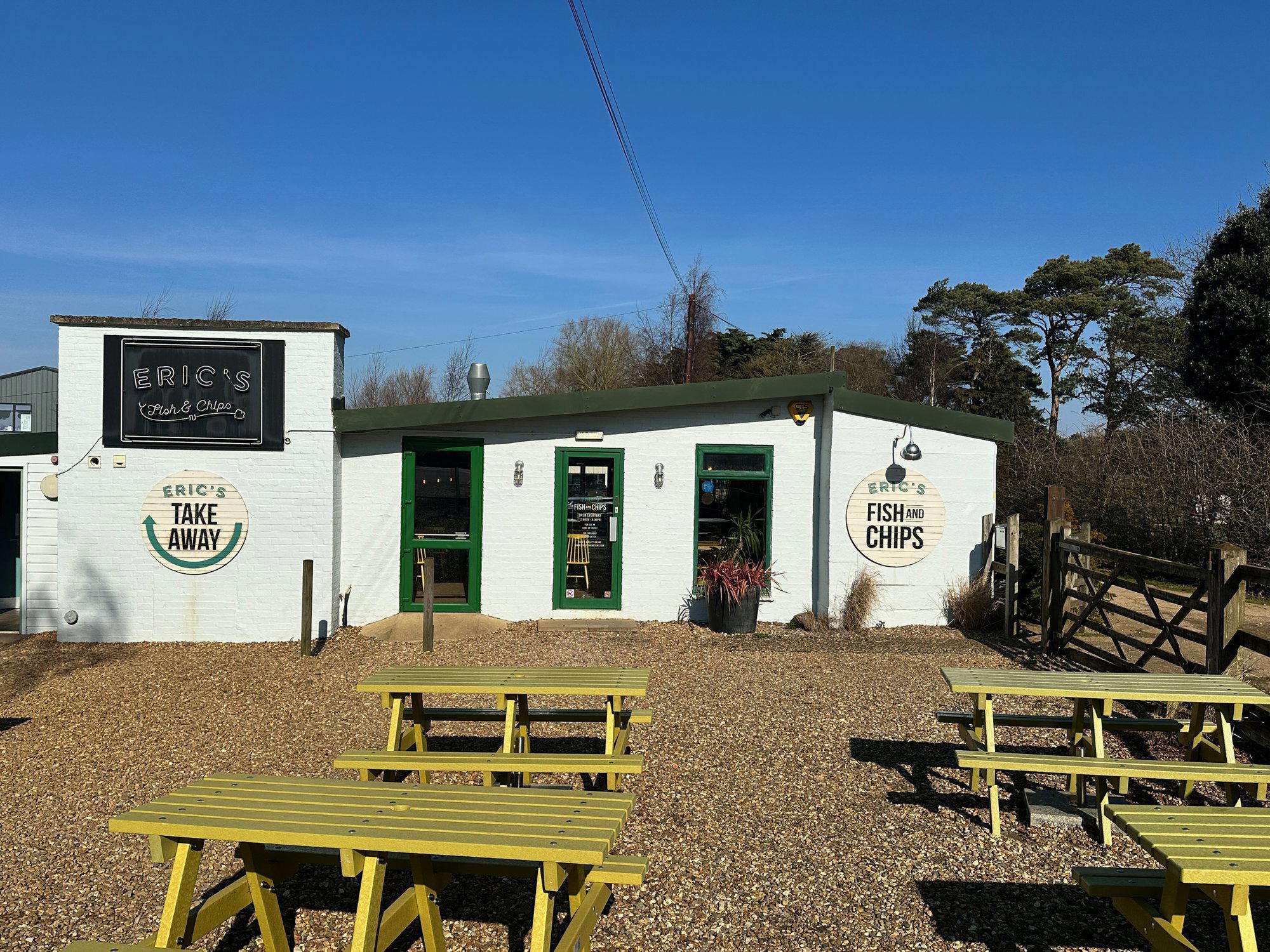
That format means seasonal volatility. Game appears in autumn and winter; asparagus and early peas define late spring; mussels run from September through March, then disappear when the beds need rest. The kitchen does not compensate with imports; instead, dishes rotate off the menu entirely when the ingredient cycle ends. This approach works well for return visitors who treat The Ship as a regular coastal stop, less well for those arriving once with a fixed dish in mind. The Conservatory at Titchwell Manor, three miles east, offers a more stable format and higher price band, with tasting menus that layer technique over local ingredients. The Ship operates at a lower price tier and assumes less dining formality; shared tables, walk-in seating, and a no-reservations policy at lunch position it closer to Eric's Fish & Chips in operational rhythm, even if the cooking ambition diverges.
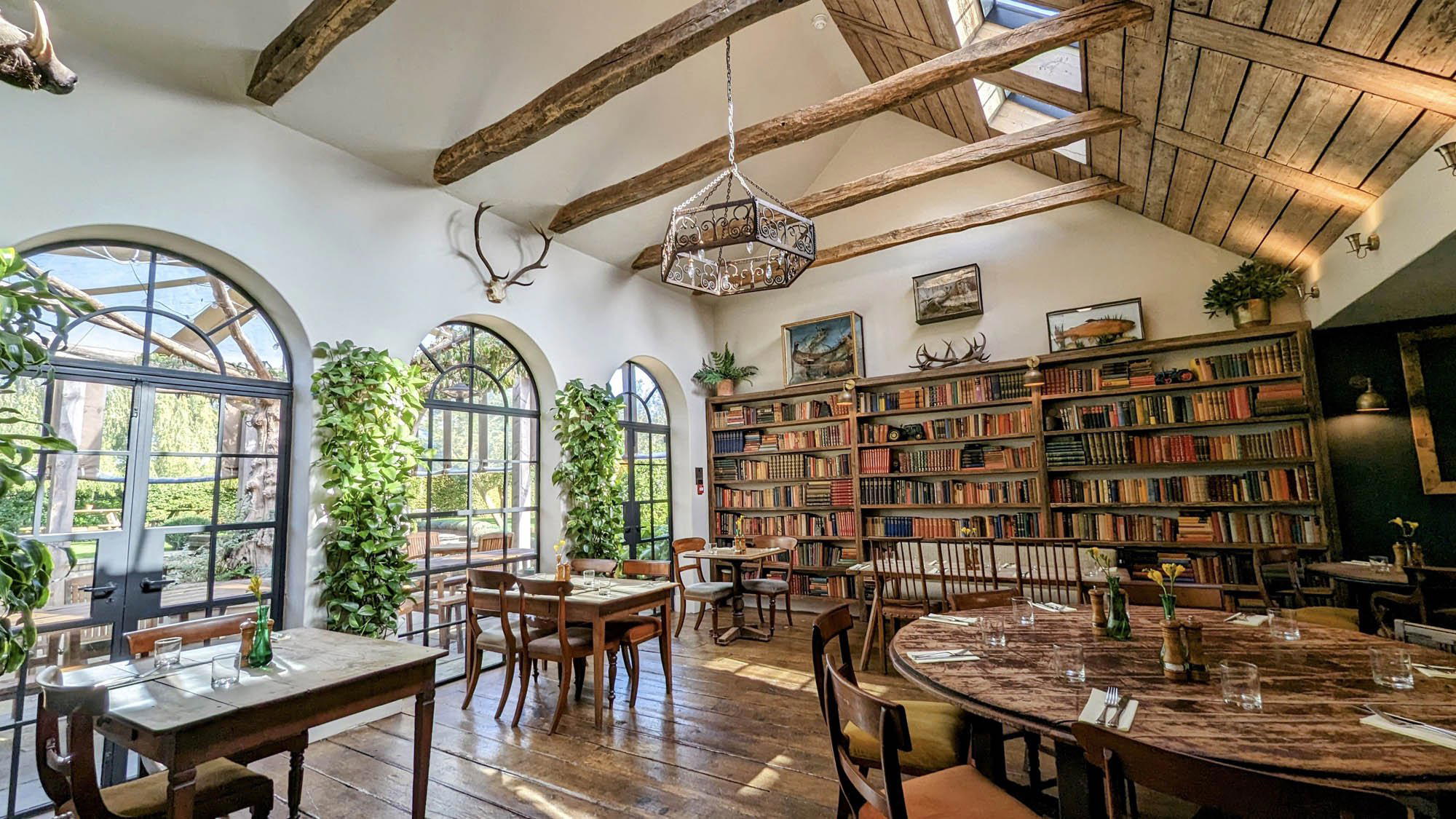
The Format and the Room
The dining room holds around forty covers, with additional seating in a rear garden during warmer months. Service runs from noon through mid-afternoon, then resumes for dinner from six onward. The no-reservations stance at lunch attracts walkers coming off the coastal path and families visiting the beach at high tide, which can create hour-long waits on summer weekends and bank holidays. Dinner accepts bookings for parties of four or more, but smaller groups still queue. That policy aligns with the Peyton sisters' preference for spontaneous turnover over locked-in seatings, though it also means timing becomes part of the planning calculation. Arriving before noon or after two typically shortens the wait; midday on a Saturday in July can stretch past an hour.
The cooking style favors simplicity: roasted whole plaice with brown butter, mussels steamed with cider and shallots, pork belly with apple and celeriac. Dishes arrive on plain white china with minimal garnish, and portion sizes lean generous rather than composed. The kitchen does not pursue the restraint-led plating seen at 'Seasgair' by Michel Roux Jr in Fort William or "8" By Andrew Sheridan in Liverpool, where each element is weighed and positioned. Instead, the priority is ingredient clarity: if the fish is fresh and the seasoning correct, presentation recedes. That philosophy suits the venue's pub bones and keeps prices in check; mains typically sit between £14 and £22, comparable to White Horse Holme nearby but below the £30-plus range at Titchwell Manor.
Wine lists in North Norfolk coastal pubs tend toward familiar labels and modest markups, and The Ship follows that pattern. The selection runs to around thirty bottles, with a bias toward Loire whites, English sparkling, and a handful of Rhône and Rioja reds. Markup sits close to twice retail, lower than London but standard for the region. By-the-glass pours rotate weekly, often tied to whatever the kitchen is serving that day. Beer comes from Norfolk breweries – Woodforde's, Grain, Lacons – and cider from Aspall. The drinks program does not attempt the depth of Brancaster bars with specialist spirits lists, but it matches the ingredient-led cooking in its regional focus.
Brancaster hotels cater primarily to weekend visitors and birdwatchers using the area as a base for Holkham and the RSPB reserves at Titchwell. The Ship functions as a dining option for those staying locally, though it also draws regulars from King's Lynn and Norwich who make the forty-minute drive for weekend lunch. The surrounding area offers little in the way of nightlife or extended dining scenes, so The Ship operates more as a singular stop than part of a crawl. Brancaster experiences lean heavily toward outdoor pursuits – seal-watching trips, marsh walks, kite-surfing in the estuary – and dining tends to punctuate those activities rather than anchor the day. Wineries are absent this far north; the nearest vineyard sits an hour south near Dereham.
The venue's reputation rests on consistency rather than innovation. The Peyton sisters have maintained the same sourcing relationships for years, and the menu structure has not shifted significantly since they took over. That stability appeals to repeat visitors who value knowing the format, but it also means the experience changes little from visit to visit. For those seeking the kind of ingredient-driven cooking that defines rural British dining in 2026 – where the farm name matters more than the plating style – The Ship delivers at a price point and formality level that fits a broad audience. For those seeking technique-forward execution or a more polished room, Titchwell Manor or venues further afield in Norwich offer different balances. The Ship's value lies in what it does not attempt as much as what it achieves: ingredient transparency, low-fuss service, and a setting that reflects the tidal landscape just beyond the marshes.
Frequently asked questions
Is The Ship a family-friendly restaurant?
The Ship operates as a pub-restaurant on Main Road in Brancaster and accommodates families in both the dining room and rear garden. The casual format and forty-cover capacity suit groups and children, particularly during warmer months when outdoor seating expands service. The Peyton sisters, who also run nearby Sculthorpe, maintain a relaxed service style across both venues.
What kind of setting is The Ship?
The Ship sits on Main Road in Brancaster village, within walking distance of the North Norfolk marshes. The main dining room seats around forty, with additional garden tables available from late spring through early autumn. Service runs from noon through mid-afternoon and resumes for dinner, following the standard pub-restaurant schedule common in coastal Norfolk.
What kind of recognition has The Ship received?
The Ship has received recognition including: The Peyton sisters behind nearby Sculthorpe....
How do I find The Ship?
The Ship is located at Main Road, Brancaster, Norfolk, PE31 8AP, GBR, Brancaster.
Is The Ship reservation-only?
The Ship accepts walk-ins alongside advance bookings, typical of pub-format dining in North Norfolk. The forty-cover dining room fills quickly during summer weekends and bank holidays, when visitors to the coast outnumber local diners. Booking ahead is advisable if you plan to arrive after 1 p.m. or on Friday and Saturday evenings.
What has The Ship built its reputation on?
The Ship sources seafood from the nearby North Norfolk marshes and works with local farms across the county. The Peyton sisters, who also operate Sculthorpe, have established a supply network that distinguishes the kitchen from other coastal pubs relying on wholesale distributors. That sourcing model, combined with a straightforward bistro-style menu, accounts for the venue's standing among regulars and visitors to Brancaster.
At-a-Glance Comparison
Comparable venues by cuisine and price in the same metro.
| Venue | Cuisine | Price | Awards |
|---|---|---|---|
| The ShipThis venue — the venue you are viewing | Modern British Gastropub with Mediterranean Influences | $20–30 | Michelin Plate |
| The Conservatory | Modern Cuisine | Not listed | Not listed |
| Socius | Modern British | Not listed | Not listed |
Recognition history
Dated appearances from independent guides and award organizations, with the underlying list record or original source where available.
Michelin Plate
Michelin · 2026 Michelin Plate
Continue exploring
More in Brancaster
Restaurants in Brancaster
Browse all →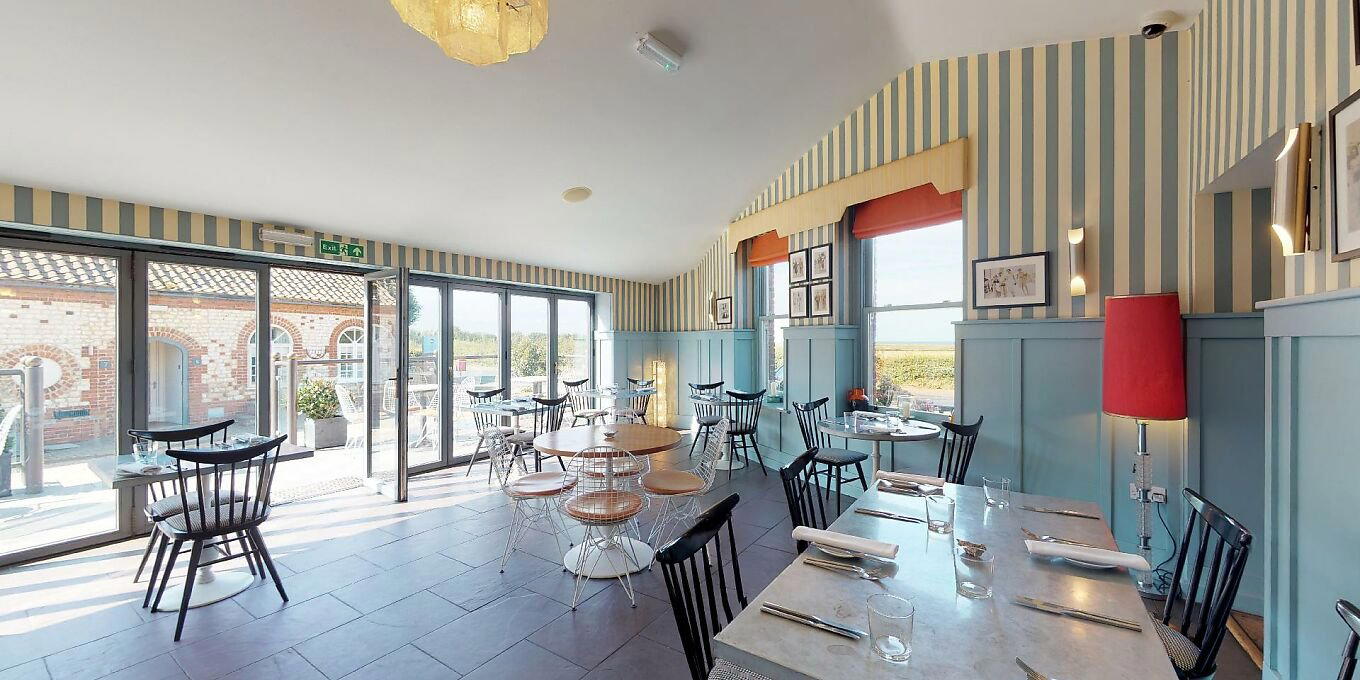
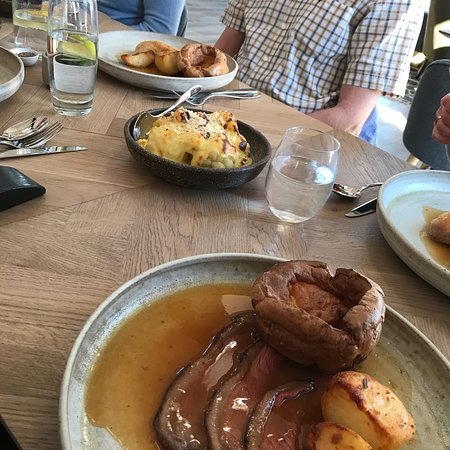
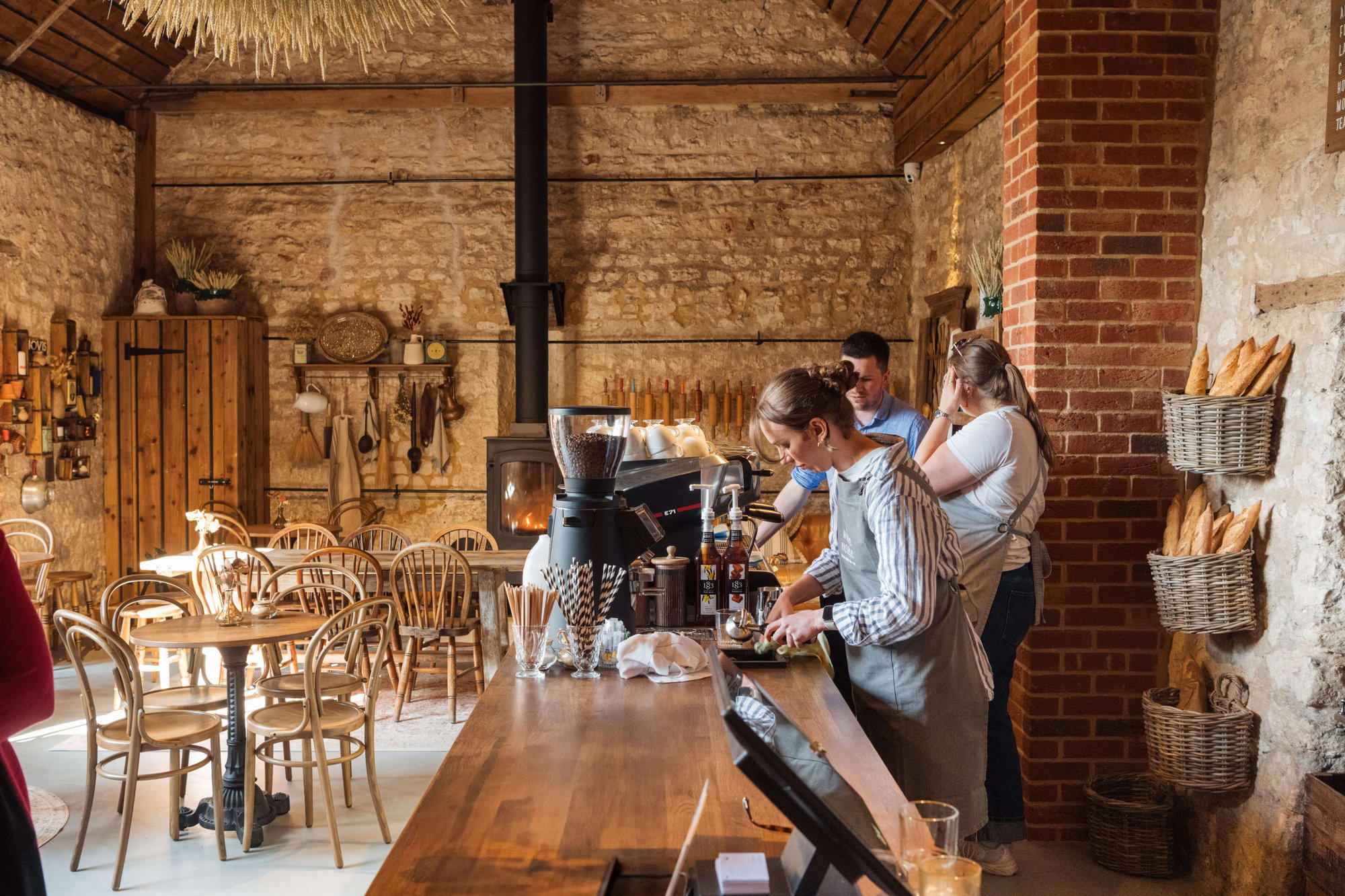
Bars in Brancaster
Browse all →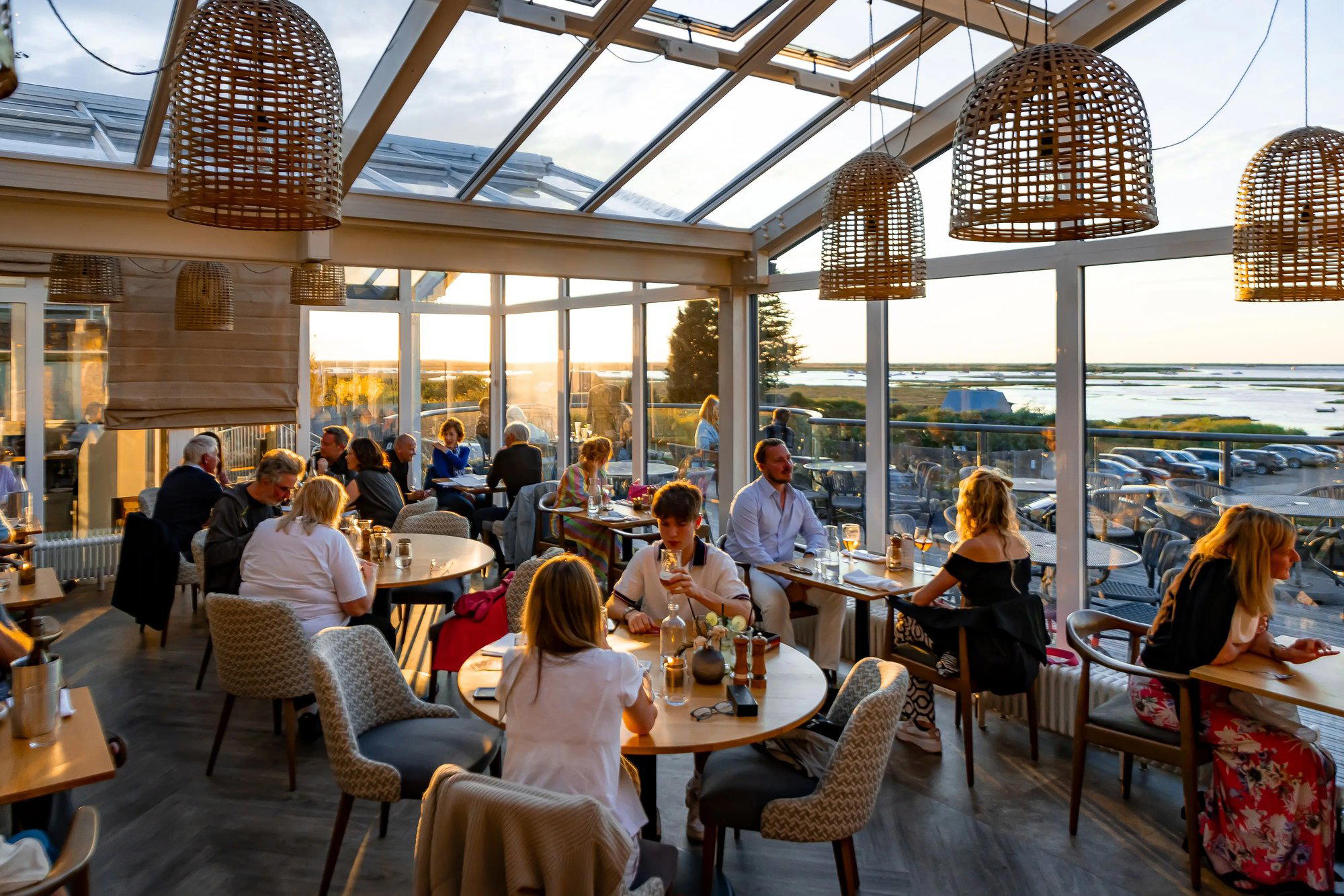
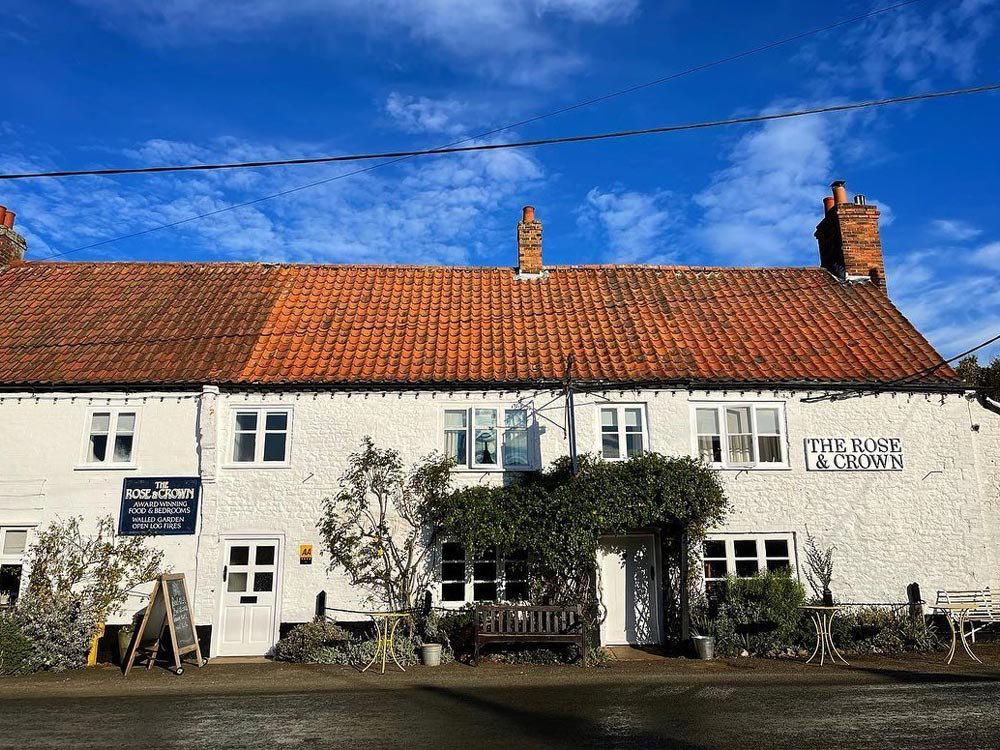
Hotels in Brancaster
Browse all →
Details
- Scenic
- Cozy
- Rustic
- Classic
- Casual Hangout
- Date Night
- Group Dining
- Waterfront
- Garden
- Historic Building
- Standalone
- Beer Program
- Local Sourcing
- Sustainable Seafood
- Waterfront
- A La Carte
- Beer
- Pescatarian Friendly
Relaxed and food-focused, with refreshed interiors, a lively bar, a large garden, and a coastal setting framed by salt marshes and big skies.