The Conservatory


Michelin Plate · Wine Spectator Best of Award of Excellence
Our verdict
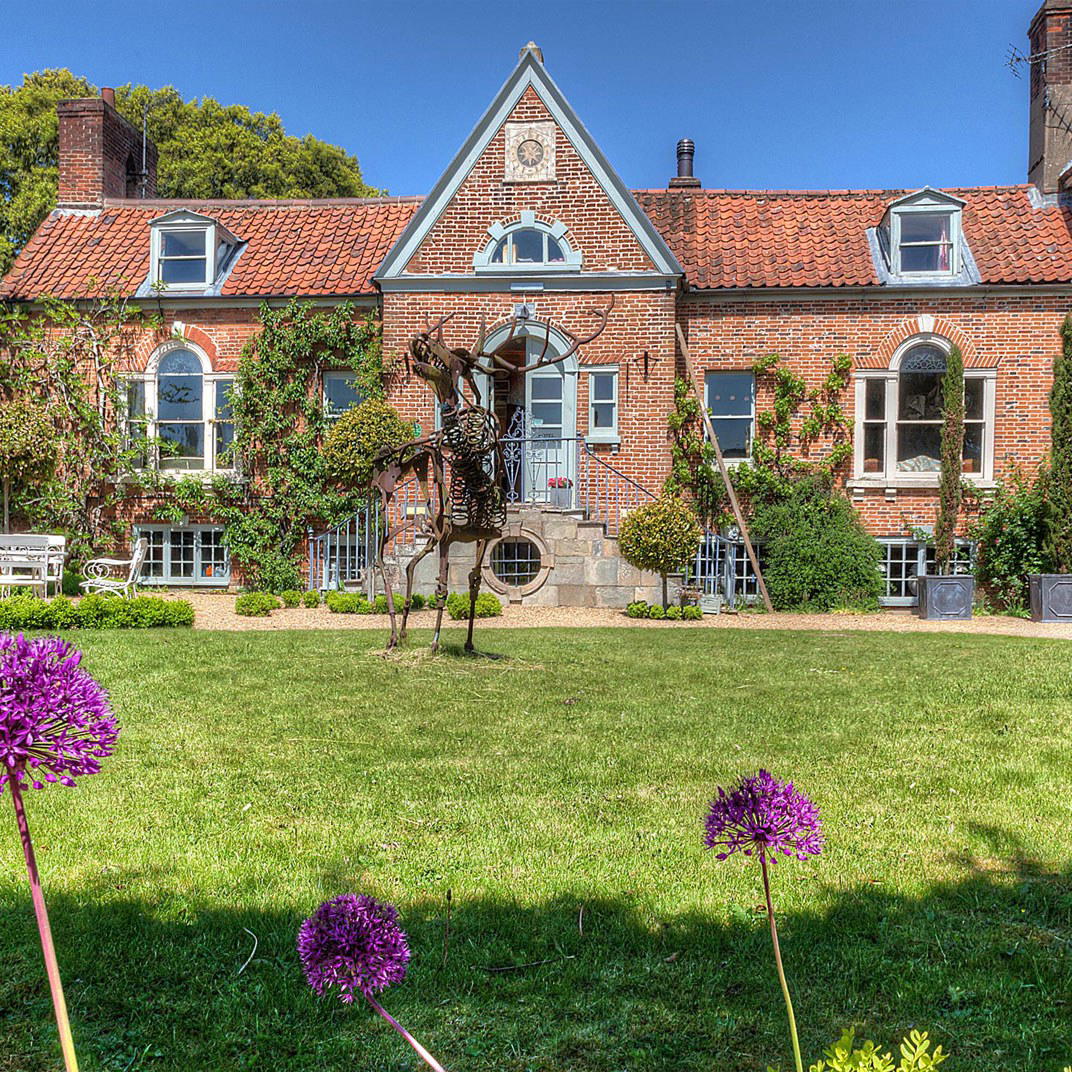
Set within Titchwell Manor's bright glass-walled dining room overlooking walled gardens on the North Norfolk coast, The Conservatory holds a 2025 Michelin Plate for cooking that draws on seafood from Brancaster Staithe and game from local estates. The approach is deliberately restrained: seasonal ingredients, modern technique, and a wine list of 1,200 selections that spans Burgundy, California, and beyond.

Pearl is the En Primeur Club membership app — saves, bookings, and concierge access live there. Same editors, same standards.
- Address
- Titchwell Manor, Main Road, Titchwell, King's Lynn PE31 8BB, United Kingdom
- Phone
- +44 1485 210221
- Website
- titchwellmanor.com
- Directions
- Get directions
- Booking
- Book on OpenTable
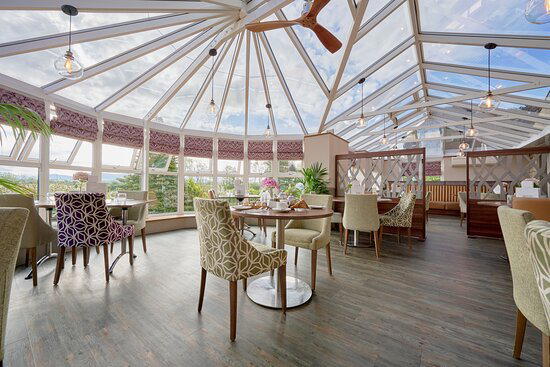
Light, Glass, and the North Norfolk Coast
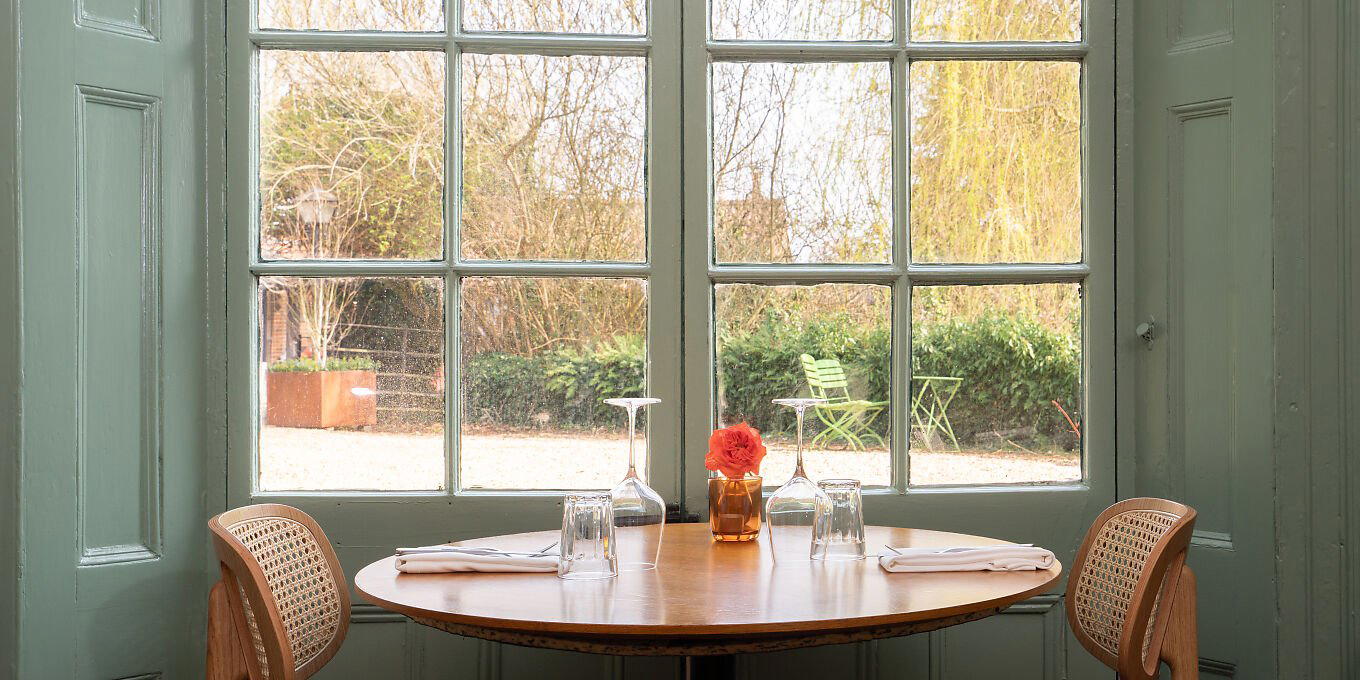
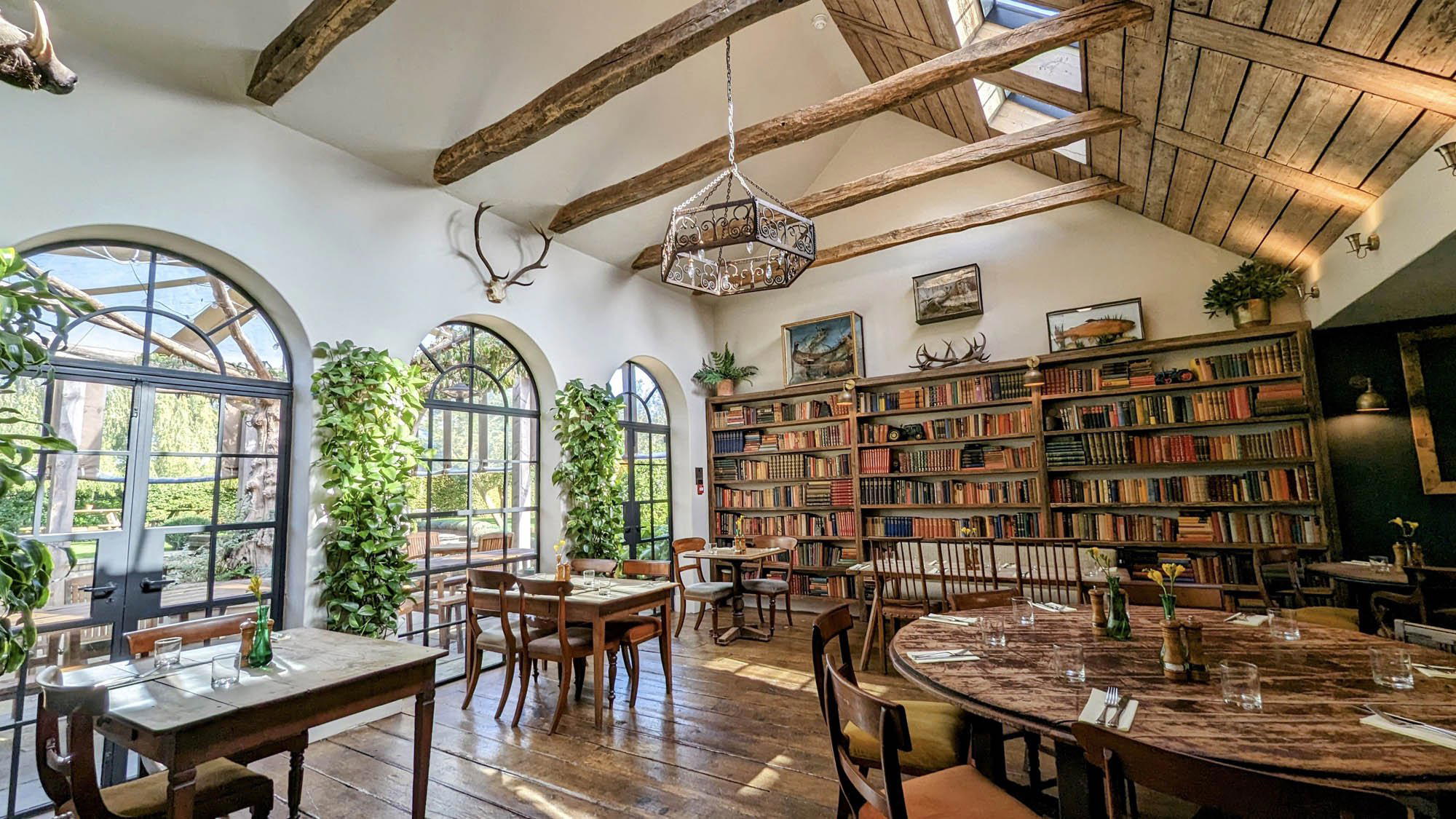
The first thing you notice at The Conservatory is the light. The dining room occupies a glass-walled space within Titchwell Manor, and on clear days the walled gardens press right up against the windows — a frame for whatever Norfolk is doing with the weather. That physical setting shapes everything about the experience here: this is a room that faces outward, toward the salt marshes and the shore, and the cooking follows the same logic.
Norfolk's north coast sits in an interesting position within the map of British hotel dining. It is remote enough that the audience is largely destination-led — visitors who have driven out from Norwich, or arrived from further afield specifically for the coast and its nature reserves, yet close enough to villages with serious culinary reputations that the competition for those diners is real. The Conservatory operates in that context, holding a 2025 Michelin Plate and pitching its offer at the £££ tier: a price point that reflects serious kitchen ambition without reaching for the ££££ bracket occupied by urban rooms like The Ledbury in London or Midsummer House in Cambridge.
Where the Ingredients Come From
The sourcing story at The Conservatory is specific in a way that matters. Seafood arrives from Brancaster Staithe, the small harbour village roughly five miles along the coast road. Brancaster is known for its oysters and shellfish; the estuary there has supplied Norfolk tables for generations, and the short supply chain between water and kitchen is not incidental, it is the premise of the cooking. Meat and game come from local estates, a category that on the North Norfolk coast means some of the most actively managed shooting and farming land in England, where seasonal availability genuinely drives what appears on a menu rather than simply lending it a countryside accent.
This sourcing model connects The Conservatory to a broader current in British restaurant cooking: the move away from imported prestige ingredients toward a serious reckoning with what grows, swims, and grazes within a practical radius. Rural hotel restaurants have historically been well-placed to execute this kind of programme, the proximity to farms and fishing harbours is a structural advantage unavailable to a city kitchen, but the execution varies enormously. At the Michelin Plate level, the expectation is that the sourcing is legible in the food: that the dish is shaped by the ingredient rather than the reverse. The less-is-more approach described here, with unfussy modern classics focused on natural flavours, is a deliberate choice that places the kitchen in a particular tradition: restraint over elaboration, season over showmanship.
This approach shares a philosophical lineage with destination dining rooms at properties like Gidleigh Park in Chagford and Moor Hall in Aughton, where the surrounding landscape is treated as a working larder rather than a backdrop. The ambition is different in scale and price, but the underlying logic, cook what's nearby, cook it well, belongs to the same tradition.
The Wine Programme
The wine list here is more substantial than the room's rural location might suggest. Wine Director Caitlin Love oversees a selection of 1,200 labels with a total inventory of 5,000 bottles, with particular depth in Burgundy, California, France, Italy, Virginia, and Spain. The pricing sits at the mid-tier ($$) range, meaning the list is constructed to offer choice across a spread of price points rather than anchoring itself at the high end. Corkage runs at $65 for those bringing their own bottle.
For a hotel dining room in a village of this size, a 1,200-label list with Burgundy and California as declared strengths signals genuine investment in the cellar programme. It also creates an interesting pairing dynamic with the food: California Chardonnay alongside Brancaster shellfish, Burgundy with Norfolk game, the list appears to have been built to work with the coastal and estate-sourced cooking rather than simply to impress on paper. Virginia's inclusion is a telling detail; it suggests a wine director with an eye on emerging regions rather than simply assembling a conservative classics list.
The Competitive Position
Within the geography of serious British hotel dining, The Conservatory occupies a niche that is genuinely underserved: Michelin-recognised cooking at a non-metropolitan price point, in a coastal setting where the sourcing story is authentic rather than aspirational. Rooms like Le Manoir aux Quat' Saisons in Great Milton or Restaurant Andrew Fairlie in Auchterarder operate at a different price tier and with a different level of kitchen resource, but they share the same structural logic: a hotel dining room that draws guests who have specifically sought out the food as part of a longer stay.
For context on what Michelin Plate recognition actually signals: in the 2025 guide, the Plate designation identifies restaurants with cooking of good quality, placed below Bib Gourmand and the starred tiers. It is a marker of consistency and standard rather than a claim to the highest tier of technical ambition. For a coastal hotel dining room, it is the relevant benchmark, and it places The Conservatory in a specific company of regional British rooms that cook seriously without the price and formality of the top-tier destination table. Comparable rural hotel dining rooms with similar sourcing philosophies include hide and fox in Saltwood and Hand and Flowers in Marlow, though each of those occupies a distinct coastal or riverside context of its own.
Planning a Visit
Titchwell is a small village on the A149 coast road, leading reached by car; the nearest rail connection is King's Lynn, from which the drive west and north along the coast takes roughly 45 minutes. The address, Titchwell Manor, Main Road, Titchwell, King's Lynn PE31 8BB, places it at the heart of the coastal strip between Burnham Market and Hunstanton, making it a natural anchor for a wider North Norfolk itinerary. Dinner is the primary format, consistent with the hotel dining room model. For those staying over, the combination of the RSPB Titchwell Marsh reserve adjacent to the village and the walking available on the coastal path makes the location pull beyond the meal itself. Reservations are advisable; the combination of a destination-led audience and the room's position within the hotel means tables at peak season fill well in advance.
For more on eating, drinking, and staying in this stretch of Norfolk, see our full Titchwell restaurants guide, our full Titchwell hotels guide, our full Titchwell bars guide, our full Titchwell wineries guide, and our full Titchwell experiences guide.
Frequently asked questions
Is The Conservatory child-friendly?
The Conservatory sits within Titchwell Manor, a hotel property with a relaxed North Norfolk setting, which tends to accommodate families more comfortably than destination city restaurants. The cooking style focuses on unfussy modern classics built around natural flavours, making it accessible across age groups.
What's the vibe at The Conservatory?
The dining room is a glass-walled conservatory looking directly onto the Manor's walled gardens, so the atmosphere is airy and light-filled rather than formally hushed. It reads as relaxed country-house dining: Michelin Plate-recognised cooking without the stiffness that recognition sometimes brings. The rural North Norfolk setting reinforces that tone, particularly during daytime service when natural light fills the room.
Does The Conservatory have a Michelin star or similar recognition?
The Conservatory has received recognition including: Titchwell Manor’s formal dining room is a bright, airy space looking out over the walled gardens. Cooking champions local ingredients with seafood from Brancaster Staithe and meat and game from local estates. Unfussy modern classics focus o….
What dish is The Conservatory famous for?
The kitchen doesn't trade on a single signature dish. Its identity is built around produce sourcing: seafood from Brancaster Staithe harbour and meat and game from local estates, treated with a less-is-more approach that keeps the ingredient at the centre. The Michelin Plate recognition (2025) reflects that consistency of execution across the menu rather than one standout preparation.
Comparison Snapshot
| Venue | Cuisine | Awards |
|---|---|---|
| The ConservatoryThis venue — the venue you are viewing | Modern British Fine Dining | Michelin Plate · Wine Spectator Best of Award of Excellence |
| The Ledbury | Modern European, Modern Cuisine | Michelin 3 Star |
| Sketch, The Lecture Room and Library | Modern French | Michelin 3 Star |
| CORE by Clare Smyth | Modern British | Michelin 3 Star |
| Restaurant Gordon Ramsay | Contemporary European, French | Michelin 3 Star |
| Dinner by Heston Blumenthal | Modern British, Traditional British | Michelin 2 Star |
Recognition history
Dated appearances from independent guides and award organizations, with the underlying list record or original source where available.
Michelin Plate
Michelin
Wine Spectator Best of Award of Excellence
Wine Spectator
Full recognition history (3 entries)
Michelin Plate
Michelin
Continue exploring
More in Titchwell
Restaurants in Titchwell
Browse all →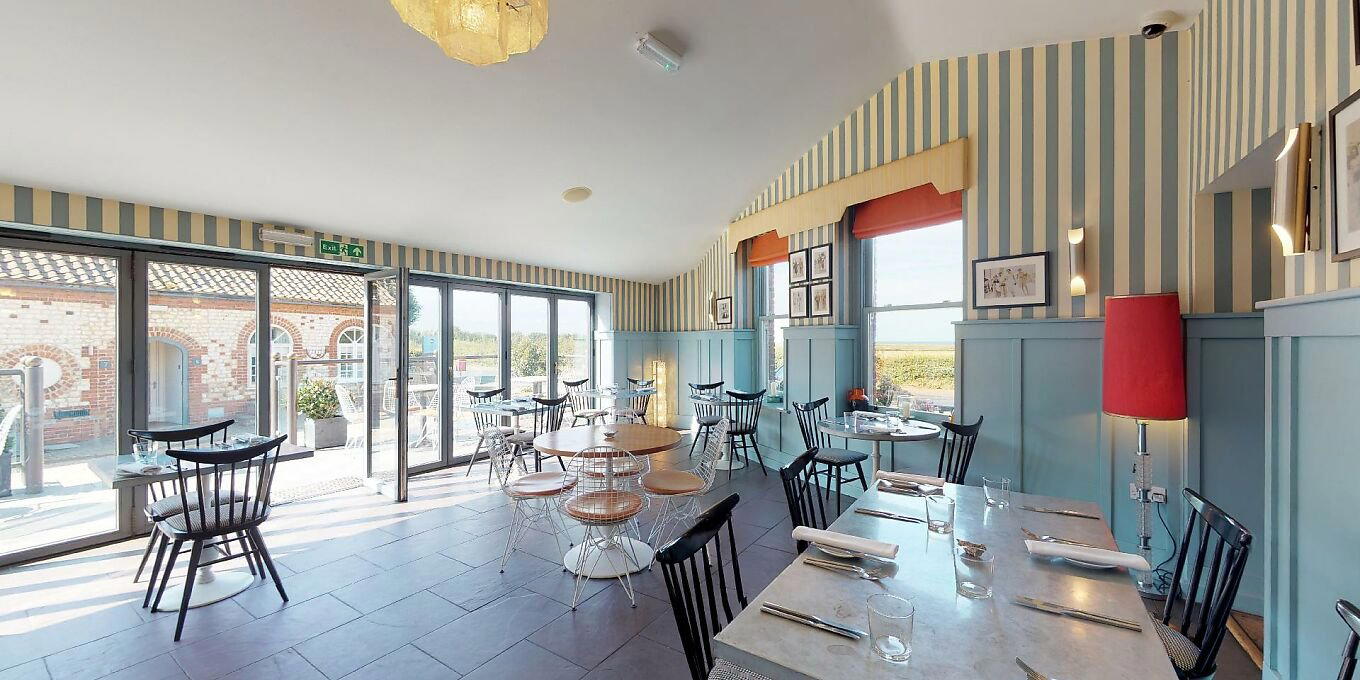
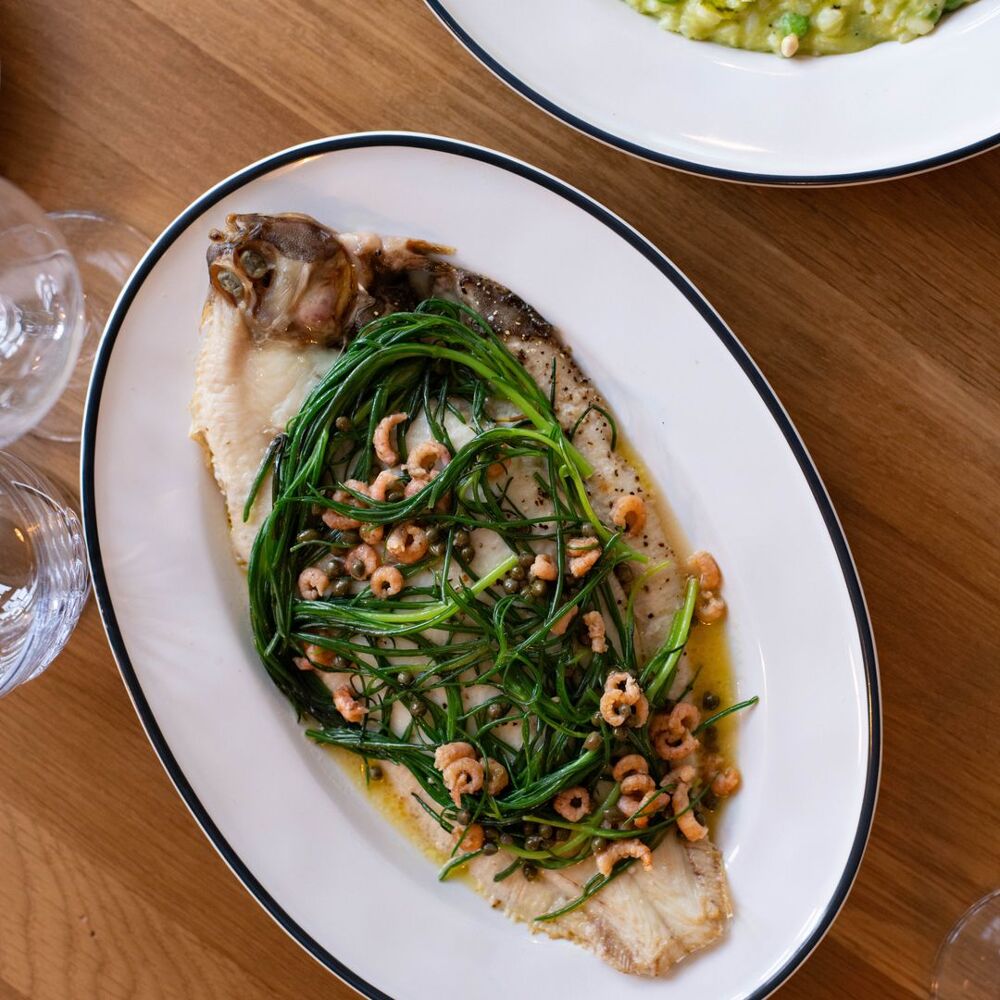
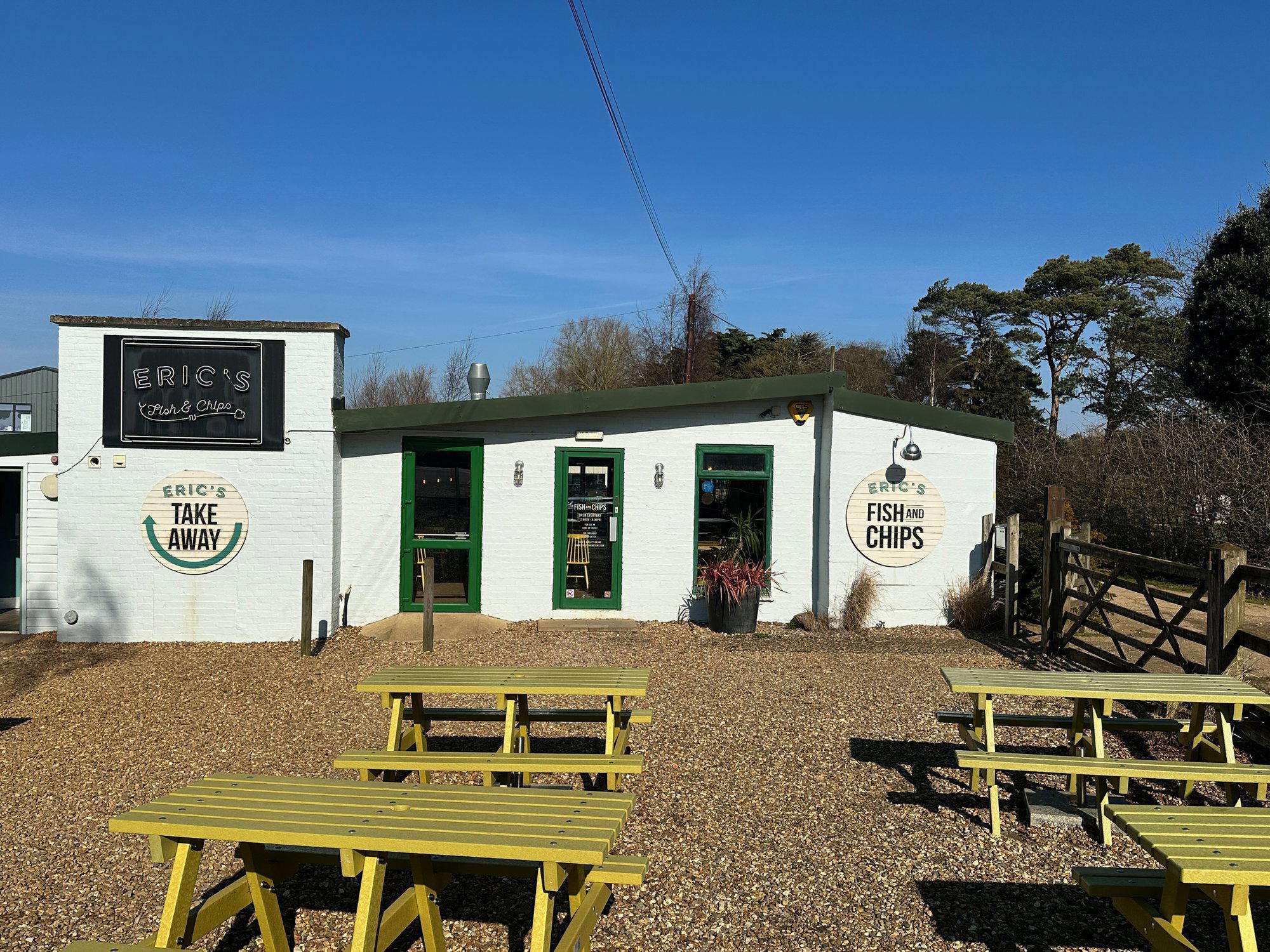
Bars in Titchwell
Browse all →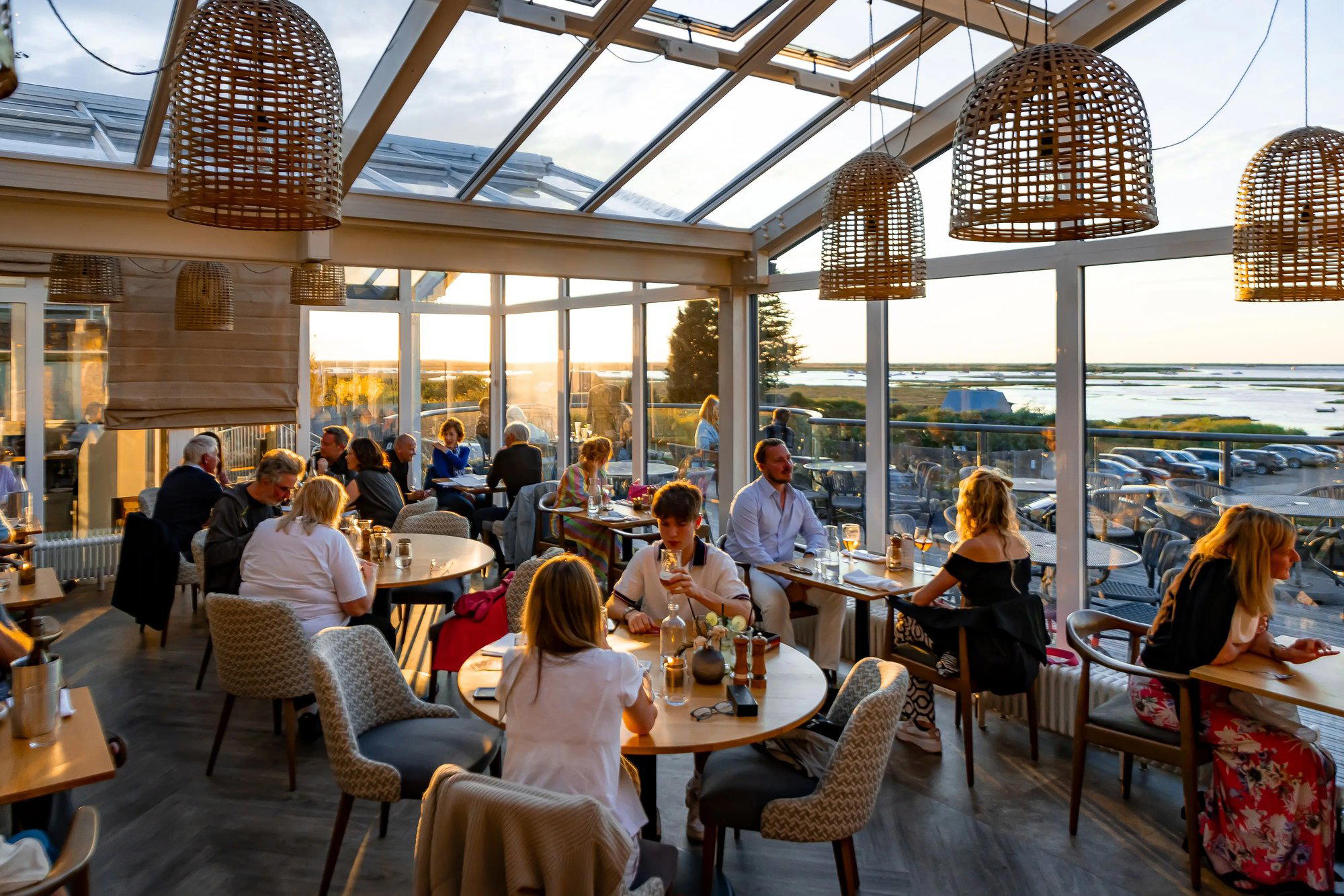
Hotels in Titchwell
Browse all →
Details
- Elegant
- Romantic
- Cozy
- Sophisticated
- Special Occasion
- Celebration
- Date Night
- Hotel Restaurant
- Garden
- Extensive Wine List
- Local Sourcing
- Farm To Table
- Garden
- A La Carte
- Set Menu
- Vegetarian Friendly
- Vegan Options
- Gluten Free Options
Bright, airy conservatory overlooking walled garden, light and romantic in evening with gentle lighting.