The Orange Bird

In Sheffield's Hillsborough district, The Orange Bird channels South African braai culture through a kitchen that moves between venison boerewors, Durban curry aubergines, and a peppermint crisp tart that reporters have called 'ridiculously good food'. The wine list pushes past Pinotage into Gewürztraminer and Touriga Nacional at fair prices. The atmosphere reads like a party that never quite ends.
Pearl is the En Primeur Club membership app — saves, bookings, and concierge access live there. Same editors, same standards.
- Address
- 78 Middlewood Rd, Hillsborough, Sheffield S6 4HA, United Kingdom
- Phone
- +44 114 234 9330
- Website
- theorangebird.co.uk
- Directions
- Get directions
 Saves & bookings on Pearl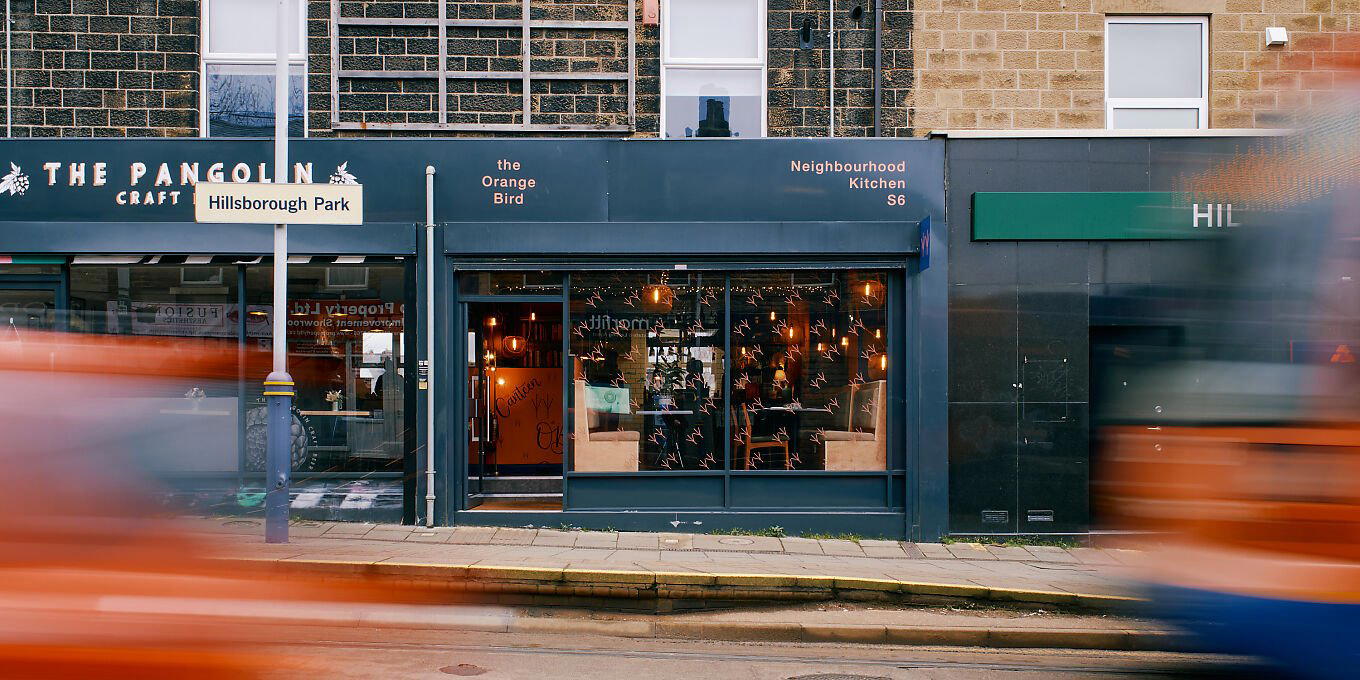
A Dark Facade, a Loud Room, and the Smell of the Braai
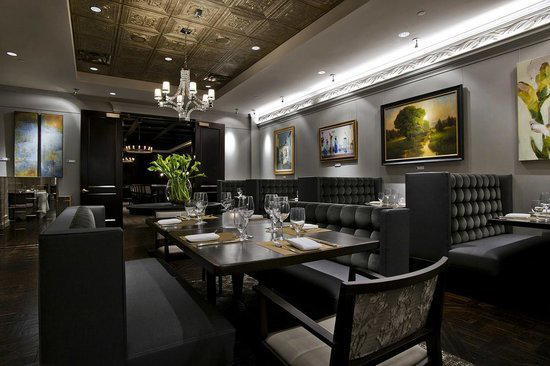
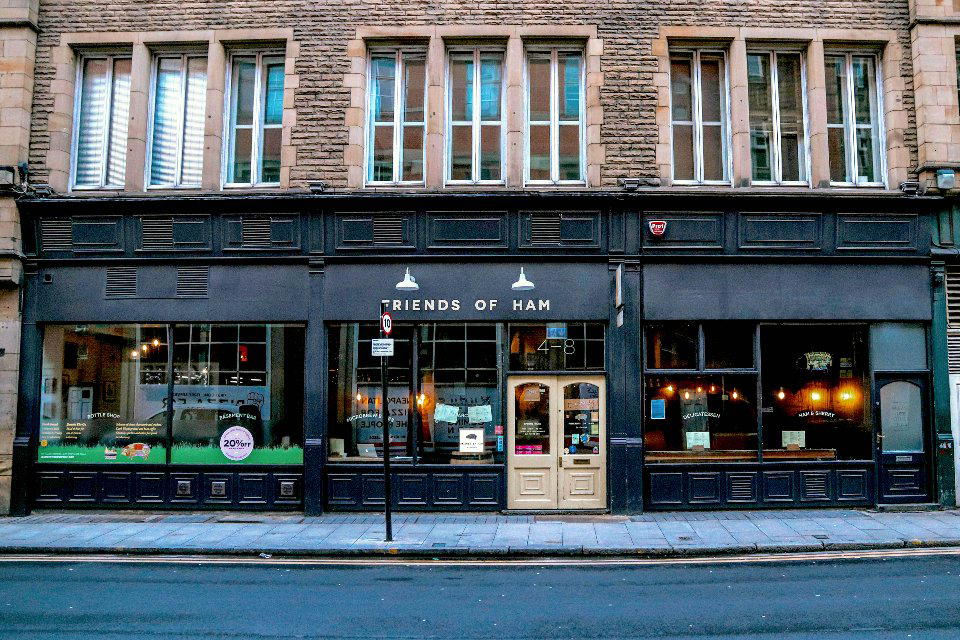
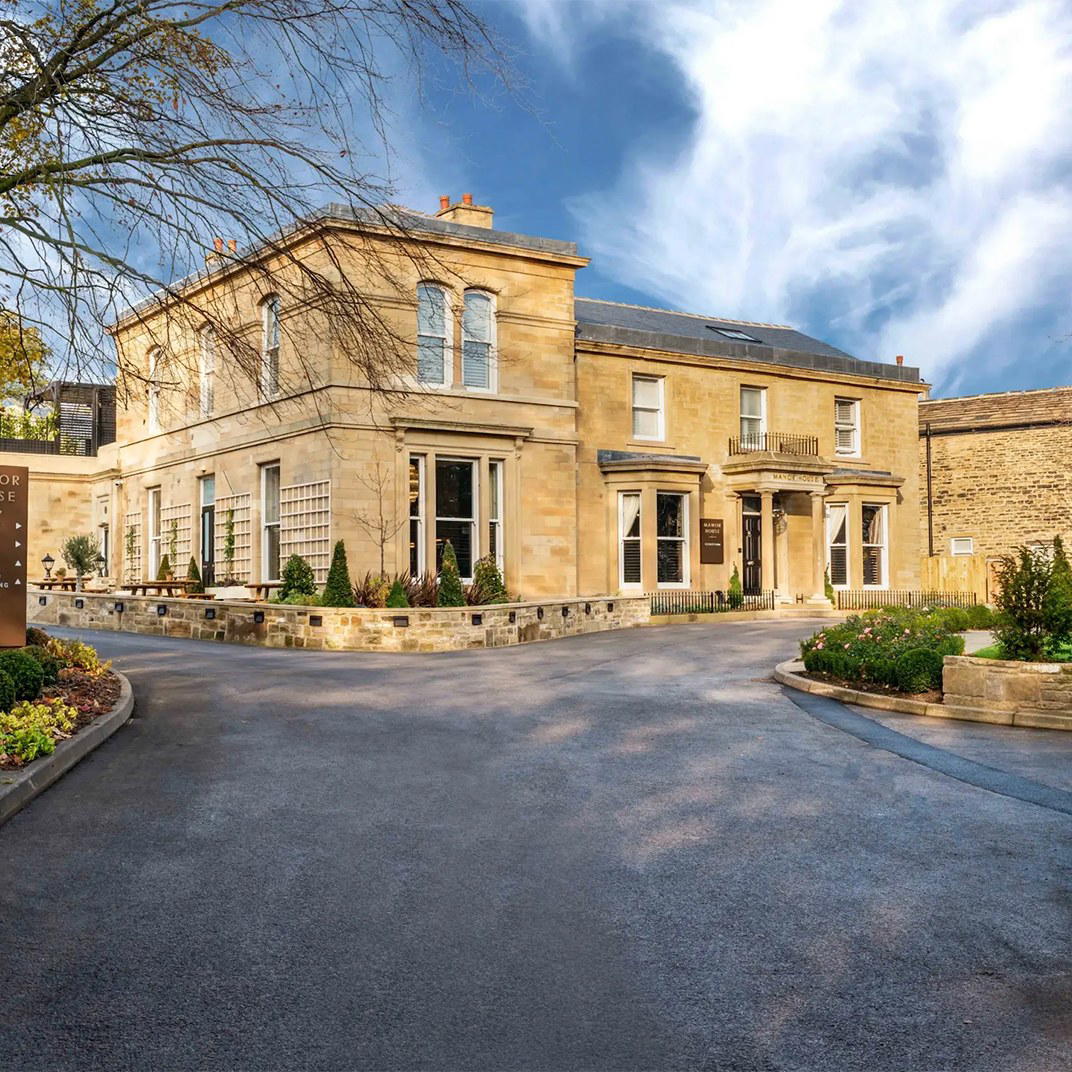
Sheffield's restaurant scene has spent the last decade pulling in two directions at once: upward into the tasting-menu bracket occupied by places like JÖRO (Modern Cuisine), and outward into neighbourhood dining that draws from further afield than Yorkshire or even Britain. The Orange Bird belongs firmly to the second movement. It sits on Middlewood Road in Hillsborough, not a neighbourhood that typically appears in food media, behind a dark-hued, single-fronted facade that gives little away from the pavement. Step inside and the mood shifts immediately. There is noise here, warmth, and the kind of convivial density that tells you the kitchen is under genuine pressure. One reporter has described it plainly as serving 'ridiculously good food'.
The concept is rooted in South African braai culture, specifically, in the tradition that the braai (open-fire barbecue) is as much a social institution as a cooking method. In South Africa, the braai carries the same communal weight that the Sunday roast holds in Yorkshire or the asado holds in Argentina. It is slow, social, and built around collective eating. That cultural context shapes not just the menu but the room's entire register: the Orange Bird reads like a party because braai culture reads like a party. The food arrives as evidence of that sensibility, not as a performance of fine dining.
How the Menu Moves
The kitchen's approach covers significant ground, from small plates designed to launch the meal to substantial main dishes and desserts that have become talking points in their own right. The peppermint crisp tart, a dessert with deep roots in South African domestic cooking, where the chocolate-and-mint candy bar is a household staple, appears regularly in accounts of the Orange Bird, as does the miso malva pudding served with stout ice cream. The latter is a precise example of what this kitchen does well: malva pudding is a Cape Malay classic, dense and syrup-soaked, and pairing it with stout ice cream introduces a bitterness that cuts the sweetness while keeping the dish grounded in its origins. It is a considered Anglo-Afro intersection rather than a novelty fusion move.
Earlier in the meal, venison boerewors and pork-neck skewers with sweet-and-sour cucumber set the direction. Boerewors, the coiled South African sausage, whose name translates literally as 'farmer's sausage', is typically made to strict spice ratios under South African law when produced there; here it takes on local venison, which shifts the protein character without abandoning the form. The house sweet bread dotted with coriander seeds is worth ordering early; it functions both as an introduction to the kitchen's sense of spicing and as something to occupy the table while the larger plates come together.
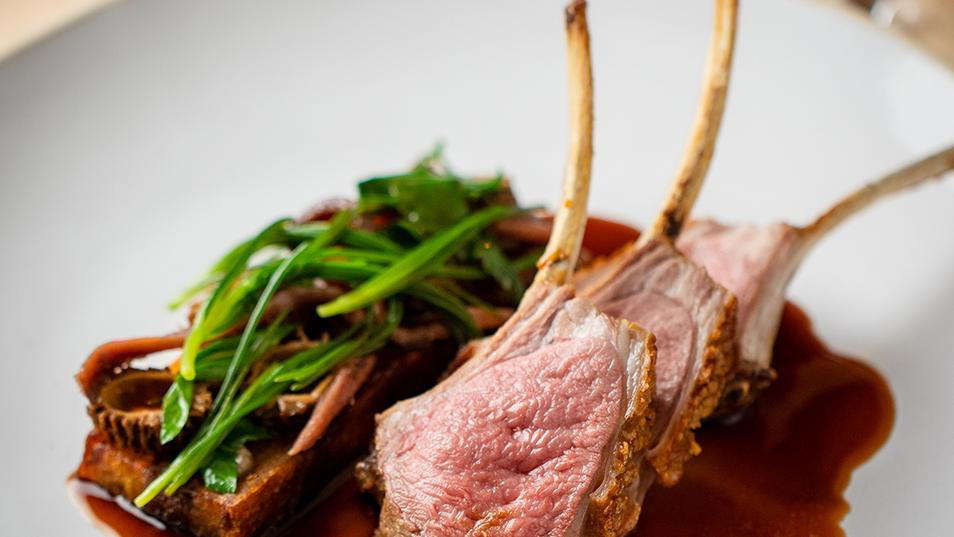
Among the main dishes, the double-sided Barnsley lamb chop, a cut that puts the restaurant in conversation with its Yorkshire surroundings, arrives with parsley whipped garlic and fig sambal, a condiment with roots in Cape Malay cooking. The fig sambal introduces sweetness and acidity where a conventional jus would add richness; it is a structural decision that changes how the dish sits on the palate. Fried baby aubergines in Durban curry sauce with pickled turnip take a different approach, building heat through the layered spicing characteristic of Natal Indian cooking, then using the pickled turnip to bring sharpness. Accompaniments such as smoked jollof rice and braai courgette chakalaka, a spiced relish with southern African origins, extend the kitchen's geographic range without losing coherence.
Among Sheffield's broader restaurant circuit, which includes technically driven rooms like Bench, Japanese-influenced cooking at Domo, and produce-led menus at Native and No Name, the restaurant occupies a position that has no direct peer. South African braai cooking does not operate as a genre in the UK in the way that, say, Japanese or Levantine food does. That relative scarcity means the restaurant is making an argument without obvious competitors locally against which it can be measured.
The Wine List as an Extension of the Kitchen
South African wine has a marketing problem in the UK. The country's vineyards produce a far wider range of styles than the Pinotage-and-Chenin shorthand suggests, and most British wine lists either ignore South Africa entirely or offer a token bottle. The restaurant's list works against that assumption. Scented Gewürztraminer, a meaty Grenache, a rosé drawn from Mourvèdre, and a high-octane red built on Touriga Nacional, the port grape now producing serious dry reds across southern Africa, give the list genuine breadth. At about $65 per person, the pricing is fair for a Sheffield neighbourhood restaurant with this level of specificity. This is not a list assembled to upsell; it reads like a list assembled to make the case for a wine culture that the kitchen already understands.
The pairing logic is evident: Gewürztraminer against the aromatic spicing of the braai, Grenache against the lamb chop, Mourvèdre rosé against the lighter plates. Whether diners engage with the wine list at that level of granularity or simply order on instinct, the prices mean the decision costs relatively little.
Restaurants in the UK that draw on the braai tradition with this degree of commitment are rare enough that restaurant's position in Hillsborough is worth a deliberate trip rather than a passing visit.
For those comparing the restaurant against a wider national frame, the contrast is instructive. The kitchens at The Ledbury in London, Waterside Inn in Bray, Moor Hall in Aughton, L'Enclume in Cartmel, Gidleigh Park in Chagford, and Hand and Flowers in Marlow operate in different registers entirely, formal, produce-fetishistic, long-tasting-menu, while the restaurant belongs to a different tradition, closer in spirit to the communal confidence of Emeril's in New Orleans or the cultural specificity of Le Bernardin in New York City than to the white-tablecloth circuit. The address is 78 Middlewood Road, Hillsborough, Sheffield S6 4HA.
- Peppermint crisp tart
- Miso malva pudding with stout ice cream
- Barnsley lamb chop
- Fried baby aubergines in Durban curry sauce
- Venison boerewors
- Pork-neck skewers
Peers Worth Knowing
Comparable venues nearby, for context on price, style, and recognition.
| Venue | Cuisine | Price | Notes |
|---|---|---|---|
| The Orange BirdThis venue — the venue you are viewing | Modern South African Braai | $$$ | Not listed |
| Miller & Carter Sheffield City | British Steakhouse | $$$ | City Centre |
| Bragazzis | Italian Deli Cafe | $$ | Nether Edge |
| South Street Kitchen | Middle Eastern Inspired Vegetarian | $$ | Park Hill |
| Bench | Modern British Small Plates | $$$ | Nether Edge |
| Pellizco | Modern Mexican Street Food | $$ | Sharrow Vale |
Recognition history
Dated appearances from independent guides and award organizations, with the underlying list record or original source where available.
The Good Food Guide GFG Good
The Good Food Guide
Continue exploring
More in Sheffield
Restaurants in Sheffield
Browse all →
Bars in Sheffield
Browse all →


At a Glance
- Lively
- Cozy
- Intimate
- Energetic
- Date Night
- Group Dining
- Celebration
- Special Occasion
- Family
- Open Kitchen
- Standalone
- Beer Program
Current opening hours
- Monday
- Closed
- Tuesday
- Closed
- Wednesday
- 6–10 PM
- Thursday
- 6–10 PM
- Friday
- 5–10 PM
- Saturday
- 12–3 PM, 6–10 PM
- Sunday
- Closed
Hours can change for holidays and private events. Last verified .
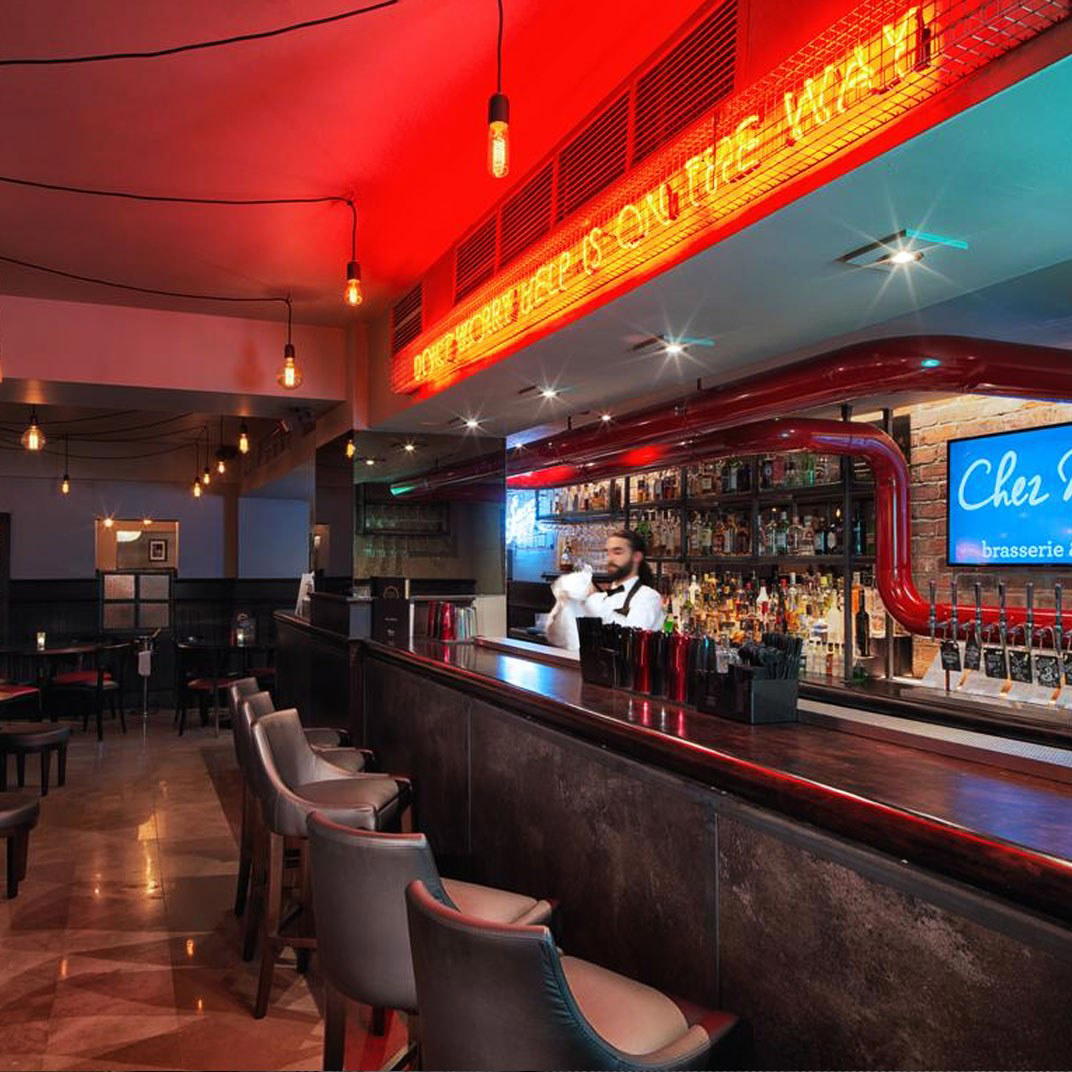
Infectious party atmosphere with warm, welcoming energy; small intimate space with dark facade; relaxed yet special occasion-worthy; open kitchen with wonderful aromas; convivial and sociable vibe.