The Nectarie Café
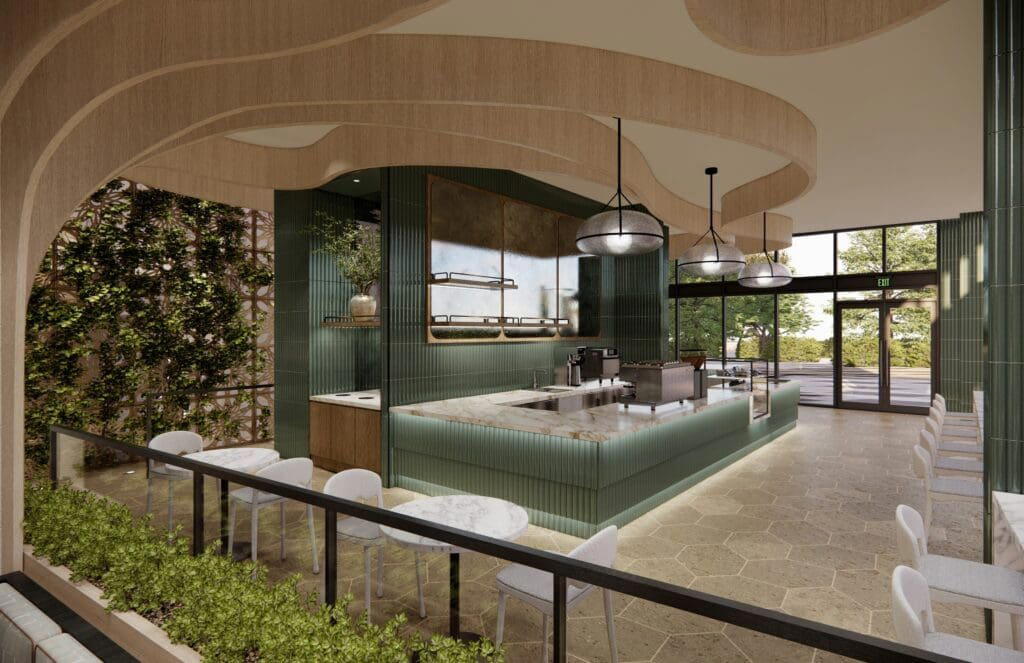
The Nectarie Café brings a French bistro sensibility to San Antonio's breakfast and lunch circuit, anchoring its program in Parisian-inflected pastry and daytime dining. In a city more associated with barbecue and Tex-Mex, it occupies a distinct niche: the kind of unhurried morning table that treats laminated dough and proper coffee as a serious proposition, not an afterthought.
 Discover on Pearl
Pearl is the En Primeur Club membership app — saves, bookings, and concierge access live there. Same editors, same standards.
A Parisian Register in a Texas Morning
San Antonio's daytime dining scene has long been defined by huevos rancheros, breakfast tacos, and the kind of generosity that measures value in portion size. Against that backdrop, the French bistro breakfast occupies a narrower, more deliberate position. The Nectarie Café is a French-Inspired Bistro Café in San Antonio, priced around $20 per person, with a Parisian-inflected breakfast and lunch operation where the pastry program is the organizing principle, not a supporting act. In American cities, this format tends to cluster in coastal markets. Finding it in San Antonio places it in a local context that is lighter and more daytime-focused than the dinner-driven French canon represented nationally by restaurants like Le Bernardin in New York City or Alain Ducasse's Louis XV in Monte Carlo.
The Tension at the Heart of French Bistro Cooking
The phrase "French-influenced bistro" carries more ambiguity than it might appear. French technique has always operated on a spectrum between strict classical orthodoxy and the kind of pragmatic daily cooking that defines actual Parisian neighborhood life. A croissant, properly made, requires precise lamination, cold butter, and timed fermentation. Whether it appears alongside avocado toast or a classic jambon-beurre determines which side of that tension a kitchen has chosen to occupy. Across the American restaurant scene, the more interesting French-influenced breakfast programs have stopped pretending the choice doesn't exist. Places like Lazy Bear in San Francisco have shown that classical rigor and contemporary framing can coexist when the technique is substantive enough to carry both. The Nectarie Café's framing as a Parisian breakfast and lunch venue suggests an allegiance to the classical end of that spectrum, where the quality of butter and the proof time of a brioche matter more than novelty.
That orientation is increasingly rare in the American bistro market, where "French-inspired" often means little more than a menu printed in a serif font with a croque-monsieur somewhere in the middle. The more technically committed examples, kitchens where lamination and pastry structure are treated as load-bearing rather than decorative, operate closer to the model that has driven serious breakfast programs in cities like New York and San Francisco. In San Antonio's context, a program built around that level of pastry seriousness represents a meaningful gap being filled, particularly for a city that now supports ambitious dinner-format cooking at venues like Mixtli and Isidore, but has fewer comparable reference points for the morning hours.
What Parisian Breakfast Actually Means
In Paris, the neighborhood café breakfast is a compressed, efficient ritual: an espresso or café crème, something from a boulangerie, eaten at the bar or a small table with no particular ceremony. The American translation of that format tends to add comfort and space without losing the implied quality standard for the baked goods themselves. The key marker of whether a kitchen is genuinely operating in that tradition is the pastry program. Croissants that shatter on the first bite, pains au chocolat with distinct lamination layers, a kouign-amann with proper caramelization at the base, these are the technical benchmarks against which a self-described Parisian breakfast operation is measured. Lunch extensions of the format typically introduce composed salads, open-faced preparations, or light plated dishes that maintain the same calibration: precise, not heavy, dependent on ingredient quality rather than richness for their character.
In the American South and Southwest, finding that calibration consistently executed outside of major coastal cities is more difficult than the proliferation of French-named cafés might suggest. The Nectarie Café's positioning in San Antonio implies a commitment to that standard, placing it apart from the broader brunch market that runs from Tex-Mex breakfast plates to the kind of all-day American café that deploys "French toast" without any particular allegiance to the French part. For the kind of traveler who uses the morning meal as an orientation point for the day's eating, that positioning carries practical weight.
San Antonio's Broader Dining Range
Understanding where a French bistro fits in San Antonio requires some grasp of how wide the city's dining range actually runs. At one end, the barbecue tradition is serious and well-documented: 2M Smokehouse and Barbecue Station represent a tradition with its own technical demands and deep local loyalty. At the other, tasting-menu formats and ingredient-driven cooking have taken hold in ways that track broader national trends. Aleteo brings Yucatán-inspired cooking with mezcal-focused cocktails and raw and cured seafood into a format that would hold its own in most American cities. The French bistro register sits between those poles, quieter and less theatrical than either, but dependent on a specific kind of daily execution that has no margin for approximation.
That execution-dependent format is worth comparing to what the broader American fine dining conversation has produced in recent years. The progression from classical French dominance through the modernist phase represented by Alinea in Chicago, toward the ingredient-forward approaches at places like Single Thread Farm in Healdsburg or the fermentation and aging rigor of Atomix in New York City, has tended to leave the classical French bistro format in an interesting position: it is neither a relic nor a trend, but rather a persistent format whose quality ceiling is determined almost entirely by the seriousness of the kitchen's relationship with classical technique. When that relationship is genuine, the format holds up against anything on the contemporary dining map.
Planning a Visit
The Nectarie Café operates as a breakfast and lunch destination, which shapes the logistics differently than a dinner-driven venue. Daytime formats in this category tend to peak mid-morning on weekends, when the combination of pastry programs and coffee draws a sustained crowd without the release valve of multiple seating rotations. Arriving early on weekday mornings typically offers a calmer experience and first access to pastry production before items sell out. For visitors building a full San Antonio itinerary, the café functions as a morning anchor before moving into the city's broader offer: consult our full San Antonio restaurants guide, our full San Antonio bars guide, our full San Antonio hotels guide, our full San Antonio wineries guide, and our full San Antonio experiences guide for the full picture. Other notable dinner alternatives include Emeril's in New Orleans and The French Laundry in Napa.
Cuisine Context
Comparable venues nearby, for context on price, style, and recognition.
| Venue | Cuisine | Price | Awards | Notes |
|---|---|---|---|---|
| The Nectarie CaféThis venue — the venue you are viewing | French-Inspired Bistro Café | $$ | , | |
| TARDIF'S AMERICAN BRASSERIE | French Brasserie with Texas Flair | $$$ | , | The Dominion |
| Down on Grayson | Modern American Casual | $$ | , | River North District |
| Best Quality Daughter | Asian-American Fusion | $$ | , | River North District |
| KPOT Korean BBQ & Hot Pot | Korean BBQ & Hot Pot | $$ | , | Northwest |
| Battalion | Modern Italian | $$ | , | Convention Center District |
Continue exploring
More in San Antonio
Restaurants in San Antonio
Browse all →
Bars in San Antonio
Browse all →
Hotels in San Antonio
Browse all →
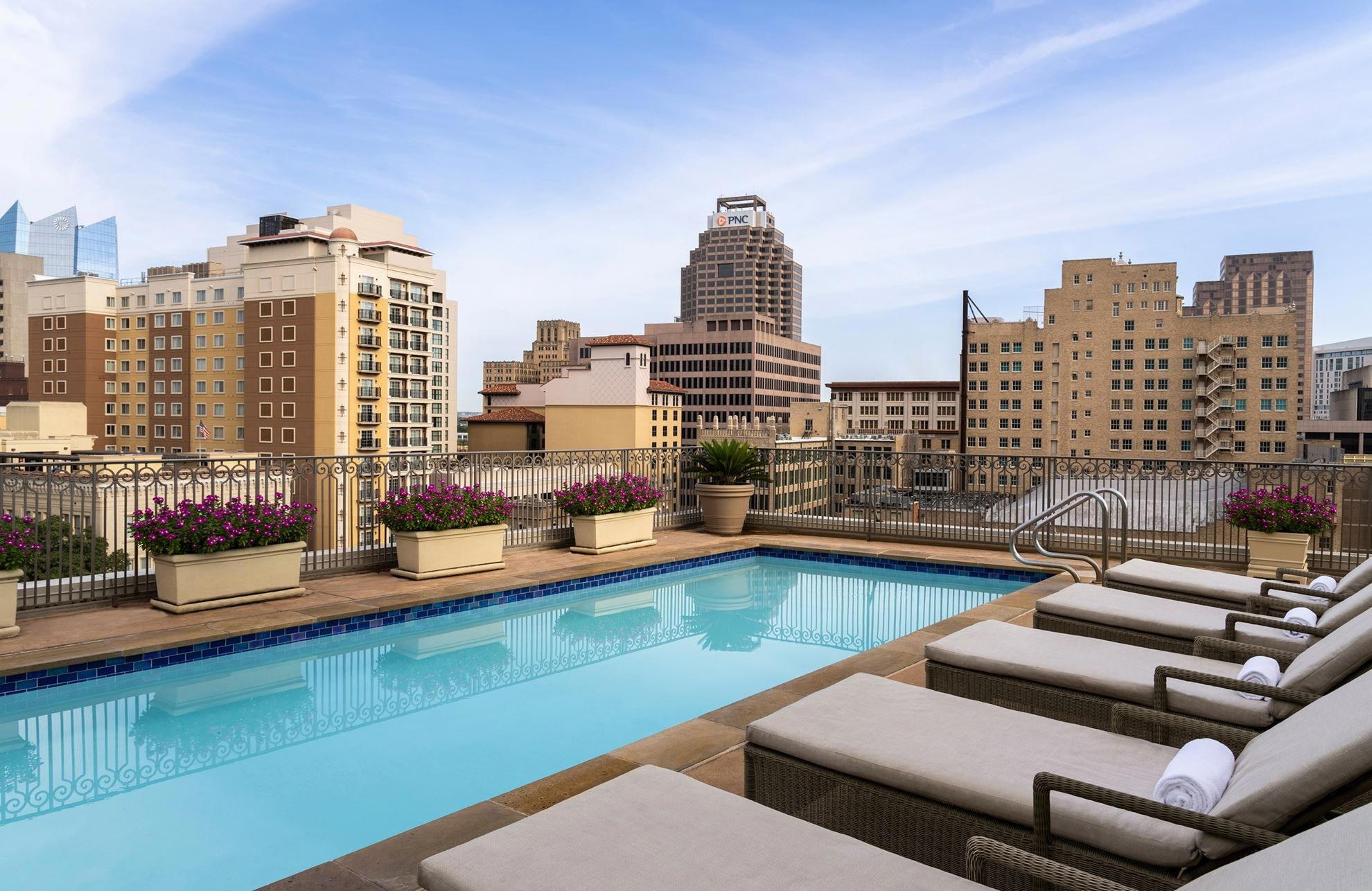

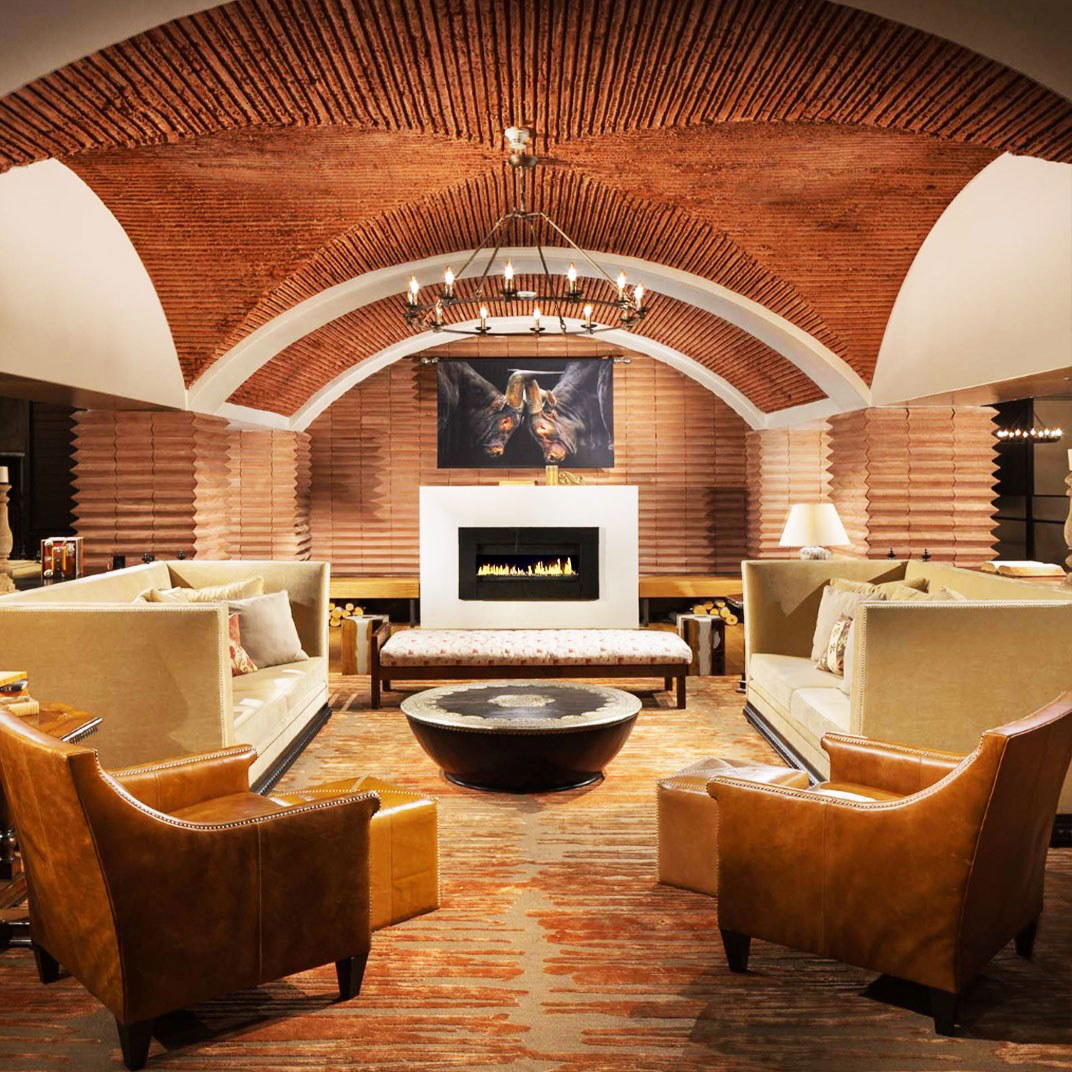
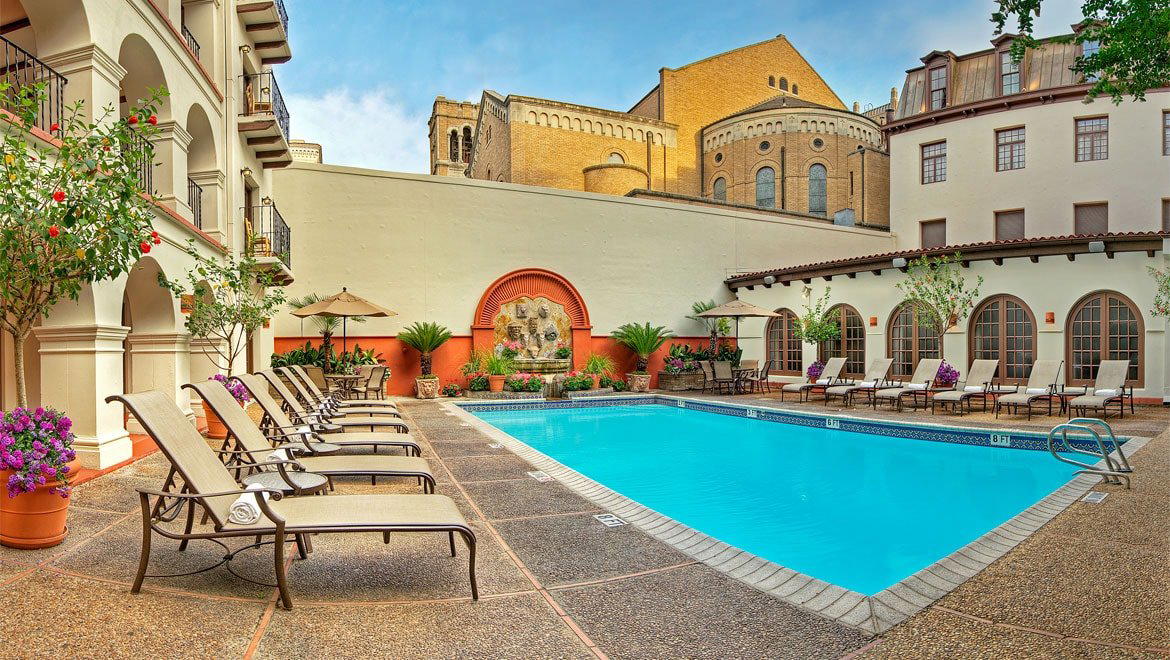
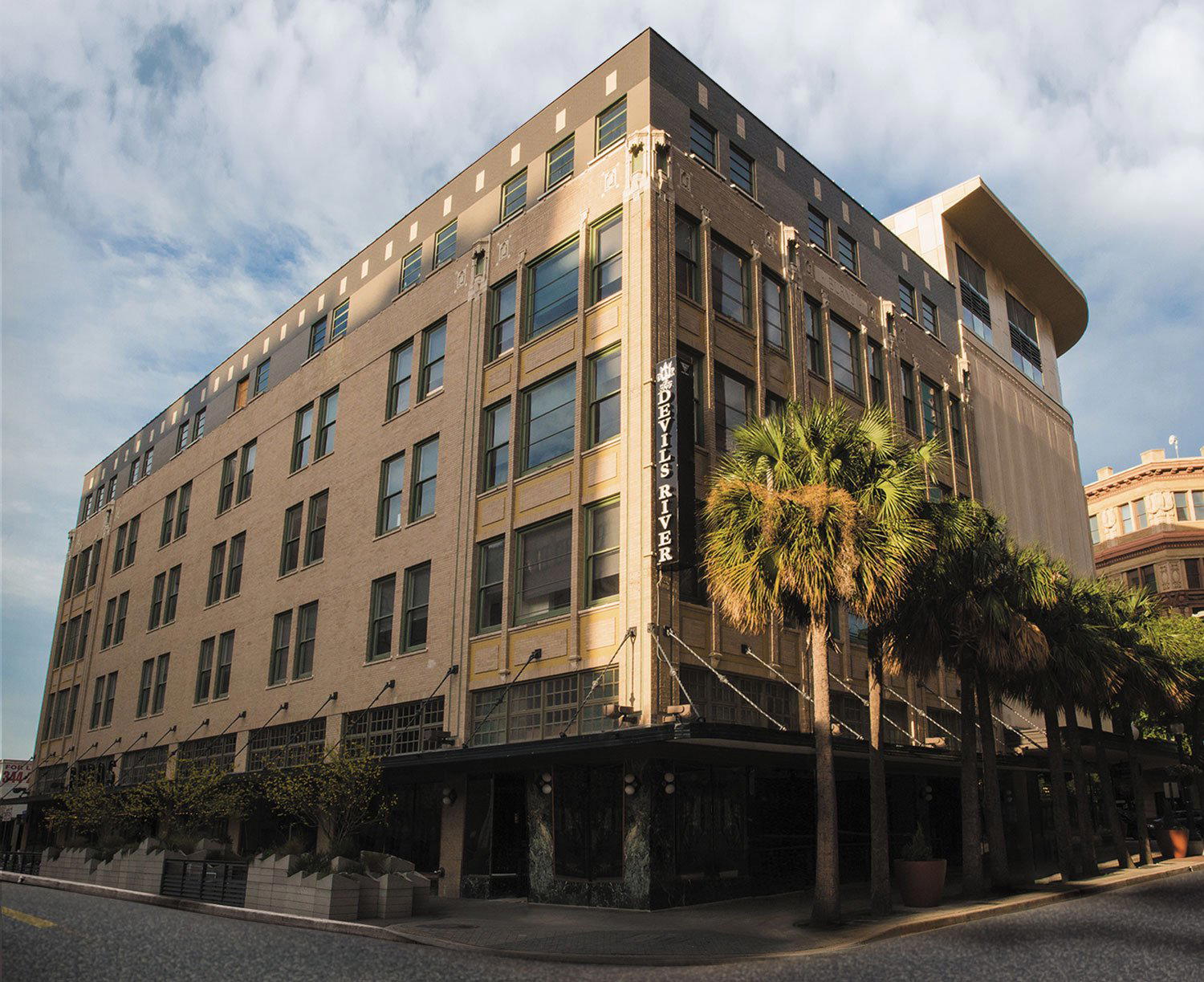
At a Glance
- Whimsical
- Cozy
- Intimate
- Brunch
- Casual Hangout
- Hotel Restaurant
Light-filled serene retreat with a gentle, playful atmosphere.