
Black Pearl 2 Diamond
Our verdict
The longyin belongs to Nanjing’s more serious Chinese dining tier, with a Black Pearl Restaurant Guide 2026 two-diamond citation giving it a clear quality signal. The draw is not novelty for its own sake, but the city’s ingredient-led cooking culture: river produce, seasonal vegetables, careful broths, and banquet discipline translated for a polished dining room.

Pearl is the En Primeur Club membership app, where members save venues, book tables and use the concierge.
The menu
What to order
- Peony-shaped tofu in consommé
- Salted duck-inspired dishes
- Huaiyang-style seasonal tasting menu
Approaching a serious dining room in Nanjing usually means crossing two versions of the city at once: the historic city of local food memory, seasonal produce, and carefully paced meals, and the modern city that now measures restaurants against national guides, corporate entertaining, and regional luxury travel. The longyin sits in that second frame, but its useful context is the first. Nanjing dining has never needed spectacle to make a point; at its best, it works through timing, procurement, and restraint, especially when seasonal ingredients and shared-table meals are involved.
Black Pearl 2026 lists The longyin among its two-diamond restaurants, which places it in a credentialed tier of dining rather than a casual comfort category. That matters in Nanjing because the city’s higher-end dining culture often overlaps with business hosting and family banquets, where a restaurant is judged by consistency, sourcing discipline, and how well it handles dishes that look simple until the kitchen gets them wrong. The award is the clearest public trust signal here, and it should be read as a marker of seriousness rather than a promise of theatrical dining.
Ingredient-led Nanjing cooking rewards restraint over display
Nanjing’s dining identity is often understood through balance, seasonality, and a preference for measured execution over excess. In this setting, luxury is less about rare imports than about procurement and control. A polished kitchen earns attention by keeping texture intact, clarifying sauces without stripping them bare, and letting seasonal ingredients carry the table rather than burying them under excess garnish.
That ingredient-first lens is the better way to read The longyin. Without leaning on a public chef-personality narrative or named signature-dish list, the restaurant is better understood through its category and recognition: a Nanjing dining room operating in the city’s formal register, with Black Pearl two-diamond status as the external signal. For travellers, that points toward a meal built around regional fluency and hosting cadence, not a personality-driven story. The distinction is useful. Nanjing has plenty of places for quick snacks and local staples; the higher tier asks whether the kitchen can translate local taste into a room suited to longer meals.
The city’s broader dining map helps sharpen that choice. Other Nanjing dining rooms cover different registers, from familiar regional cooking to more polished formal meals and smaller-eats culture. Those contrasts matter because Nanjing is not a single-style dining city. It moves from snack counters to banquet rooms, from everyday local meals to more formal precision, and the right choice depends on the meal’s purpose.
The room belongs to Nanjing's formal Chinese dining tier
At this level, atmosphere is usually less about noise and trend cycles than about pacing. The expected rhythm is a table that can support conversation, service that understands multi-dish sequencing, and a kitchen that can handle a meal built for sharing. That format suits Nanjing particularly well. The city’s food culture is social before it is performative, and many of its better restaurants are judged by how comfortably they manage a group table, not by whether a single dish photographs well.
The longyin’s two-diamond Black Pearl recognition puts it in the category visitors should consider when the meal has weight: a hosted dinner, a serious regional meal, or a polished introduction to Nanjing dining beyond street-level familiarity. Diners should treat it as a higher-commitment restaurant and plan accordingly, especially in a city where formal dining can vary sharply from modest local rooms to award-recognised destinations. For a wider scan before committing, use Our full Nanjing restaurants guide, then layer in the rest of the city through Our full Nanjing hotels guide, Our full Nanjing bars guide, Our full Nanjing wineries guide, and Our full Nanjing experiences guide.
For travellers comparing dining across cities, Nanjing’s strength is its quieter authority. Other major Chinese cities often frame dining through sharper spice profiles, high-rise corporate rooms, coastal ingredients, historic banquet traditions, or capital-city ceremony. Nanjing’s appeal is subtler: a dining culture shaped by history, local geography, and a preference for measured execution.
Who should put it on the Nanjing shortlist
The strongest case for The longyin is for diners who want a formal meal in Nanjing with a recognised guide signal and an ingredient-led regional frame. It is less suited to anyone seeking a quick local snack crawl or a chef-counter performance. The smarter expectation is a composed room, shared dishes, and a kitchen judged by sourcing and technique rather than novelty.
That makes it a useful anchor for a Nanjing itinerary built around food rather than sightseeing alone. Pairing a meal here with humbler local stops gives a clearer read on the city than chasing only award citations. For a different angle on focused formats, EP Club’s wider restaurant coverage also looks at how narrow culinary ideas can carry cultural weight when execution is disciplined.
Frequently asked questions
Would The longyin be comfortable with kids?
For families, The longyin’s formal setting in Nanjing is usually easier for older children than for very young ones. The Black Pearl 2026 two-diamond recognition points to a room that leans composed rather than casual.
What's the overall feel of The longyin?
The feel is formal dining in Nanjing, with a pace built for conversation rather than noise. The Black Pearl 2026 two-diamond status places it in a serious tier of the city’s dining scene.
What awards or recognition does The longyin have?
The longyin has received Black Pearl 2026 two-diamond recognition.
Do they take walk-ins at The longyin?
A Black Pearl 2026 two-diamond restaurant in Nanjing is the sort of room where advance planning makes more sense than turning up on spec. Treat it as a formal planned meal rather than a casual drop-in.
Comparable Venues Nearby
Comparable venues nearby, for context on price, style, and recognition.
| Venue | Cuisine | Price | Awards | Notes |
|---|---|---|---|---|
| The longyinThis venue (the venue you are viewing) | Modern Huaiyang fine dining | $50–100 | Black Pearl 2 Diamond | Not listed |
| Meng Du Hui | Traditional Anhui (Hui) Cuisine | $50–100 | 1 Michelin Star | Jianye District |
| 香格里拉大酒店江南灶中餐厅 Jiang Nan Wok - Shangri La | Authentic Huaiyang Cuisine | $50–100 | La Liste Top Restaurants | Gulou District |
| Yu Chuan | Modern Sichuan | Not listed | Michelin Plate | Xuanwu |
| Longyin Shanfang (Jiangning) | Modern Huaiyang Cuisine | $50–100 | Michelin Plate · Black Pearl 1 Diamond | Jiangning |
| Pin Ning Fu | Modern Huaiyang & Nanjing Cuisine | Not listed | Michelin Plate | Xuanwu District |
Recognition history
Dated appearances from independent guides and award organizations, with the underlying list record or original source where available.
Black Pearl 2 Diamond
Black Pearl
Continue exploring
More in Nanjing
Restaurants in Nanjing
All restaurants in Nanjing →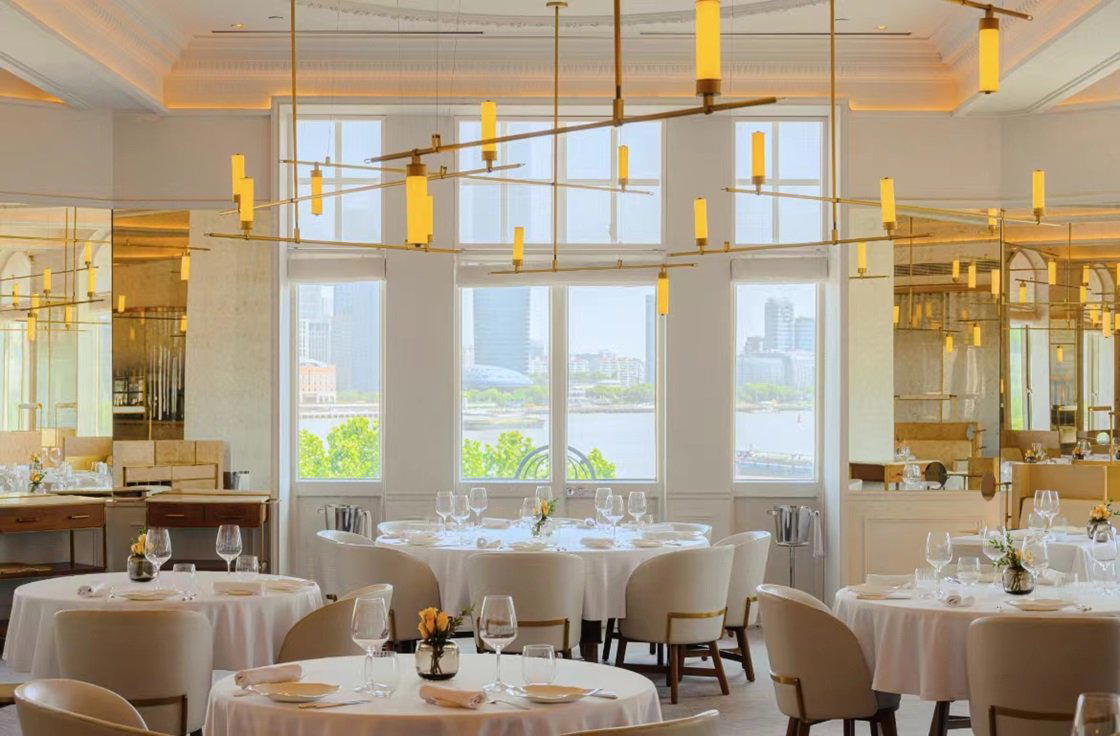
Details
- Scenic
- Elegant
- Quiet
- Classic
- Sophisticated
- Date Night
- Business Dinner
- Group Dining
- Special Occasion
- Celebration
- Private Event
- Garden
- Design Destination
- Hotel Restaurant
- Standalone
- Private Dining
- Panoramic View
- Extensive Wine List
- Craft Cocktails
- Local Sourcing
- Garden
- Mountain
- Tasting Menu
- Set Menu
- A La Carte
- Wine
- Tea
- Cocktails
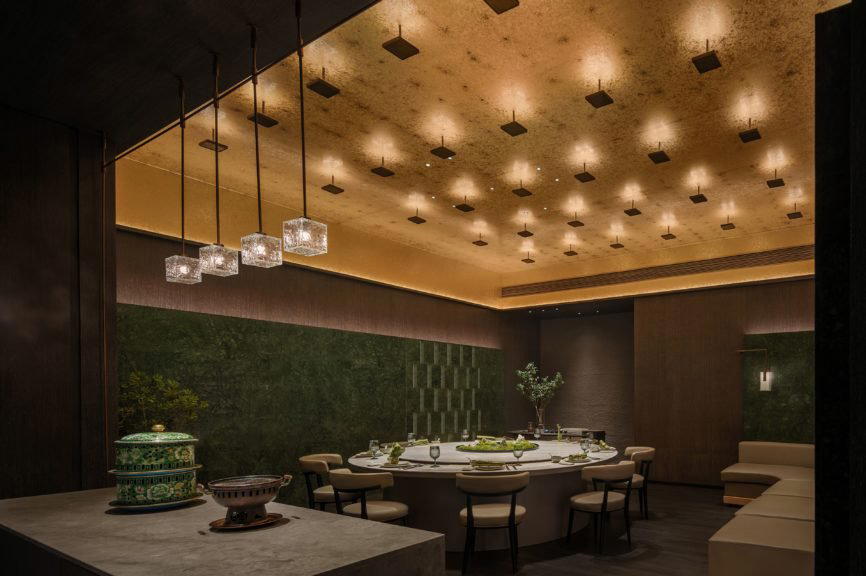
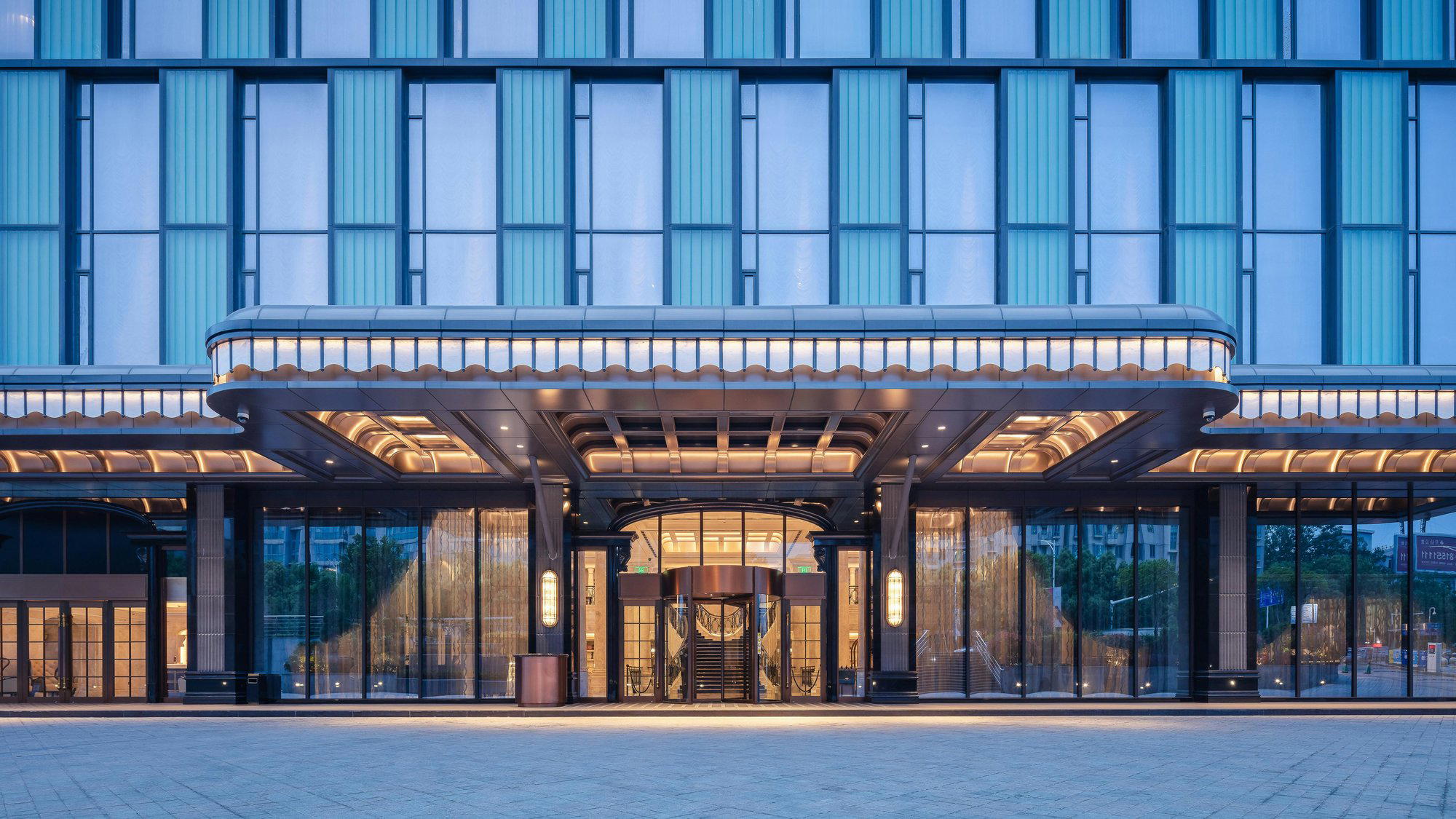
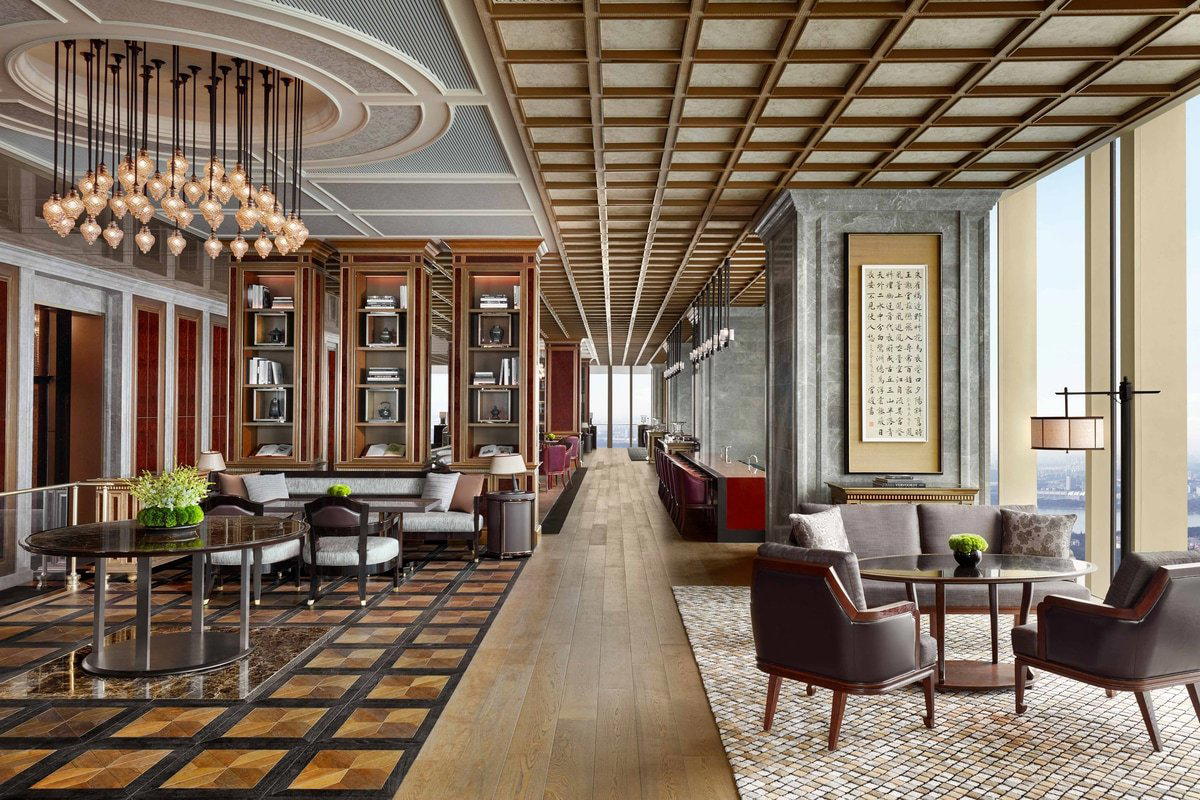
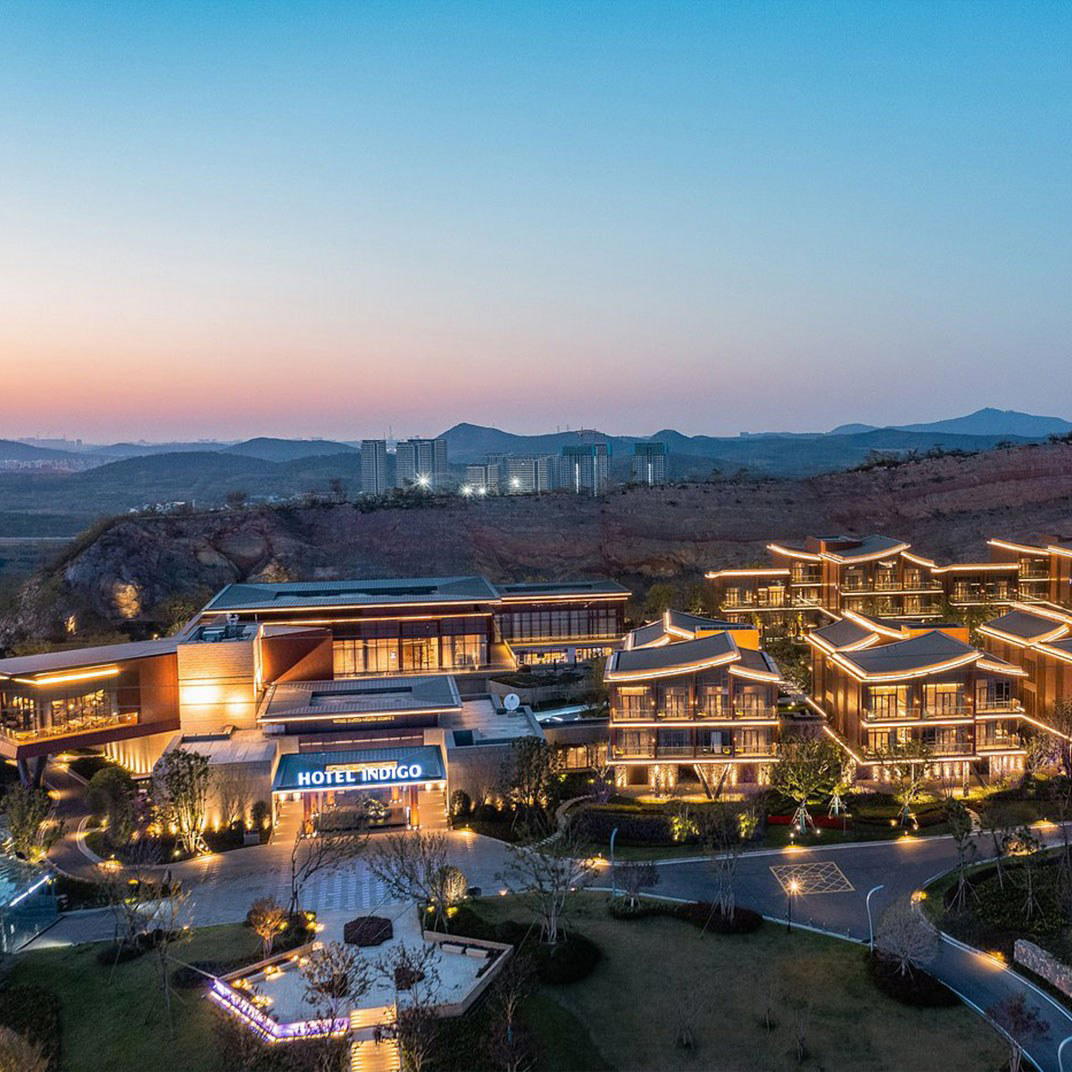
Tranquil and refined, with villa-style private rooms, soft lighting, and large windows framing gardens and mountain slopes, creating the feel of a secluded country retreat rather than an urban restaurant.