
Michelin Plate
Our verdict
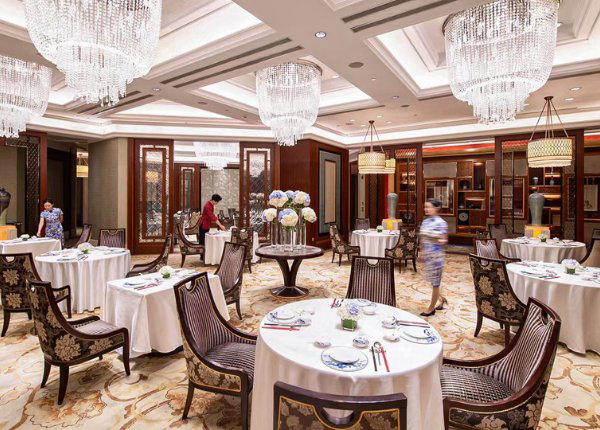
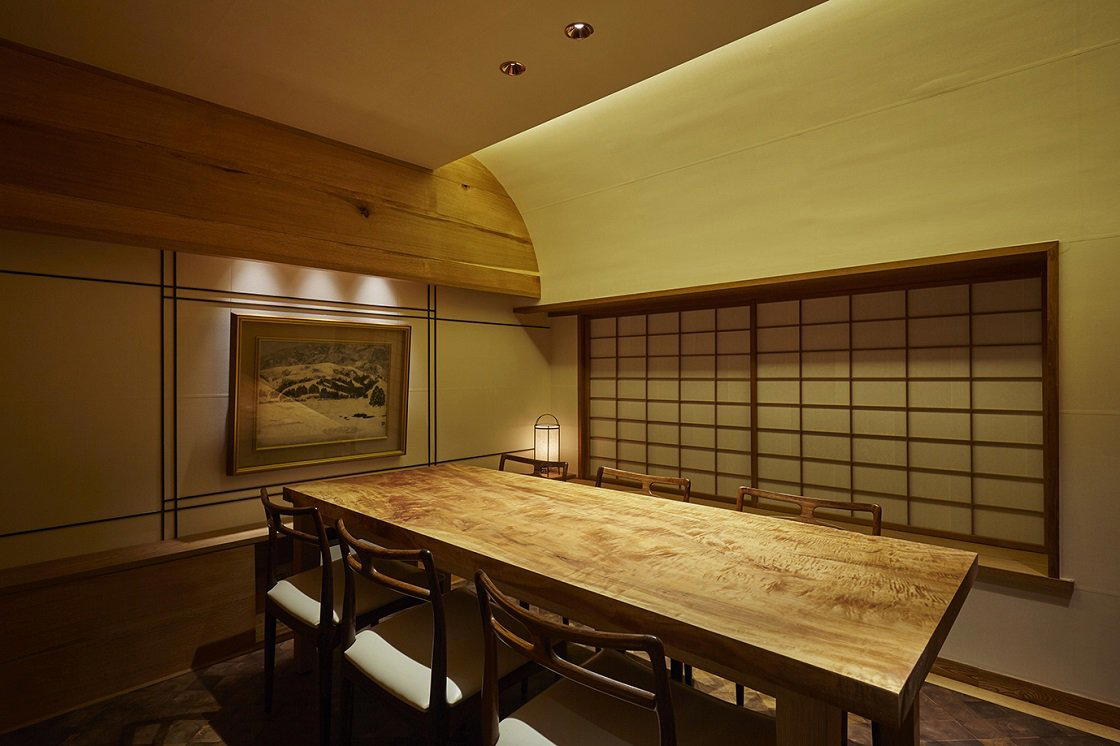
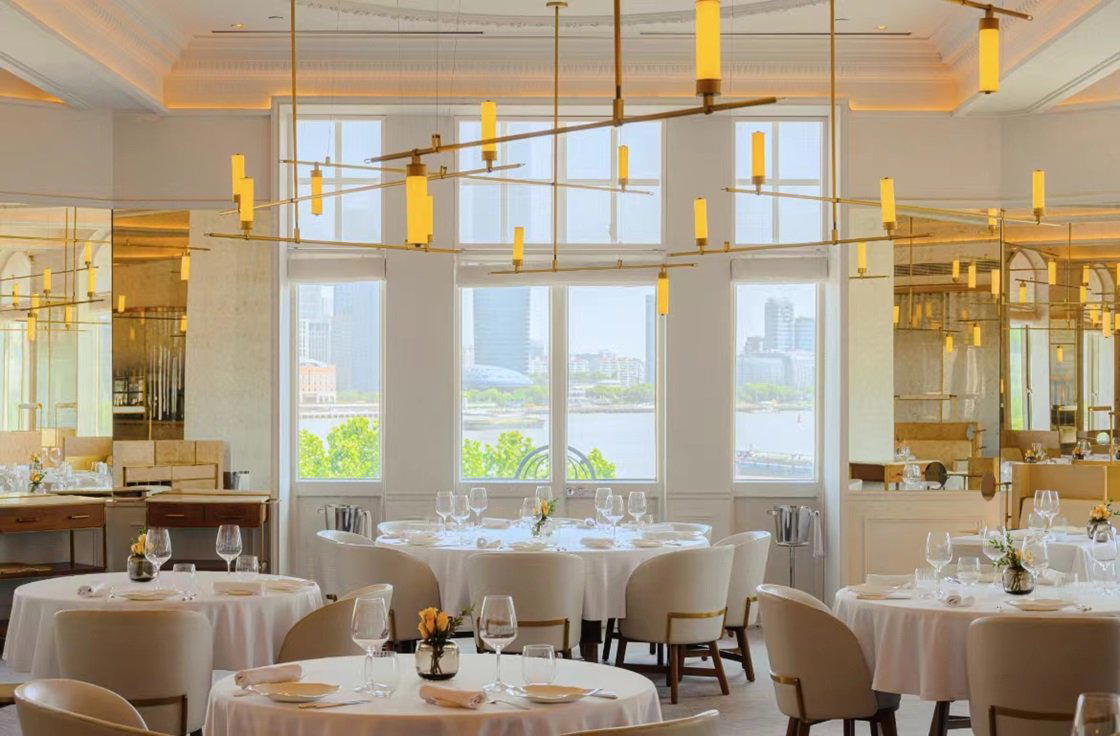
Le Siècle places Nanjing’s heritage-building dining culture in sharper focus: a formal room inside The Yihe Mansions, where the setting matters as much as the plate. With public detail on cuisine and pricing kept sparse, its strongest signal is architectural context, useful for travellers comparing Gulou’s polished addresses with the city’s Jiangzhe, Huaiyang and small-eats traditions.

Pearl is the En Primeur Club membership app, where members save venues, book tables and use the concierge.
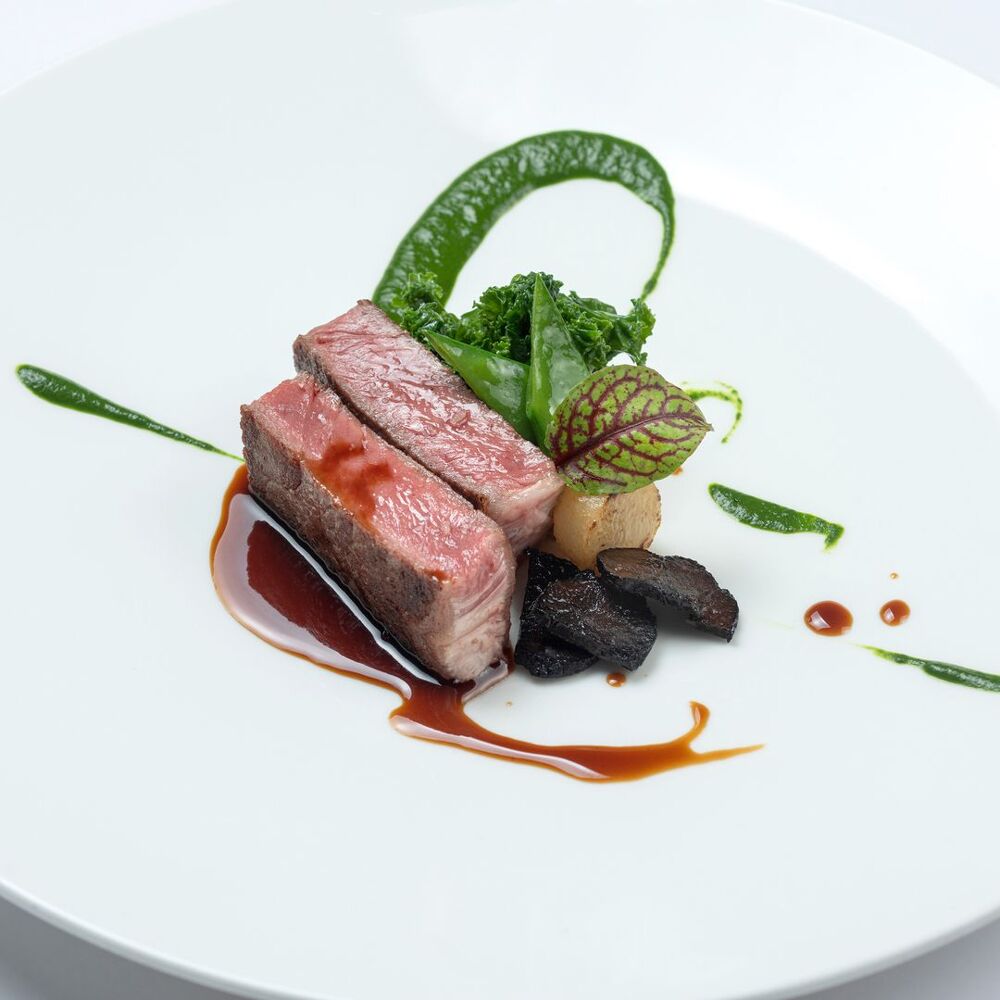
The menu
What to order
- Salmon mi-cuite
- Poached Canadian lobster
- Aussie Wagyu with house sauces
- House-made dinner rolls
Nanjing is not defined by one loud dining strip. Across the city, the register can shift from quick local meals to quieter, more deliberate hospitality. Le Siècle belongs to that composed Nanjing category, where the room and service tempo frame the meal before a menu does. The useful way to read it is not as a checklist restaurant, but as part of a formal dining tradition that treats pacing, restraint and occasion as part of the experience.
Nanjing’s serious dining scene splits into several lanes. One is everyday regional dining, seen in places such as Du Shi Li De Xiang Cun, where the appeal can come from a more direct, local rhythm. Another is more polished dining in formal rooms. A third is the city’s small-eats circuit, anchoring a cheaper, faster rhythm. Le Siècle sits apart from those quicker formats: the known public recognition is its MICHELIN Plate listing, rather than a widely publicized chef identity or fixed headline dish.
Nanjing dining, read through ingredients rather than spectacle
The ingredient question in Nanjing is different from the one in louder luxury dining cities. Here, prestige can come from regional familiarity, seasonal judgement and the way a room handles a meal over time. When a formal restaurant in this city aims for a measured evening, the expectation is not theatrical excess; it is control. Balance tends to matter. Presentation tends to matter. Timing across a multi-dish meal tends to matter. That broader local grammar is the useful lens for Le Siècle, even when the public-facing detail does not name a signature dish or fixed format.
This is also where Nanjing can differ from other major Chinese dining cities. Some premium rooms elsewhere lean into skyline hospitality and corporate dining, while other destinations frame refinement around their own local seasonality. Nanjing carries a distinct historical charge in its dining culture and urban texture. For travellers building a broader China itinerary, that distinction matters as much as any single dish: the appeal is often rooted in the city’s own rhythm rather than imported luxury cues.
This is not a chef-personality address, at least not in the public information available to diners before committing. The case rests instead on setting, category and recognition: a formal Nanjing restaurant with a MICHELIN Plate listing. Compared with noodle counters such as Xi Bei Qiao Tou La Mian Da Wang, or casual regional rooms such as Du Shi Li De Xiang Cun, the decision is less about hunger and more about occasion, pacing and the desire to see how the city packages a more composed evening.
How it fits into a Nanjing itinerary
Nanjing is a strong base for travellers who want civic and historical layers close at hand. The city’s dining personality is not only about high ceremony. It can move from small eats to family-style meals to more formal dining in the same day, which is why Le Siècle works as one point on a wider map rather than a standalone answer to the city. For more local planning, EP Club’s full Nanjing restaurants guide is the natural companion, with separate city context in the Nanjing hotels guide, Nanjing bars guide, Nanjing wineries guide and Nanjing experiences guide.
For cross-city comparison, Nanjing rewards a different palate calibration from other Chinese dining destinations. Some regional dining elsewhere foregrounds a different kind of intensity; other cities bring their own rituals, produce and techniques into the conversation. Nanjing’s own appeal is quieter and more place-specific. Le Siècle should be read in that context: not as an exportable trend format, but as a Nanjing dining choice whose confirmed distinction is a MICHELIN Plate listing.
The decision: setting-led dining in a city of regional nuance
Le Siècle is strongest for travellers who value context: a formal meal in Nanjing, with the city’s measured hospitality doing part of the work. It is a weaker fit for diners who need published menus, visible chef credentials, stated pricing or a clearly defined cuisine label before choosing a table. That distinction is not a flaw; it is the actual decision point.
The smarter Nanjing plan is to let categories do different jobs. Use casual regional and small-eats addresses for the city’s everyday appetite, consider formal rooms for a more polished meal, and treat Le Siècle as the setting-led option when occasion carries weight. If the itinerary has only one formal dinner in Nanjing, this is the kind of room to consider when the purpose is to understand how the city turns restraint and pacing into contemporary hospitality.
For another Nanjing dining reference, compare Le Siècle with local peers such as Wan Guo Chun Garden Restaurant, Yu Chuan (Xuanwu) or 香格里拉大酒店江南灶中餐厅 Jiang Nan Wok - Shangri La, depending on what kind of meal the itinerary needs. Together, these addresses show the city’s range: not a single dining personality, but a set of overlapping traditions shaped by local context, urban texture and a slower style of hospitality.
Frequently asked questions
Is Le Siècle suitable for children?
Le Siècle is better suited to older children who can handle a formal meal in Nanjing. The tone points to a quieter, more adult dining room than a casual family venue.
How would you describe the vibe at Le Siècle?
The mood is measured and setting-led, shaped by its place in Nanjing. It suits diners who value context over theatrical service.
What's Le Siècle known for in terms of accolades?
Le Siècle is listed in the MICHELIN Guide with a MICHELIN Plate distinction.
How do I find Le Siècle?
Nanjing.
What's the best way to book Le Siècle?
Arrange the reservation directly with Le Siècle or through its current official booking channel, then confirm the timing before you go.
Quick Comparison
Comparable venues by cuisine and price in the same metro.
| Venue | Cuisine | Price | Awards |
|---|---|---|---|
| Le Siècle | Contemporary European Fine Dining | Not listed | Michelin Plate · Relais Chateaux Award |
| Wan Guo Chun Garden Restaurant | Huaiyang Chinese | $30–50 | Michelin Plate |
| Xi Bei Qiao Tou La Mian Da Wang | Halal Beef and Lamb Noodles | Not listed | Michelin Plate |
| Du Shi Li De Xiang Cun | Home-style Jiangzhe | $20–30 | Michelin Bib Gourmand |
| 香格里拉大酒店江南灶中餐厅 Jiang Nan Wok - Shangri La | Authentic Huaiyang Cuisine | $50–100 | La Liste Top Restaurants |
| Yu Chuan (Xuanwu) | Modern Sichuan in a historic mansion | Not listed | Michelin Plate |
Recognition history
Dated appearances from independent guides and award organizations, with the underlying list record or original source where available.
Michelin Plate
Michelin
Continue exploring
More in Nanjing
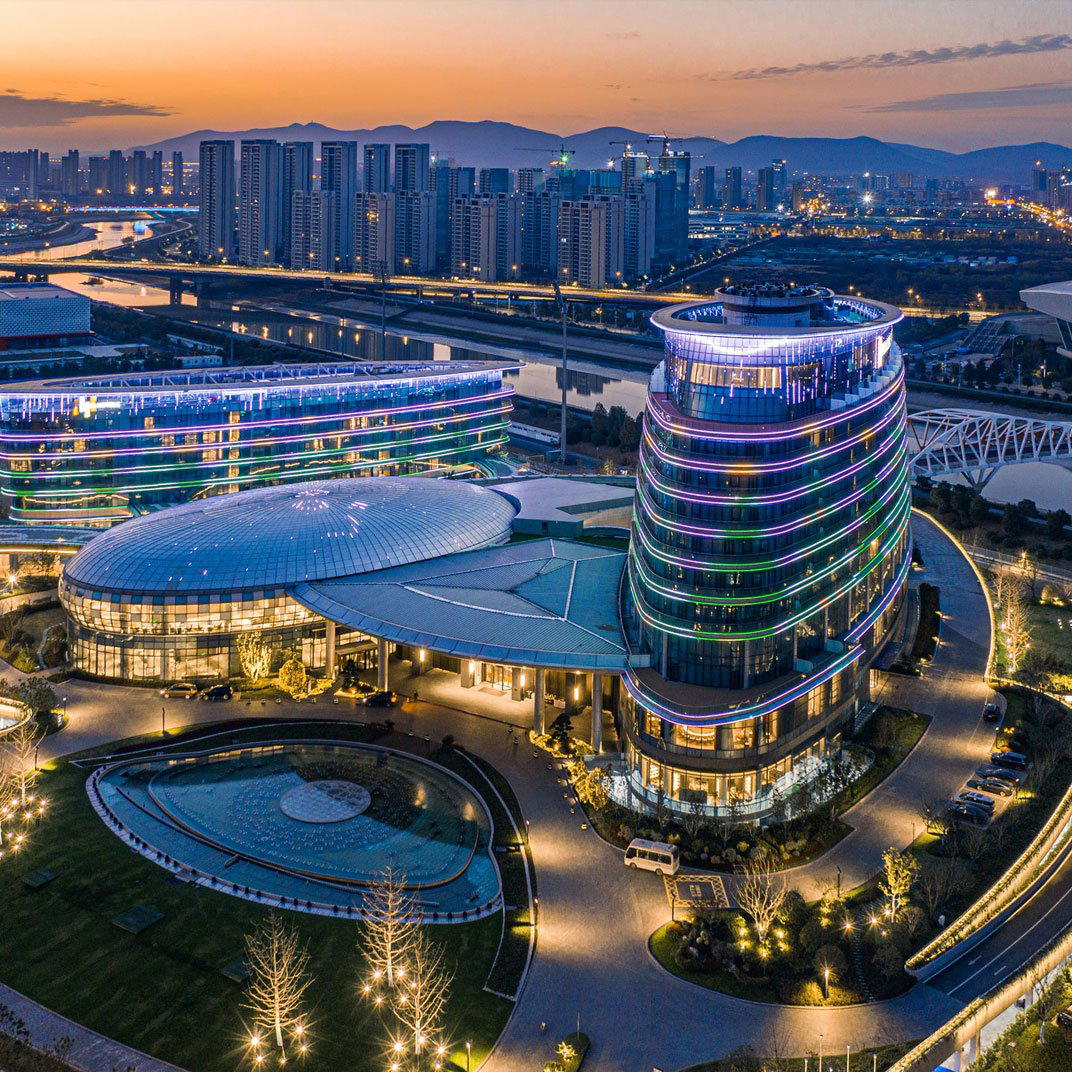
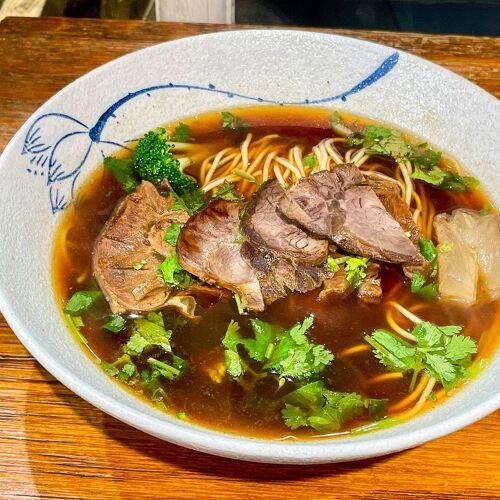
Details
- Elegant
- Sophisticated
- Romantic
- Classic
- Quiet
- Date Night
- Business Dinner
- Special Occasion
- Group Dining
- Design Destination
- Hotel Restaurant
- Standalone
- Private Dining
- Extensive Wine List
- Local Sourcing
- Tasting Menu
- A La Carte
- Set Menu
- Wine
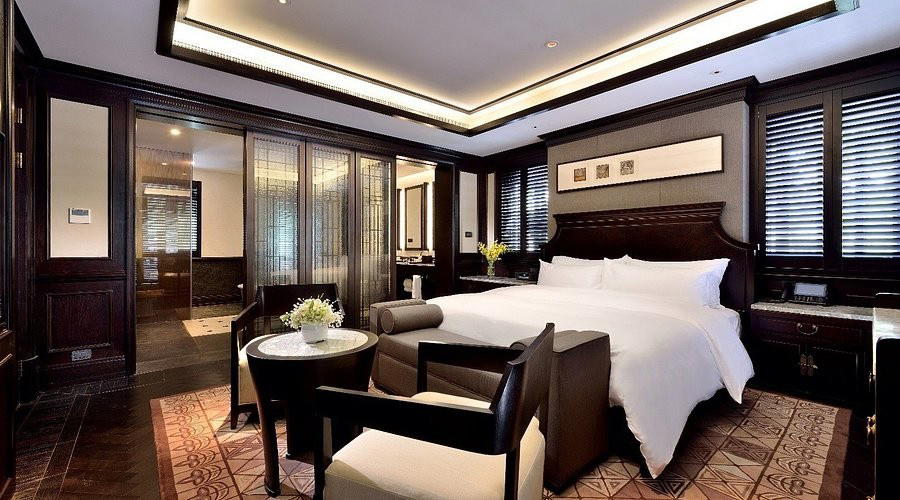
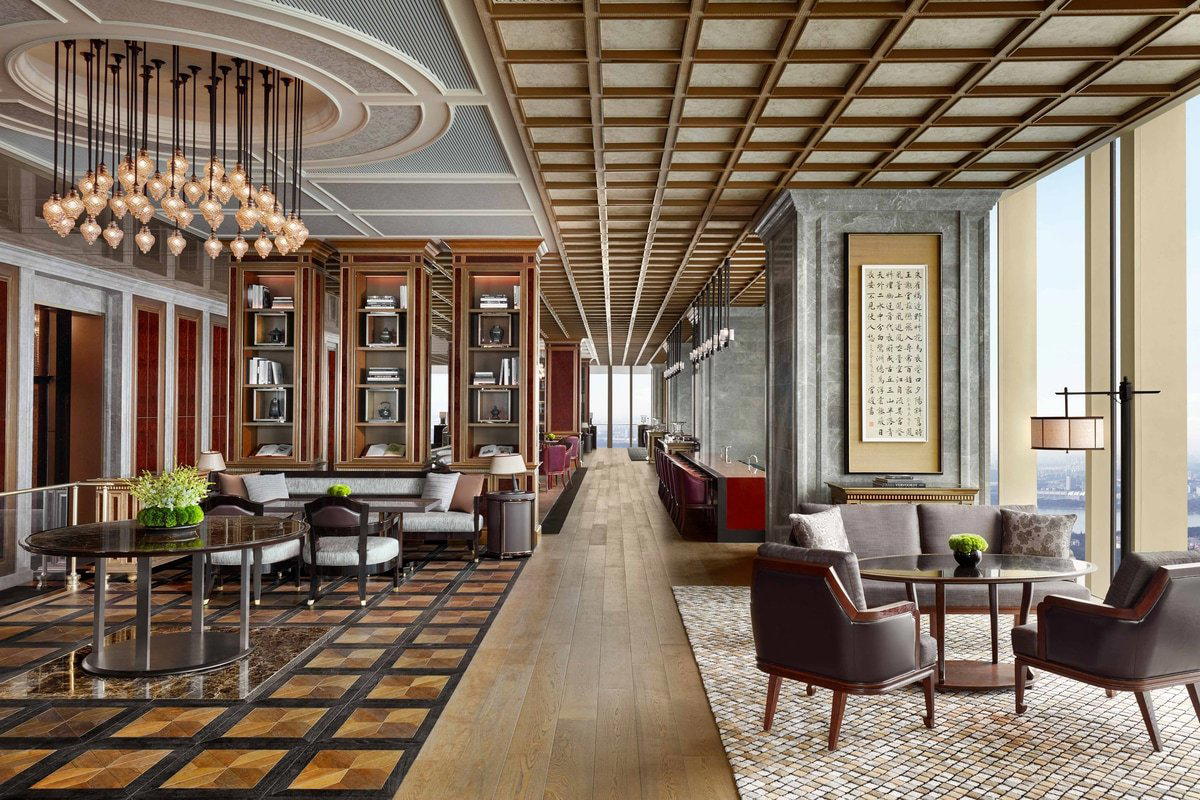
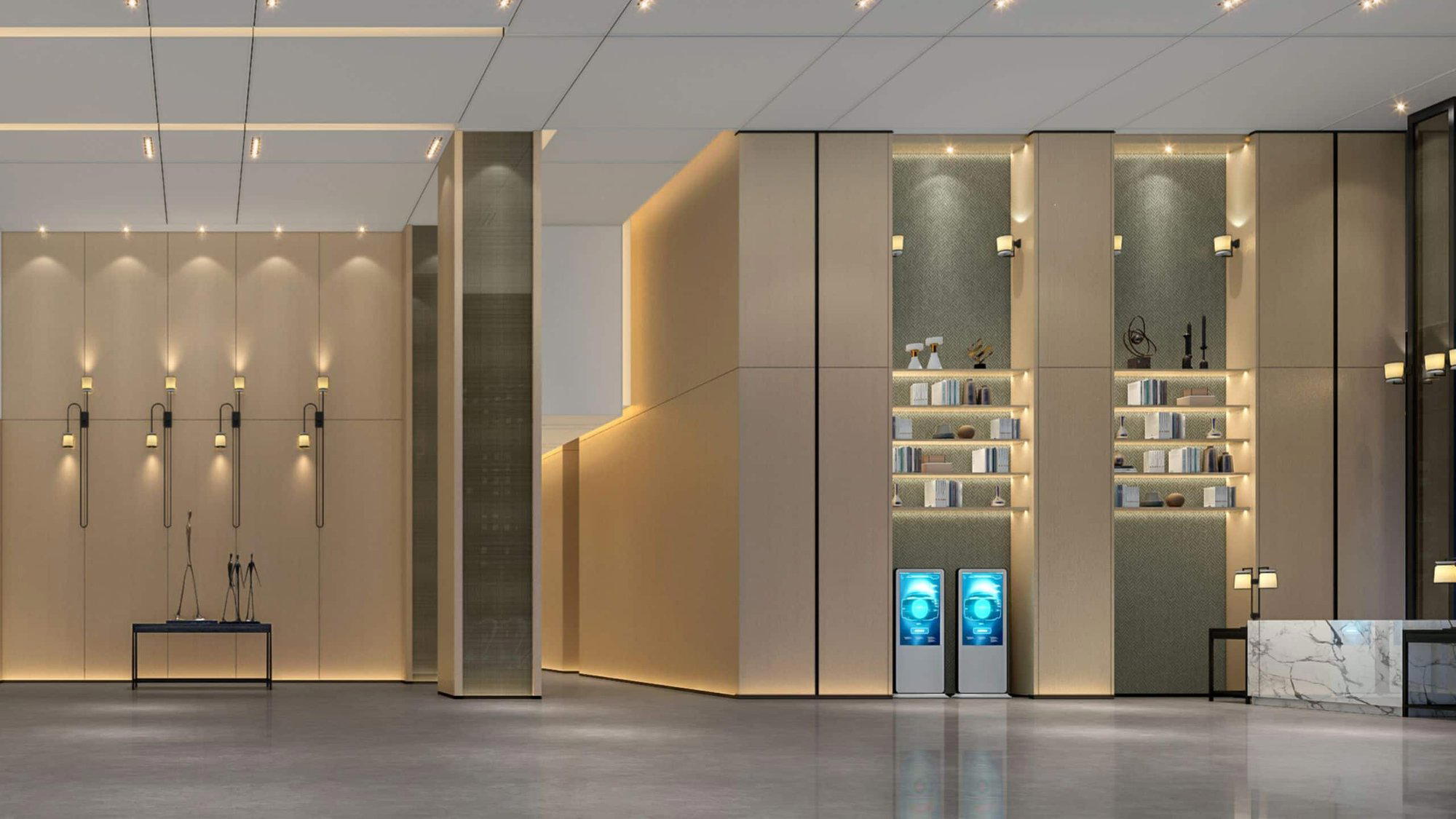
Refined and quietly luxurious, blending the heritage charm of a remodeled historic villa with a contemporary, polished dining room; lighting and service feel calm and intimate rather than buzzy or loud.