The Harrow at Little Bedwyn
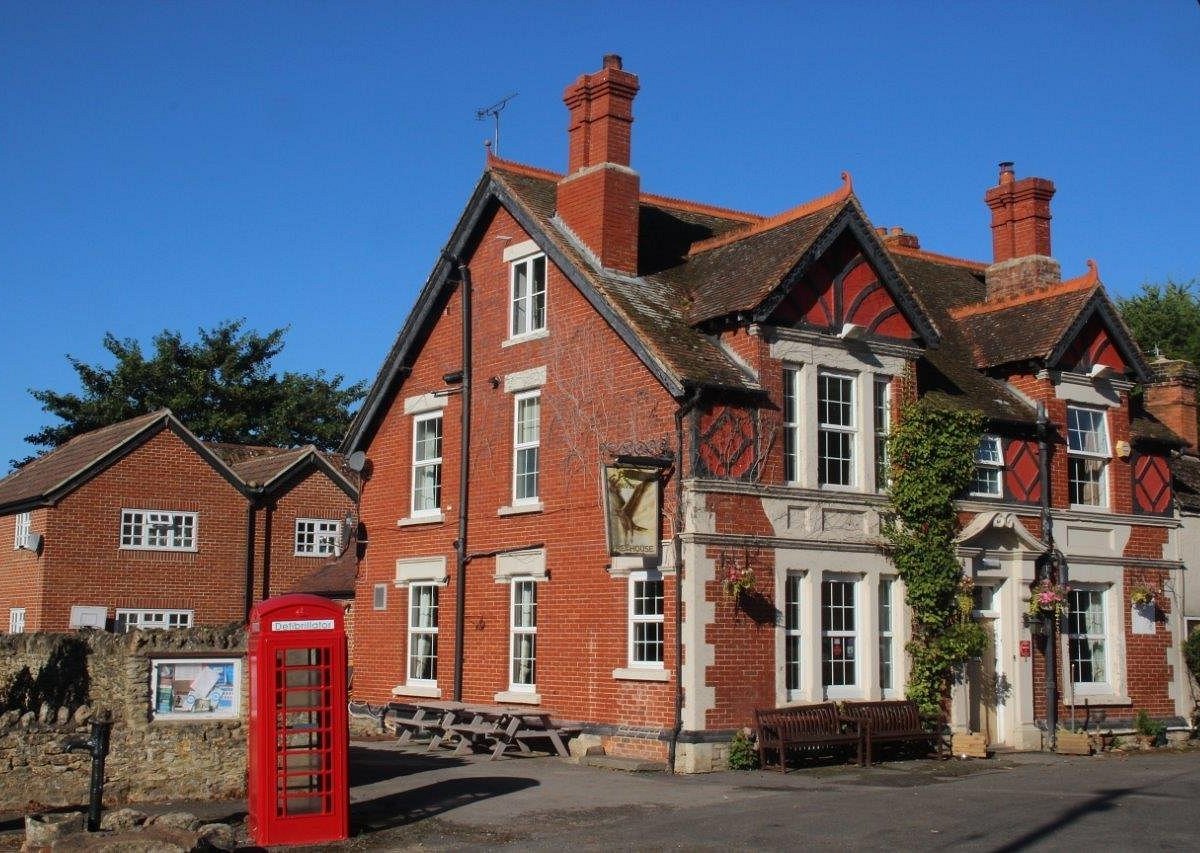
A village pub exterior in rural Wiltshire conceals one of England's most seriously regarded wine-focused restaurants. The Harrow at Little Bedwyn has earned consistent recognition for cooking that draws on seasonal, locally sourced ingredients and a wine list of considerable depth, placing it firmly in the upper tier of destination dining outside London.
Pearl is the En Primeur Club membership app — saves, bookings, and concierge access live there. Same editors, same standards.
- Address
- Little Bedwyn, Marlborough, England, SN8 3JP, United Kingdom
- Phone
- 01672 870871
- Website
- theharrowatlittlebedwyn.com
- Directions
- Get directions
 Saves & bookings on Pearl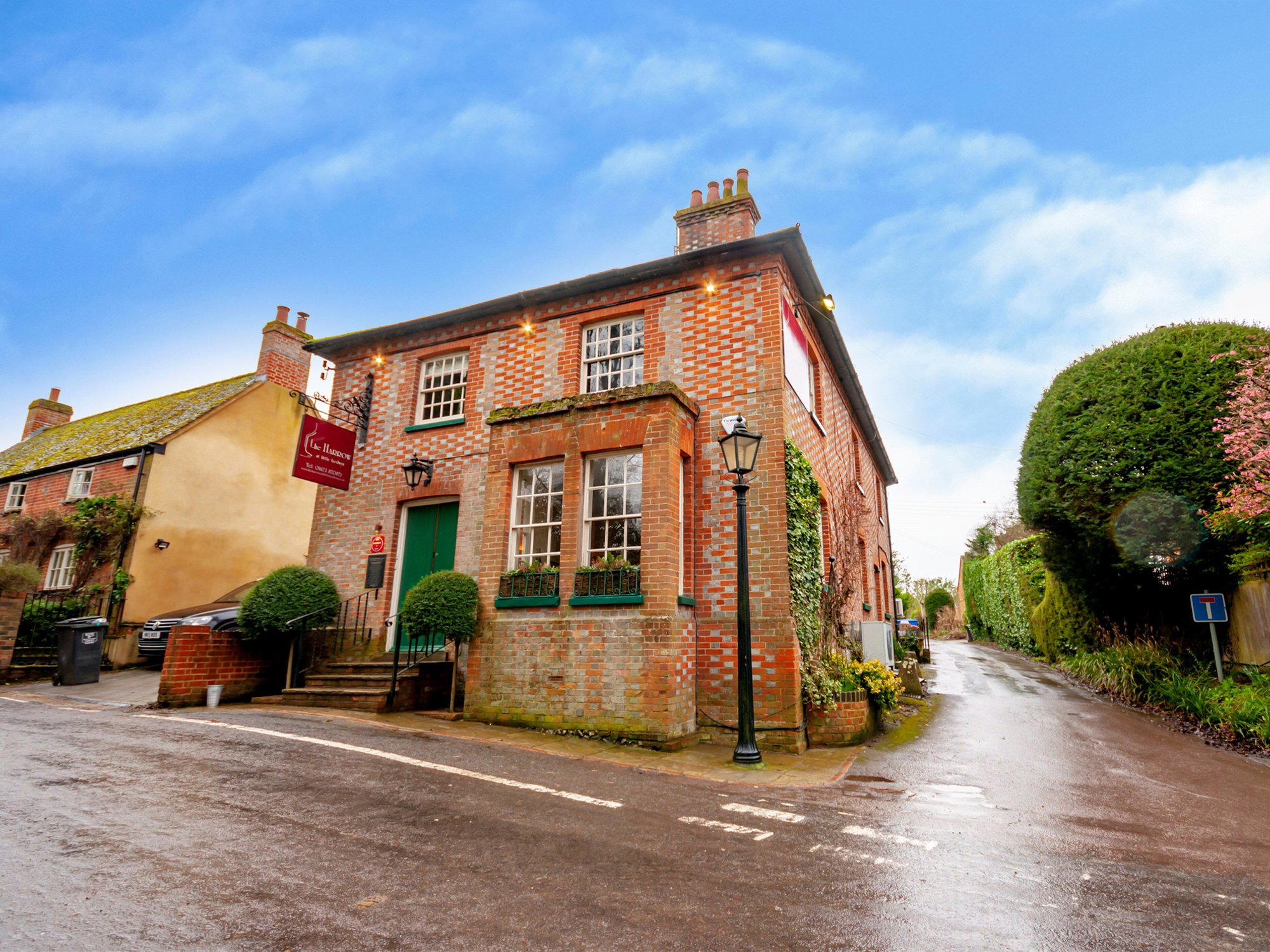
A Wiltshire Village and the Restaurant That Draws London Tables
The road into Little Bedwyn, a hamlet in the Kennet Valley between Marlborough and Hungerford, gives little warning of what waits at the end of it. The village is the kind of place most drivers pass through without slowing: a canal, a church, a few stone houses. The Harrow at Little Bedwyn is a restaurant in Little Bedwyn, Marlborough, serving Modern British Fine Dining. The Harrow sits among them, looking from the outside like the country pub it once was. That gap between appearance and reputation is precisely what defines a certain category of British destination restaurant, one that trades on understatement and forces the food and wine to carry the full argument.
The idea that serious cooking belongs in cities is a metropolitan assumption that places like The Harrow, Hand and Flowers in Marlow, and L'Enclume in Cartmel have systematically dismantled. The further from London a restaurant operates, the more deliberate the journey, and the more the kitchen must deliver on arrival. The Harrow has been doing this for years, drawing guests from London, Bath, and Bristol who treat the drive through Wiltshire as part of the occasion.
Where the Food Comes From
The editorial case for ingredient-led cooking in rural Wiltshire is easier to make than in most settings. The county sits within reach of some of England's most productive agricultural land, and the Kennet Valley specifically has access to game, freshwater fish, and market garden produce that urban restaurants have to source at a remove. For a kitchen committed to working with what the surrounding area produces, geography is an asset rather than a constraint.
The argument is direct: proximity to source shortens supply chains, increases seasonal responsiveness, and makes provenance verifiable rather than merely claimed. Kitchens like Moor Hall in Aughton and Gidleigh Park in Chagford have built their reputations on similar foundations in their respective regions. The Harrow operates on the same principle in Wiltshire.
The practical consequence for the diner is a menu that changes with the season rather than around it. What appears on the plate in October reflects what was available in October, not a year-round menu engineered around stable supply. That responsiveness is one reason the restaurant rewards repeat visits across different seasons.
Wine as a Parallel Argument
The Harrow's reputation rests as much on its wine programme as on its kitchen, which places it in a specific niche within British restaurant culture. Wine-serious destination restaurants outside London are not common; most of the country's deep-cellar operations are either London-based or attached to large hotel properties. A freestanding village restaurant with a wine list of genuine depth is a different proposition.
That dual identity, kitchen and cellar treated as equal partners rather than one supporting the other, aligns The Harrow with a small comparable set. In the broader context of British fine dining, it is more analogous to the wine-integrated model found at places like Le Manoir aux Quat'Saisons in Great Milton than to the food-dominant model that characterises most celebrated kitchens. The difference matters to how you plan the visit: this is a restaurant where the wine list deserves as much advance consideration as the menu.
The Harrow's village-scale operation makes the depth of its list more conspicuous, not less.
The Setting and What It Signals
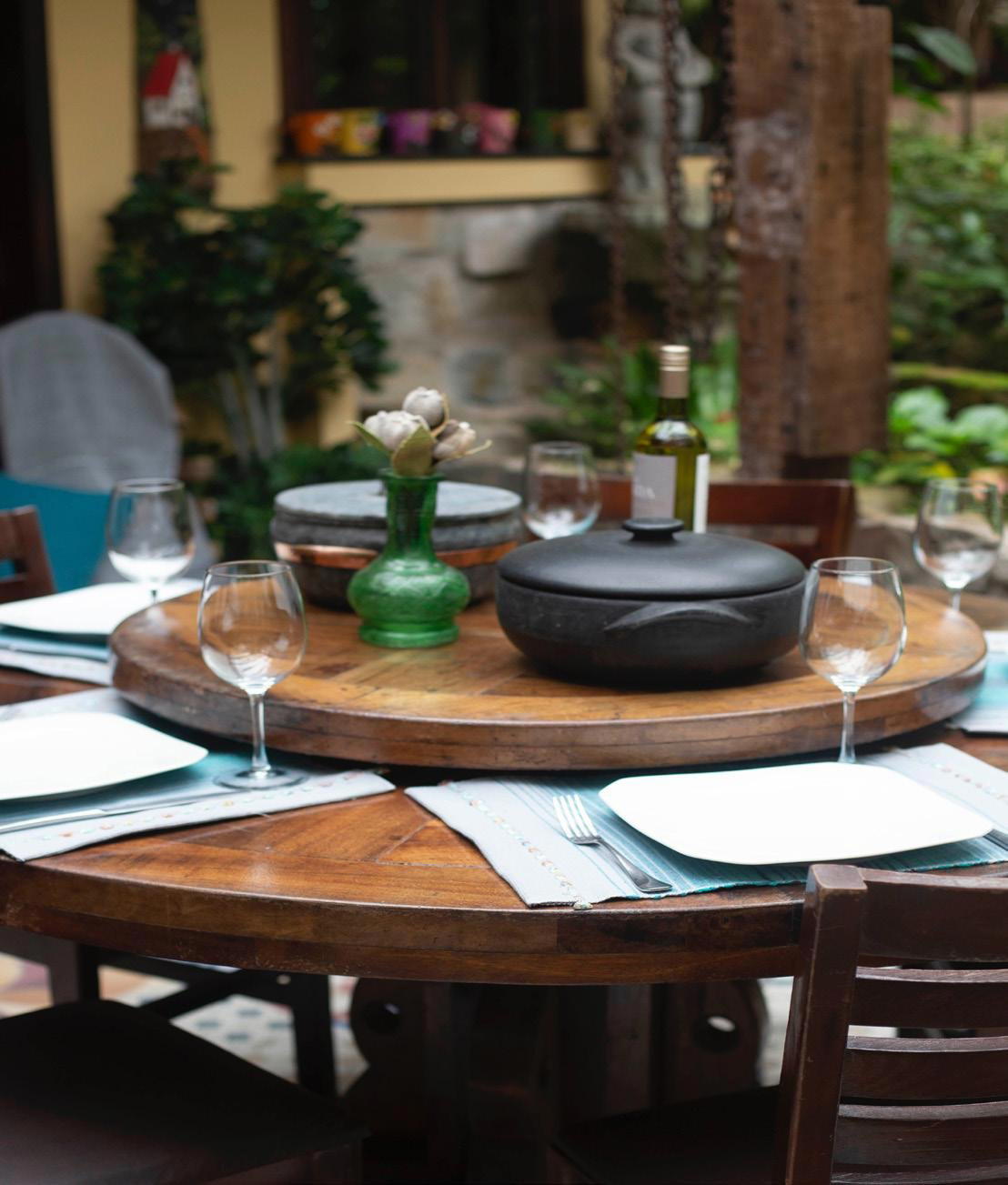
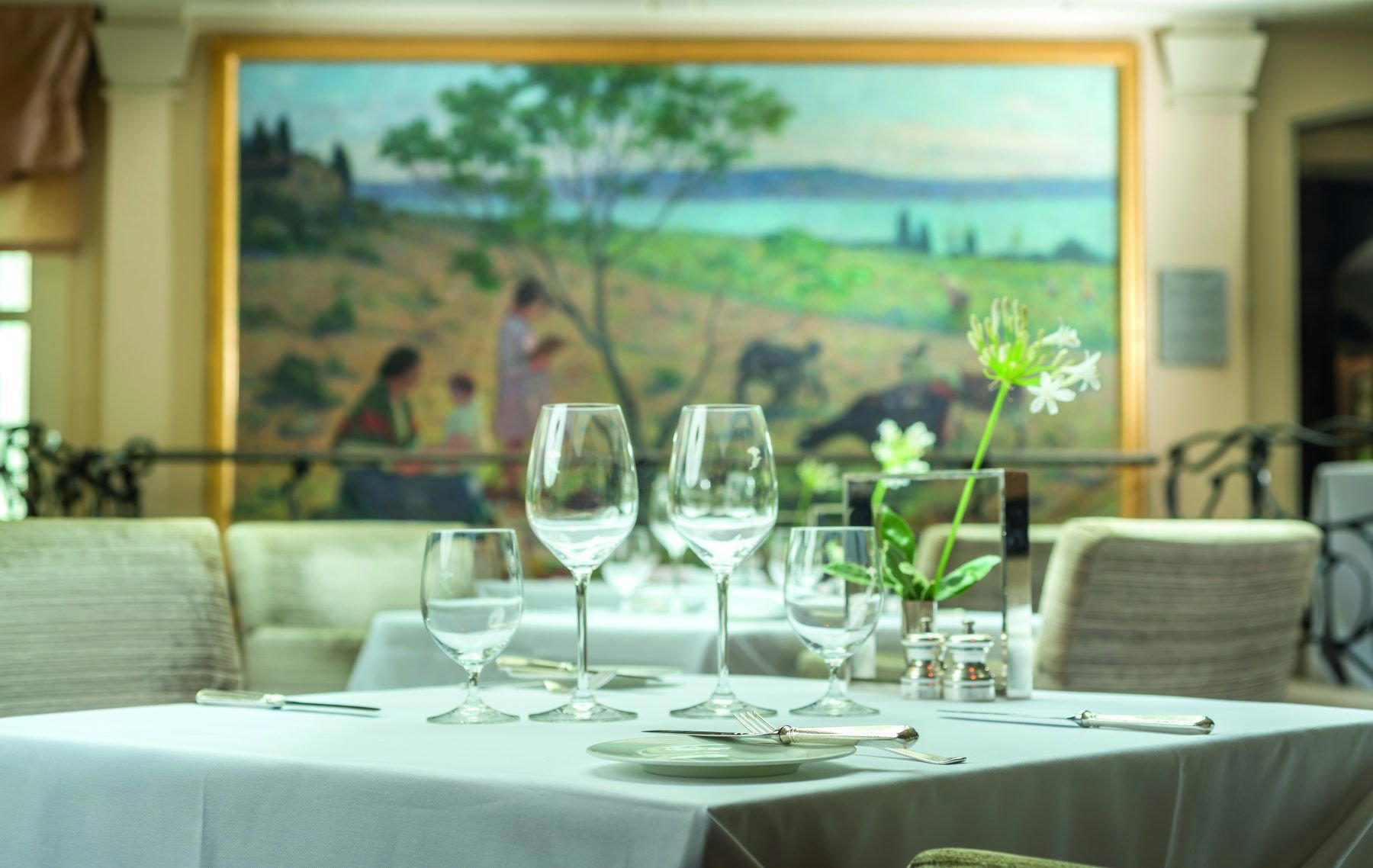
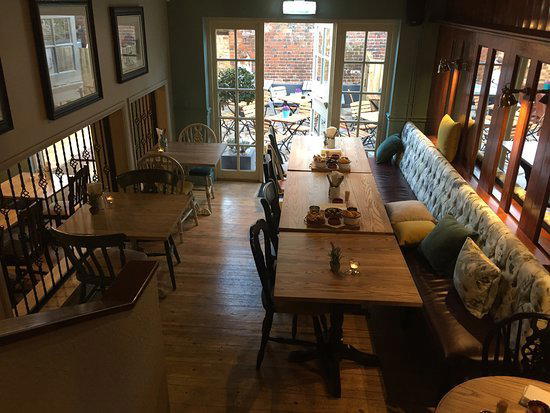
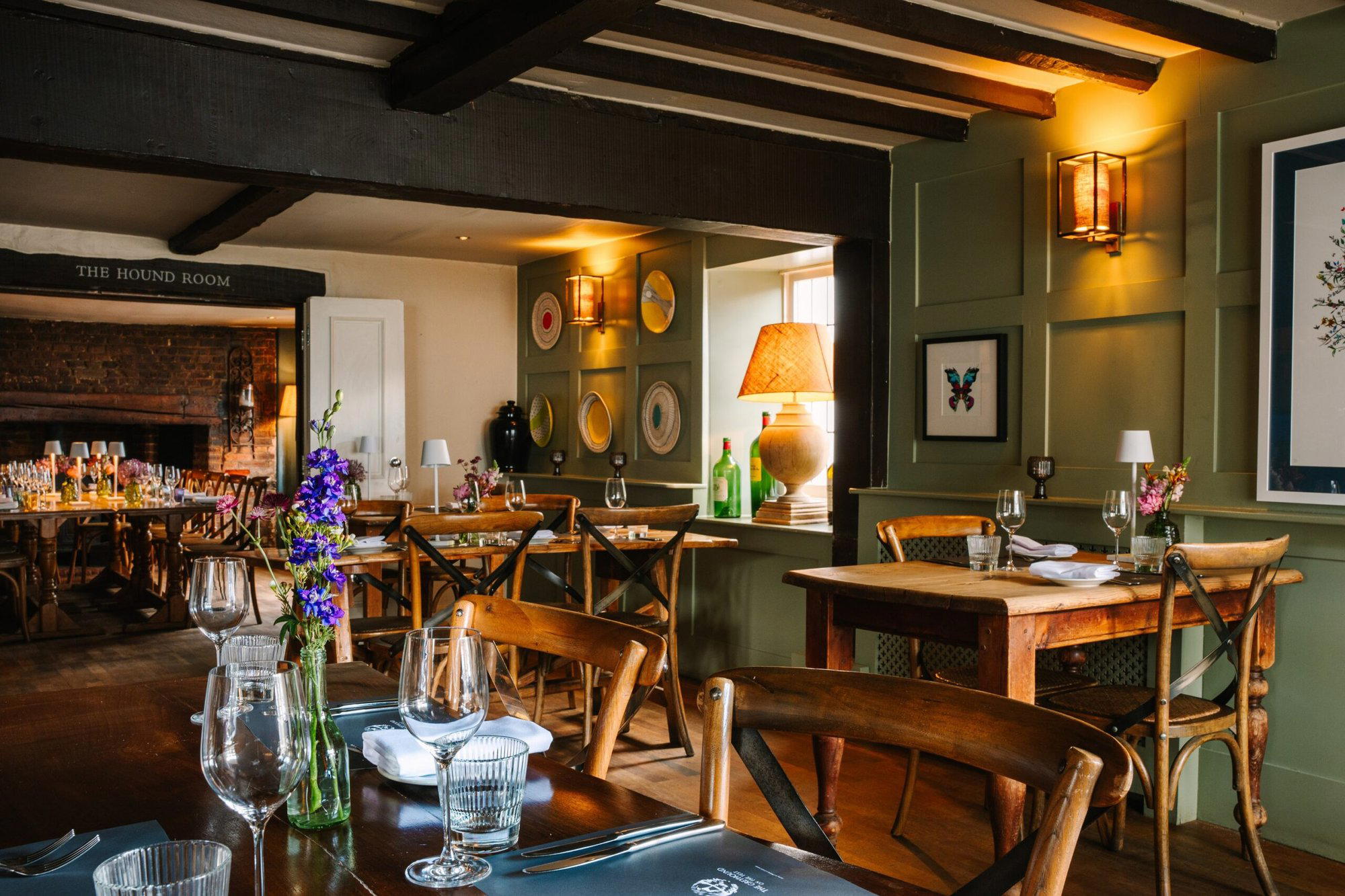
Rural fine dining in England occupies a distinct atmosphere register. Without the ambient noise and social performance of a city dining room, the focus narrows onto the table, the food, and the conversation. The Harrow's interior retains enough of its pub origins to avoid feeling staged or over-designed, which is a considered choice. Restaurants at this level can err toward either austere formality or deliberate rusticity; the village setting provides a natural anchor against both extremes.
This atmosphere profile places it closer to Midsummer House in Cambridge or hide and fox in Saltwood than to the grand-room formality of The Fat Duck in Bray or the tasting-counter precision of Atomix in New York City. The format is dinner-party intimate rather than theatre-of-the-kitchen; conversation is not interrupted by elaborate tableside presentation.
Planning the Visit
Little Bedwyn is accessible by rail via Hungerford station on the Great Western Main Line, roughly an hour and a half from London Paddington, with the village a short taxi ride away. That connection makes the restaurant genuinely reachable without a car, which matters for a wine-focused evening. Driving from Marlborough takes under twenty minutes along the B4192, and from Bath or Bristol the journey runs to around fifty minutes on good roads.
Among UK destination restaurants that occupy the same general tier, Restaurant Andrew Fairlie in Auchterarder and Opheem in Birmingham both demonstrate how consistently strong cooking in regional settings builds a loyal audience that travels specifically for the table rather than the postcode.
A Quick Peer Check
Comparable venues nearby, for context on price, style, and recognition.
| Venue | Cuisine | Price | Notes |
|---|---|---|---|
| The Harrow at Little BedwynThis venue — the venue you are viewing | Modern British Fine Dining | $$$ | Not listed |
| Shaun Dickens at the Boathouse | Modern British Bistro | $$$ | Henley-on-Thames |
| Marcus | Contemporary British Fine Dining | $$$$ | Belgravia |
| Bistro Twelve Twenty | Global Small Plates Bistro | $$$ | Old Amersham |
| The Orchard Room | British Afternoon Tea | $$$ | Westminster |
| The Clink Restaurant Brixton | Modern British Fine Dining | $$$ | Clapham |
Continue exploring
More in Marlborough
Restaurants in Marlborough
Browse all →
Bars in Marlborough
Browse all →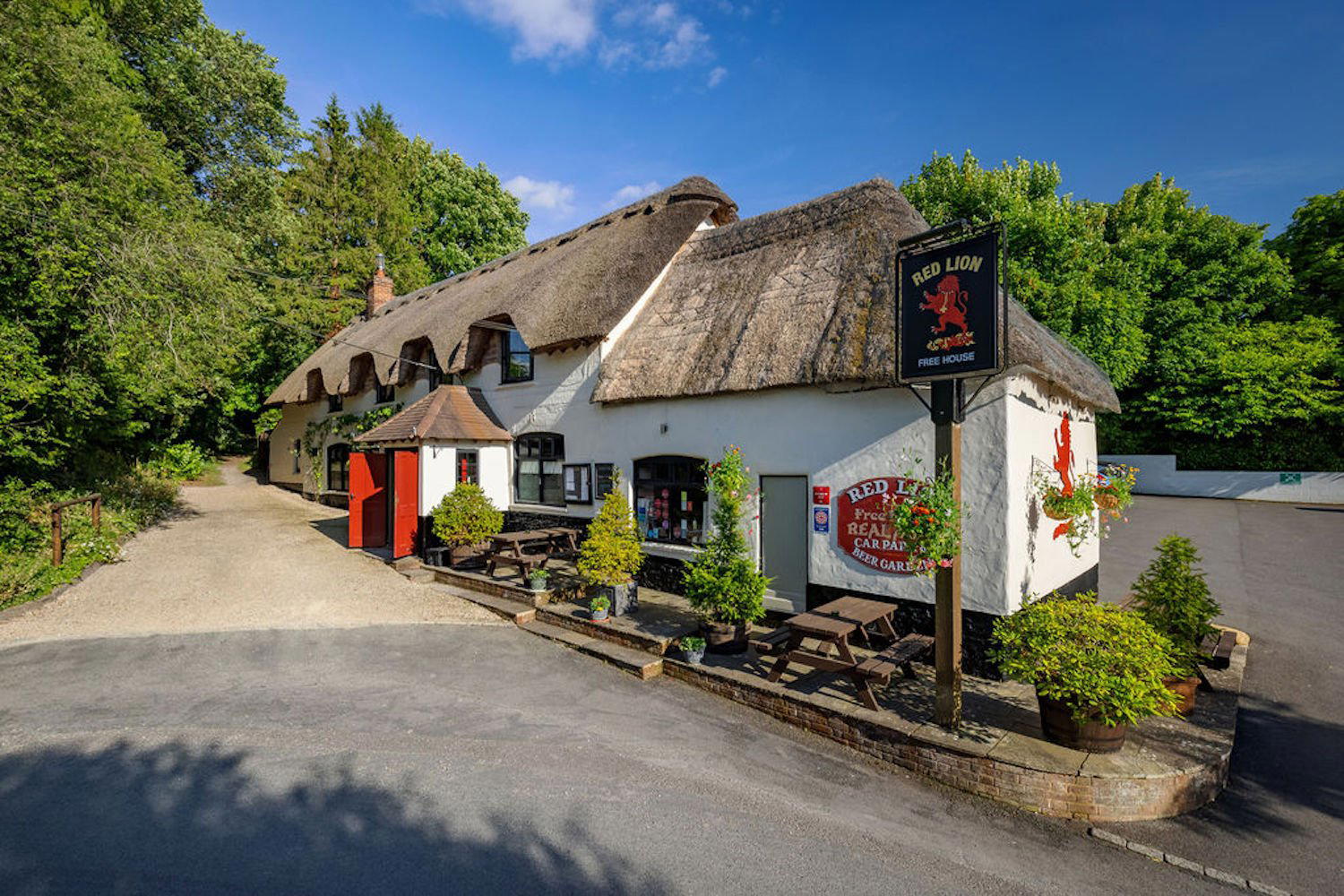
Hotels in Marlborough
Browse all →
Wineries in Marlborough
Browse all →
At a Glance
- Cozy
- Intimate
- Rustic
- Special Occasion
- Historic Building
- Extensive Wine List
Pleasant, snug, homely atmosphere with warm hospitality.