The Grove Savannah
On West Congress Street in Savannah's historic district, The Grove Savannah occupies a city that has grown serious about sourcing integrity and seasonal cooking. It sits in a dining tier where provenance matters as much as technique, drawing comparisons to farm-forward peers across the American South. For visitors working through Savannah's increasingly competitive restaurant scene, it represents a considered stop on that circuit.
Pearl is the En Primeur Club membership app — saves, bookings, and concierge access live there. Same editors, same standards.
- Address
- 301 W Congress St, Savannah, GA 31401
- Phone
- +19127777597
- Website
- thegrovesavannah.com
- Directions
- Get directions
 Saves & bookings on Pearl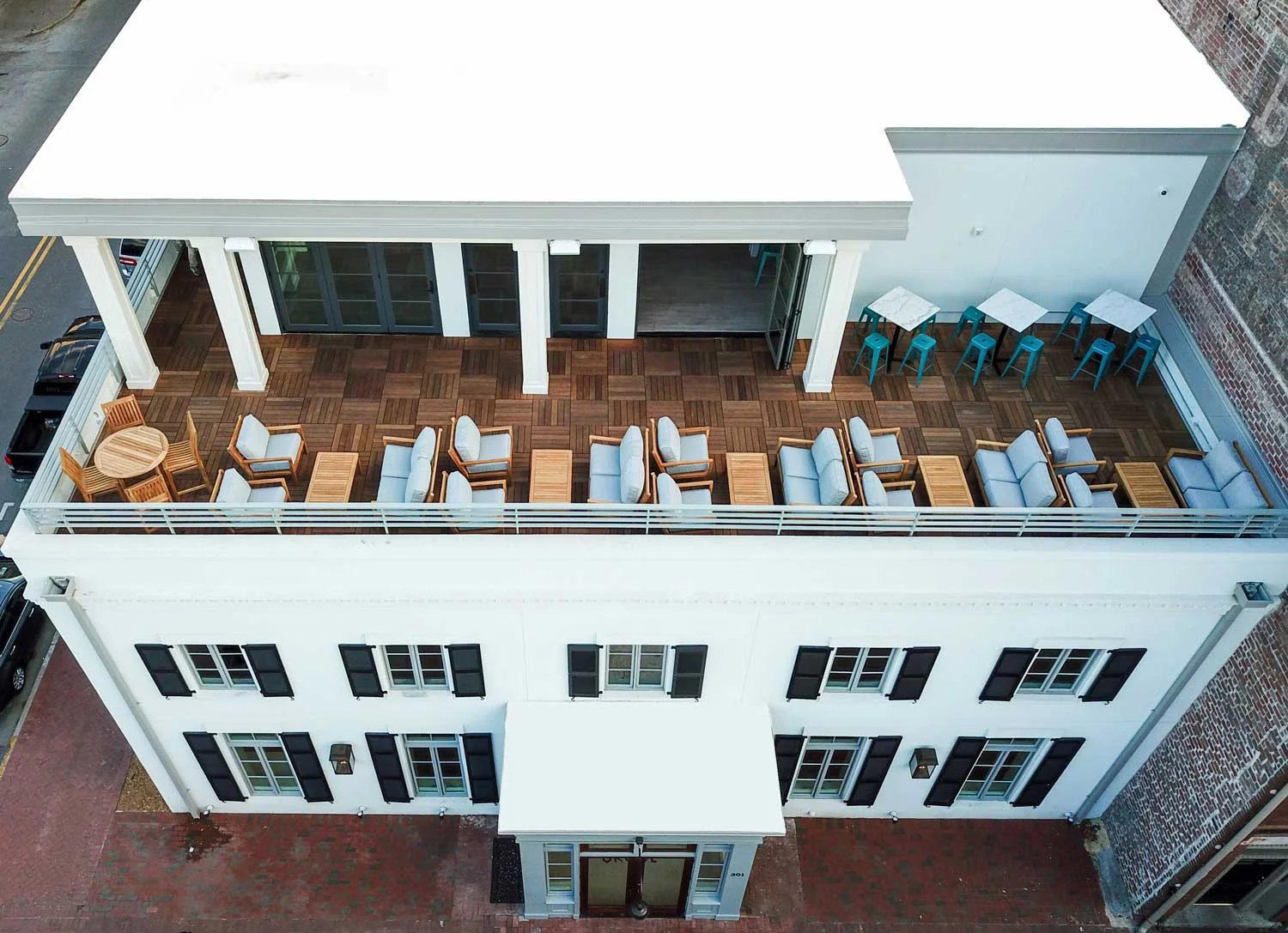
Congress Street and the Question of Sourcing
West Congress Street runs through one of Savannah's most architecturally dense blocks, where antebellum facades and cobbled lanes create a physical environment that makes every new restaurant opening feel like an act of negotiation with history. The Grove Savannah, at 301 W Congress St, is a restaurant in Savannah serving Southern Comfort Food & Craft Cocktails at a casual price point of about $35 per person.
Across the American South, a specific tier of restaurant has emerged over the past decade that uses provenance as its primary editorial statement. These are not simply farm-to-table claims printed on a menu header, those became so ubiquitous they stopped meaning anything, but operations built around documented sourcing relationships, seasonal menu rotation tied to actual harvest cycles, and kitchens that treat waste reduction as a structural discipline rather than a marketing footnote. The Grove Savannah positions itself within that tier, in a city where The Grey has already demonstrated that Savannah can sustain ambitious, regionally conscious cooking at a national level.
What the Sustainability Frame Actually Means Here
The language of ethical sourcing gets deployed loosely across the American dining scene, which makes it worth being precise about what it signals at a venue like this. Restaurants operating inside a genuine sustainability framework tend to share a few structural characteristics: menus that shift frequently enough to reflect actual seasonal availability rather than a fixed seasonal aesthetic, supplier relationships that are named and verifiable rather than vague gestures toward locality, and kitchen processes, stock-making from trim, fermentation programs, reduced plastic in storage, that address waste at the operational rather than the decorative level.
These approaches connect directly to a broader American movement that has its clearest expression at places like Blue Hill at Stone Barns in Tarrytown and Single Thread Farm in Healdsburg, where the sourcing infrastructure is as much the product as the cooking itself. The Grove Savannah operates in a different city and at a different scale, but the philosophical orientation draws from the same well. Georgia's agricultural calendar, spring Vidalia onions, summer Sea Island peas, autumn pecans and sweet potatoes, coastal shellfish running through cooler months, gives a kitchen committed to this approach genuine raw material to work with across the year.
Georgia also sits within among the more productive agricultural belts in the Southeast, with proximity to coastal fisheries, barrier island farms, and the piedmont's vegetable and grain producers. A restaurant that takes sourcing seriously in Savannah has access to a supply network that most American cities would find difficult to replicate, which makes the choice to anchor a concept around it both logical and, when executed properly, genuinely distinctive from a culinary standpoint.
Savannah's Competitive Restaurant Tier
Savannah has moved through several distinct phases as a dining city. For years it was defined primarily by its historic Southern cooking, Mrs. Wilkes' Dining Room representing the communal, boarding-house model that the city became associated with nationally, and by a hospitality industry oriented toward tourists passing through on weekend trips from Atlanta or the Northeast corridor. That character has not disappeared, but it now coexists with a more serious tier of independent restaurants making arguments about technique, sourcing, and creative identity.
The Grey is the clearest evidence of that shift, having earned sustained national recognition for its approach to American regional cooking inside a restored Greyhound bus terminal. Alligator Soul and Ardsley Station occupy adjacent parts of the serious independent tier, while 1540 Room and Aqua Star represent the hotel dining category that any destination city maintains alongside its independent scene. The restaurant enters a competitive set that has real depth, which means it cannot rely on novelty alone, it has to make a legible argument through the food itself.
American Dining Context: Where Sustainability-Led Kitchens Sit
Across the United States, farm-forward and ethically sourced restaurant concepts now span a wide range of formats and price points. At the highest end of the national market, restaurants like The French Laundry in Napa and Alinea in Chicago operate with kitchen gardens and supplier relationships that are integral to their Michelin-starred identities. Providence in Los Angeles has built a sustained reputation around sustainable seafood sourcing, while Addison in San Diego represents California's version of ingredient-led fine dining. In New Orleans, Emeril's has long used Gulf Coast sourcing as a regional anchor, and Lazy Bear in San Francisco takes an experiential, produce-driven approach that has attracted serious critical attention.
What these operations share is a commitment to treating the supply chain as part of the dining narrative, not just a backend operational consideration. Internationally, the same logic applies at restaurants like Atomix in New York City, where ingredient provenance shapes the tasting menu's intellectual architecture, and even at a level as technically demanding as Le Bernardin in New York City, where sustainable seafood certifications run alongside three Michelin stars. The restaurant does not occupy that tier by any documented measure, but it draws from the same philosophical current, applied to a Southern city's specific agricultural and cultural context.
Planning a Visit
The restaurant is located at 301 W Congress St, in the heart of Savannah's walkable historic district, placing it within easy reach of the major squares and the riverfront. The restaurant is open Monday through Thursday and Sunday from 11 AM to 10 PM, and Friday and Saturday from 11 AM to 12 AM. Reservations are recommended.
At a Glance
Comparable venues nearby, for context on price, style, and recognition.
| Venue | Cuisine | Price | Notes |
|---|---|---|---|
| The Grove SavannahThis venue — the venue you are viewing | Not listed | $$ | Not listed |
| Collins Quarter | Not listed | $$ | Downtown, Australian-inspired American Fusion |
| Wright Square Bistro | Historic District, Southern Bistro | $$ | Not listed |
| Ardsley Station | Ardsley Park, Modern American Southern | $$ | Not listed |
| Repeal 33 | Yamacraw Village, Modern Southern | $$$ | Not listed |
| Cotton & Rye | Not listed | $$ | Habersham Street, Modern American Gastropub |
At a Glance
- Sophisticated
- Lively
- Cozy
- Group Dining
- Casual Hangout
- After Work
- Brunch
- Late Night
- Rooftop
- Panoramic View
- Standalone
- Craft Cocktails
- Beer Program
- Street Scene
Current opening hours
- Monday
- 11 AM–10 PM
- Tuesday
- 11 AM–10 PM
- Wednesday
- 11 AM–10 PM
- Thursday
- 11 AM–10 PM
- Friday
- 11 AM–12 AM
- Saturday
- 11 AM–12 AM
- Sunday
- 11 AM–10 PM
Hours can change for holidays and private events. Last verified .
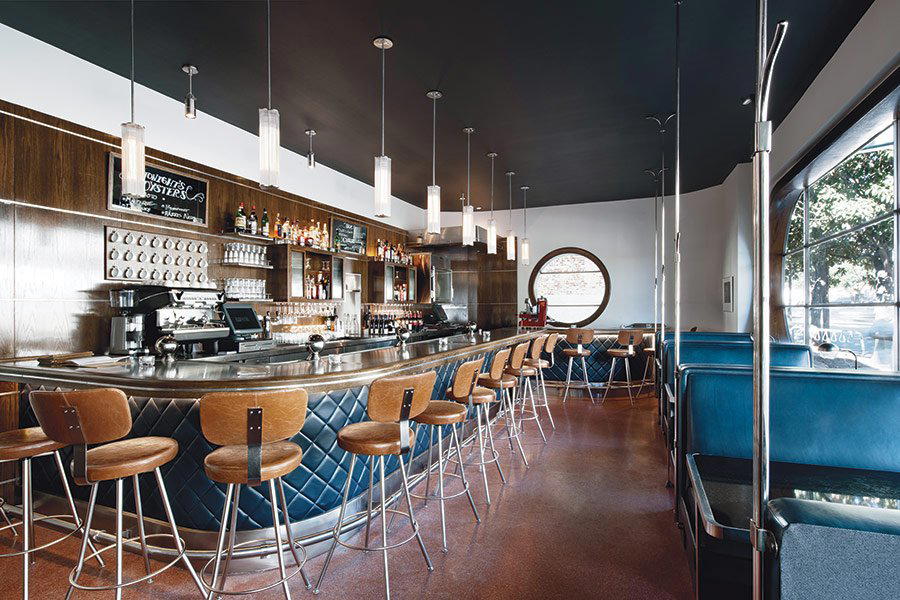
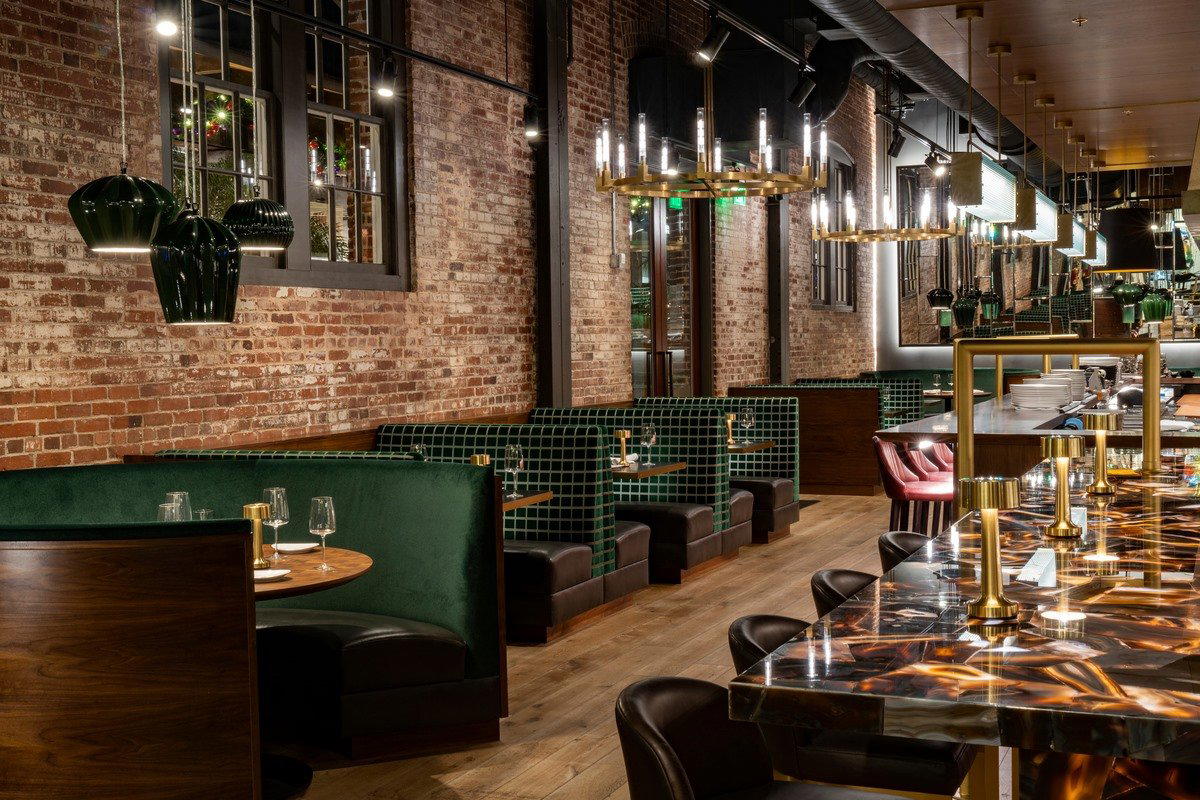
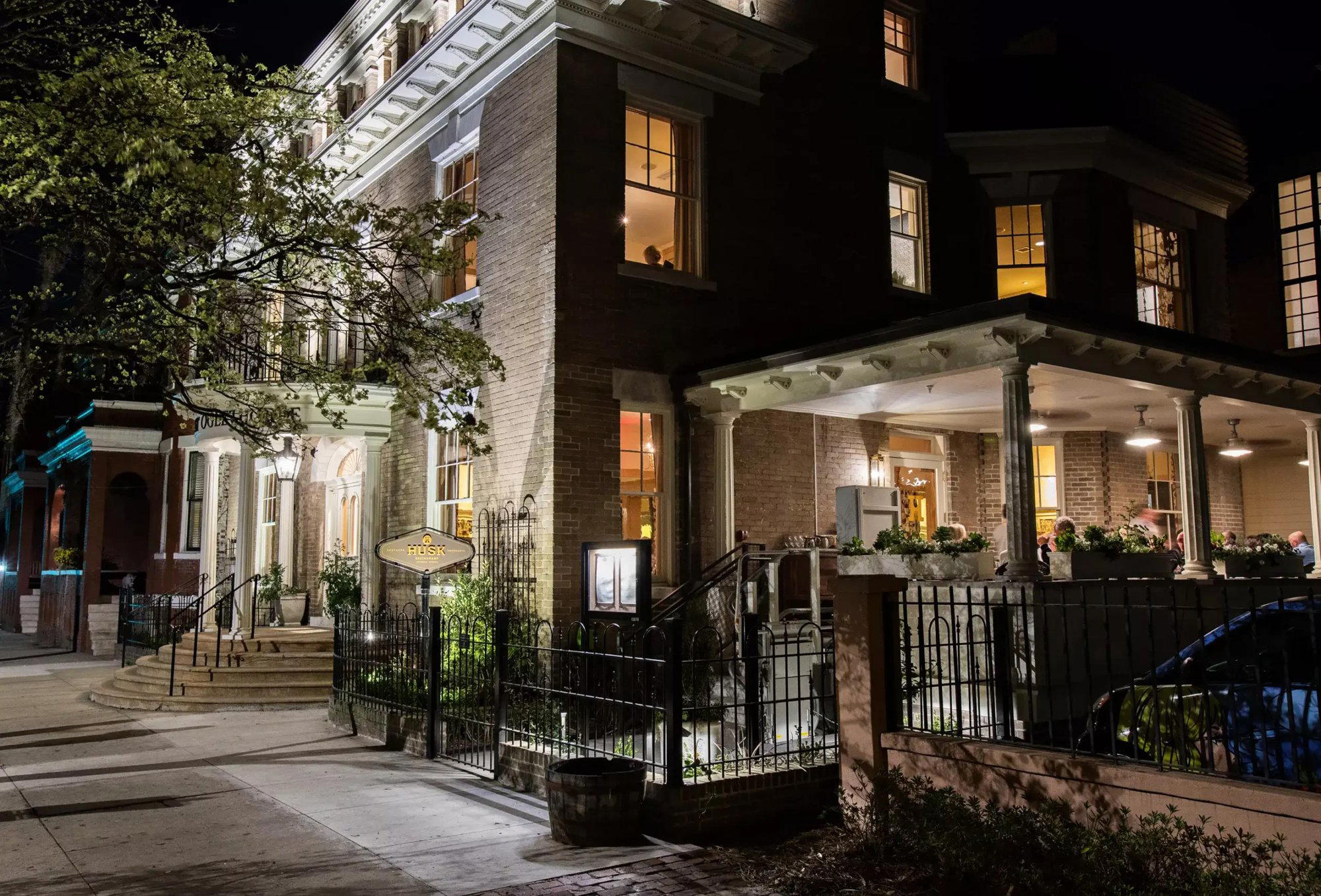
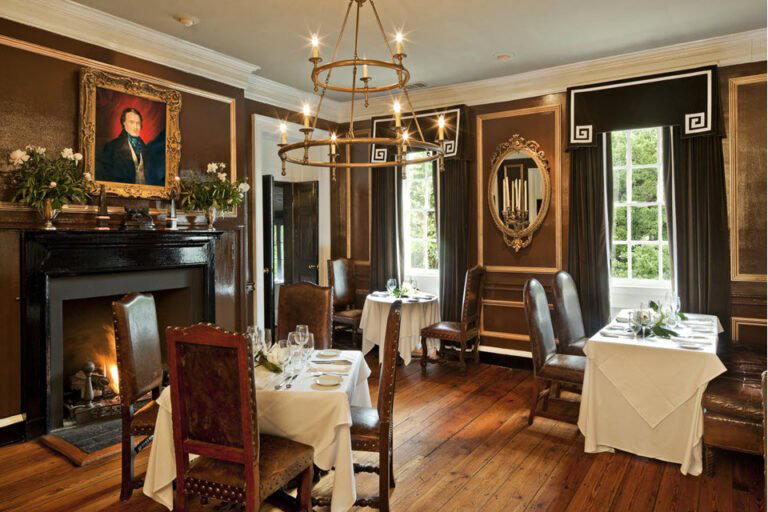
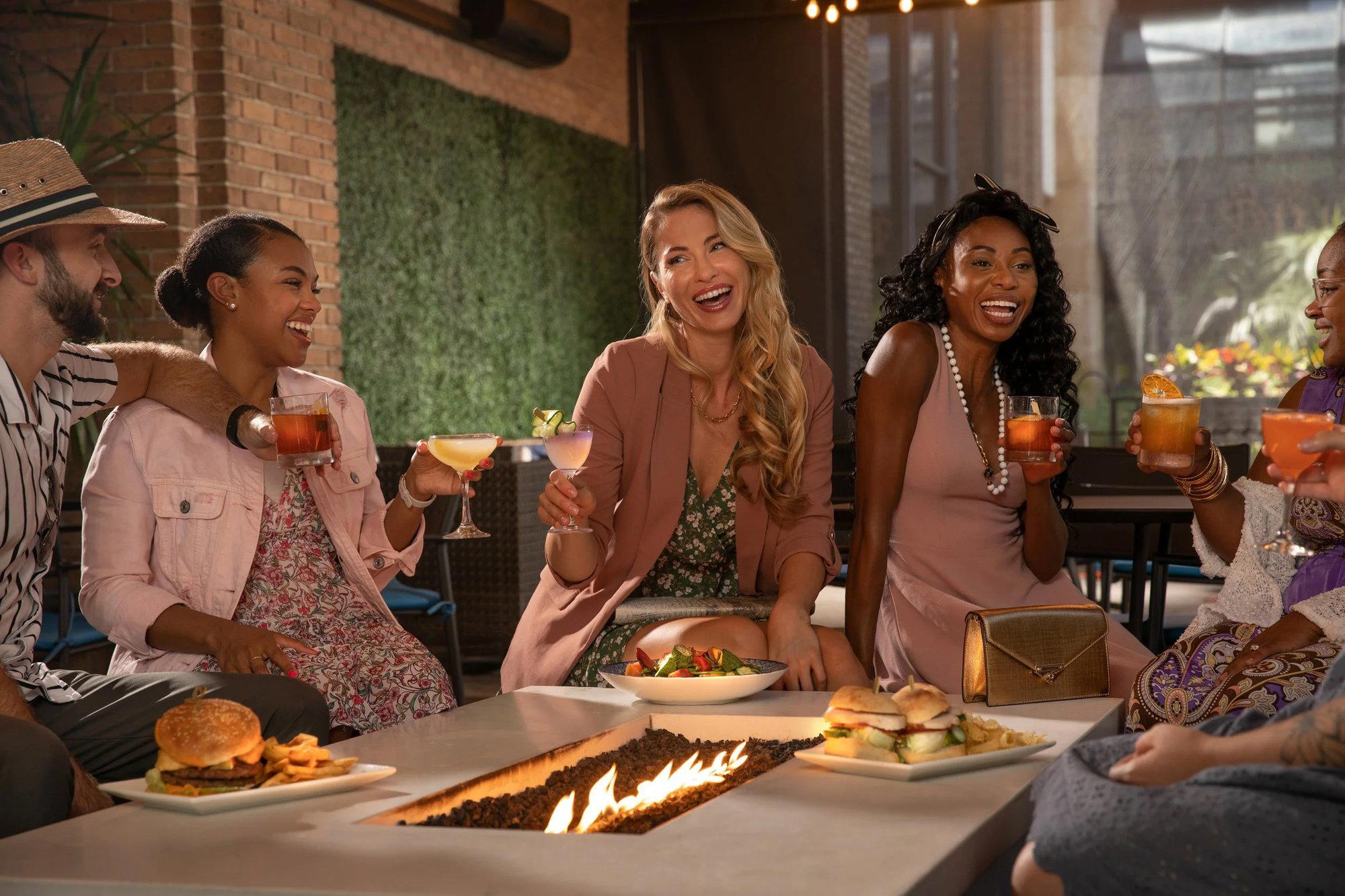
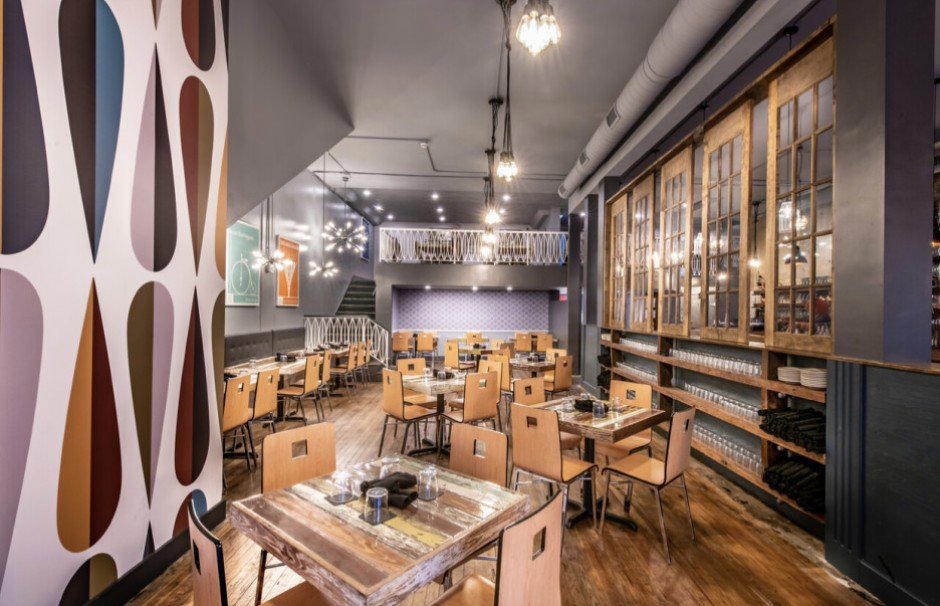
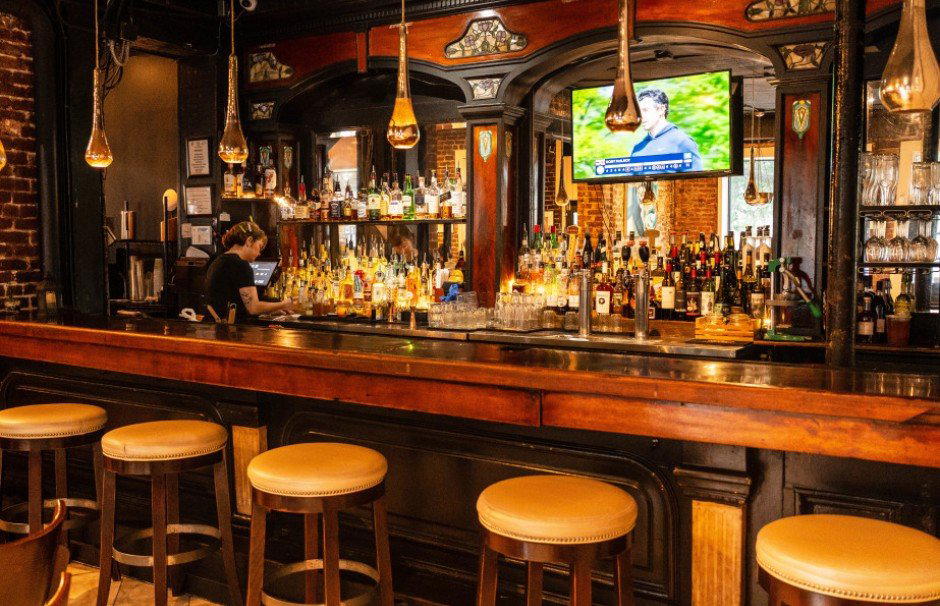
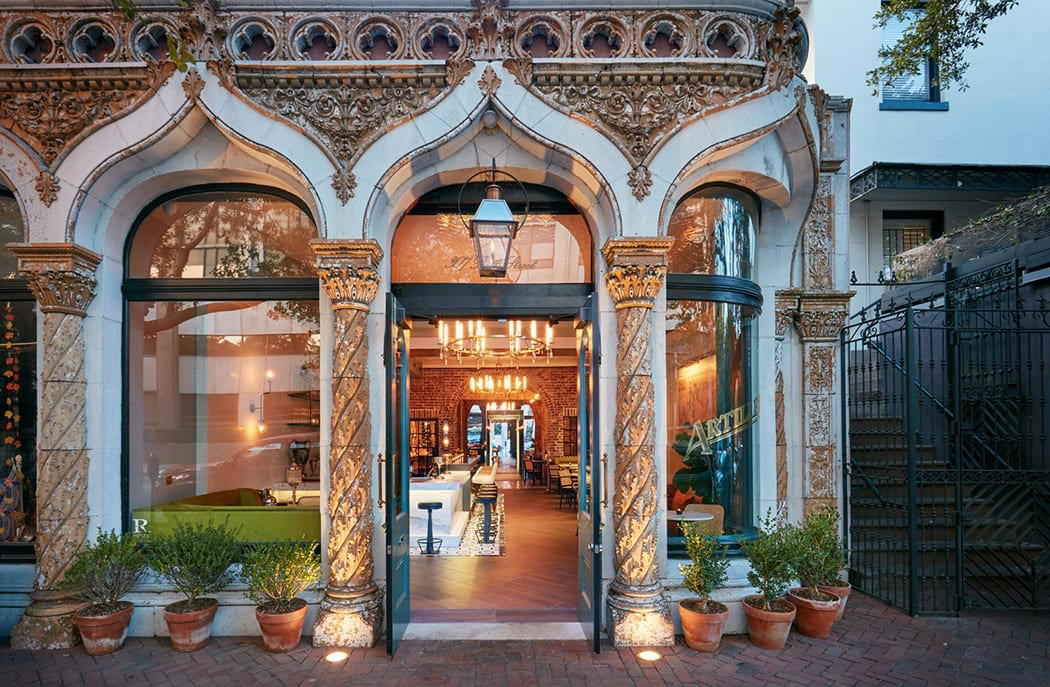
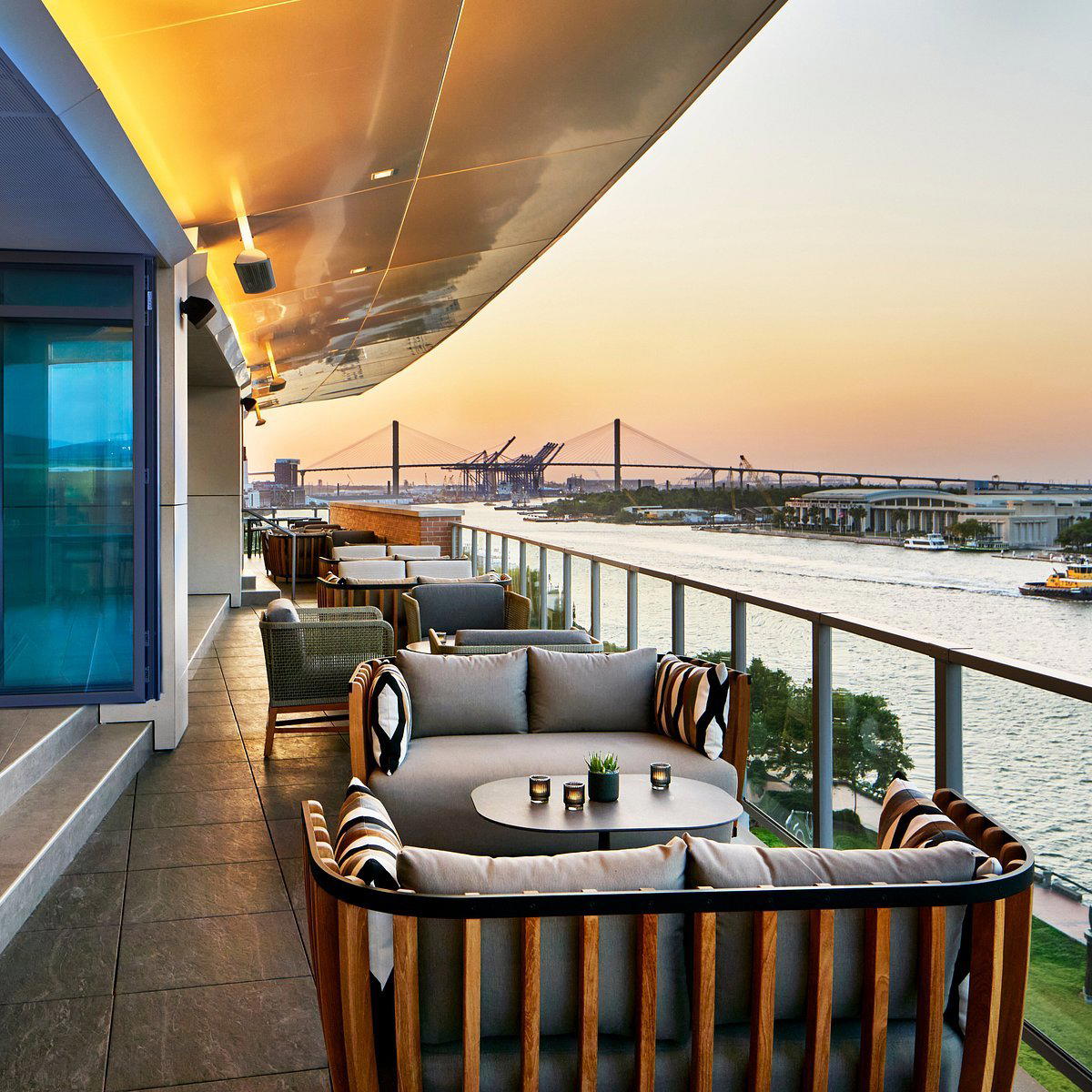
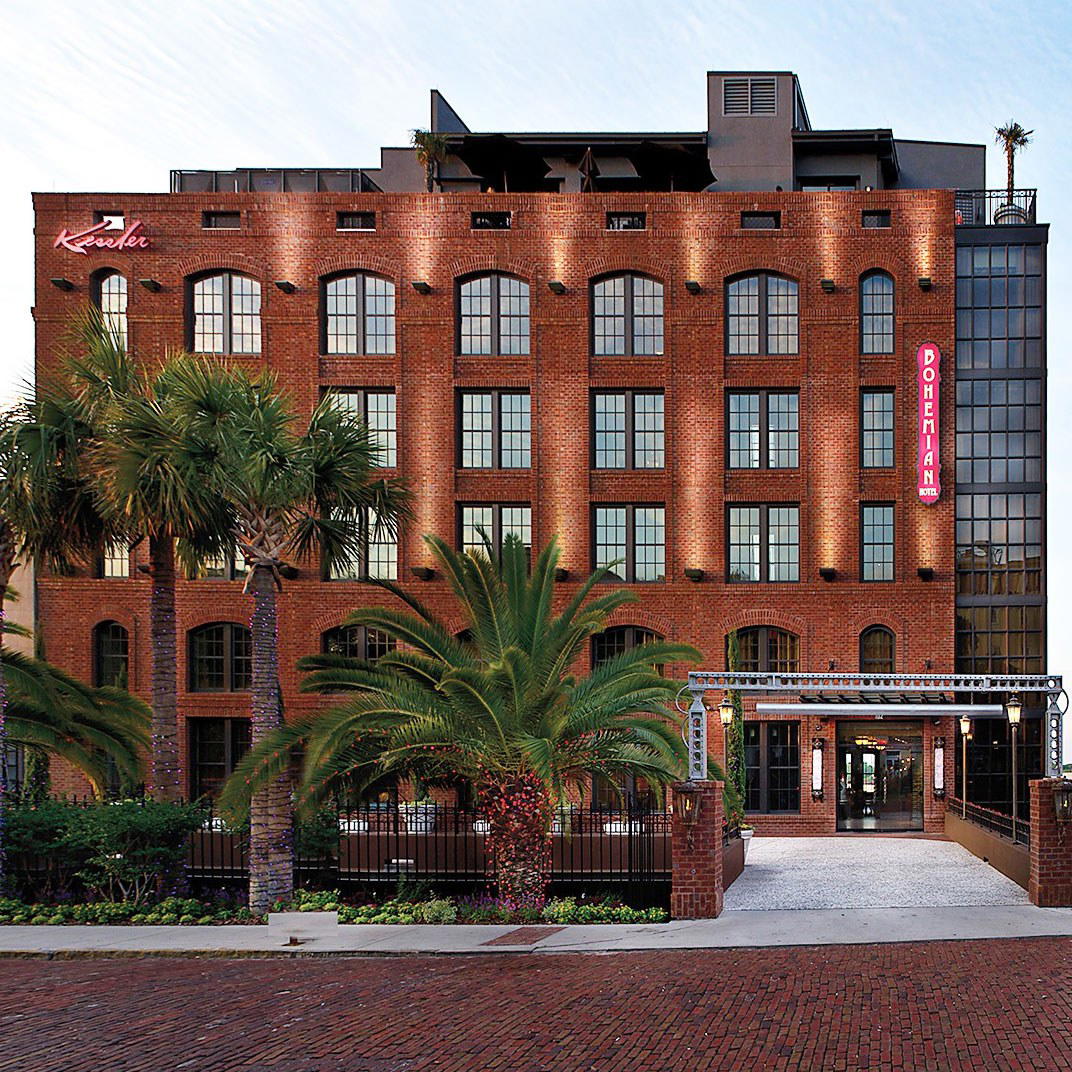
Colorful and comfortable with a relaxed neighborhood hangout feel; street-level restaurant and bar leads to a charming 3rd-floor rooftop with indoor seating mixed with comfy lounge sofas on an open-air terrace surrounded by panoramic views.