The Forge
Our verdict
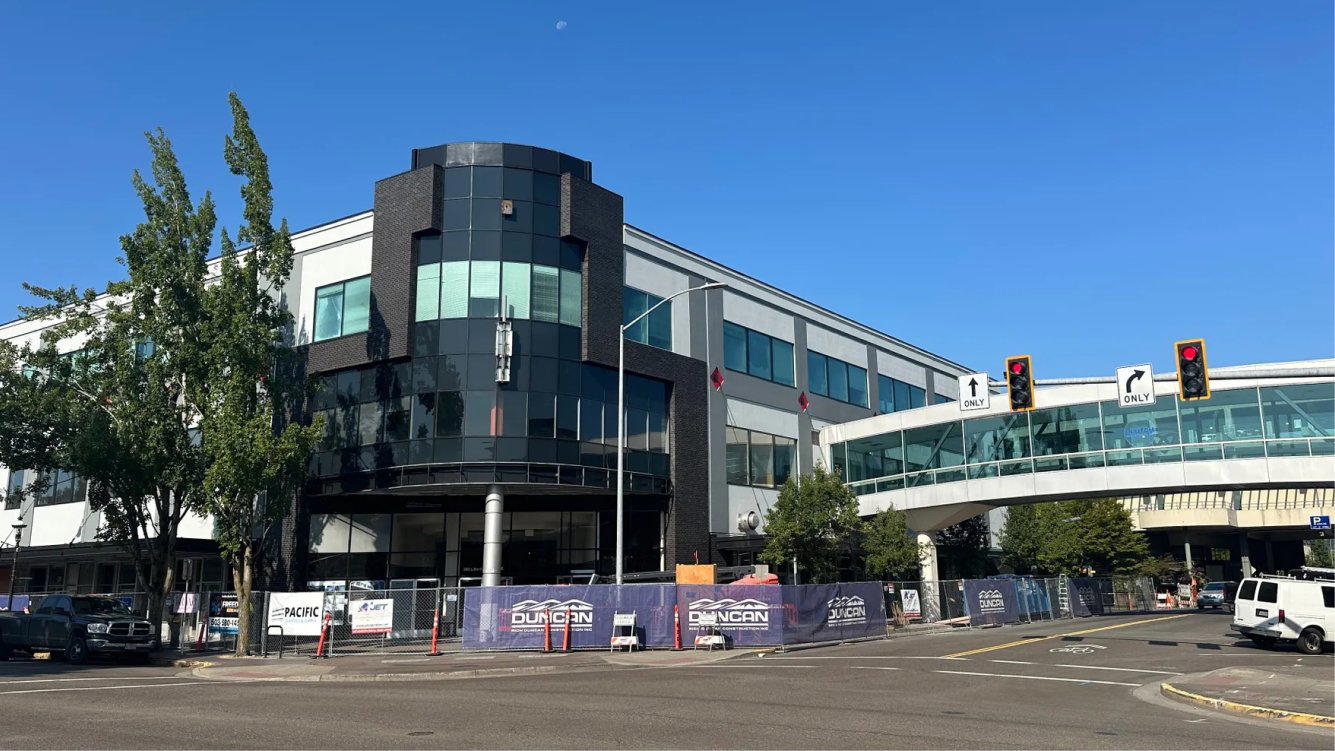
The Forge sits at 117 S Elm St in Gardner, Kansas, a small city on the southwestern edge of the Kansas City metro where farm country begins in earnest. The name signals something deliberate: a place where raw ingredients are worked into something finished. For diners curious about what the broader American farm-to-table movement looks like at a local scale, Gardner offers a grounded, unglamorous version of that conversation.

Pearl is the En Primeur Club membership app — saves, bookings, and concierge access live there. Same editors, same standards.
Where the Prairie Meets the Plate
Gardner, Kansas sits about 30 miles southwest of Kansas City, at the point where suburban sprawl gives way to working agricultural land. The region produces wheat, corn, soybeans, and cattle at scale, and that proximity to primary production has shaped the food culture of small cities across this corridor in ways that differ substantially from how coastal farm-to-table dining tends to operate. Here, the supply chain is shorter not as a marketing decision but as a geographic fact. A restaurant called The Forge, at 117 S Elm St in Gardner's modest downtown, positions itself inside that tradition by name alone: forging implies heat, pressure, and transformation of raw material into something purposeful.
The broader American ingredient-sourcing movement has played out differently depending on distance from farmland. At Blue Hill at Stone Barns in Tarrytown, the farm is literally on the same property, and the restaurant's identity is inseparable from that vertical integration. At Single Thread Farm in Healdsburg, the kitchen draws from a dedicated farm operation and frames sourcing as a form of Japanese-inflected precision. These are expensive, highly structured propositions. The question Gardner raises is what a similar ethos looks like when it is not supported by a destination-dining infrastructure — when the farm-to-table argument is made not from a Michelin-starred counter but from a main street storefront in a town of roughly 22,000 people.
The Sourcing Argument in Small-City America
Across the Great Plains, the most credible local ingredient stories are often told by restaurants that do not have the budget or the profile to broadcast them loudly. The Kansas City metro region has a functioning local food economy: farmers markets, regional meat producers, and a network of small producers who sell to restaurants willing to maintain direct relationships. Gardner's position at the agricultural edge of that metro means access to those supply chains without the markup that comes with a River Market or Power and Light address in the city proper.
This is the operational context that makes a name like The Forge worth paying attention to. The term references craft and process, a working kitchen rather than a showroom. Contrast this with the framing used by highly produced American tasting-menu restaurants: Alinea in Chicago foregrounds technique and transformation in a way that deliberately distances the diner from the agricultural source. Lazy Bear in San Francisco takes a communal dinner-party format that centers the social experience. The model that appears relevant to Gardner is something closer to Bacchanalia in Atlanta or Frasca Food and Wine in Boulder: regionally rooted, committed to a defined culinary identity, and operating in a city that does not automatically confer prestige but forces quality to do the talking.
What the Midwestern Table Looks Like Right Now
American Midwest dining has undergone a quiet recalibration over the past decade. The region's steakhouse and comfort-food baseline remains, but a layer of sourcing-conscious, technique-forward restaurants has emerged in smaller cities and towns, often without the critical infrastructure — reviewers, awards bodies, food media presence, that accelerates recognition in New York, Los Angeles, or Chicago. Bruto in Denver and Causa in Washington, D.C. represent the kind of chef-driven ambition that operates below the national radar until it doesn't. The pattern repeats across the country: a restaurant opens in an unlikely location, builds a loyal local audience on the strength of its sourcing and execution, and eventually attracts wider attention.
Gardner is not yet on that map in any documented way. What exists is an address, a name with clear semantic intent, and a geographic context that is genuinely interesting from an ingredient-sourcing perspective. That combination is worth flagging for a reader planning time in the Kansas City region and willing to move beyond the established dining corridors of the city itself.
For context on what the premium end of American sourcing-led dining looks like, the reference points are well established. The French Laundry in Napa and Le Bernardin in New York City represent the summit of American fine dining where ingredient quality is non-negotiable and fully documented. Providence in Los Angeles and Addison in San Diego operate within established culinary cities where critical infrastructure supports and validates their sourcing claims. Gardner operates without that scaffolding, which is precisely what makes a visit feel like a genuine discovery rather than a confirmed itinerary stop.
Planning a Visit to Gardner
Gardner is accessible by car from Kansas City in under 40 minutes via US-56 West, making it a realistic day-trip or early-evening destination for visitors based in the city. The downtown area around S Elm St is compact, and The Forge's address at 117 S Elm St places it within walking distance of Gardner's small commercial core. Our full Gardner restaurants guide covers additional context for planning time in the area. For comparison references on the national ingredient-sourcing conversation, see also The Inn at Little Washington, ITAMAE in Miami, Atomix in New York City, and Emeril's in New Orleans for a broader picture of how American restaurants at different price tiers and in different cities have approached the sourcing question.
Frequently asked questions
Is The Forge good for families?
Gardner, Kansas skews community-oriented, and restaurants at this scale in small Prairie-edge cities typically accommodate mixed groups including families. The address at 117 S Elm St places The Forge in a walkable downtown context, which tends to signal a relaxed, all-ages atmosphere rather than a destination fine-dining format.
Is The Forge better for a quiet night or a lively one?
Gardner sits where suburban Kansas City gives way to agricultural land, and that geography tends to shape a slower, more deliberate dining pace than you'd find 30 miles east in the city. A venue at this address in a small-city downtown is more likely to run as a neighbourhood anchor than a high-volume, high-energy room. That said, weekend evenings in any well-regarded local spot can draw a crowd worth accounting for.
Is The Forge a good dinner option for visitors driving from Kansas City?
Gardner is approximately 30 miles southwest of Kansas City via US-56 West, a drive that runs under 40 minutes in normal traffic, making The Forge a realistic evening destination rather than a detour. The Forge's address at 117 S Elm St places it in Gardner's downtown, which is a straightforward stop for anyone already moving through Johnson County or the southwestern suburbs. For a city-based visitor, it represents a different register of Midwest dining than the Kansas City metro scene — smaller in scale, closer to the agricultural source.
What should I order at The Forge?
What is documented is the broader regional context: the Great Plains dining scene increasingly prioritises locally sourced proteins and seasonal produce from working agricultural land immediately surrounding Gardner. Your server is the most reliable guide to what's current.
What's the address for The Forge?
The Forge is located at 117 S Elm St, Gardner, KS 66030, Gardner.
Can I walk in to The Forge?
Given Gardner's position as a smaller city outside Kansas City's core, same-day tables may be more accessible here than at comparable concepts closer to the metro — but calling ahead remains the safest approach, particularly on weekends.
What's the defining dish or idea at The Forge?
The name itself points toward a culinary identity built on craft and transformation rather than comfort-food convention, which aligns with the broader Midwestern recalibration toward ingredient-driven cooking happening across the Great Plains. Gardner's proximity to working agricultural land — roughly 30 miles southwest of Kansas City — gives local operators a credible sourcing argument that larger urban venues often cannot match. The specific execution at The Forge is best understood in person.
How It Stacks Up
Comparable venues nearby, for context on price, style, and recognition.
| Venue | Cuisine | Price | Awards | Notes |
|---|---|---|---|---|
| The ForgeThis venue — the venue you are viewing | Speakeasy Cocktails | Not listed | Not listed | Not listed |
| John Brown's Underground | Cocktail Bar | $10–20 | James Beard Award Semi Finalist | Downtown |
| Story | American | Not listed | Wine Spectator Best of Award of Excellence | Prairie Village |
| Mediterranean Taste | Mediterranean & Middle Eastern | $10–20 | Not listed | Overland Park |
| Tavern in the Village | Classic American Tavern | $20–30 | Not listed | Prairie Village |
| Buck Tui | Thai-KC barbecue | $20–30 | Not listed | Overland Park |
Continue exploring
More in Gardner
Restaurants in Gardner
All restaurants in Gardner →
Details
- Intimate
- Trendy
- Date Night
- Special Occasion
- Historic Building
- Craft Cocktails
- Craft Cocktails
Current opening hours
- Monday
- Closed
- Tuesday
- Closed
- Wednesday
- Closed
- Thursday
- 5 PM–12 AM
- Friday
- 5 PM–12 AM
- Saturday
- 5 PM–12 AM
- Sunday
- Closed
Hours can change for holidays and private events. Last verified .
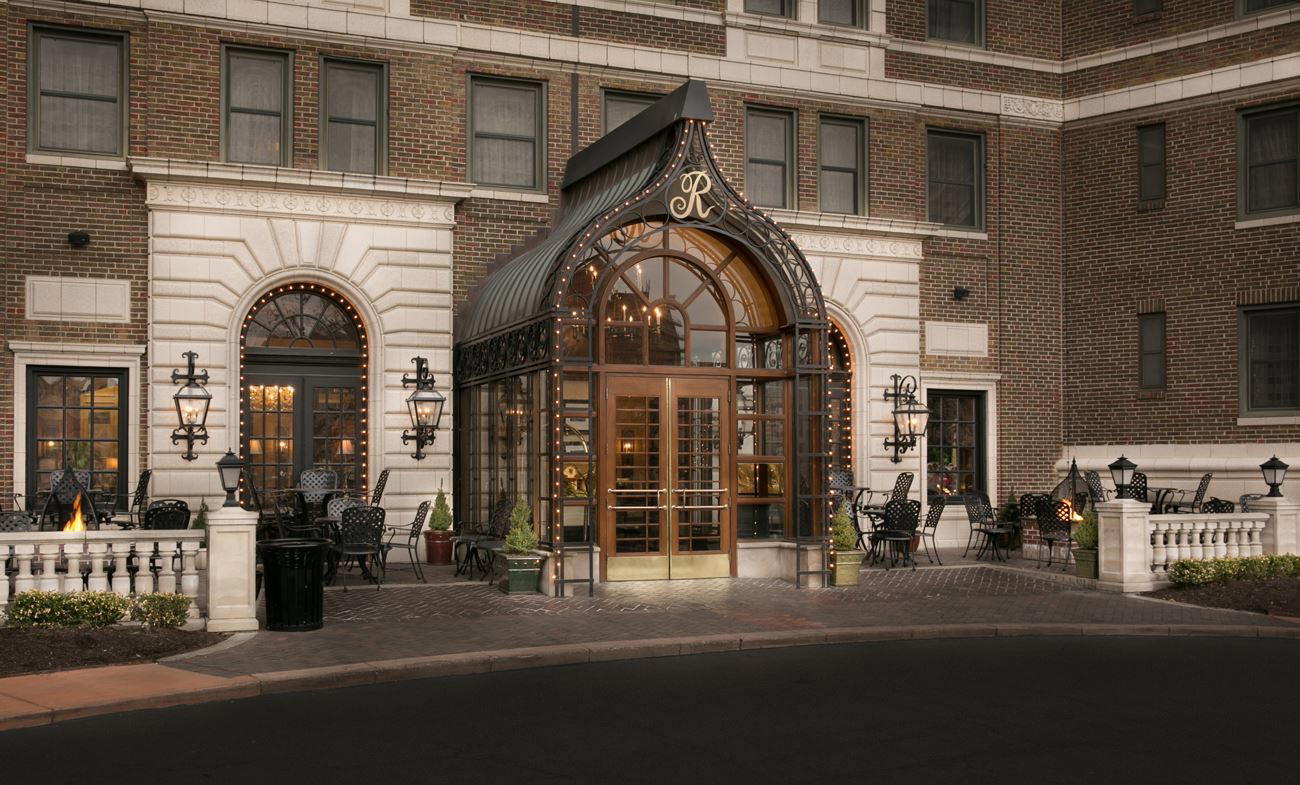
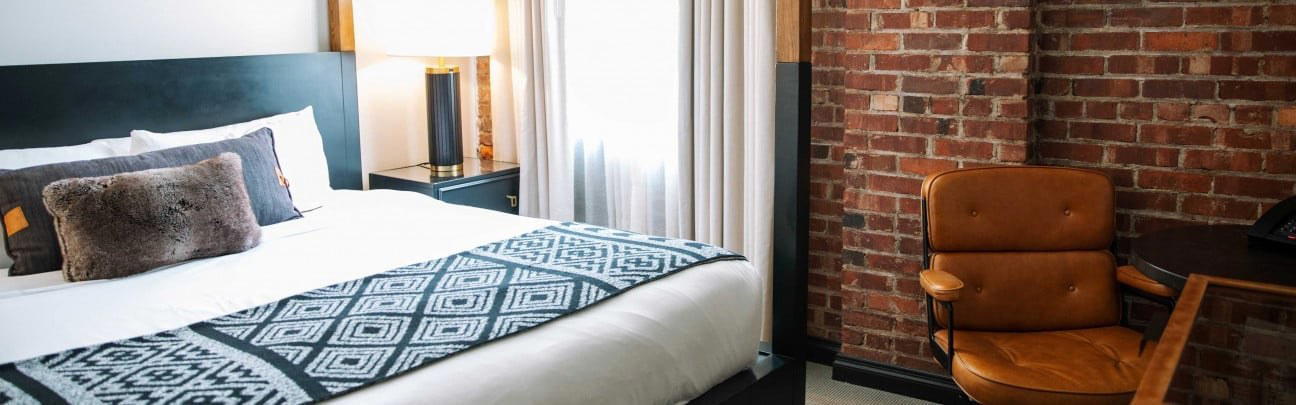
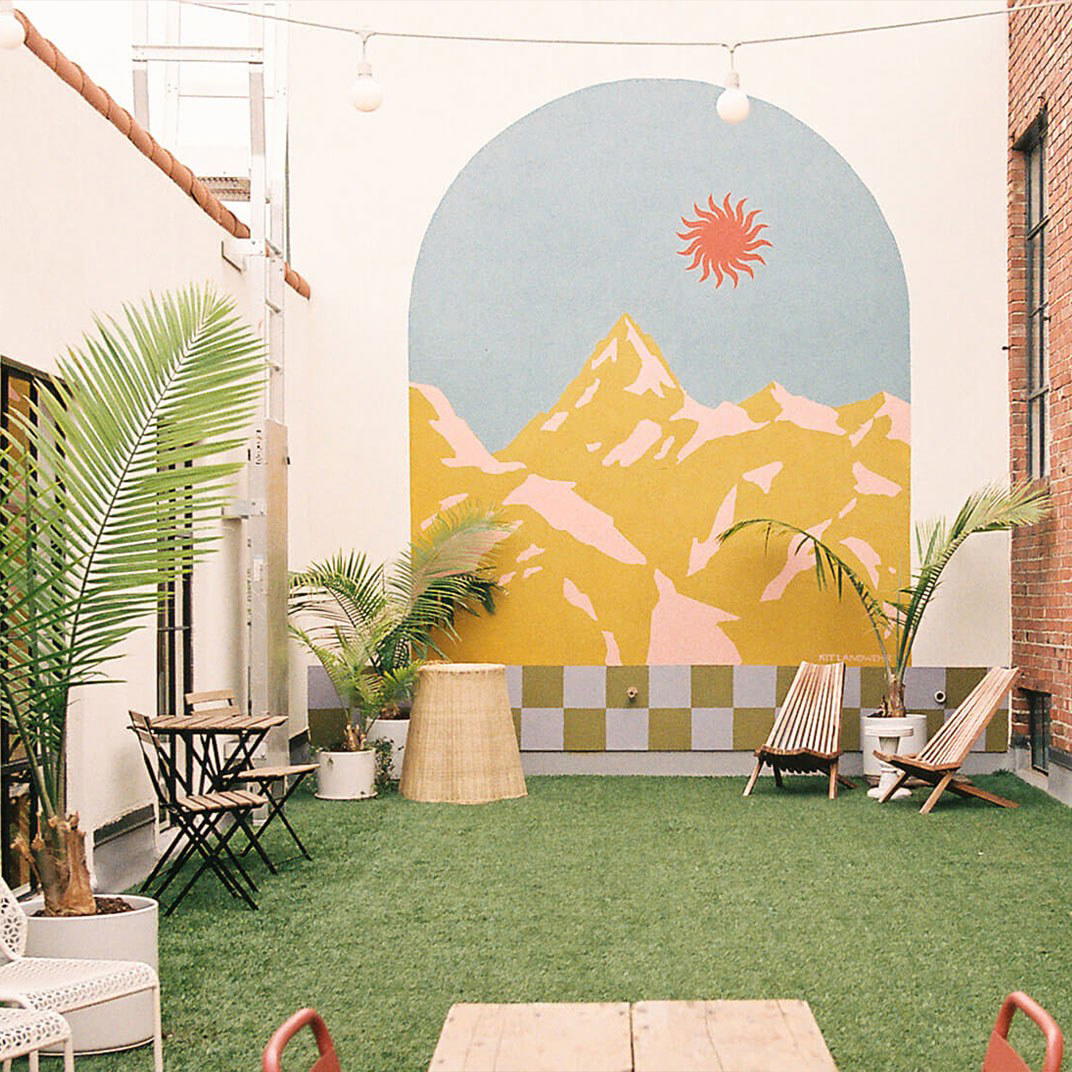
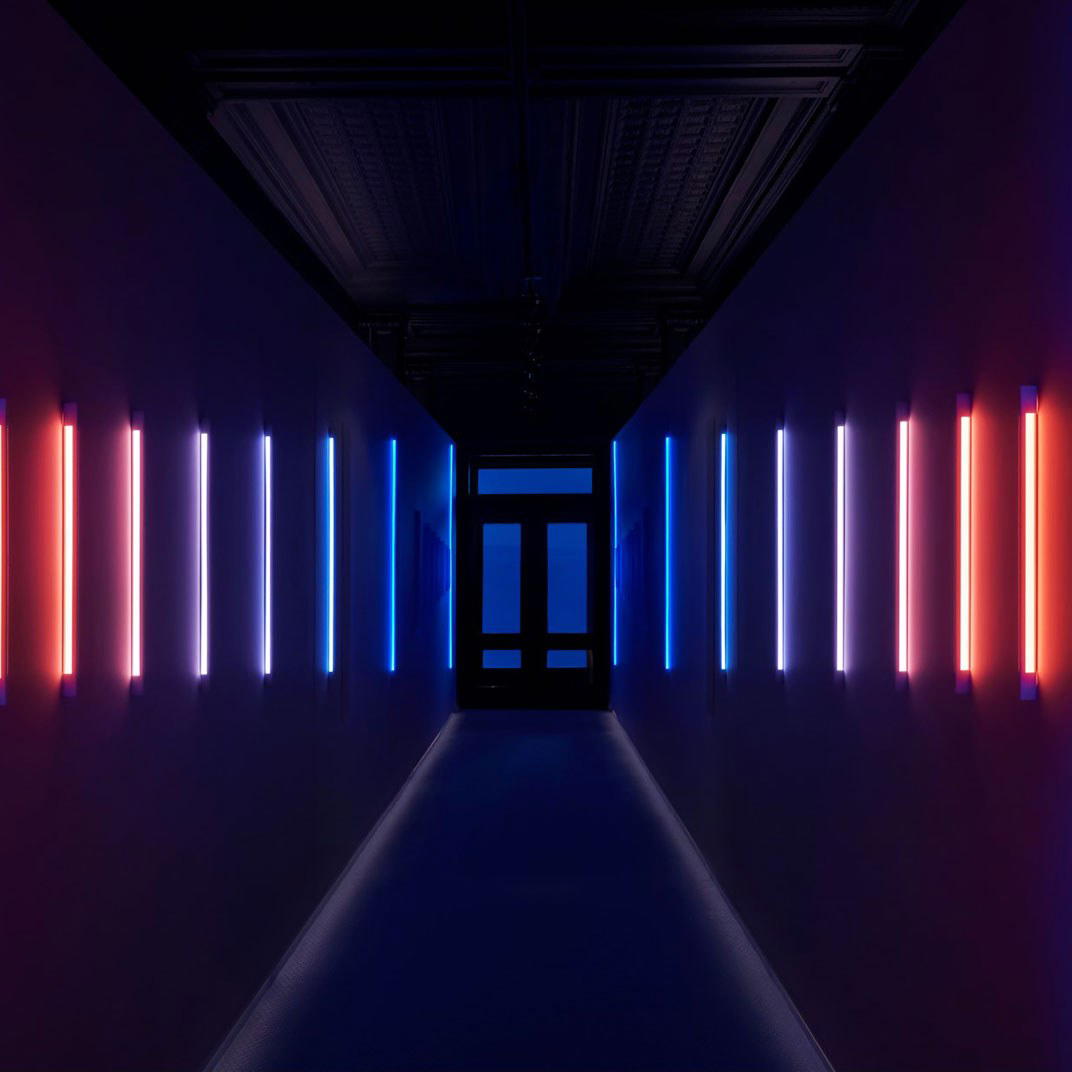
Intimate speakeasy atmosphere evoking prohibition-era rebellion in a beautifully restored historic building.