The Empress
The Empress on Lauriston Road sits in Victoria Park Village, one of East London's most food-serious neighbourhoods. The kitchen draws on ingredient-led cooking in a tradition that prizes sourcing discipline over spectacle, placing it within a growing tier of London restaurants where provenance drives the menu rather than decorates it. Advance booking is advisable, particularly for weekend sittings.
Pearl is the En Primeur Club membership app — saves, bookings, and concierge access live there. Same editors, same standards.
- Address
- 130 Lauriston Rd, London E9 7LH, United Kingdom
- Phone
- +44 20 8533 5123
- Website
- empresse9.co.uk
- Directions
- Get directions
 Saves & bookings on Pearl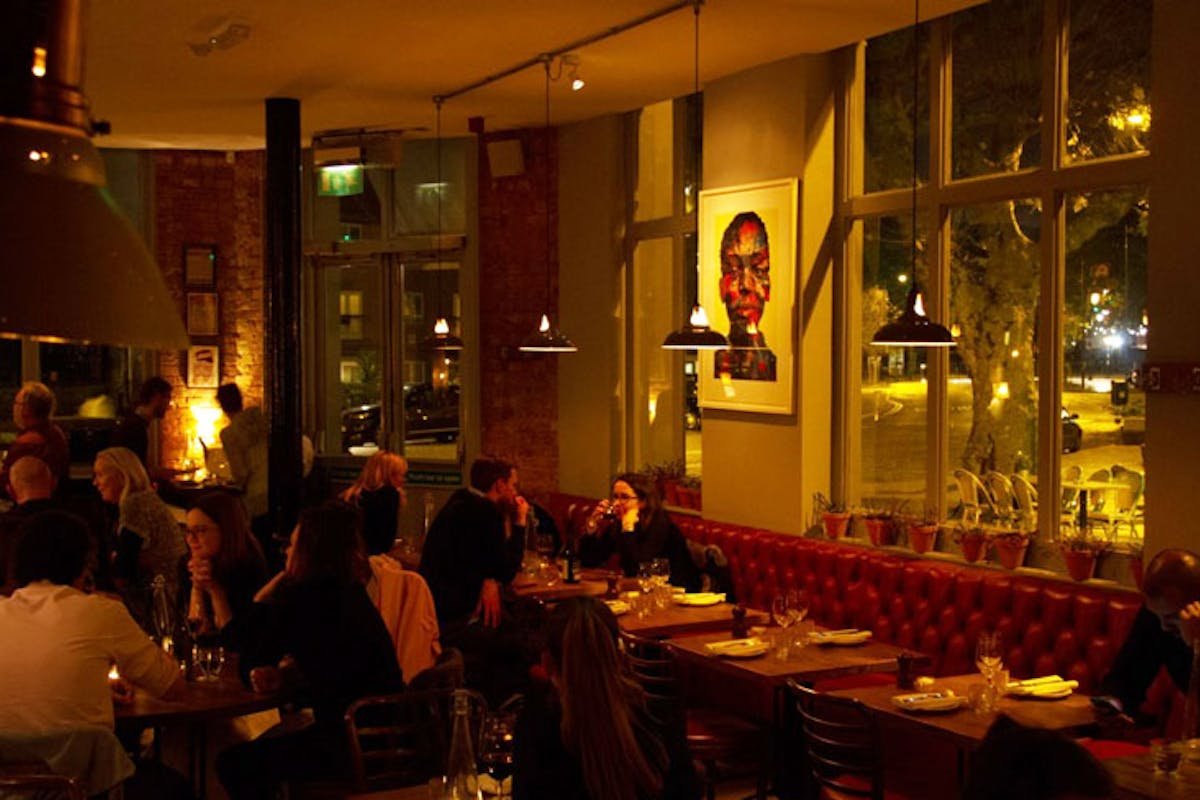
East London's Sourcing-Led Cooking, and Where The Empress Fits
If you eat at one neighbourhood restaurant in East London this season, make it The Empress on Lauriston Road. That recommendation isn't made lightly in a city where Victoria Park Village has quietly become one of the more serious patches for ingredient-driven cooking outside the centre. The area sits east of the park, away from the Michelin circuit's gravitational pull around Mayfair and Notting Hill, which means restaurants here tend to earn their reputation through cooking rather than address. The Empress belongs to that tradition.
London's premium dining map has long been drawn along a west-to-central axis. The £££-£££££ tier clusters around venues like CORE by Clare Smyth, The Ledbury, and Sketch, The Lecture Room and Library, all operating at the ££££ bracket with the awards infrastructure to match. East London's serious restaurants occupy a different niche: less ceremony, more focus on what arrives on the plate and where it came from. The restaurant is a clean example of that positioning.
The Sourcing Argument: Why Provenance Drives the Menu
Ingredient sourcing has become the defining editorial line in British restaurant culture over the past decade. What started as a farm-to-table talking point at rural destination restaurants, L'Enclume in Cartmel and Moor Hall in Aughton being particularly cited examples, has filtered into urban neighbourhood cooking. The logic is the same whether the dining room has forty covers or four hundred: if the sourcing is right, the kitchen's job is largely one of restraint rather than transformation.
Victoria Park Village sits close enough to East London's network of independent suppliers, weekly markets, and small-scale importers to make short supply chains a practical reality rather than a marketing position. Restaurants in this neighbourhood that commit to sourcing discipline tend to rotate menus seasonally and maintain relationships with a small number of producers rather than drawing from broad wholesale lists. The menu at the restaurant reflects this orientation: dishes are built around what is available and in condition, not what is consistent year-round.
That approach places the restaurant in a different competitive frame from the destination rooms further west. Dinner by Heston Blumenthal and Restaurant Gordon Ramsay operate with the infrastructure of large groups and the purchasing power that follows. Neighbourhood kitchens depend on proximity and relationship. The trade-off is that what arrives in the dining room on a Tuesday in November will be genuinely different from what arrived in July, which is either a feature or an inconvenience depending on how you eat.
The Room and the Rhythm of Service
The Victoria Park Village strip has a specific character: Georgian and Victorian terraces converted into pub-restaurants and small independent dining rooms, where the line between gastropub and proper restaurant has been deliberately blurred. The restaurant at 130 Lauriston Road sits within that grain. The format is closer to the better-quality British pub-dining tradition than to formal restaurant service, which means the room functions across different occasions without requiring the diner to commit to a full tasting format.
That flexibility matters in a neighbourhood context. The east London dining scene attracts a different crowd from the expense-account rooms of W1: regulars who eat locally several times a week, food professionals who live nearby, and a younger demographic that treats restaurants as an extension of the neighbourhood rather than a destination event. The restaurant is built for repeat visits, which is both a constraint on ambition and a discipline that keeps the cooking honest.
For comparison, the destination-restaurant model represented by Gidleigh Park in Chagford or Le Manoir aux Quat' Saisons in Great Milton is built around single visits of high ceremony. The restaurant operates on the opposite logic: lower ceremony, higher frequency, with sourcing quality as the constant. Both models are legitimate; they answer different questions.
How The Empress Sits Among Its Peers
Within the broader British restaurant conversation, ingredient-sourcing-led cooking has earned its most serious recognition in rural or semi-rural settings. The Fat Duck in Bray and Hand and Flowers in Marlow both demonstrate that restaurants outside London can anchor a destination visit around food quality alone. Urban neighbourhood restaurants face a harder version of that challenge: the city offers too many alternatives for a single restaurant to own its postcode on reputation alone. The ones that endure do so by building a local identity that makes the question of whether to go somewhere else feel slightly disloyal.
Internationally, the sourcing-first model has strong parallels. Le Bernardin in New York City built its reputation on fish sourcing so precise that the cooking method became secondary. Atomix in New York City extended the same logic to Korean produce and fermentation. The through-line is the same: when sourcing is the primary editorial commitment, the menu becomes a document of the season rather than a fixed statement of the kitchen's identity.
Planning Your Visit
| Detail | The restaurant | Comparable Central London (e.g. The Ledbury, CORE) |
|---|---|---|
| Location | Victoria Park Village, E9 | Notting Hill / Chelsea / Mayfair |
| Price bracket | Not confirmed, check directly | ££££ (tasting menus from £150+) |
| Typically 2 to 3 months ahead | ||
| Format | Neighbourhood pub-restaurant | Formal tasting menu or à la carte |
| Dress code | Casual to smart casual | Smart casual to formal |
| Michelin-starred (multiple) |
The restaurant is at 130 Lauriston Road, London E9 7LH. The nearest overground station is Hackney Central, with Cambridge Heath also walkable depending on direction. Victoria Park itself is a two-minute walk, which makes early evening visits in the warmer months a natural combination with time in the park.
A Pricing-First Comparison
Comparable venues nearby, for context on price, style, and recognition.
| Venue | Cuisine | Price | Notes |
|---|---|---|---|
| The EmpressThis venue — the venue you are viewing | South Hackney, British Gastropub | $$ | Not listed |
| The Pear Tree | Not listed | $$ | Deptford, Australian-Inspired Brunch & Dinner |
| Rock and Sole Plaice | Not listed | $$ | St Giles, Traditional British Fish & Chips |
| The Table Cafe | Bankside, British Brunch Cafe | $$ | Not listed |
| Toffs | Not listed | $$ | Muswell Hill, Traditional British Fish and Chips |
| Nutbourne Bar and Restaurant, Battersea | Not listed | $$ | Battersea, Farm-to-Table British Brasserie |
Continue exploring
More in London
Restaurants in London
Browse all →
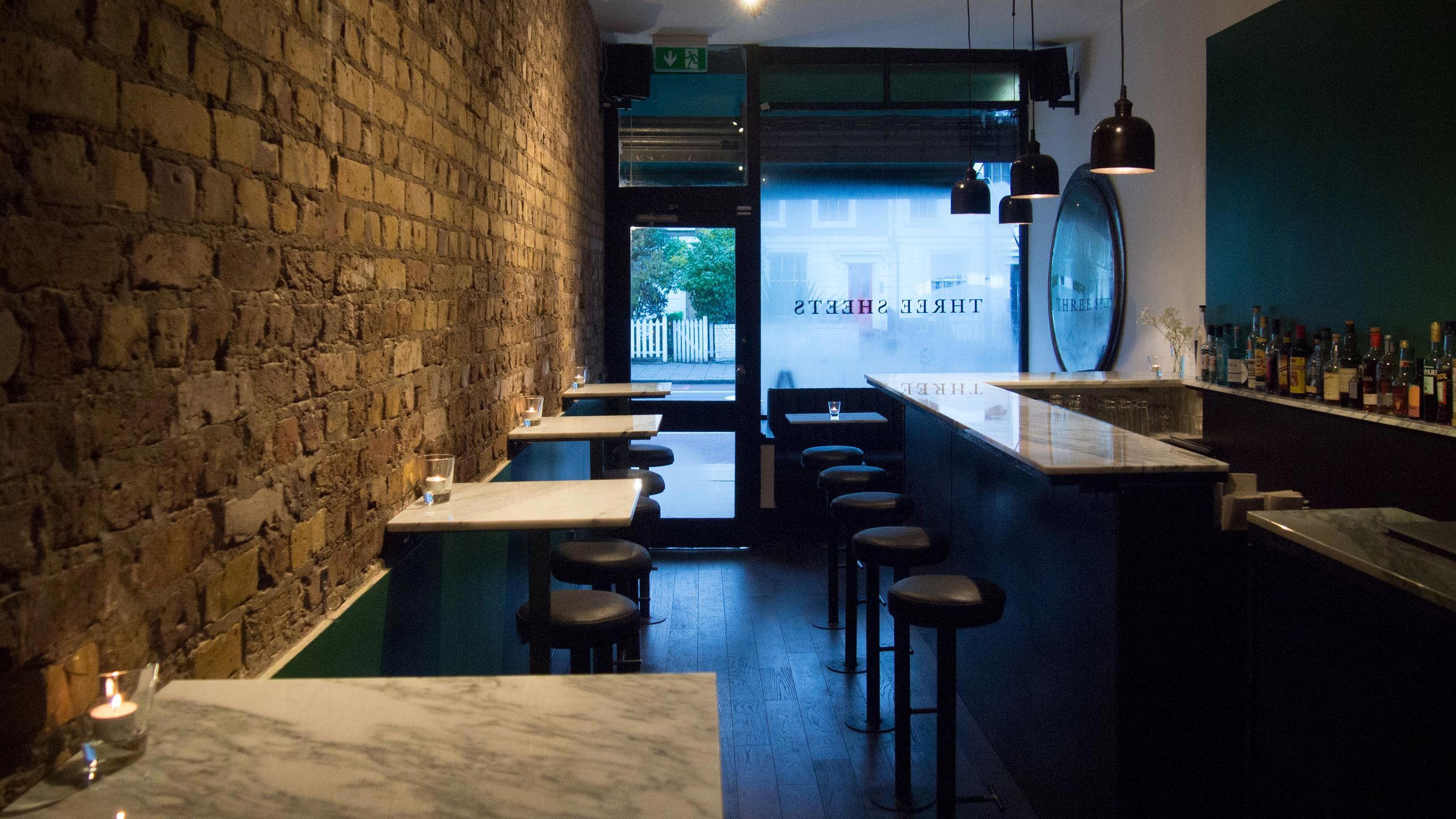
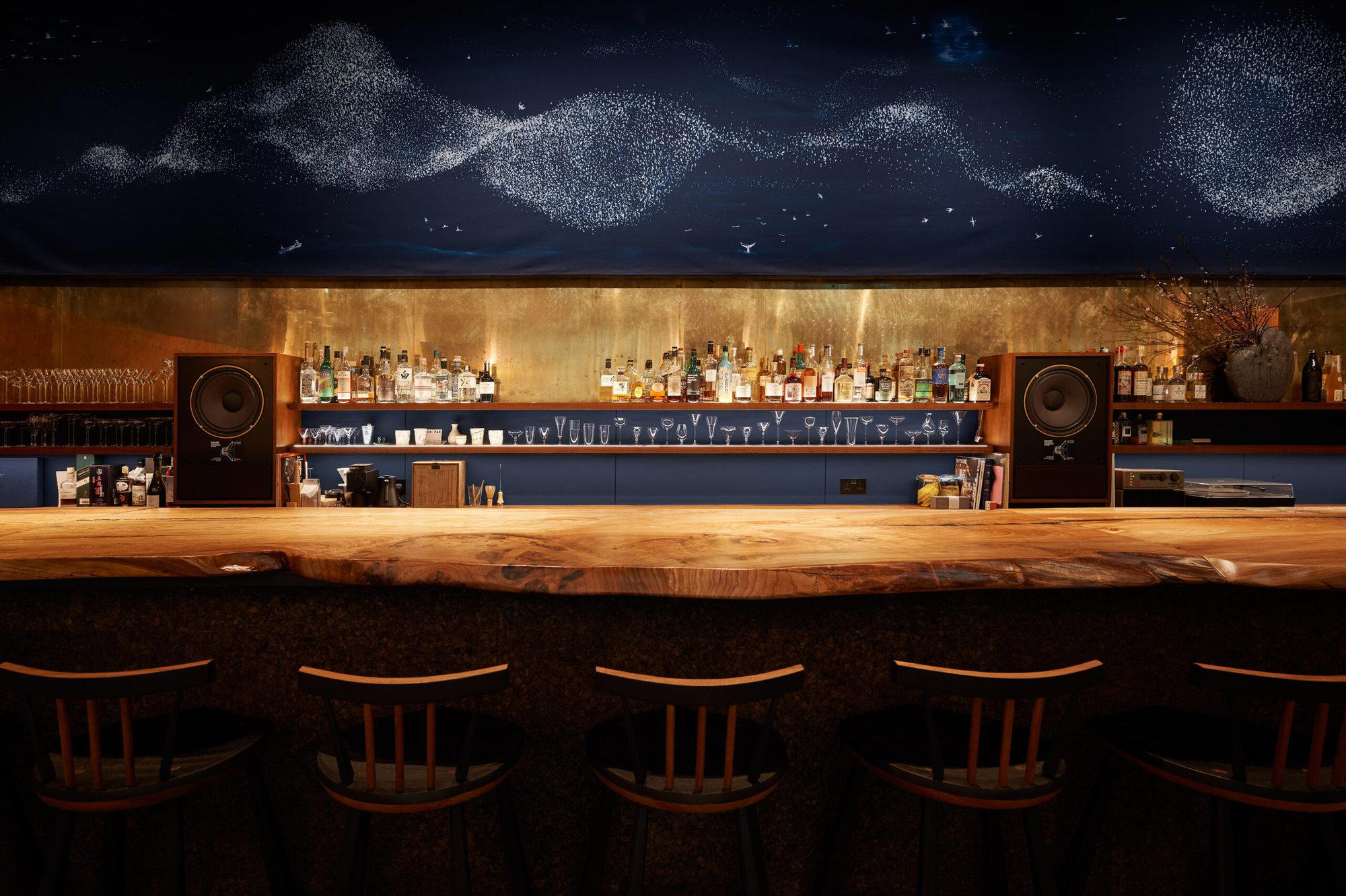
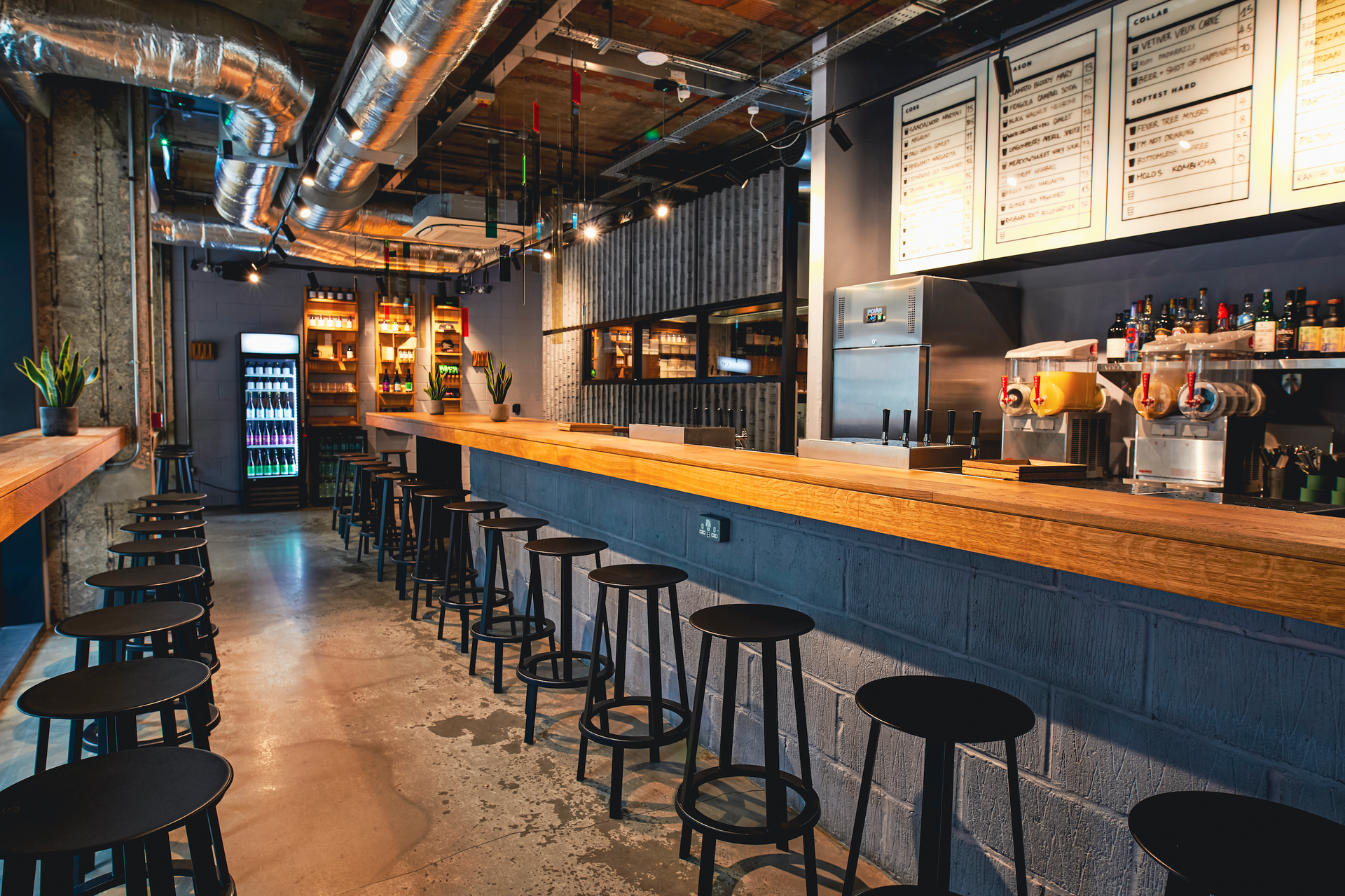
Bars in London
Browse all →
Hotels in London
Browse all →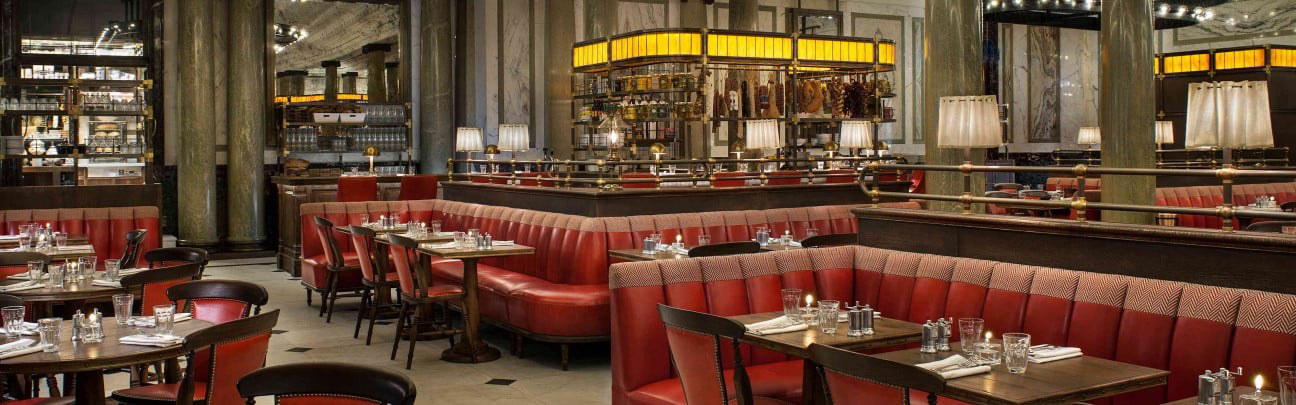


At a Glance
- Lively
- Cozy
- Classic
- Brunch
- Family
- Group Dining
- Standalone
- Local Sourcing
Current opening hours
- Monday
- 4–11 PM
- Tuesday
- 12–11 PM
- Wednesday
- 12–11 PM
- Thursday
- 12–11 PM
- Friday
- 12–11 PM
- Saturday
- 12–11 PM
- Sunday
- 12–10 PM
Hours can change for holidays and private events. Last verified .
Bubbly and welcoming with a mix of seating including couches and tables, though hard surfaces make it loud when full.