Our verdict
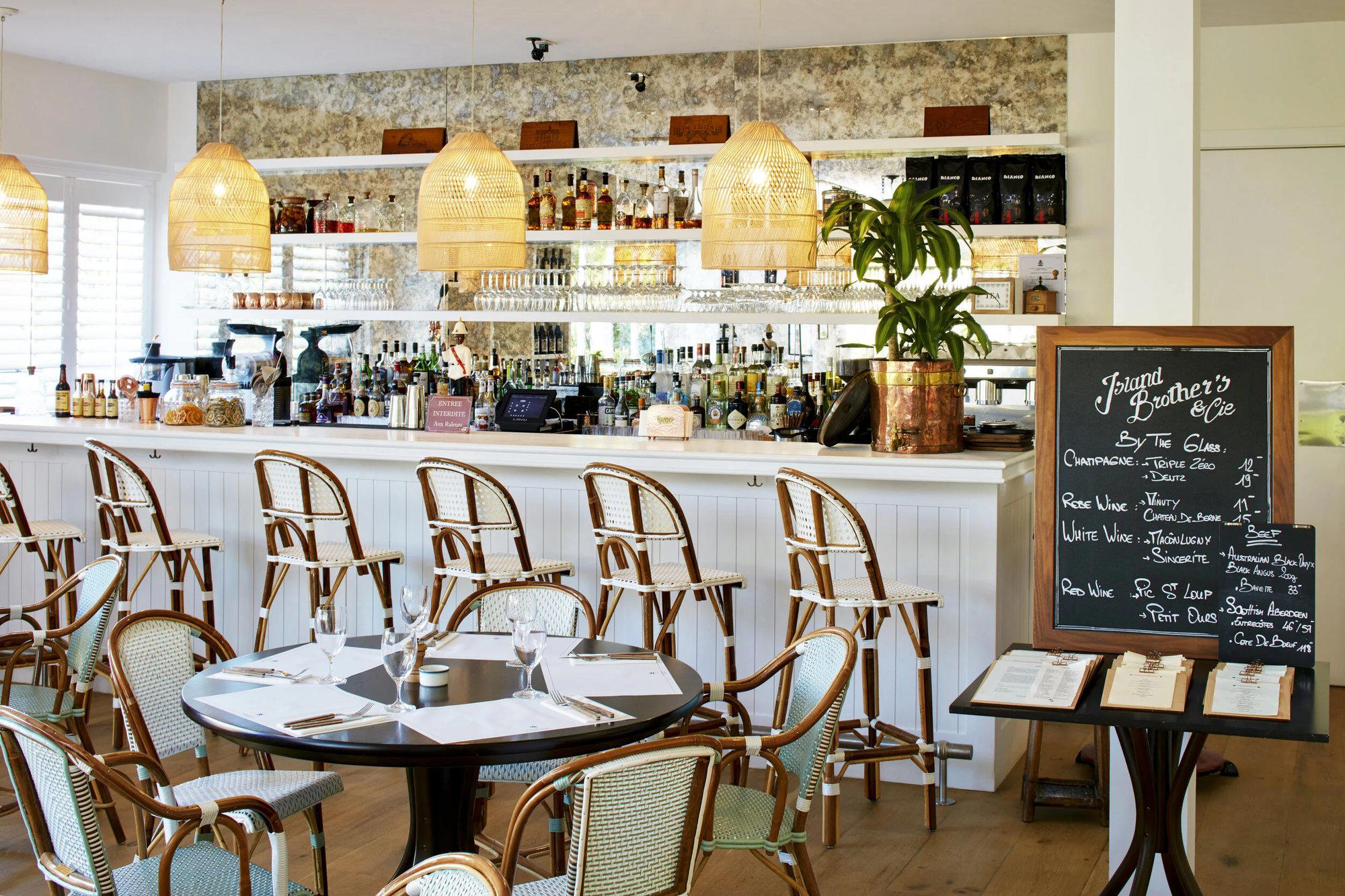
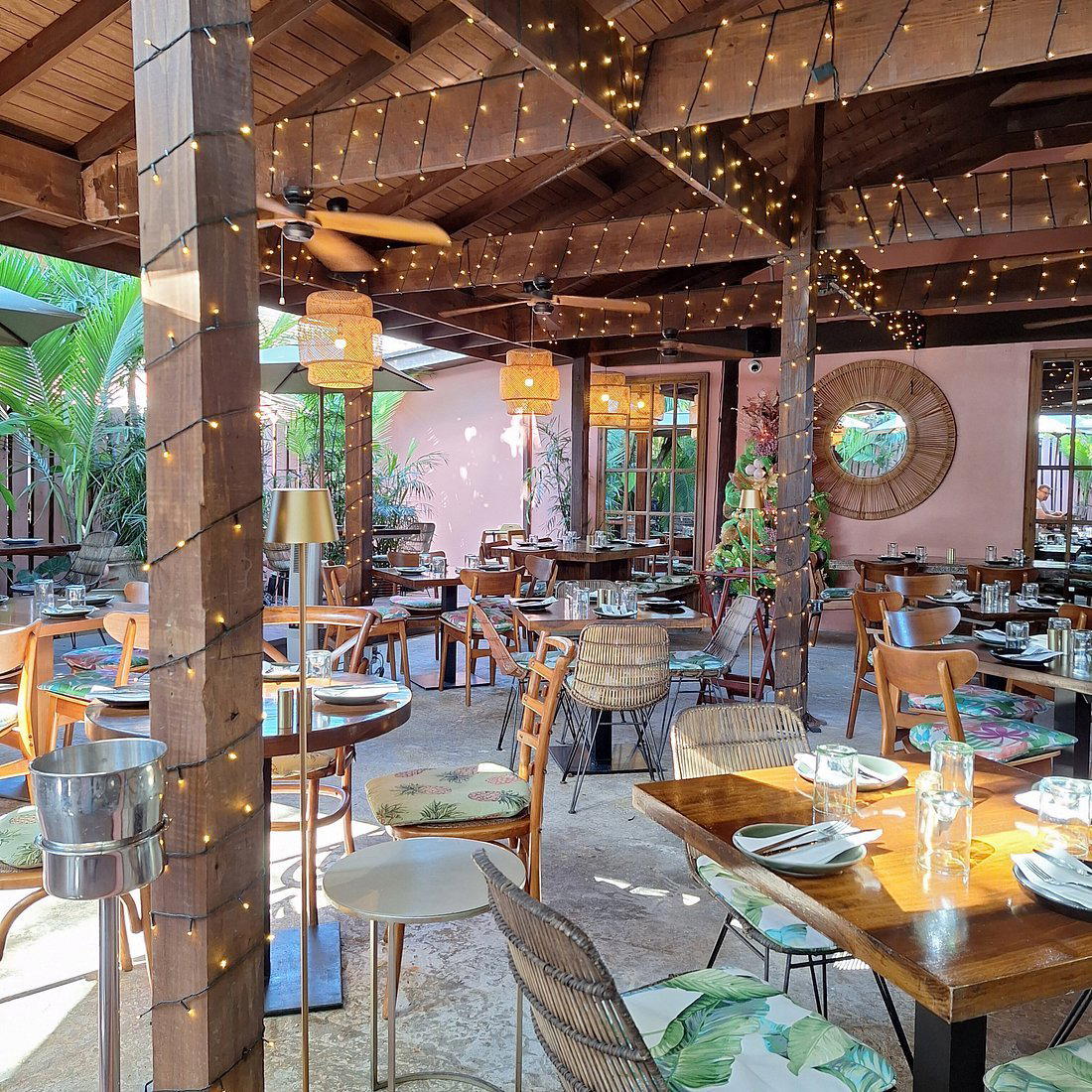
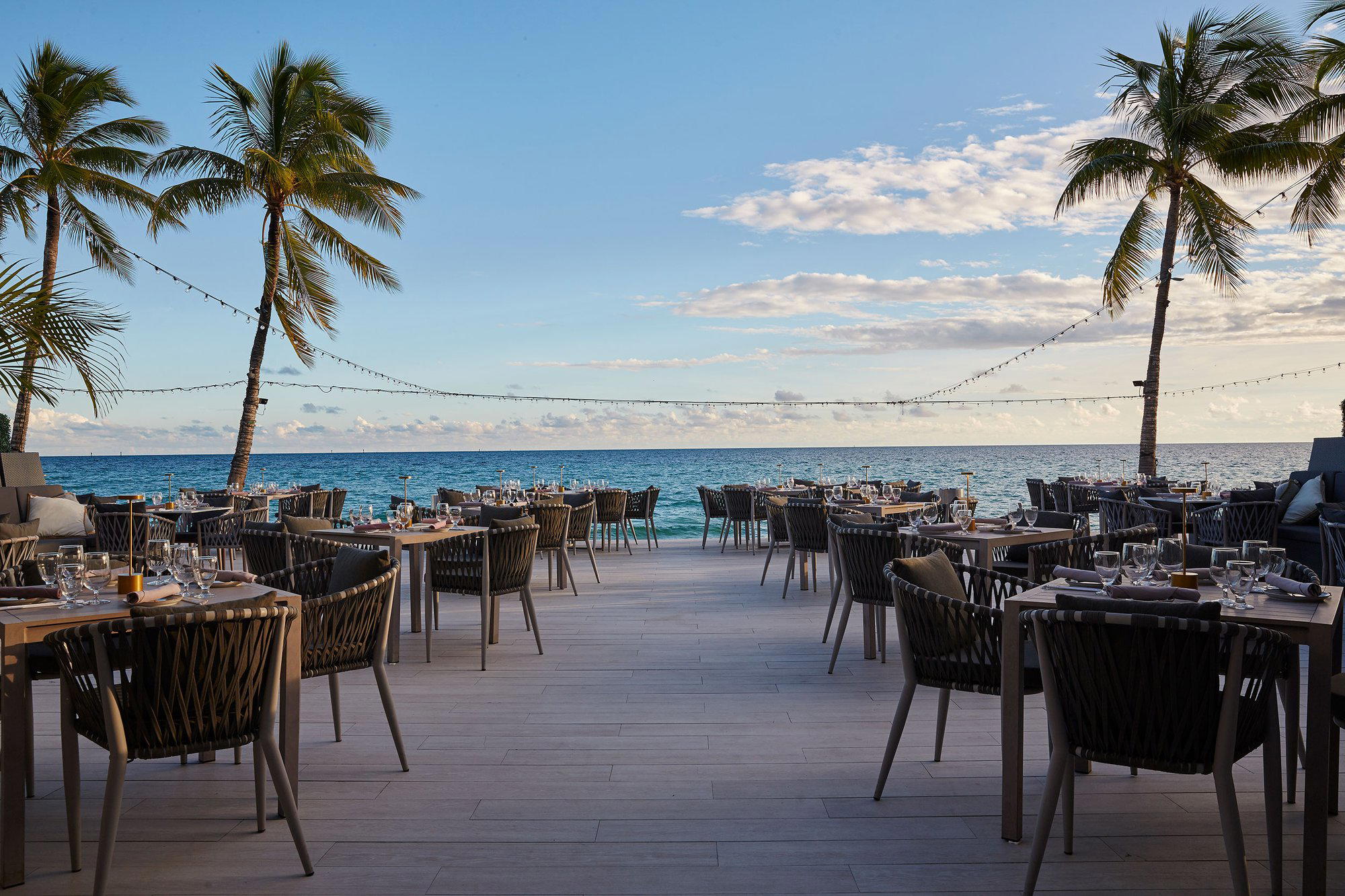
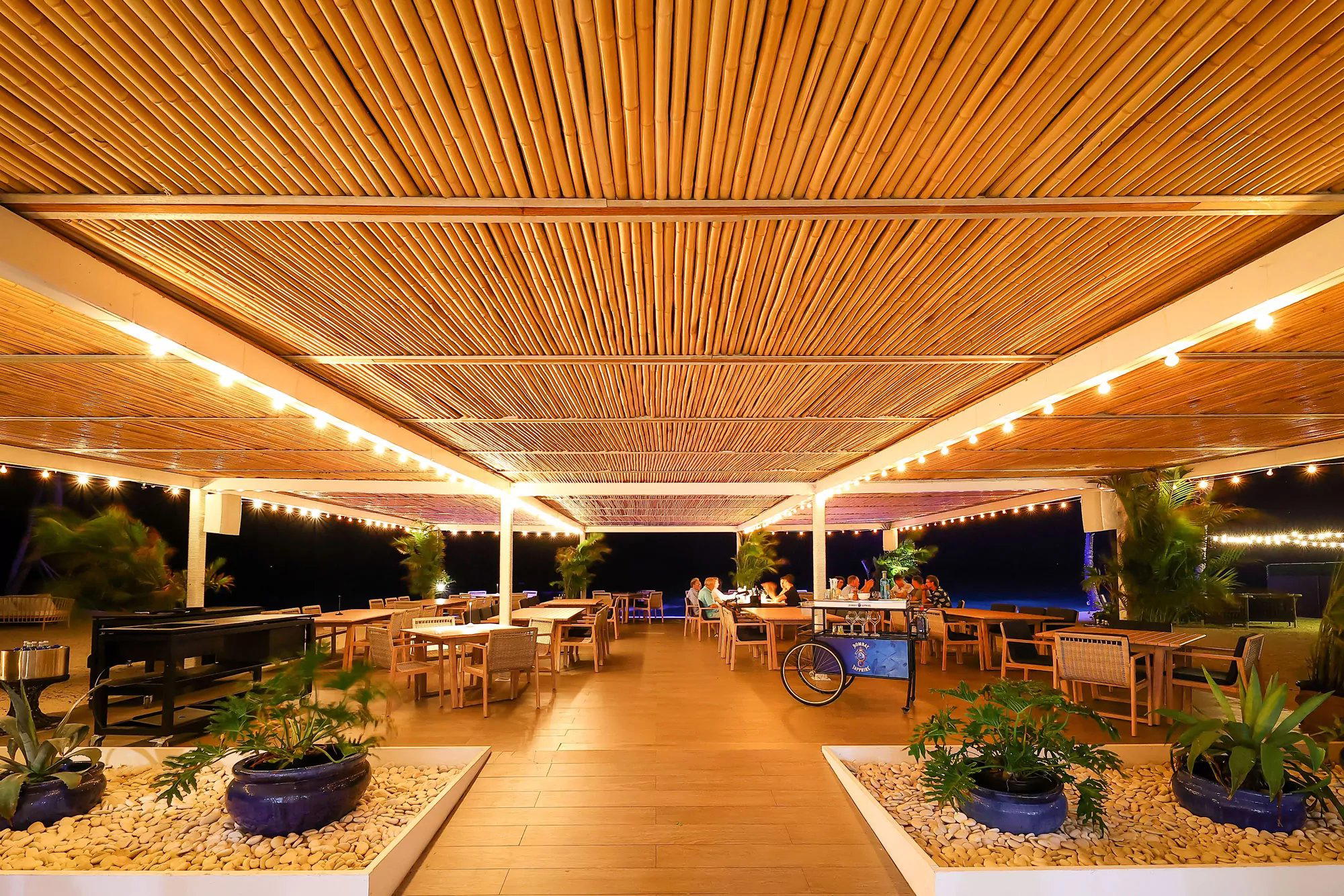
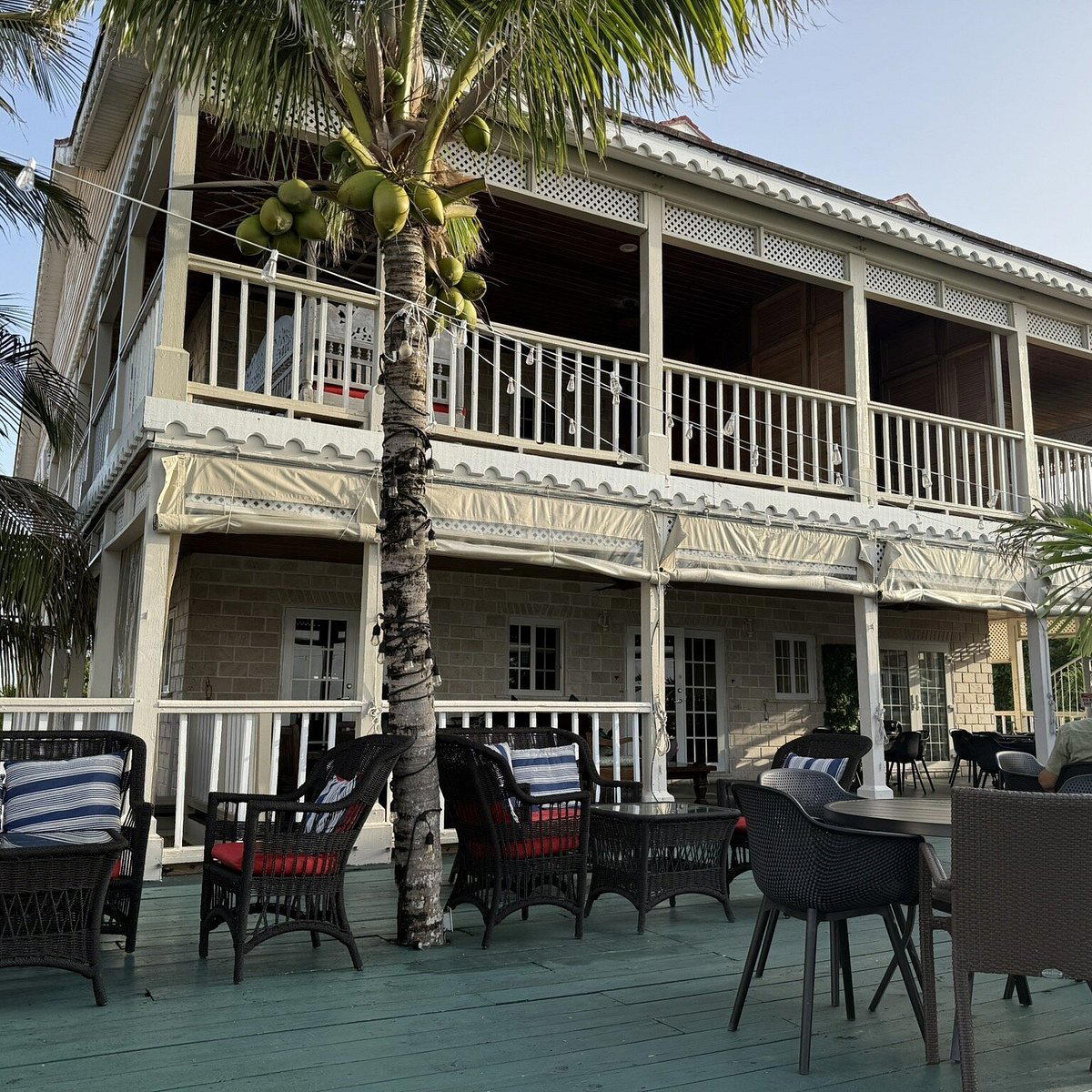
Positioned at Lyford Cay Marina on Nassau's western shore, The Captain's Table occupies one of the Bahamas' most storied marina dining addresses. The setting places it squarely within the tradition of Caribbean yacht-club dining, where the water is as much a part of the experience as the kitchen. Advance contact is advisable before visiting.

Pearl is the En Primeur Club membership app, where members save venues, book tables and use the concierge.
The menu
What to order
- Cracked Conch
- Captain's Burger
- Conch Fritters
Where the Harbour Defines the Table
Lyford Cay Marina has a particular quality in the late afternoon: the light flattens across the water, the rigging on the moored boats ticks in the breeze, and the boundary between dining and seafaring dissolves almost entirely. The Captain's Table sits within that context, at Harbour Road along one of Nassau's most established private marina addresses. This is not the tourist-facing dining corridor of downtown Nassau or the resort buffet circuit of Cable Beach. Lyford Cay represents a distinct register of Caribbean waterfront life, one built around long-stay yachting culture, private membership, and the kind of unhurried pace that follows a week at sea.
Marina dining in the Caribbean carries a specific cultural logic. Historically, harbour-side restaurants in port cities served practical functions: provisioning the crews of trading ships, feeding the captains who negotiated cargo, and eventually becoming social anchors for the communities that grew up around the docks. Nassau's position as a transit point across centuries of Atlantic movement gave its harbour restaurants a particular depth of character. The Captain's Table name draws from exactly this tradition, where the captain's table aboard a ship was the seat of authority, discretion, and the leading provisions available.
Nassau's Marina Dining in Context
Nassau's restaurant scene has diversified considerably over the past decade, splitting across several distinct tiers and settings. The downtown and Over-the-Hill neighbourhoods hold the city's most culturally rooted Bahamian cooking, while the resort corridor at Paradise Island runs toward high-production international dining, with venues like Cafe Boulud Bahamas and Café Martinique anchoring the upper end. Against that backdrop, western Nassau's marina addresses operate as a separate cohort, less visible to short-stay visitors, more embedded in the rhythms of the sailing and yachting communities that use them as a home port.
That positioning matters when reading The Captain's Table. Venues in this tier compete less on media recognition or Michelin proximity and more on consistency for a repeat clientele. The guests arriving by water rather than by taxi set different expectations: familiarity over novelty, reliability over spectacle. Across the Bahamian islands, this pattern repeats at places like the Staniel Cay Yacht Club, which has served the yachting community around the Exumas for decades, or the more informal Pete's Pub and Gallery in Little Harbour, where the bar has operated continuously as a gathering point for sailors and sport fishermen. The Captain's Table fits within this broader tradition of marina hospitality as an institution of the water rather than the street.
Bahamian Culinary Roots and Caribbean Seafood Tradition
The cultural context of any Nassau restaurant operating near the water runs directly through the Bahamian seafood canon. Conch, in its many preparations, sits at the centre of that tradition: cracked and fried, served raw as salad, or stewed in ways that trace back to the fishing communities of the Out Islands. Rock lobster from the waters of the Bahamas Bank is another pillar, differing from the clawed North Atlantic varieties in texture and in how it absorbs preparation. Grouper, snapper, and mahi-mahi round out a repertoire that has centuries of local practice behind it.
What distinguishes marina-adjacent restaurants from the broader seafood dining market in Nassau is sourcing proximity. A restaurant at Lyford Cay Marina operates within reach of both sport fishing vessels returning with day's catch and the commercial fishing boats that work the surrounding waters. This geography creates conditions where the gap between the ocean and the plate can be genuinely short, a structural advantage that the leading waterfront restaurants across the Caribbean have always understood and which their inland peers cannot replicate. For context on how Caribbean seafood tradition translates into formal fine dining further afield, the work at Le Bernardin in New York City represents one reference point for how rigorous seafood cookery earns sustained recognition, while Emeril's in New Orleans illustrates how regional port-city cooking can carry significant cultural authority.
The Lyford Cay Setting
Lyford Cay itself is worth understanding as a location, because it shapes what dining there means. Developed from the late 1950s as a private residential community on Nassau's western tip, it attracted a cohort of internationally mobile residents and long-stay visitors for whom discretion and quality of daily life mattered more than visibility. The marina that grew alongside it became a natural provisioning and social hub for this community. Dining at The Captain's Table is, in this sense, dining within a specific social geography: western Nassau's quieter, more private side, rather than the high-traffic resort zones that dominate most visitors' experience of the island.
For travellers comparing Nassau dining options across different registers, the city's more formally positioned restaurants, including Café Matisse, Café Coco, and Cafe Bombay, offer different entry points into Nassau's dining character. The Captain's Table occupies a distinct niche within that set, one defined by location and the culture of its immediate surroundings rather than by formal credentials or media profile. Our full Nassau restaurants guide maps the city's dining across all these categories.
Planning a Visit
The Lyford Cay Marina address means that visitors arriving by road should account for western Nassau's traffic patterns, particularly during morning and evening peak periods when the causeway and Harbour Road can slow significantly. Those arriving by water have a more direct approach. Because venue-specific details including hours, current pricing, and booking arrangements are not published in a verifiable form at the time of writing, direct contact with the venue before visiting is the practical advice here. This applies especially to visitors with dietary requirements or those planning for groups, where advance communication removes uncertainty. Across the Bahamian islands, marina restaurants of this type tend to observe seasonal rhythms tied to the yachting calendar, with peak activity running through the northern hemisphere winter months when Caribbean cruising traffic is at its highest. Shoulder periods in summer may bring reduced hours or service formats, making a phone call or email before arrival a worthwhile precaution.
Frequently asked questions
How do I find The Captain's Table?
The Captain's Table is located at Harbour Road Lyford Cay Marina, Nassau, Bahamas, Nassau.
Is The Captain's Table suitable for a dinner visit arriving by boat at Lyford Cay Marina?
The Harbour Road, Lyford Cay Marina address positions The Captain's Table as one of the few Nassau dining options with direct marina access, making it a logical stop for those arriving by water on the western side of New Providence. Nassau's western marina corridor sees considerable private yacht and charter traffic, and a restaurant at this address serves that arrival pattern more directly than downtown or Cable Beach alternatives. Confirm current docking arrangements and hours with the venue before planning a waterside arrival.
What do people recommend at The Captain's Table?
Given the Lyford Cay Marina address and Nassau's deep-rooted seafood tradition, the direction at a harbour-front venue like this runs through Bahamian staples: conch preparations, local fish, and catch-driven plates. The waterfront setting at Harbour Road shapes the menu focus toward what arrives off the boats nearby. Specific current dishes are best confirmed directly with the venue before visiting.
Can I walk in to The Captain's Table?
The Lyford Cay Marina location places The Captain's Table on the western end of Nassau, a destination you arrive at deliberately rather than pass through.
What is The Captain's Table known for?
The Captain's Table is associated with the Lyford Cay Marina setting on Harbour Road, one of Nassau's more considered waterfront addresses. Dining there sits within the tradition of Bahamian marina restaurants where the proximity to the water informs the kitchen's sourcing priorities. Lyford Cay as a location carries a longstanding reputation as Nassau's most private and purposefully developed western enclave.
Can The Captain's Table adjust for dietary needs?
No dietary accommodation policy is documented for The Captain's Table at this time. Venues operating within the Bahamian seafood tradition typically work with fish, shellfish, and conch as primary ingredients, which is worth noting if you have shellfish restrictions. Confirming specific requirements directly with the restaurant before your visit is advisable.
Quick Comparison
Comparable venues nearby, for context on price, style, and recognition.
| Venue | Cuisine | Price | Notes |
|---|---|---|---|
| The Captain's TableThis venue (the venue you are viewing) | Mediterranean-Inspired with Bahamian Twists | $30–50 | Not listed |
| The Poop Deck at Sandyport | Authentic Bahamian Seafood | $30–50 | Sandyport |
| Syrah | Mediterranean Small Plates & Global Wine Bar | $30–50 | East Bay Street |
| Latitudes | Fusion Seafood & Steakhouse | $30–50 | Nassau |
| Mi & B's Deli & Bistro | Mediterranean Bistro | $20–30 | Sandyport |
| Kyma Seafood Grill | Greek & Latin Fusion Seafood | $30–50 | western New Providence |