The Basque Market
Our verdict
Boise's Basque Block is one of the most concentrated pockets of Basque culture outside the Iberian Peninsula, and The Basque Market at 608 W Grove St sits at its commercial and culinary center. Part specialty grocer, part casual eating destination, it anchors a neighborhood tradition that stretches back to the Pyrenean shepherds who settled Idaho's high desert in the late nineteenth century.

Pearl is the En Primeur Club membership app, where members save venues, book tables and use the concierge.

Where the Basque Block Comes Into Focus
Approach W Grove Street on a warm afternoon and the shift in atmosphere is immediate. The sidewalk narrows with foot traffic, the smell of cured meats and olive oil drifts from open doors, and the chatter between neighbors carries a cadence that feels distinctly unlike the rest of downtown Boise. This is the Basque Block, a two-block stretch that functions as the cultural and social spine of one of the largest Basque communities in the United States. Historians place the origins here in the 1880s and 1890s, when Pyrenean immigrants arrived to work Idaho's sheep ranges and gradually built a self-sustaining neighborhood around boardinghouses, social clubs, and food traditions carried directly from the Basque Country.
The Basque Market at 608 W Grove St is the block's most accessible entry point for visitors. It operates at the intersection of specialty retail and casual hospitality, offering imported Basque products alongside ready food and drinks in a setting that reads less like a curated food hall and more like a neighborhood institution that happens to welcome strangers.
The Atmosphere Inside
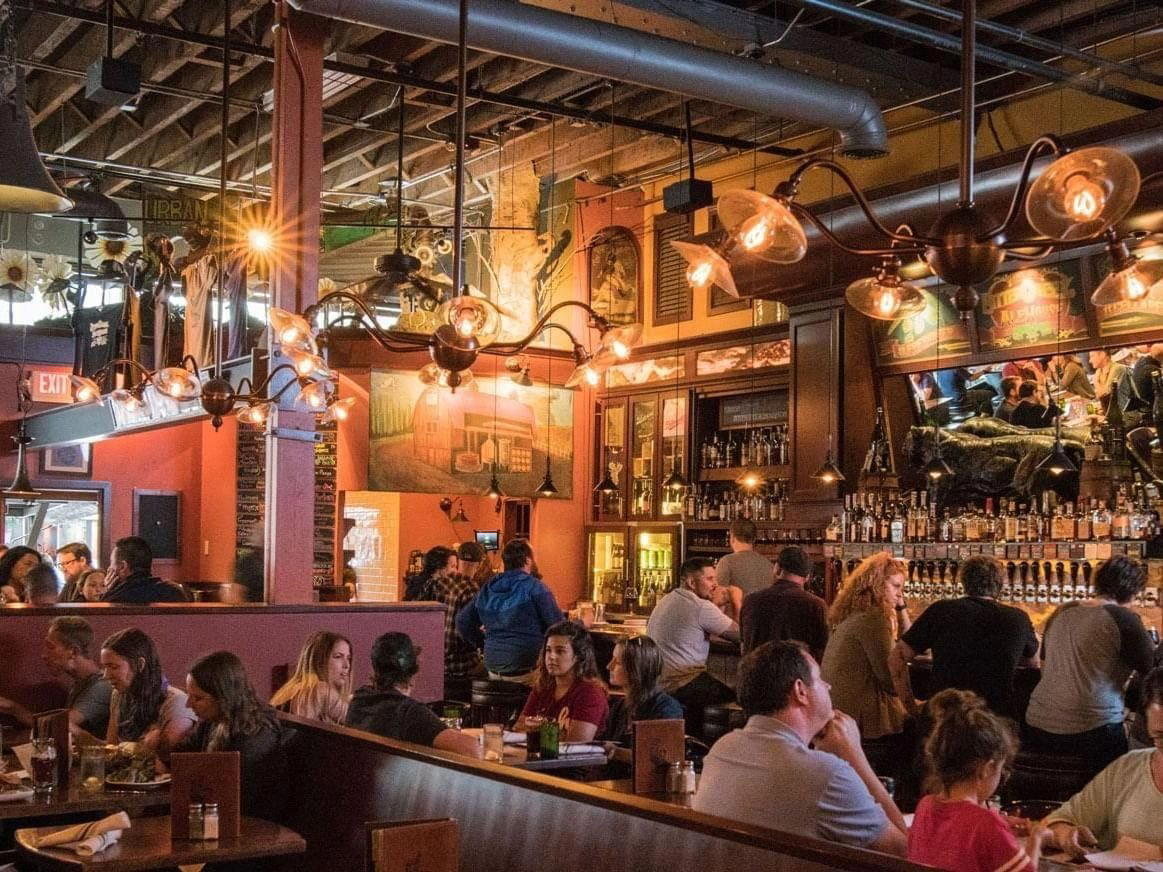
Walking in, the sensory register shifts again. Shelves are stocked with imported tinned fish, txakoli, Idiazabal cheese, and preserved goods sourced from the Basque Country. The counter operates as both a deli and a bar, and the room carries the low hum of a place that locals treat as a daily stop rather than a destination event. There is nothing performative about the space. The walls reference the community's history rather than aestheticizing it, and the scale stays human: this is a room where you stand at the counter, talk to whoever is nearby, and eat something you probably hadn't planned on ordering.
That informality is the point. Basque culture places significant weight on the social dimension of eating and drinking, a tradition expressed in the pintxo bars of San Sebastián and Bilbao and replicated here with considerable fidelity. The pintxo format, small preparations served on bread or skewered and eaten standing at a bar, travels well to this context. It keeps the energy fluid and the spend low, which explains why the Market functions as both a tourist introduction and a genuine local gathering point across seasons.
What This Place Represents in Boise's Food Scene
Boise's restaurant culture has expanded significantly over the past decade, adding concepts in nearly every category from farm-to-table American to ambitious cocktail programs. That growth has made the city more competitive but has also made the Basque Block's durability more notable. While newer openings chase trends, the block's venues operate from a position of cultural specificity that doesn't require reinvention. Bar Gernika, a few steps away on the same block, represents the sit-down, full-service expression of the same tradition. The Market sits at a different register, more casual and more retail-oriented, which gives it a distinct role in the block's overall ecosystem.
Elsewhere in downtown Boise, the drinking and dining scene spans range: ALAVITA and Bittercreek Alehouse represent the craft-focused end of the bar category, while Andrade's Restaurante Mexicano anchors the Latin dining tradition that runs parallel to the Basque community's own immigrant history in the city. Each occupies a different tier and format. The Market doesn't compete with any of them directly because it occupies a category of its own: part cultural institution, part provisions stop, part casual bar.
For a broader view of how these venues sit within the city's food geography, our full Boise restaurants guide maps the scene by neighborhood and category.
Txakoli, Rioja, and What to Drink Here
The drinks program at The Basque Market draws from the same import logic as its retail shelves. Txakoli, the lightly sparkling, high-acid white wine produced along the Bay of Biscay coast, is the anchor pour and the most region-specific choice available. It is served in the traditional manner: poured from height to aerate and create a light froth, then consumed quickly while the carbonation holds. Rioja also features, giving the selection a red wine backbone from a Spanish appellation with which Basque culture has long-standing ties.
The Market doesn't position itself as a cocktail destination in the way that, say, Kumiko in Chicago or Bar Leather Apron in Honolulu operate within their respective cities' technical cocktail tiers. It is not trying to be. The comparison is useful precisely because it clarifies what this place is: a culturally grounded, food-forward drinking environment where the beverage list supports the food tradition rather than operating as an independent program. Programs like Jewel of the South in New Orleans, Julep in Houston, Superbueno in New York City, ABV in San Francisco, and The Parlour in Frankfurt each operate within a cocktail-first identity. The Basque Market operates within a food-culture-first identity, which is a different and equally legitimate premise.
Seasonality and When to Come
Basque Block's event calendar adds another layer to the Market's appeal across the year. The Jaialdi festival, held every five years in Boise and drawing tens of thousands of attendees from across the Basque diaspora, concentrates activity around the block in ways that make it a genuinely different experience from a standard visit. Outside of festival periods, summer afternoons on the block carry a relaxed, neighborhood-social quality that suits the Market's format particularly well: the proximity of outdoor space, the extended daylight hours, and the natural foot traffic from the broader downtown area all feed into the venue's ambient energy. Cooler months shift the dynamic inward, making the retail side of the operation more central and the bar function more deliberately social.
Planning Your Visit
Basque Market is located at 608 W Grove St in downtown Boise, walkable from most central hotels and within easy reach of the broader Grove Street corridor. Given the informal, counter-service format, no reservation is required and the visit scales naturally from a quick stop for provisions to a longer stay at the bar. First-time visitors are leading served by arriving without a fixed agenda: the retail selection rewards browsing, and the food counter operates on the same unpressured timeline as the rest of the experience. Those with specific interest in the community's history will find the nearby Basque Museum and Cultural Center, also on the block, a useful companion stop that gives historical depth to what the Market expresses through food and drink.
Frequently asked questions
What's The Basque Market's location?
The Basque Market is located at 608 W Grove St, Boise, ID 83702, Boise.
What's the must-try drink at The Basque Market?
Txakoli is the reference pour here. The lightly sparkling, high-acid white wine from the Basque Country is central to the drinks program at 608 W Grove St and aligns directly with the Market's import-focused identity. Rioja is the other logical choice for anyone leaning toward red. Neither requires a cocktail list to make the point about where this place is coming from.
What should I know about The Basque Market before I go?
The Market functions as both a specialty retailer and a casual food-and-drink counter on Boise's Basque Block, so what you get depends on how you use it. You can come to browse imported tinned fish, txakoli, and Idiazabal cheese, or you can sit down for counter food and a glass of wine. The two modes coexist in the same space at 608 W Grove St, which means the visit is self-directed rather than structured around a reservation or set format.
Is The Basque Market a good place to buy authentic Basque ingredients in Boise?
It is one of the few retail sources in Idaho for imported Basque provisions, tinned fish, Idiazabal cheese, txakoli, and preserved goods that do not appear on standard grocery shelves. For anyone cooking Basque food at home or looking to understand the pantry behind the cuisine, the retail side of the Market at 608 W Grove St is the practical starting point in Boise.
Comparable Options
Comparable venues nearby, for context on price, style, and recognition.
| Venue | Cuisine | Price | Awards | Notes |
|---|---|---|---|---|
| The Basque MarketThis venue (the venue you are viewing) | Dining | $20–30 | Not listed | Not listed |
| Barbacoa | Latin Fusion Grill with Mexican, Spanish & Caribbean Influences | $50–100 | Not listed | near Garden City |
| Reef | Polynesian Fusion Tiki | $20–30 | Not listed | downtown |
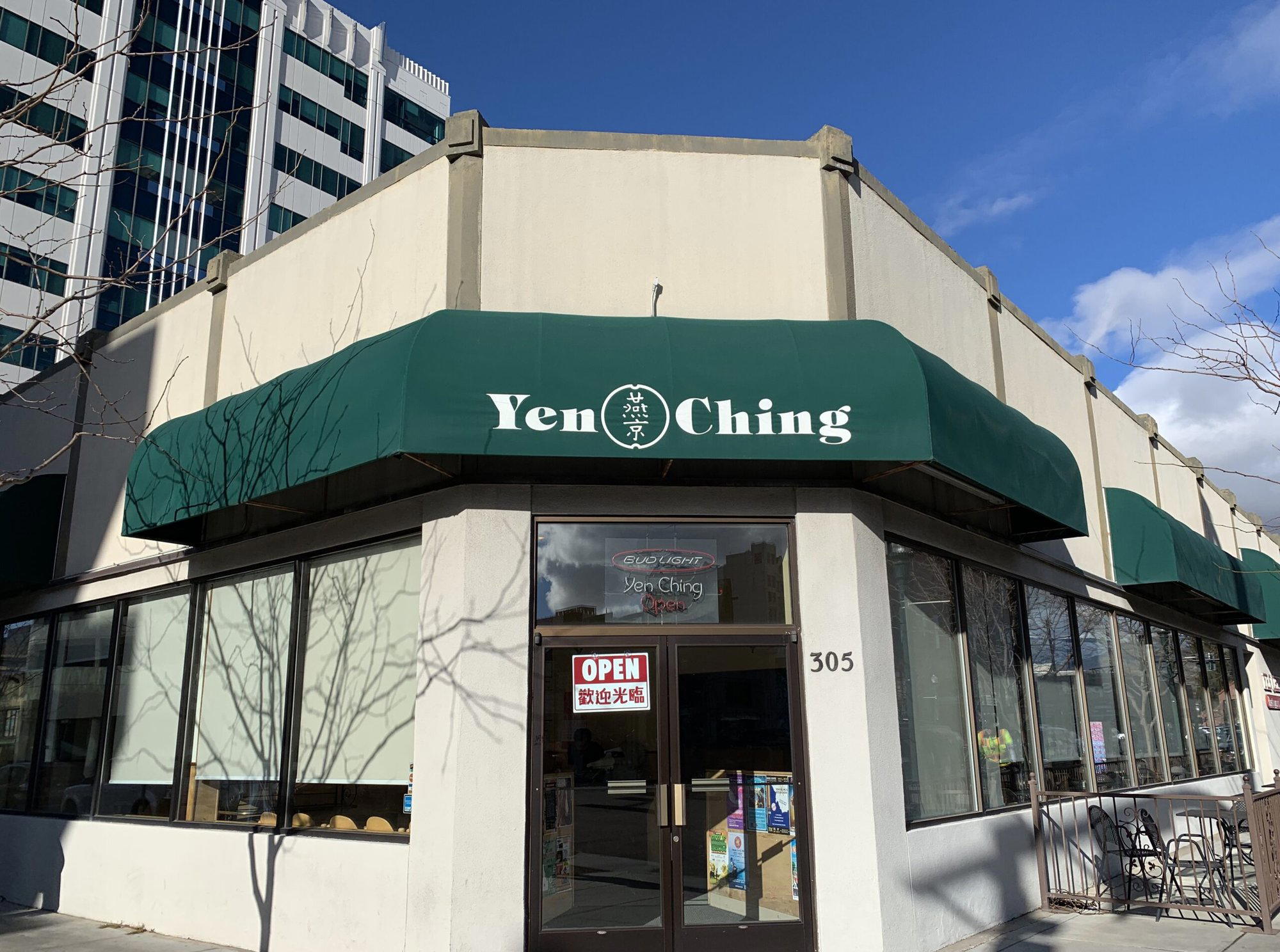
| Yen Ching | Mandarin, Hunan & Sichuan Chinese | $20–30 | Not listed | Downtown |
| Alyonka Russian Cuisine | Authentic Russian Cuisine | $20–30 | Diners, Drive-Ins and Dives Featured Restaurant | Westside |
| Kyoto | Japanese Teppanyaki and Sushi | $20–30 | Not listed | Fairview |
Continue exploring
More in Boise
Restaurants in Boise
All restaurants in Boise →
Bars in Boise
All bars in Boise →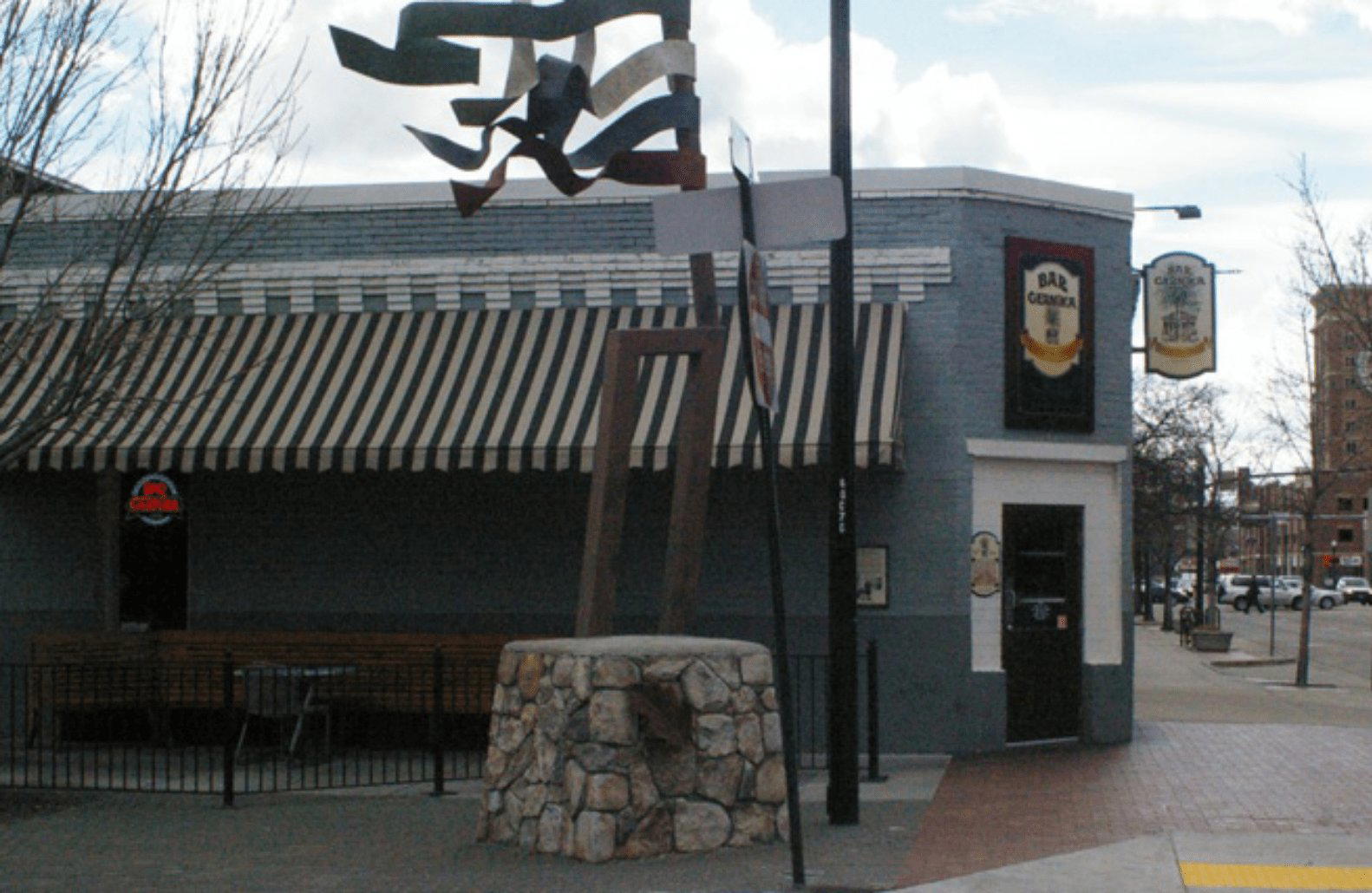
Details
- Rustic
- Cozy
- Casual Hangout
- Street Scene
Current opening hours
- Monday
- Closed
- Tuesday
- 11 AM–5 PM
- Wednesday
- 11 AM–5 PM
- Thursday
- 11 AM–5 PM
- Friday
- 11 AM–5 PM
- Saturday
- 11 AM–5 PM
- Sunday
- Closed
Hours can change for holidays and private events. Hours as of .
Casual and welcoming with a focus on authentic Basque hospitality, lively during paella events on the lively downtown patio.