Kyoto
Our verdict
On Fairview Avenue in Boise's west side, Kyoto brings Japanese dining to a city better known for beef and potatoes. The address places it outside the downtown dining cluster, serving a neighborhood that rarely attracts destination restaurants. For Boise diners tracking Japanese cuisine across the region, Kyoto represents one of the few local options in that category.

Pearl is the En Primeur Club membership app, where members save venues, book tables and use the concierge.
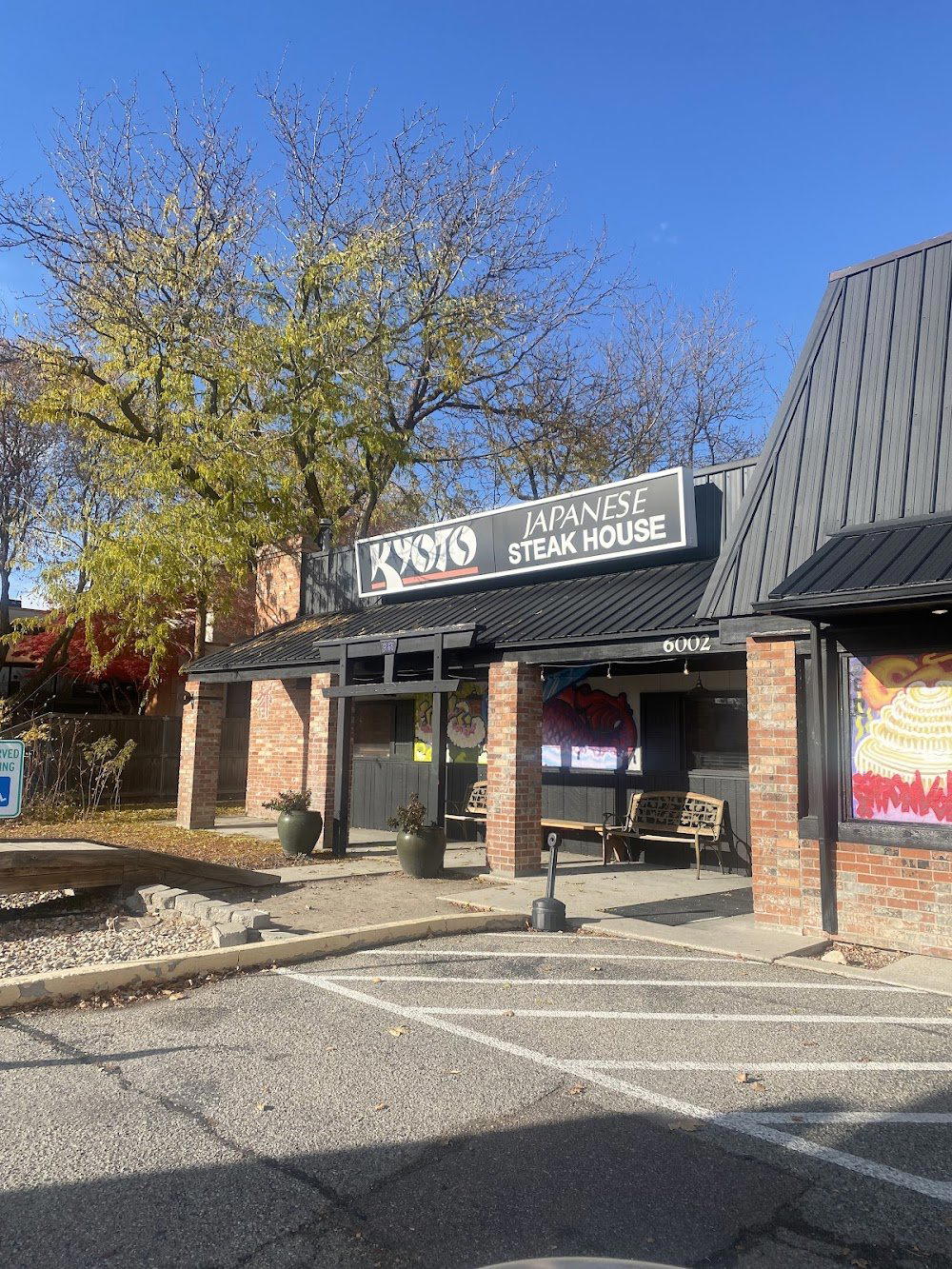
Japanese Dining on Boise's West Side
Fairview Avenue runs through one of Boise's more utilitarian commercial corridors, the kind of stretch where auto shops and strip malls set the visual tone. Against that backdrop, a Japanese restaurant at 6002 Fairview Ave occupies territory that destination dining rarely claims. Kyoto sits in this west-side setting, away from the concentrated restaurant energy of downtown and the North End, which tells you something about the audience it serves: locals who know it's there, not visitors working through a curated shortlist.
That positioning matters in a city where Japanese cuisine remains a thin category relative to the steakhouse and farm-to-table formats that define Boise's dining identity. Options like Chandlers Prime Steaks or the more contemporary formats appearing downtown represent the poles of Boise dining, with Japanese food occupying a quieter middle. Kyoto's Fairview location puts it closer to the residential fabric of the west side than to the competitive restaurant cluster that draws out-of-town attention.
What the Ingredient Story Says About Japanese Cooking in Idaho
The sourcing question is worth asking of any Japanese restaurant operating outside a coastal market. In Tokyo, Osaka, or Kyoto, the city, not this one, proximity to Tsukiji-style wholesale markets, dedicated seafood suppliers, and specialist produce networks is what separates a serious omakase counter from a passable neighborhood spot. In a landlocked state, that supply chain requires deliberate construction. Boise sits roughly 500 miles from the Pacific, which means fresh seafood arrives on a delay that coastal kitchens don't absorb. How a kitchen manages that gap, whether through air-freight partnerships, menu design that leans toward less perishable formats, or a cooked-dish focus that sidesteps the raw-fish dependency, shapes the character of the food more than any single technique.
American Japanese restaurants have developed several strategies to address this. Some, like Atomix in New York City, operate in markets where premium ingredient access is essentially solved by density of suppliers. Others, like Single Thread Farm in Healdsburg, build integrated sourcing systems that control the supply from farm to plate. For a Fairview Avenue address in Idaho, neither of those models applies directly. What applies is the practical reality of sourcing in a mid-sized inland city, where the leading operators build relationships with regional distributors and design menus around what reliably arrives in good condition.
Idaho does offer one ingredient advantage that often goes unacknowledged in conversations about Japanese cuisine: agricultural depth. The state's potato, grain, and freshwater resources are serious. Trout from Idaho's Snake River drainage has appeared on menus well beyond the state's borders, and local produce in the summer and fall months can match what urban markets source from further away. A Japanese kitchen in Boise that pays attention to seasonal Idaho ingredients has access to raw material that larger coastal markets import at premium cost.
Boise's Restaurant Scene and Where Japanese Fits
Boise's dining scene has matured considerably over the past decade, with formats ranging from the established American steakhouse tier to newer arrivals bringing international influence. Kin, Ansots, Barbacoa, and Alyonka Russian Cuisine represent the international breadth that has appeared in the city's dining over recent years. Against that backdrop, Japanese cuisine occupies a niche that the city's demographics and geography have kept relatively small.
That's not a criticism. Thin categories sometimes produce more focused execution than crowded ones. A Japanese restaurant operating without six competitors on the same block has less pressure to differentiate through gimmick and more incentive to build a regular clientele through consistency. The west-side location reinforces this dynamic: Kyoto's audience is largely repeat local diners, not the tourist or expense-account traffic that sustains downtown dining rooms.
For readers who want to benchmark Japanese cooking against the broader American field, the reference points are varied. Coastal operations like Providence in Los Angeles or format innovators like Lazy Bear in San Francisco show what the genre can reach in larger markets. In the fine-dining tier, Alinea in Chicago and Le Bernardin in New York City illustrate how ingredient sourcing and technical precision intersect at the highest level. Closer to Kyoto's actual competitive set, the comparison is other regional Japanese restaurants in the Mountain West, a category that has grown but remains far less developed than coastal equivalents.
Planning a Visit
Kyoto is located at 6002 Fairview Ave, Boise, ID 83704, on the west side of the city. Given its residential-corridor setting and neighborhood-restaurant profile, it functions primarily as a local dining option rather than a destination address, which typically means more accessible booking windows than downtown spots with concentrated visitor traffic. For a broader view of where Kyoto sits within Boise's dining geography, see our full Boise restaurants guide.
Readers building a longer dining itinerary around Japanese cuisine and its American interpretations might also reference the farm-to-table sourcing model at Blue Hill at Stone Barns in Tarrytown, the agricultural integration of The French Laundry in Napa, or the precision cooking at Addison in San Diego and The Inn at Little Washington for context on what ingredient-led fine dining looks like at its most developed. At an international level, 8 1/2 Otto e Mezzo Bombana in Hong Kong shows how ingredient sourcing operates across a different set of constraints entirely. And for Japanese-rooted fine dining with a strong editorial record, Emeril's in New Orleans offers a complementary American perspective on culinary ambition in a regional market.
Frequently asked questions
Where exactly is Kyoto?
Kyoto is located at 6002 Fairview Ave, Boise, ID 83704, Boise.
Is Kyoto on Fairview Ave a good option for Japanese food in west Boise?
West Boise's Fairview Avenue corridor has relatively few sit-down Japanese restaurants, which makes Kyoto at 6002 Fairview Ave one of the more accessible options for residents on that side of the city. Boise's overall dining scene has grown over the past decade, but Japanese cuisine remains concentrated enough that a westside location carries real practical value for the surrounding neighborhoods. Confirming hours and current format directly with the restaurant will give you the clearest sense of what to expect on arrival.
What should I eat at Kyoto?
Japanese restaurants operating in inland markets like Boise typically anchor their menus around cooked dishes, noodle formats, and accessible rice-based plates alongside whatever sushi or sashimi the kitchen can source reliably. Asking staff what moves fastest on a given night is a practical way to orient your order.
How far ahead should I plan for Kyoto?
Kyoto sits on Fairview Avenue, a neighborhood-scale commercial corridor on Boise's west side, which positions it as a local regular's spot rather than a destination that demands weeks of lead time. That said, smaller Japanese restaurants in mid-sized American cities often run lean on seating, and weekend evenings can fill quickly without a reservation. Contacting the restaurant directly before your visit is the safest approach, particularly for groups of three or more.
What makes Kyoto worth seeking out?
Japanese restaurants that take root in inland cities like Boise occupy a specific niche: they serve a community that otherwise lacks easy access to coastal-sourced seafood culture, and the committed ones build regulars over years rather than riding a wave of novelty. Kyoto at 6002 Fairview Ave has established itself in a corridor that does not reward purely destination-driven traffic, which suggests a degree of neighborhood loyalty sustaining it. The case for visiting is straightforwardness: consistent Japanese cooking in a part of the city where that option is limited.
What if I have allergies at Kyoto?
Japanese menus frequently involve soy, sesame, shellfish, and wheat in ways that are not always obvious from dish names, so communicating allergies directly to staff before ordering is essential at any Japanese restaurant, including Kyoto on Fairview Ave.
In Context: Similar Options
Comparable venues nearby, for context on price, style, and recognition.
| Venue | Cuisine | Price | Awards | Notes |
|---|---|---|---|---|
| KyotoThis venue (the venue you are viewing) | Japanese Teppanyaki and Sushi | $20–30 | Not listed | Not listed |
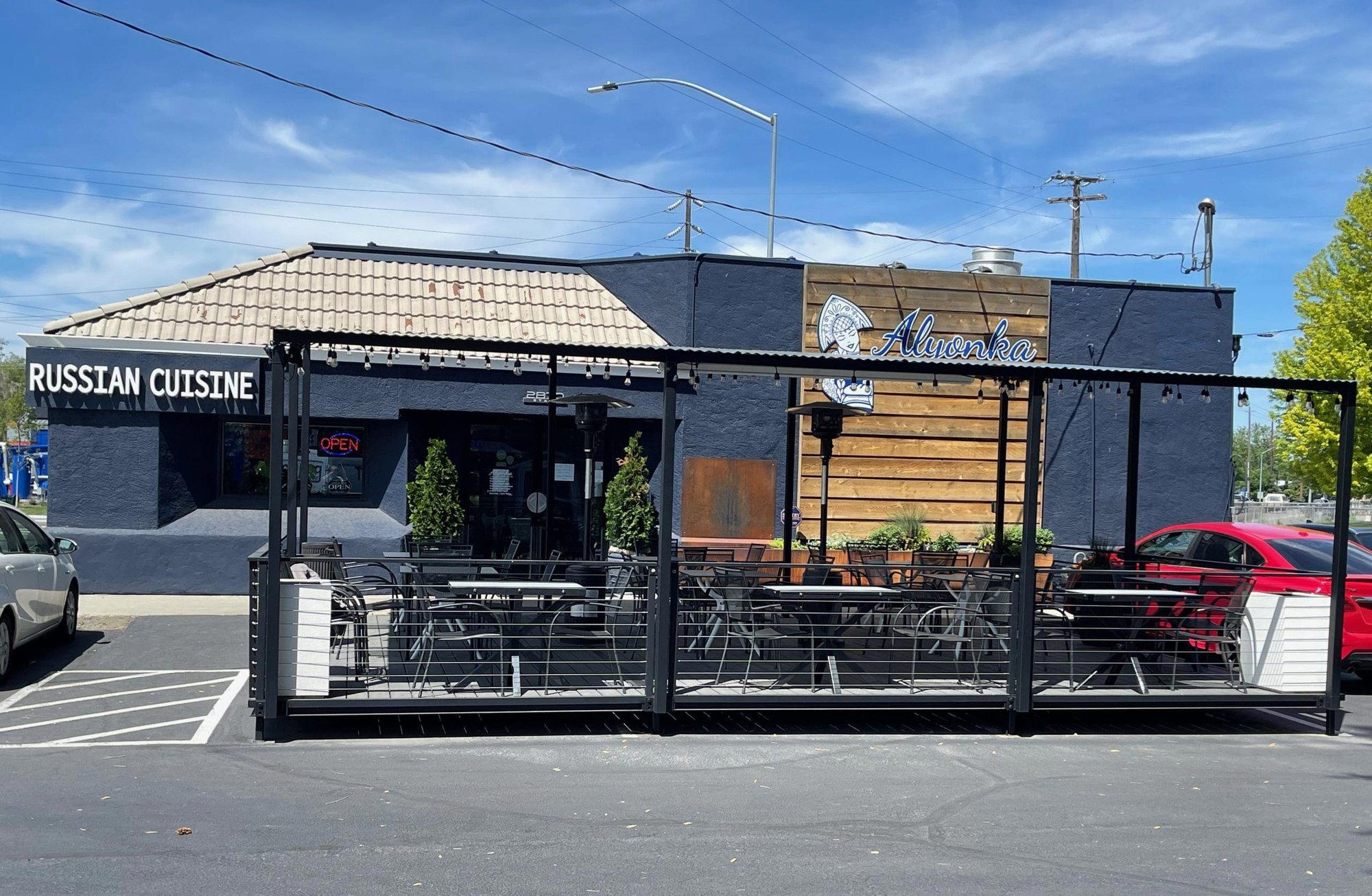
| Alyonka Russian Cuisine | Authentic Russian Cuisine | $20–30 | Diners, Drive-Ins and Dives Featured Restaurant | Westside |
| Chiang Mai Thai | Authentic Thai | $20–30 | Not listed | Boise Bench |
| Ansots | Traditional Basque Small Plates | $30–50 | Not listed | Downtown Boise |
| Cottonwood Grille | Contemporary Northwest with Basque influences | $30–50 | Not listed | Downtown Boise |
| The Basque Market | Dining | $20–30 | Not listed | Basque Block |
Continue exploring
More in Boise
Restaurants in Boise
All restaurants in Boise →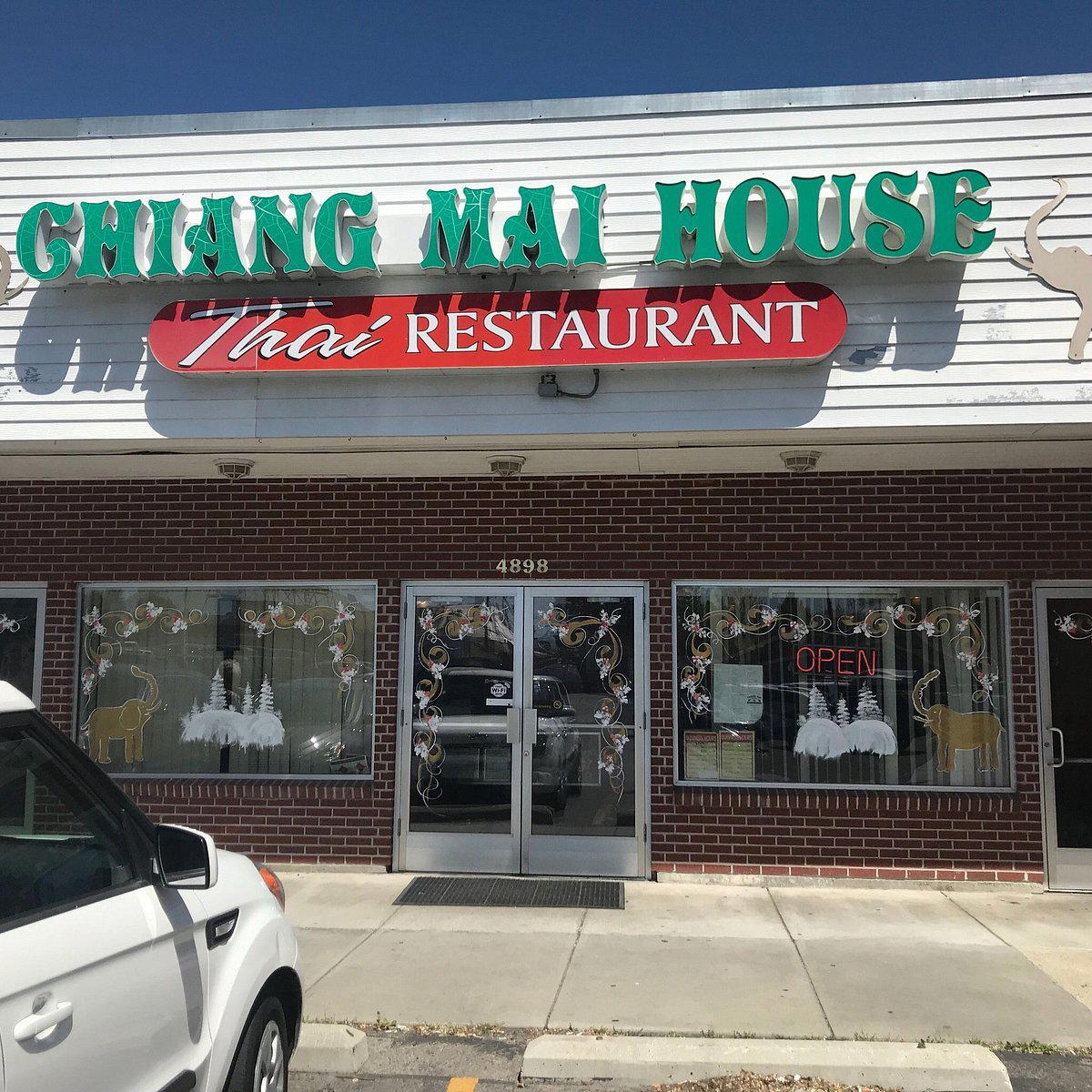
Details
- Lively
- Energetic
- Group Dining
- Family
- Celebration
- Open Kitchen
- Sake Program
- A La Carte
- Vegetarian Friendly
- Vegan Options
- Gluten Free Options
Current opening hours
- Monday
- Closed
- Tuesday
- Closed
- Wednesday
- 4–9 PM
- Thursday
- 4–9 PM
- Friday
- 4–10 PM
- Saturday
- 4–10 PM
- Sunday
- 4–9 PM
Hours can change for holidays and private events. Hours as of .
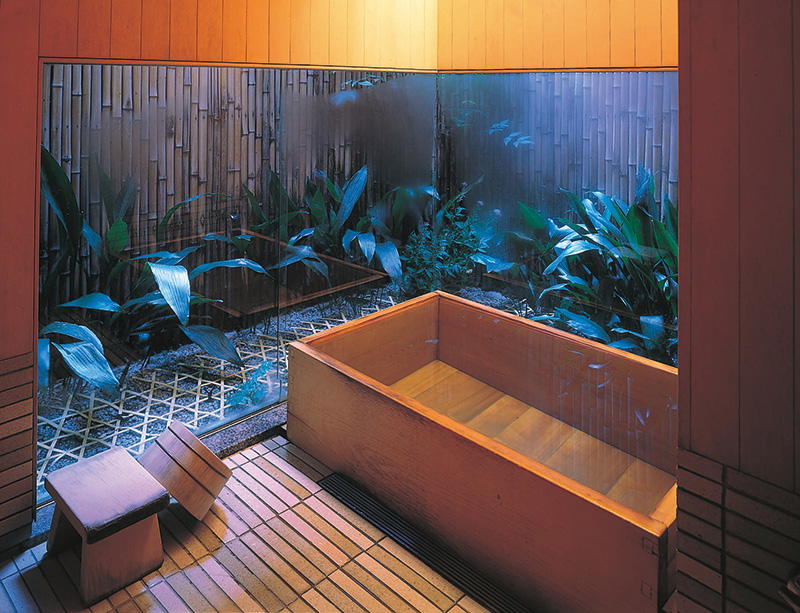
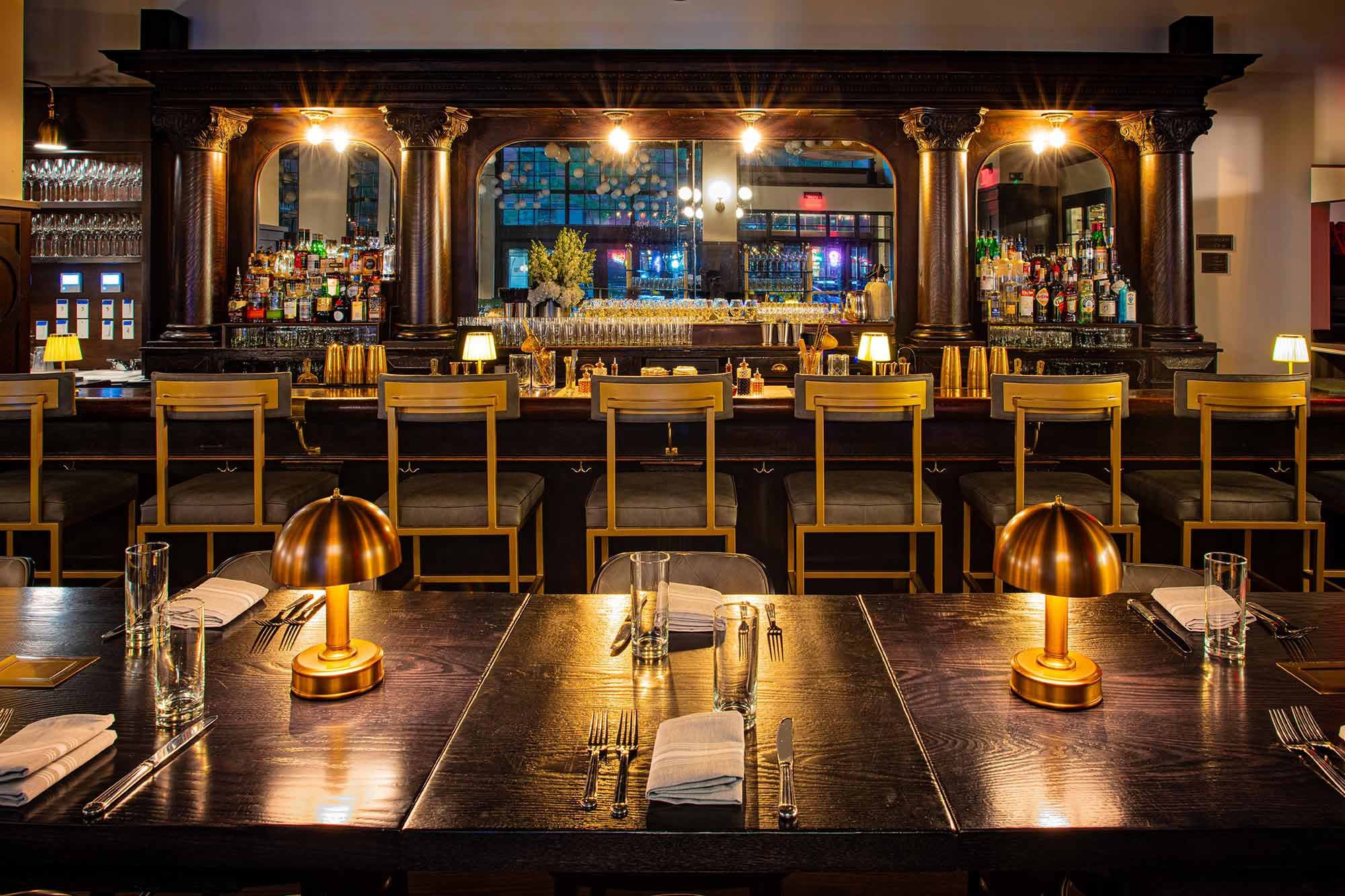
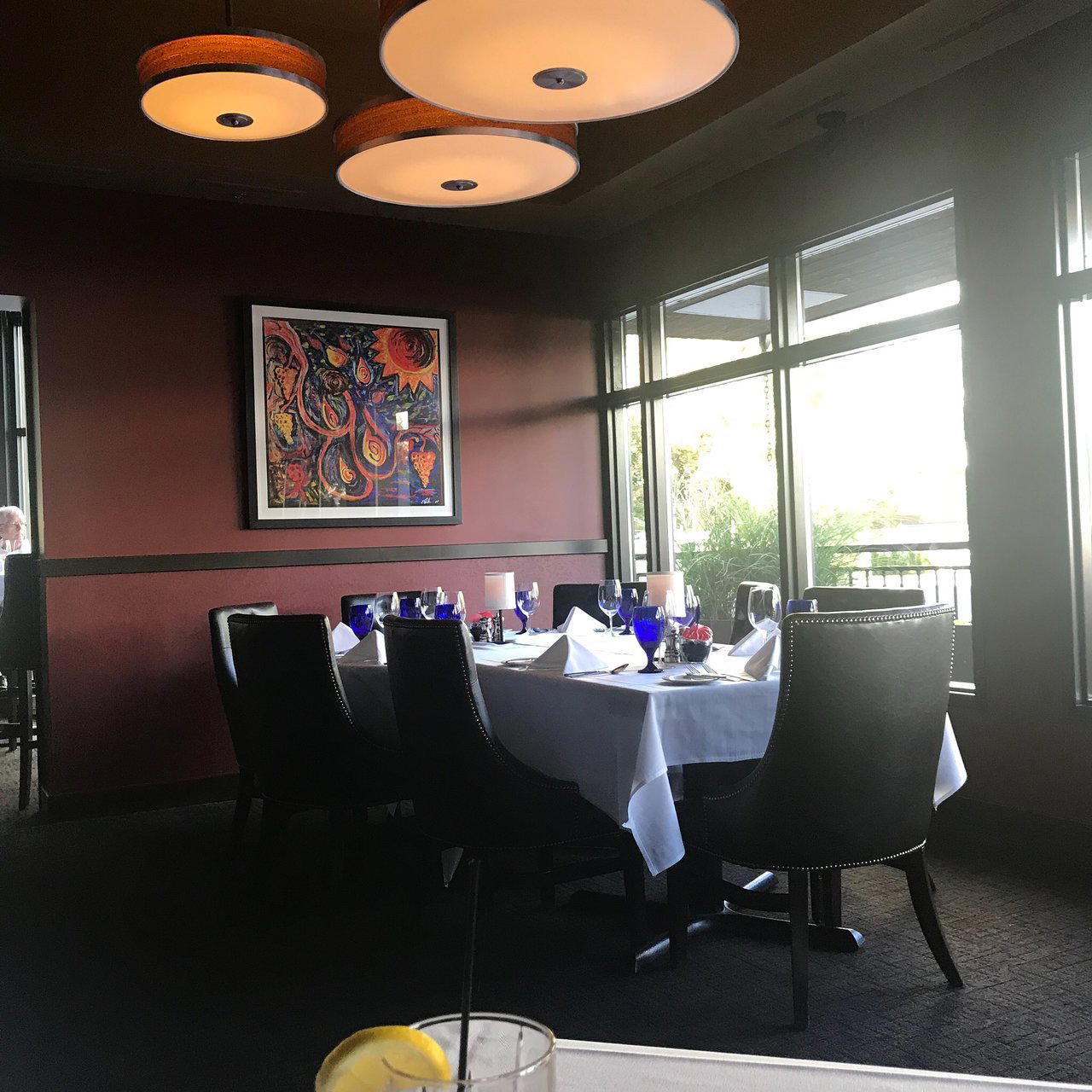
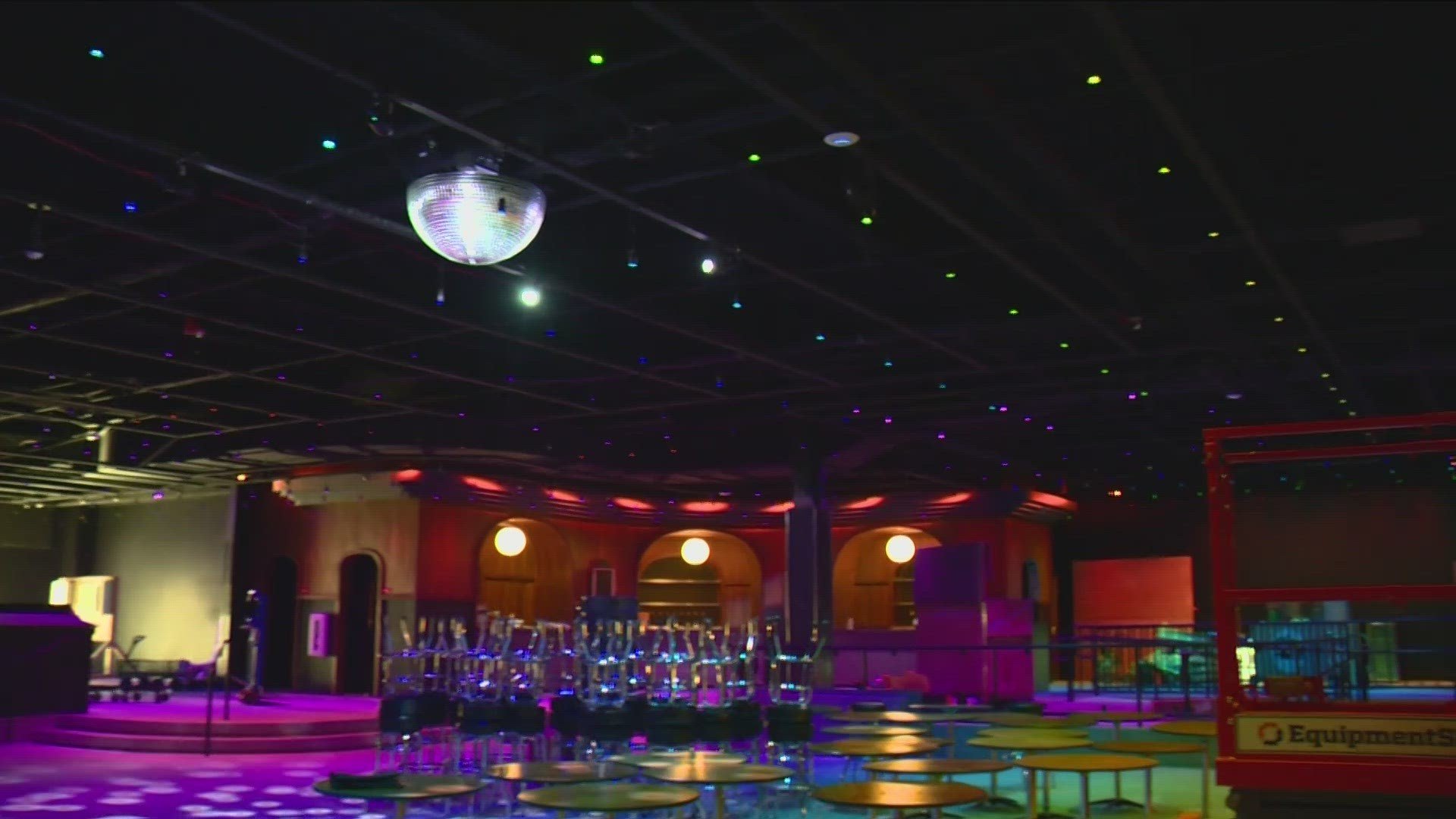
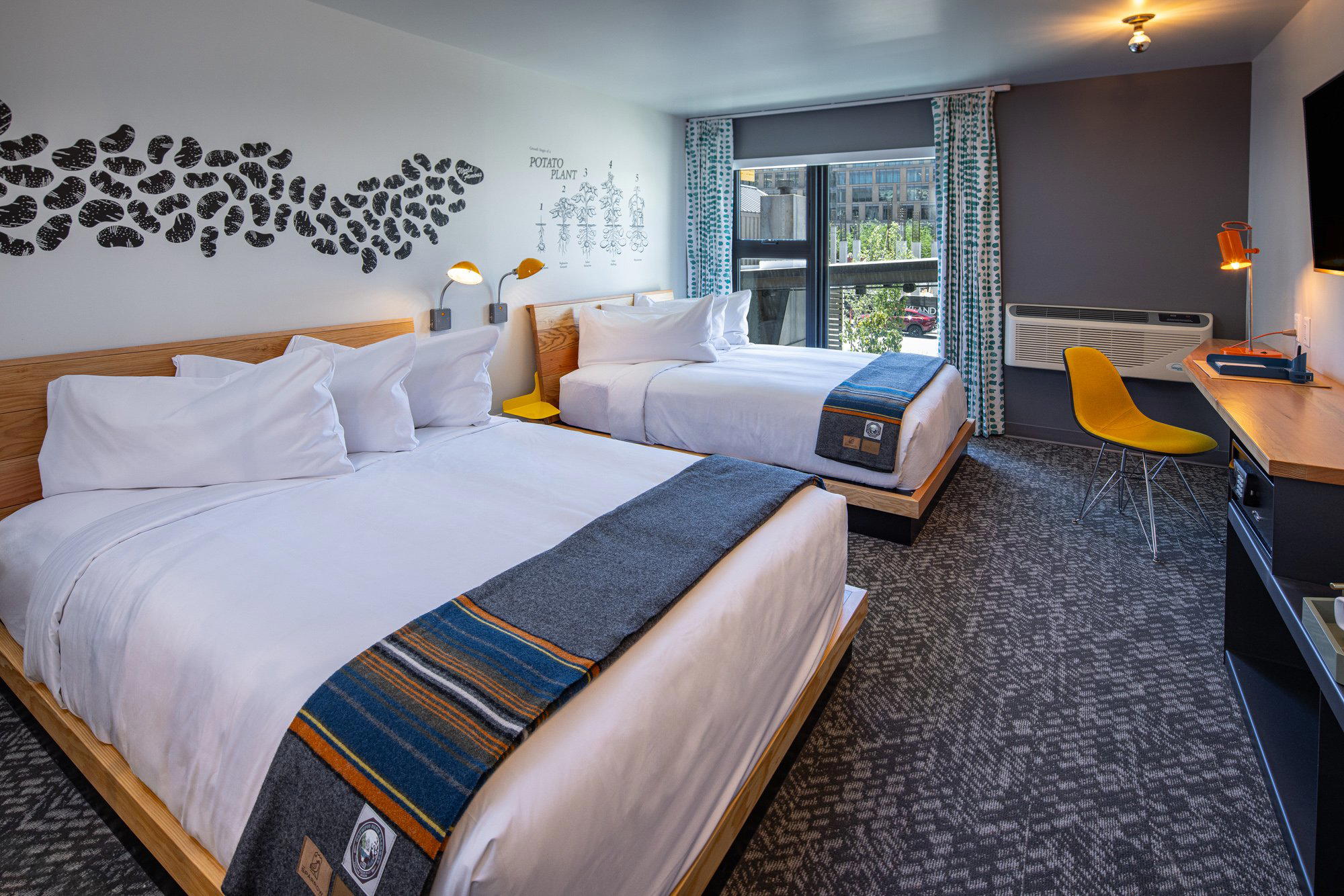
Lively atmosphere with moderate noise from interactive hibachi cooking and welcoming staff in a newly remodeled space.