Teppan-yaki Dan
Our verdict
Teppan-yaki Dan brings the live-fire theatre of Japanese teppanyaki to Kaanapali, where the interplay between volcanic-island ingredients and a hot iron griddle defines the format. Located at 2605 Kaanapali Pkwy in Lahaina, it occupies a dining tradition that rewards those who arrive curious about craft as much as scenery. Reservations are advisable given the resort corridor's compressed dinner demand.

Pearl is the En Primeur Club membership app — saves, bookings, and concierge access live there. Same editors, same standards.
- Address
- 2605 Kaanapali Pkwy, Lahaina, HI 96761
- Phone
- (808) 661-0031
- Hours
- Mon ClosedTue–Sat 5–8:30 PMSun Closed
- Website
- marriott.com
- Directions
- Get directions
The menu
What to order
- Ribeye steak
- Lobster
- Filet mignon
- Shrimp
- Scallops
Live Fire on the Kaanapali Strip
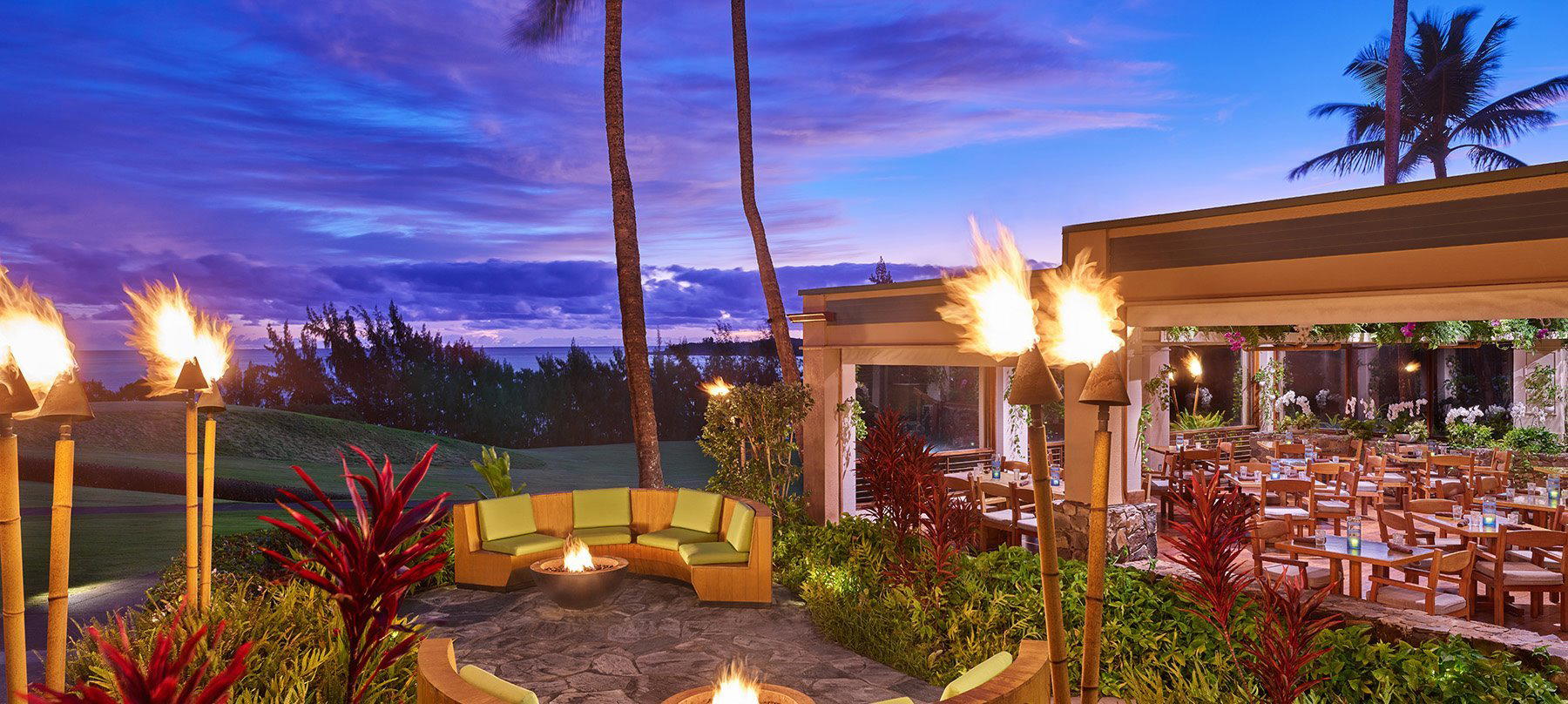
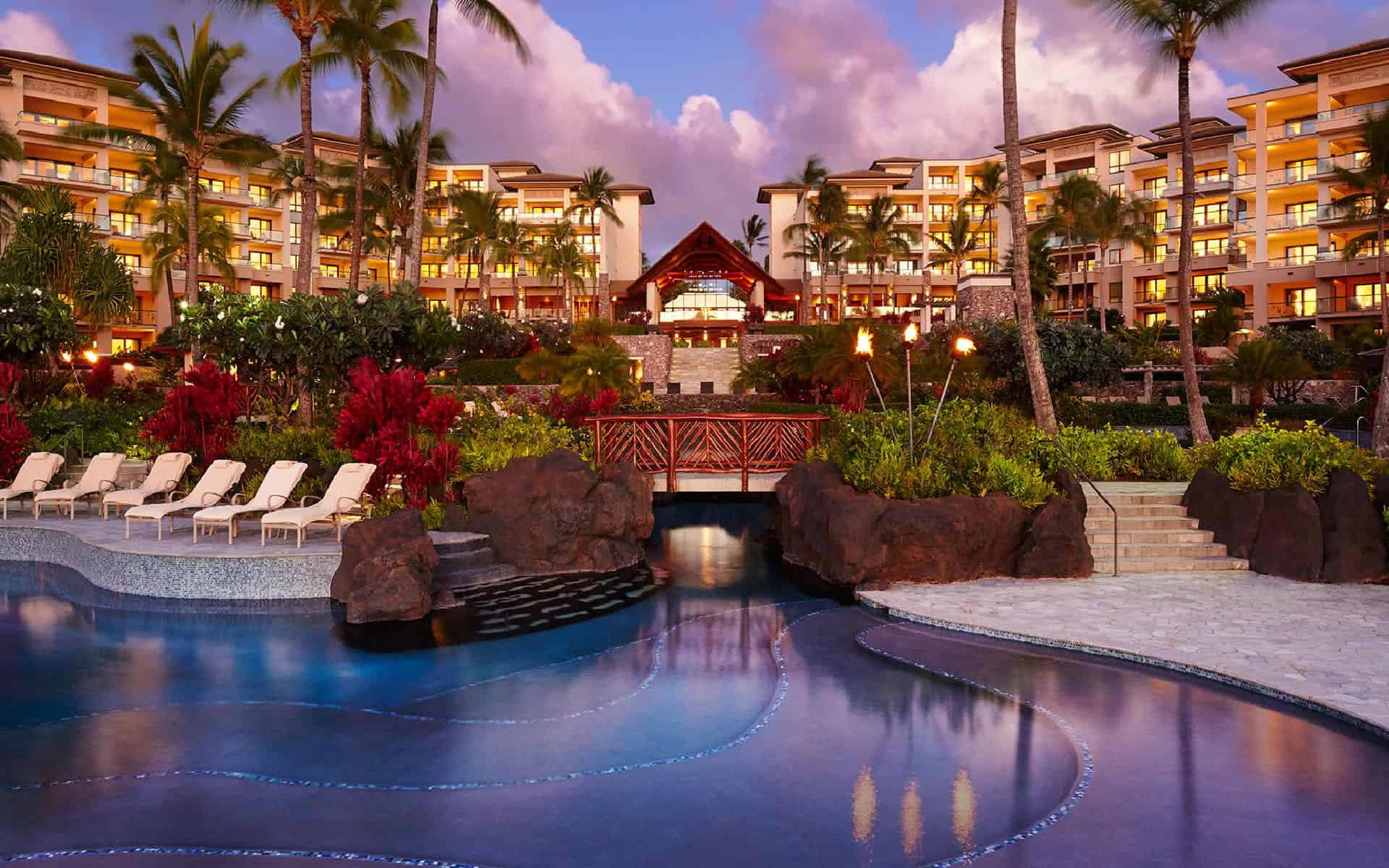
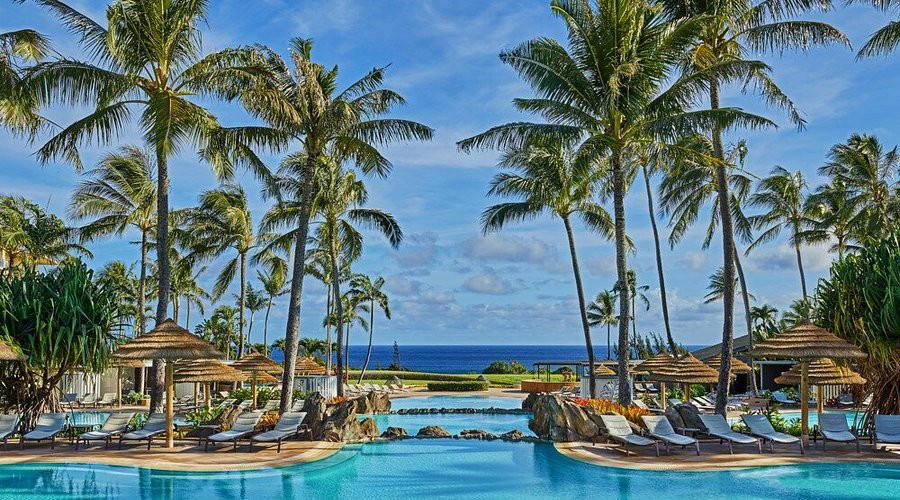
There is a particular quality to teppanyaki dining that no other format quite replicates: the heat you feel before the food arrives, the sound of steel on steel, the way a skilled cook's movements become part of the meal itself. At Teppan-yaki Dan, positioned along the Kaanapali Parkway in Lahaina, that sensory contract is the starting point rather than an added flourish. The surrounding resort corridor along West Maui's coastline creates a specific dining context — guests arrive already primed by salt air and late-afternoon light, and a teppanyaki kitchen, with its communal tables arranged around a central griddle, suits that mood more naturally than a quiet room would.
Kaanapali's dining strip runs from casual beachfront spots like Castaway Cafe and Betty's Beach Cafe up through more considered kitchens such as Cane & Canoe (Polynesian Fusion) and the broader Lahaina dining scene covered in our full Lahaina restaurants guide. Within that range, teppanyaki occupies a distinct tier: it is neither a quick lunch format nor a long tasting menu, but a structured, participatory dinner event that typically runs ninety minutes to two hours and centres on communal seating around a cooking surface that doubles as a stage.
The Ingredient Argument for Island Teppanyaki
The editorial case for teppanyaki in Hawaii is partly about ingredients. The format demands protein and produce that respond well to high-heat, short-contact cooking — and those are precisely the conditions under which Hawaii's local seafood and agricultural output perform at their leading. Pacific fish such as mahi-mahi and ono carry enough oil and density to hold up to the iron plate without losing moisture. Locally grown vegetables, harvested from farms that benefit from volcanic soil and year-round warmth, caramelize quickly and cleanly under teppan heat in a way that mass-imported produce often does not.
This is the sourcing logic that makes island teppanyaki a coherent culinary argument rather than simply a transplanted Japanese format. When American restaurants in the mainland tradition, from Blue Hill at Stone Barns in Tarrytown to Single Thread Farm in Healdsburg, built their reputations on ingredient provenance as a structural kitchen value, they were making an argument that Hawaii's geography had already answered differently: proximity to the source is not a philosophy here so much as a geographical fact. The Pacific sits within a few miles of the griddle. The farms that supply Maui's better kitchens are not distant suppliers but local operations whose seasonal rhythms shape what ends up on the iron surface.
Across the Lahaina dining scene, this sourcing awareness shows up in different registers. Aloha Mixed Plate represents the plate-lunch tradition where local ingredients meet a working-class Hawaiian format. Banyan Tree works within a more formal register. Teppan-yaki Dan sits in a middle zone where the theatrical element of the cooking process is the frame, but the quality of what goes onto that griddle determines whether the performance means anything.
Format, Rhythm, and the Communal Table
Teppanyaki as a format has a specific social logic that distinguishes it from most Western fine dining or casual restaurant experiences. You share a table with strangers, or with a larger group than you arrived with. The cook is visible throughout. Courses arrive in a sequence set by the kitchen rather than chosen individually, and the pacing is controlled by the live cooking rather than by a brigade working in a separate room. This is closer in spirit to the omakase counter dynamic, where the sequence is the chef's decision and the diner's role is receptive, than to à la carte dining, even if the price and formality levels sit well below the upper-tier tasting-menu category represented by venues like The French Laundry in Napa or Alinea in Chicago.
What the format shares with those higher-register experiences is the importance of sequence and setting. At Atomix in New York City or Providence in Los Angeles, the meal is structured as a composed narrative. At a teppanyaki table, the narrative is looser but still present: the arc from lighter preparations to heavier proteins, the management of timing so that nothing cools before it reaches you, the cook's calibration of heat across different ingredients sharing the same surface. These are genuine craft considerations, not incidental.
For families or groups where different ages and preferences need to coexist at a single table, the teppanyaki format is one of the more practical solutions the restaurant world offers. The visual spectacle provides engagement for those less interested in the food itself, while the cooking quality determines whether the experience holds for those who are.
Planning Your Visit
Teppan-yaki Dan is located at 2605 Kaanapali Pkwy, Lahaina, HI 96761, placing it in the heart of the Kaanapali resort zone on Maui's West Side. The resort corridor compresses dinner demand into a relatively narrow window, and teppanyaki, by its communal-table format, does not turn tables as quickly as à la carte kitchens. Reservations are the practical default here; walk-ins are more viable at lunch or for early dinner slots, when resort guests have not yet shifted from beach mode to dinner planning. West Maui's visitor peak runs from December through April, when demand across the Kaanapali strip intensifies. Summer brings its own surge of family travel, making advance booking advisable across most of the higher-demand dinner period. For context on the broader Lahaina dining picture, Monkeypod Kitchen and Cane & Canoe represent the New American and Polynesian Fusion alternatives in the same geography for those building a multi-night dining itinerary.
The wider American restaurant conversation around sourcing and format, from Emeril's in New Orleans and Le Bernardin in New York City to Addison in San Diego and Lazy Bear in San Francisco or The Inn at Little Washington, tends to foreground narrative around provenance. At a teppanyaki counter in Kaanapali, that provenance argument is embedded in geography itself. The question is whether the kitchen is using that advantage or simply occupying the space it provides. For diners assembling a Maui itinerary, that is the evaluative frame worth bringing to the table, along with the broader lens provided by our full Lahaina restaurants guide and international reference points like 8 1/2 Otto e Mezzo Bombana (Hong Kong) for how Asian culinary traditions translate across geographies.
Frequently Asked Questions- What should I order at Teppan-yaki Dan?
- Teppanyaki menus in Hawaii are most compelling when they lean into Pacific seafood rather than defaulting to the beef-forward format more common on the mainland. Locally sourced fish, mahi-mahi and similar varieties caught in nearby Pacific waters, tend to perform well under high-heat iron cooking, and they represent the clearest expression of what separates island teppanyaki from its continental counterparts. If the menu includes locally grown vegetables alongside the protein courses, those are worth attention as a gauge of how seriously the kitchen is engaging with Maui's agricultural supply.
- Do they take walk-ins at Teppan-yaki Dan?
- Teppanyaki's communal-table format limits flexibility for walk-in seating, particularly in the Kaanapali resort zone where dinner demand is compressed and predictable. Walk-ins have the leading chance at early seatings or during shoulder periods outside the December-to-April peak. For any visit during West Maui's high season, or a weekend in summer, a reservation made in advance is the more reliable approach. The format's fixed sequence also means arriving significantly late to a seating disrupts the table's timing, making pre-booking a practical courtesy as much as a logistical one.
- Is teppanyaki at Kaanapali suitable for mixed groups with varied dietary preferences?
- The communal teppan format, where a cook prepares food in front of a shared table, has practical advantages for groups where different diners want different things. A skilled teppanyaki cook can typically manage separate protein preparations on the same griddle surface, accommodating those who prefer seafood over meat without separating the party. That flexibility is one of the structural reasons the format travels well to resort environments like Kaanapali, where families and mixed groups make up a significant portion of the dinner crowd. Confirming specific dietary accommodation with the restaurant directly before arrival remains the appropriate step.
Frequently asked questions
Where exactly is Teppan-yaki Dan?
Teppan-yaki Dan is located at 2605 Kaanapali Pkwy, Lahaina, HI 96761, Lahaina.
Is Teppan-yaki Dan a good option for group dining in the Kaanapali resort zone?
Teppanyaki's communal table format makes it one of the more practical choices for groups in the Kaanapali resort area — guests share a grill station rather than separate tables, which organizes the meal around a single shared spectacle. Located at 2605 Kaanapali Pkwy in Lahaina, the venue sits within walking distance of the main Kaanapali resort properties, reducing logistics for larger parties staying nearby. check the venue's official channels to discuss group sizing and reservation options.
What should I order at Teppan-yaki Dan?
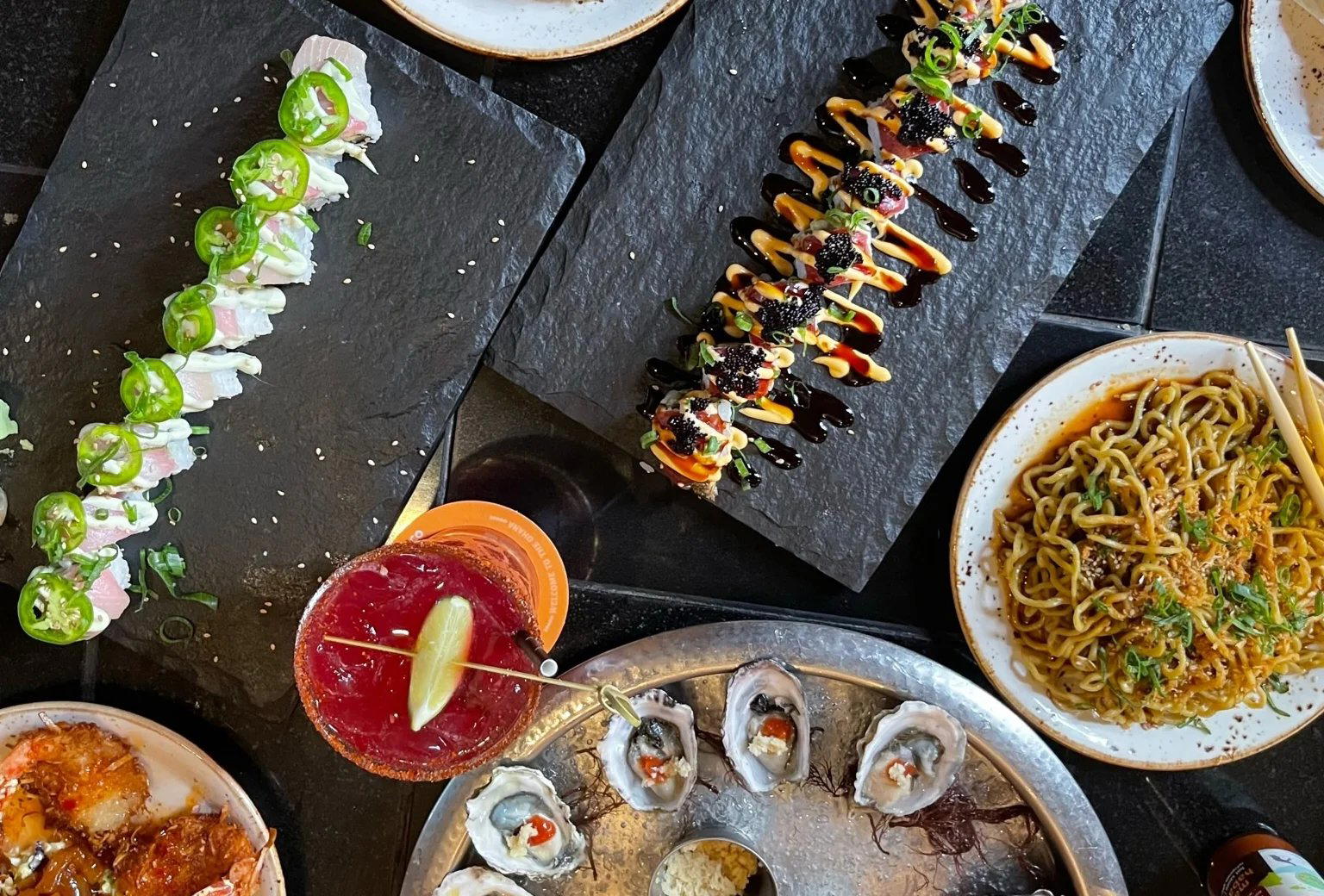
Teppanyaki as a format is built around proteins and produce that perform well on a high-heat iron plate — think cuts that benefit from fast searing and a hard crust rather than low-and-slow cooking. At a Kaanapali-area venue like Teppan-yaki Dan, the geographic setting gives local Pacific seafood and Hawaiian-raised ingredients a logical place in that lineup.
Do they take walk-ins at Teppan-yaki Dan?
Teppanyaki restaurants in resort corridors like Kaanapali Pkwy tend to run at high occupancy during peak Maui travel periods, particularly winter and summer. Walk-in availability at 2605 Kaanapali Pkwy depends on table turnover at the communal grill, which varies by service time. Contacting the venue ahead of arrival is the most reliable way to confirm same-day seating.
Comparable Spots
Comparable venues nearby, for context on price, style, and recognition.
| Venue | Cuisine | Price | Awards | Notes |
|---|---|---|---|---|
| Teppan-yaki DanThis venue — the venue you are viewing | Teppanyaki Japanese Steakhouse | $50–100 | Not listed | Not listed |
| Son'z Steakhouse | Premium Steakhouse with Island Seafood | $50–100 | Not listed | Ka'anapali |
| Sea House Restaurant | Hawaii Regional Seafood | $30–50 | Not listed | Napili |
| Cane & Canoe | Modern Hawaiian Seafood | $100–150 | Forbes 4-Star | Kapalua |
| Swan Court | American Breakfast Buffet | $30–50 | Not listed | Kaʻanapali |
| Aloha Mixed Plate | Hawaiian Mixed Plates | $20–30 | Not listed | Lahaina |