
Tabelog 100 #86
Our verdict
Koban Zushi puts Sendai sushi in a sharper regional frame: fish-led, compact, and priced above the city’s casual dining tier without drifting into Tokyo-counter theatre. Its Tabelog Sushi EAST “Tabelog 100” 2025 selection, 3.70 score, and Michelin Bib Gourmand listing make it a useful address for travellers reading Sendai through seafood rather than only gyutan and izakaya culture.

Pearl is the En Primeur Club membership app, where members save venues, book tables and use the concierge.
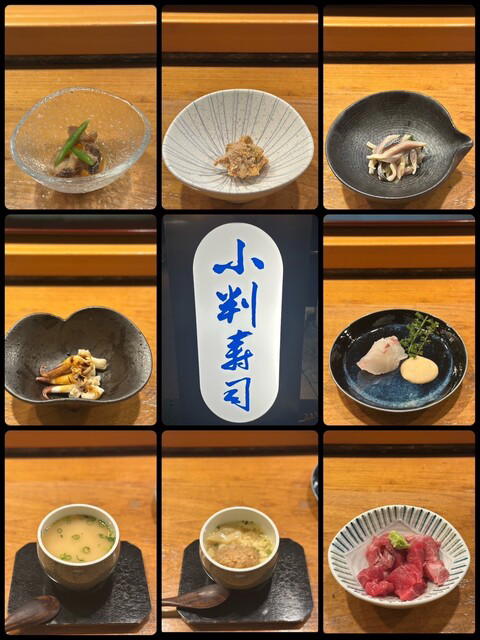
The menu
What to order
- Anago shirayaki (grilled conger eel without sauce)
- Hikari-mono (silver-skinned fish nigiri)
- Seasonal small plates using local ingredients
Sendai gives regional dining a different rhythm from larger commercial dining zones: compact-feeling restaurants, established local habits, and meals where the craft still carries the authority. Sushi in the city is less about spectacle than sourcing discipline and careful service. The point is not a parade of luxury signals; it is a focused restaurant culture, translated into a format small enough for regulars but serious enough to draw national attention. Recognition from the Tabelog Sushi EAST “Tabelog 100” 2025 list, a 3.70 Tabelog score, and Michelin Bib Gourmand listing place it in a category that matters for Sendai: restaurants that are not chasing Ginza pricing, yet sit well above the casual sushi-and-sake bracket.
Koban Zushi belongs to that register. Recognition from the Tabelog Hyakumeiten 2025 list and a 3.70 Tabelog score place it in a category that matters for Sendai: restaurants that are not chasing capital-city pricing, yet sit well above the casual sushi-and-sake bracket. Dinner sits in the JPY 15,000 to JPY 19,999 range, with lunch in the JPY 5,000 to JPY 5,999 range, a spread that makes the restaurant useful for two different readers: the traveller building a serious Sendai food weekend, and the diner who wants a measured lunch without turning the day into a ceremony.
Fish-led Sendai sushi, without Tokyo's performance economy
Sendai’s restaurant identity is often reduced to a few obvious staples, but the city’s sushi culture deserves a more precise reading. At this level, the discussion is less about named luxury ingredients and more about how a restaurant handles season, texture, and restraint without burying the fish under theatre.
The useful comparison is not with ultra-luxury Tokyo omakase, where scarcity, counter lineage, and international demand can dominate the experience. In Sendai, the stronger addresses often sit closer to local seriousness: fewer slogans, more attention to sushi and drink. Koban Zushi’s public profile is anchored in sushi, and that matters in Sendai, where the meal does not need to be isolated from the rest of the city’s food culture; local context can come through as clearly as the seafood itself.
Price also clarifies the lane. In the local comparison set, names such as Genji and hou help show the range of Sendai dining without making Koban Zushi feel detached from the city around it. Koban Zushi occupies a higher spend tier than everyday casual sushi, but not the detached luxury tier associated with Japan’s hardest reservation counters. That middle-high position is often where regional sushi becomes compelling: enough budget to support serious buying and focused service, without the transaction feeling built for trophy hunting.
A focused Sendai setting for a serious meal
The format reinforces the point in broad terms. Koban Zushi reads as a focused Sendai sushi address rather than a sprawling, spectacle-led dining room, which is part of its usefulness for travellers and local diners alike. That matters in Sendai, where business dinners, family meals, and visiting food-focused travellers can all overlap in the same address. The appeal is not a rigid pilgrimage model; it is a restaurant that can be considered for a serious meal while still belonging to the city’s everyday dining map.
There is a practical cultural signal here too. In a Japanese sushi context, seriousness does not have to mean theatrical austerity. The best version of this kind of room is attentive without turning dinner into a performance, and measured without making the diner feel as though every gesture has been scripted. The result is a restaurant that can handle a serious meal without making seriousness feel like a costume.
The Sendai location deepens that usefulness. Rather than feeling like a meal to rush between appointments, Koban Zushi fits best into a day planned around the city itself. For travellers mapping the city by appetite, the area pairs naturally with broader Sendai planning: Our full Sendai restaurants guide gives the restaurant context, while Our full Sendai hotels guide, Our full Sendai bars guide, Our full Sendai wineries guide, and Our full Sendai experiences guide help build the rest of the trip around the same city logic.
Where it fits in a Sendai eating itinerary
A strong Sendai itinerary should not treat sushi as an isolated prestige booking. It should sit alongside the city’s more casual, ingredient-driven addresses and its café, confectionery, and drinking culture. Nearby and citywide dining rooms, from other Sendai counters to independent cafés and sweet shops, show how varied the city’s food map becomes once it moves beyond the most familiar staples.
For readers comparing Japan more broadly, the useful lesson is scale. Regional restaurants often give a clearer view of everyday excellence than capital-city dining rooms distorted by international demand. A meal here can be read against different Japanese and overseas formats in general terms, from coastal sushi rooms and specialist counters to casual drinking bars and ingredient-led neighbourhood restaurants. Those comparisons are not substitutes; they underline how specific a Sendai sushi meal can feel when recognition, price, and room scale align.
The editorial case is clear: choose Koban Zushi when the goal is Sendai sushi with credible recognition and a room that can support a focused meal. The Tabelog Hyakumeiten 2025 selection places it inside a competitive regional sushi field rather than merely a local recommendation. For a city too often summarized by a single dish, that matters.
Frequently asked questions
What are the opening hours for Koban Zushi?
Opening hours for Koban Zushi should be confirmed directly with the restaurant before visiting, as current service times are not specified here.
Is Koban Zushi expensive?
Pricing at Koban Zushi is listed as dinner: JPY 15,000 - JPY 19,999; lunch: JPY 5,000 - JPY 5,999.
Where is Koban Zushi in Sendai?
Sendai.
What do critics highlight about Koban Zushi?
The strongest external signal is its 2025 selection in Tabelog Hyakumeiten, alongside a 3.70 Tabelog score. In practice, that places Koban Zushi in a serious Sendai sushi tier. Check the venue's official channels for the latest details.
Can Koban Zushi adjust for dietary needs?
The restaurant is listed in the sushi category, so flexibility will depend on the request and the day’s supply. The listed phone number is +81-22-222-0354, which is the practical way to confirm any dietary adjustment before visiting.
Is Koban Zushi a family-friendly restaurant?
Family suitability is not specified here. Contact Koban Zushi directly before visiting to confirm whether the current setup works for children or group needs in Sendai.
How It Stacks Up
Comparable venues by cuisine and price in the same metro.
| Venue | Cuisine | Price | Awards | Notes |
|---|---|---|---|---|
| Koban ZushiThis venue (the venue you are viewing) | Traditional Edomae Sushi | $100–150 | Tabelog 100 #86 | Not listed |
| Sendai Gyuu Yakiniku Hana Gyuu | Sendai wagyu yakiniku in private rooms | $50–100 | Tabelog 100 #85 | Aoba Ward |
| Yonezawa Gyuu Yakiniku Kotora Sendai ekimae ten | Premium Yonezawa Wagyu Yakiniku | $50–100 | Tabelog 100 #21 | Aoba-ku Chuo (Sendai Station area) |
| hou | Modern Yakitori Omakase | $100–150 | Tabelog 100 #54 | Aoba Ward (Aoba-ku), Ichibancho |
| Japanese Ryori e. | Japanese Kaiseki | $100–150 | Tabelog 100 #98 | Katahira, Aoba-ku |
| Sushi Mino | Sushi Omakase | Not listed | Tabelog 100 #47 | Kokubuncho |
Recognition history
Dated appearances from independent guides and award organizations, with the underlying list record or original source where available.
Tabelog 100 #86 · No. 86
Tabelog · Tabelog 100 - Sushi - EAST - 2025
Continue exploring
More in Sendai
Restaurants in Sendai
All restaurants in Sendai →
Hotels in Sendai
Browse all →

Wineries in Sendai
All wineries in Sendai →
Details
- Classic
- Cozy
- Elegant
- Intimate
- Date Night
- Business Dinner
- Solo
- Special Occasion
- Group Dining
- Family
- Chefs Counter
- Standalone
- Sake Program
- Local Sourcing
- Omakase
- A La Carte
- Counter Dining
- Sake
- Beer
- Pescatarian Friendly
Current opening hours
- Monday
- 12–1 PM, 5–9 PM
- Tuesday
- 12–1 PM, 5–9 PM
- Wednesday
- 12–1 PM, 5–9 PM
- Thursday
- 12–1 PM, 5–9 PM
- Friday
- 12–1 PM, 5–9 PM
- Saturday
- 12–1 PM, 5–9 PM
- Sunday
- Closed
Hours can change for holidays and private events. Hours as of .
A calm, dignified Edomae sushi counter with a slightly formal but homey feel: a small, traditional interior, counter-focused seating, and a relaxed conversational noise level where the itamae’s craftsmanship and interaction with guests are the main focus.