
Tabelog 100 #74
Our verdict
Sushi Yui places Sendai’s compact counter-sushi culture in a serious regional register: eight counter seats, a fish-led approach, and repeated selection for Tabelog’s Sushi EAST 100 list. The appeal is less about spectacle than scale, proximity, and a format that suits a city where Tohoku seafood and sake carry real cultural weight.

Pearl is the En Primeur Club membership app, where members save venues, book tables and use the concierge.
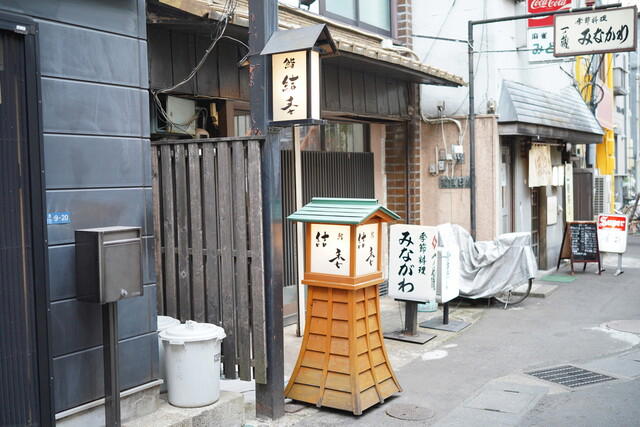
The room announces its priorities before any grand statement. A sushi dinner compresses the evening into hands, rice, fish, silence, and conversation scaled around the meal rather than a sprawling sense of occasion. In Sendai, that intimacy matters. The city is not Tokyo with a smaller skyline; its sushi culture can be read through regional appetite, local pacing, and a dining rhythm that favors concentration over performance.
Sushi Yui belongs to the disciplined end of Sendai dining. Its 2025 Tabelog Hyakumeiten recognition, with a listed score of 3.60, places it in a public regional conversation, while the category keeps the experience close to the craft. A focused sushi restaurant creates pressure a broader restaurant can soften: pacing, sourcing, and service have little room to hide. For travelers using Our full Sendai restaurants guide as a map, this is where planning around the meal makes sense, not as ceremony, but because the experience is built around focus.
Sendai sushi in a Tohoku register
Japan’s sushi hierarchy is often narrated through Tokyo, especially its high-priced omakase counters, but regional sushi has its own logic. In Tohoku, the argument often begins with season, proximity, and restraint. Sendai’s serious sushi rooms read less like luxury theater than an urban expression of a northern dining culture. The point is not spectacle; it is the way a narrow category can carry a city’s sense of pace.
That separates the city from destinations built only around trophy dining. Sendai’s table culture moves between casual meals, specialist addresses, sweets, and more deliberate dinners, so a sushi meal gains meaning beside other local options. A traveler comparing categories might look at sou, Sumibi Yakiniku Gura Sendai asaichi ekimae ten, or Sendai Gyuu Yakiniku Hana Gyuu, then see how Sushi Yui occupies a narrower, more expensive lane. The contrast is the lesson: Sendai can be casual and quick, but its serious sushi asks for focus.
The sushi format also changes how the meal is understood. A broad dining room can feel democratic; a specialist restaurant becomes editorial by design. Selection is shaped, pacing matters, and the diner gives up some choice for coherence. That is not a modern gimmick. It is central to the Japanese sushi tradition, where rice, fish, service, and guest meet in real time. Sushi Yui’s Tabelog Hyakumeiten recognition signals that this focused format is judged within a wider field, not just against casual neighborhood expectations.
A focused sushi address in a city that rewards specificity
Sendai dining is easier to misread than Kyoto or Tokyo because its pleasures are less packaged for first-time visitors. The city moves from quick daytime meals to more deliberate dinners, and better meals often reward choosing a lane. For casual sweets or coffee, other Sendai rooms offer a different rhythm. For spice, other local dining sits in another register. For Western-leaning dining, unnamed Sendai restaurants show how the city’s restaurant culture extends beyond Japanese categories. Even confectionery-focused stops help explain the city’s strength in narrow, well-defined formats.
Against that backdrop, Sushi Yui is not merely another premium meal. It represents a Japanese idea of luxury: a tight product category and a room built around attention rather than abundance. The emphasis is sushi as shared concentration, not a sealed-off occasion. Practical details should be checked directly before visiting, but the broader editorial point is cultural: the experience depends on restraint, pacing, and a clearly defined culinary lane.
The price tier places it above much of Sendai’s everyday dining, with Tabelog listing dinner at JPY 20,000 - JPY 29,999. That matters because sushi value is not measured only by fullness or menu length. It sits in rice handling, fish selection, temperature, knife work, and pacing, much of which cannot be separated from the restaurant’s focus. A specialist sushi address has to justify itself through consistency and confidence. The 2025 Tabelog Hyakumeiten listing supplies a public benchmark for that judgment.
How to build a Sendai trip around a serious sushi meal
For a food-focused Sendai itinerary, this kind of dinner works as the anchor, not the first stop on a grazing night. The rest of the trip can spread outward: station-area snacks, local specialties, coffee, sweets, and drinks before or after the sushi evening. Avoid turning one dinner into a checklist. A focused sushi meal rewards attention, and Sendai has enough range for surrounding meals to be lighter, looser, and more spontaneous.
Visitors planning beyond restaurants should treat the city as a full hospitality ecosystem rather than a single-meal destination. Our full Sendai hotels guide helps position the overnight stay, while Our full Sendai bars guide, Our full Sendai wineries guide, and Our full Sendai experiences guide broaden the trip beyond dinner. That wider frame suits a city where food, transport, shopping streets, and regional products are closely connected.
Readers comparing Japanese dining across cities can use the wider EP Club archive to calibrate expectations. Other dining rooms in Japan sit in different traditions, from casual meals to specialist formats. Outside Japan, Japanese food categories can travel, adapt, and lose or gain context abroad. Those comparisons are useful only in a broad sense: Sushi Yui should first be understood as a Sendai sushi address with its own local scale.
The verdict is simple: this is a Sendai sushi restaurant for travelers who care about regional context as much as recognition signals. The category is narrow, the public recognition specific, and the meal asks for attention. In a city often approached through quick meals and station convenience, Sushi Yui makes the case for a slower dinner built around sushi craft and disciplined focus.
Frequently asked questions
Where is Sushi Yui in Sendai?
Sushi Yui is located in Sendai.
Is Sushi Yui more mid-range or high-end?
Pricing at Sushi Yui is listed as JPY 20,000 - JPY 29,999 View spending breakdown.
Is Sushi Yui reservation-only?
Booking policies should be checked directly with Sushi Yui before visiting. The restaurant is in Sendai.
What is Sushi Yui known for?
Sushi Yui is known as a sushi restaurant in Sendai with 2025 Tabelog Hyakumeiten recognition and a listed score of 3.60.
Budget and Context
Nearby venues at a similar price tier for orientation.
| Venue | Cuisine | Price | Awards | Notes |
|---|---|---|---|---|
| Sushi YuiThis venue (the venue you are viewing) | Traditional Sushi Omakase | $150–200 | Tabelog 100 #74 | Not listed |
| Koban Zushi | Traditional Edomae Sushi | $100–150 | Tabelog 100 #86 | Ichibancho, Traditional Edomae Sushi |
| hou | Modern Yakitori Omakase | $100–150 | Tabelog 100 #54 | Aoba Ward (Aoba-ku), Ichibancho, Modern Yakitori Omakase |
| Yonezawa Gyuu Yakiniku Kotora Sendai ekimae ten | Premium Yonezawa Wagyu Yakiniku | $50–100 | Tabelog 100 #21 | Aoba-ku Chuo (Sendai Station area), Premium Yonezawa Wagyu Yakiniku |
| Matsuzakaya | Premium Teppanyaki with Matsusaka Beef | $50–100 | Not listed | Kokubuncho, Aoba-ku, Premium Teppanyaki with Matsusaka Beef |
| sou | Yakitori Omakase with Japanese Wine Pairing | $100–150 | Tabelog 100 #19 | Aoba-ku, Yakitori Omakase with Japanese Wine Pairing |
Recognition history
Dated appearances from independent guides and award organizations, with the underlying list record or original source where available.
Tabelog 100 #74 · No. 74
Tabelog · Tabelog 100 - Sushi - EAST - 2025
Continue exploring
More in Sendai
Restaurants in Sendai
All restaurants in Sendai →

Hotels in Sendai
Browse all →

Wineries in Sendai
All wineries in Sendai →
Details
- Intimate
- Sophisticated
- Quiet
- Classic
- Date Night
- Special Occasion
- Business Dinner
- Solo
- Chefs Counter
- Standalone
- Sake Program
- Local Sourcing
- Sustainable Seafood
- Omakase
- Counter Dining
- Set Menu
- Sake
- Shochu
- Pescatarian Friendly
An intimate, counter-only sushi setting with a refined, low-key atmosphere suited to a quiet, focused meal.