Taverna Toscana
Our verdict
Taverna Toscana brings the measured cadence of Tuscan table culture to Bradenton's west side dining scene, positioned at 1301 6th Ave W as a reference point for Italian dining in a city where waterfront American fare tends to dominate. For diners accustomed to the pacing and ritual of the Italian meal, it occupies a distinct niche in a market that rarely prioritizes that format.

Pearl is the En Primeur Club membership app, where members save venues, book tables and use the concierge.
The menu
What to order
- Pecorino Parker Rolls
- Wagyu meatballs
- Roman pizza
The Tuscan Table in a Gulf Coast City
In most mid-sized American coastal cities, Italian dining splits into two camps: the red-sauce houses built for volume and nostalgia, and a smaller tier that treats the Italian meal as a structured ritual rather than a backdrop for conversation. Bradenton, better known for its waterfront American kitchens, including the long-established PIER 22, sits in an interesting position for Italian dining precisely because the category has room to breathe. Taverna Toscana, at 1301 6th Ave W, addresses that gap from the Tuscan tradition, a region whose culinary identity is built around restraint, seasonal produce, and the deliberate pacing of a multi-course meal.
Tuscany's approach to dining is worth understanding as context. The region's cooking resists embellishment: dry-aged bistecca, white beans dressed in new-season olive oil, handmade pasta finished with nothing more than a good broth or a concentrated ragu. The drama in Tuscan food is not in the technique but in the quality of the ingredient and the sequence in which dishes arrive. Antipasto, primo, secondo, contorno, dolce: the structure is the point. That format asks something of a restaurant in a city where tables often turn quickly and where the instinct is to eat and leave. A taverna model, which slows the meal deliberately and frames each course as distinct, is harder to sustain in a market that does not always reward the format.
How the Meal Is Meant to Move
The Tuscan dining ritual is, at its core, a pacing argument. The antipasto course sets the register of what is coming: cured meats sliced to order, crostini with liver pate or white bean puree, or a selection of pickled vegetables that prepare the palate rather than fill it. The primo is almost always pasta or a soup, and it functions as the structural center of the meal, not the main event in the American sense. The secondo arrives separately and is expected to be smaller than a North American main course. Contorni, the side dishes, are ordered independently rather than plated alongside the protein, which is itself an education for diners accustomed to the all-in-one plate.
This structure places the Italian taverna in a category adjacent to, but meaningfully different from, the American tasting menu format pursued at destinations like Lazy Bear in San Francisco or Alinea in Chicago. Those formats impose pacing through a fixed sequence; the Italian taverna invites it through convention and cultural expectation. The diner who knows the format navigates it naturally. The diner who arrives expecting a single plate may need a few minutes of orientation from the front of house.
In Bradenton, where dining culture skews toward waterfront tables and American comfort formats, that orientation is part of the service challenge for any kitchen working in the Italian tradition. Scarpino's Classic Italian represents another entry point for Italian dining in the city, but the taverna format at Taverna Toscana positions it at a different pace and register within that conversation.
Bradenton as a Dining Context
Bradenton's dining scene is not operating at the density or ambition of Tampa or Sarasota, but it has developed a modest range of serious options over the past decade. The city sits between two larger markets, which has the dual effect of limiting competition from high-volume hospitality investment while also limiting the critical mass of diners who seek out format-specific Italian dining on a regular basis. For residents and visitors interested in exploring the broader Gulf Coast dining picture, our full Bradenton restaurants guide covers the range of what the city offers across categories and price points.
Within that context, Italian dining of the taverna style fills a niche that the American steakhouse and waterfront fish restaurant format cannot. The question for any venue operating in this register is whether local dining habits will meet the format halfway. Restaurants that have managed that bridge successfully in smaller American markets, places like Bacchanalia in Atlanta or Brutø in Denver, tend to do so by anchoring in a clearly defined culinary identity rather than adapting the format to local expectations. The Italian meal works when it is allowed to work on its own terms.
Where Taverna Toscana Sits in the Broader American Italian Scene
American Italian dining at the top tier has moved decisively away from the red-sauce canon toward regional specificity. Operators drawing on Tuscan, Emilian, or Sicilian traditions now frame their menus around a defined geography rather than a generalized idea of Italy. This mirrors the movement in American fine dining more broadly: the regional credential, whether it is Burgundy training for a winemaker or Emilia-Romagna sourcing for a pasta kitchen, now functions as a trust signal in a way that a general European pedigree no longer does.
At the top of the American Italian conversation sit a small number of rooms where the credential and the sourcing converge at the highest level, from Le Bernardin in New York City as a reference for what European culinary discipline looks like fully expressed in an American room, to the farm-driven precision of Blue Hill at Stone Barns in Tarrytown for ingredient sourcing models. Closer to the Italian tradition specifically, 8½ Otto e Mezzo Bombana in Hong Kong demonstrates what serious Italian fine dining looks like when fully committed to format and sourcing. Taverna Toscana operates well below that tier in a different market, but the framework those rooms establish, regional specificity, format integrity, and seasonal sourcing, is the same framework that distinguishes serious Italian dining from casual Italian dining at every level.
Planning Your Visit
Taverna Toscana is located at 1301 6th Ave W in Bradenton, on the western side of the city. The Tuscan dining format rewards unhurried evenings: allow at minimum two hours to move through the full structure of the meal, and more if the table is in conversation. Arriving with the full sequence in mind, antipasto through dolce rather than a single main course, will set the right expectations for pacing and portion size.
Frequently asked questions
What's the address for Taverna Toscana?
Taverna Toscana is located at 1301 6th Ave W, Bradenton, FL 34205, Bradenton.
Is Taverna Toscana in Bradenton suitable for a special occasion dinner?
The taverna format, structured around a progressively paced meal running two or more hours, suits celebrations better than quick midweek dinners. Bradenton's dining scene offers fewer venues willing to hold that kind of table time, which gives Taverna Toscana at 1301 6th Ave W a clear role for milestone occasions on the Gulf Coast. The Tuscan tradition of pairing wine through each course also supports the kind of considered, unhurried evening that anniversary or birthday dinners call for.
What should I order at Taverna Toscana?
Tuscan dining is less about a single standout dish and more about committing to the full arc of the meal. The tradition sequences from antipasto through primi and secondi, with each course calibrated to the next rather than designed to impress in isolation. At a restaurant operating in this format in Bradenton, the more useful question is whether to let the kitchen set the pace rather than ordering selectively from the middle of the menu.
How hard is it to get a table at Taverna Toscana?
Bradenton does not carry the booking pressure of Tampa or Sarasota, so same-week reservations are generally achievable at most serious restaurants in the area. That said, weekend evenings at a venue committed to the full multi-course Tuscan format tend to fill earlier than volume-driven Italian houses, because table turns are slower by design. Contacting the restaurant directly at 1301 6th Ave W, or arriving early for walk-in availability, are the most reliable approaches given that phone and online booking details are not currently listed in public directories.
What It’s Closest To
Comparable venues nearby, for context on price, style, and recognition.
| Venue | Cuisine | Price | Awards | Notes |
|---|---|---|---|---|
| Taverna ToscanaThis venue (the venue you are viewing) | Tuscan Italian Steakhouse | $30–50 | Not listed | Not listed |
| Scarpino's Classic Italian | Classic Italian | $20–30 | Not listed | South Bradenton |
| PIER 22 | American Waterfront Seafood | $30–50 | Wine Spectator Award of Excellence | Downtown Bradenton |
| Bice Ristorante | Classic Northern Italian Fine Dining | $50–100 | Not listed | Palm Beach |
| The Reserve by Chef Antonio | Italian Fusion with Southern European Influences | $50–100 | Not listed | Downtown |
| La Violetta | Rustic Northern Italian | $50–100 | Not listed | Not listed |
Continue exploring
More in Bradenton
Restaurants in Bradenton
All restaurants in Bradenton →
Bars in Bradenton
Browse all →
Details
- Elegant
- Cozy
- Sophisticated
- Rustic
- Date Night
- Group Dining
- Special Occasion
- Family
- Open Kitchen
- Private Dining
- Terrace
- Craft Cocktails
- A La Carte
- Cocktails
- Gluten Free Options
Current opening hours
- Monday
- 11:30 AM–10 PM
- Tuesday
- 11:30 AM–10 PM
- Wednesday
- 11:30 AM–10 PM
- Thursday
- 11:30 AM–10 PM
- Friday
- 11:30 AM–10 PM
- Saturday
- 4–10 PM
- Sunday
- 4–10 PM
Hours can change for holidays and private events. Hours as of .
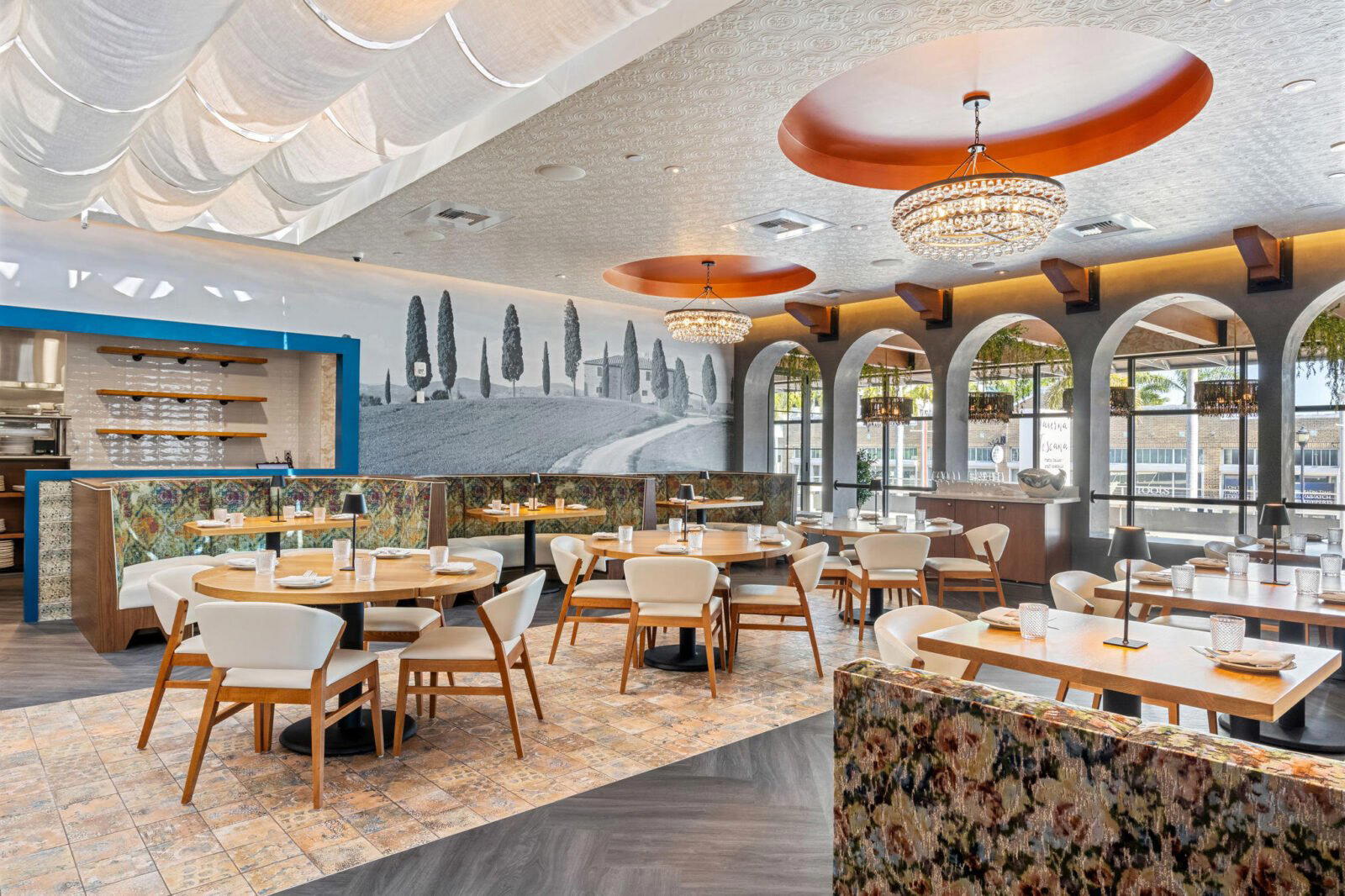
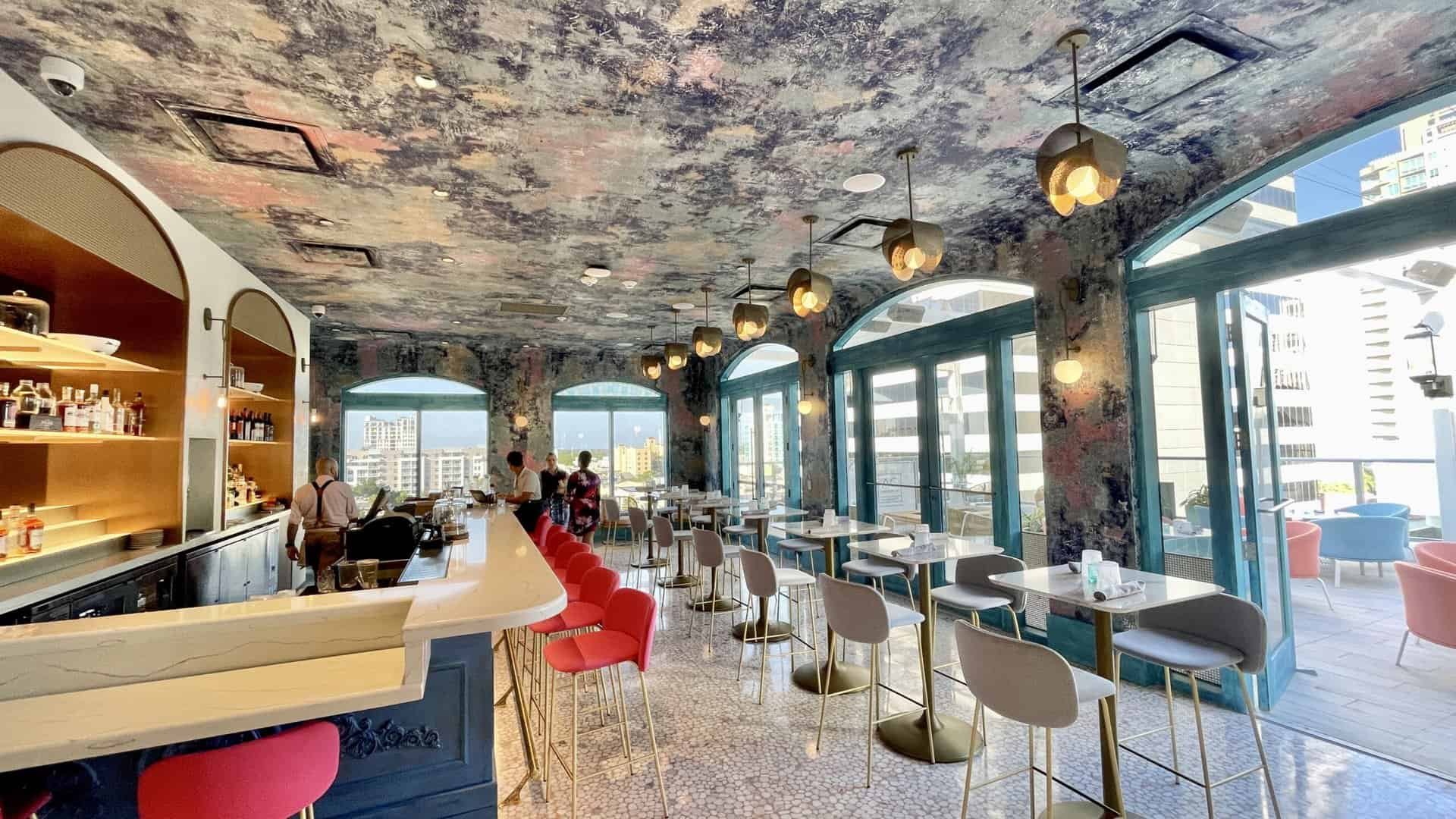
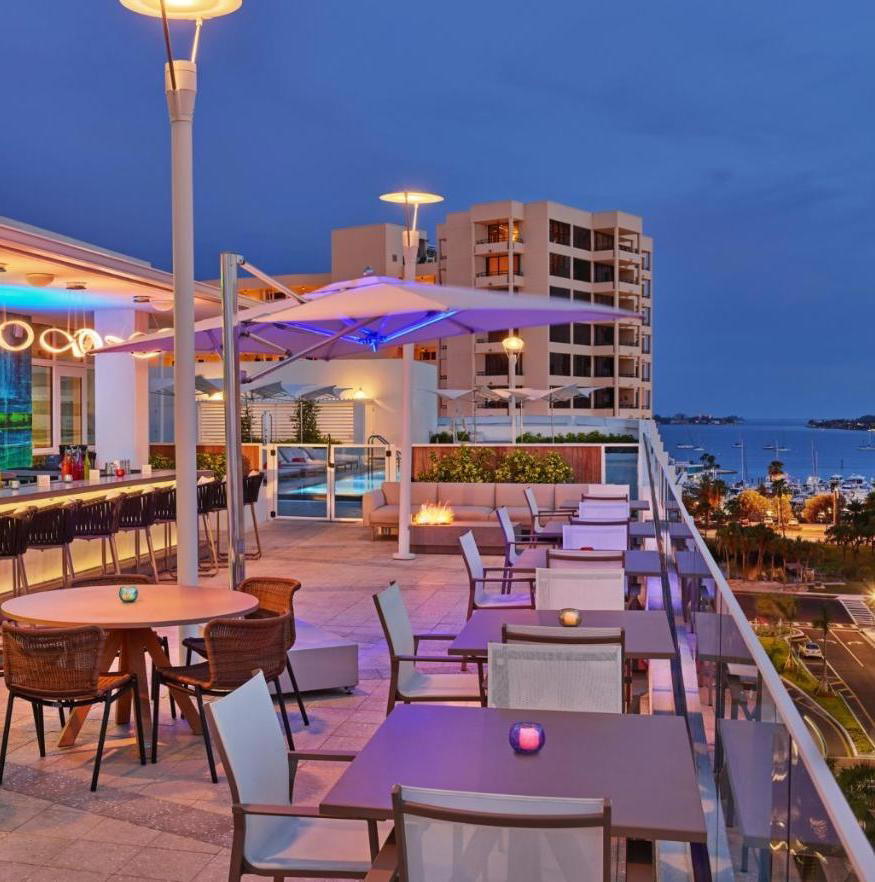
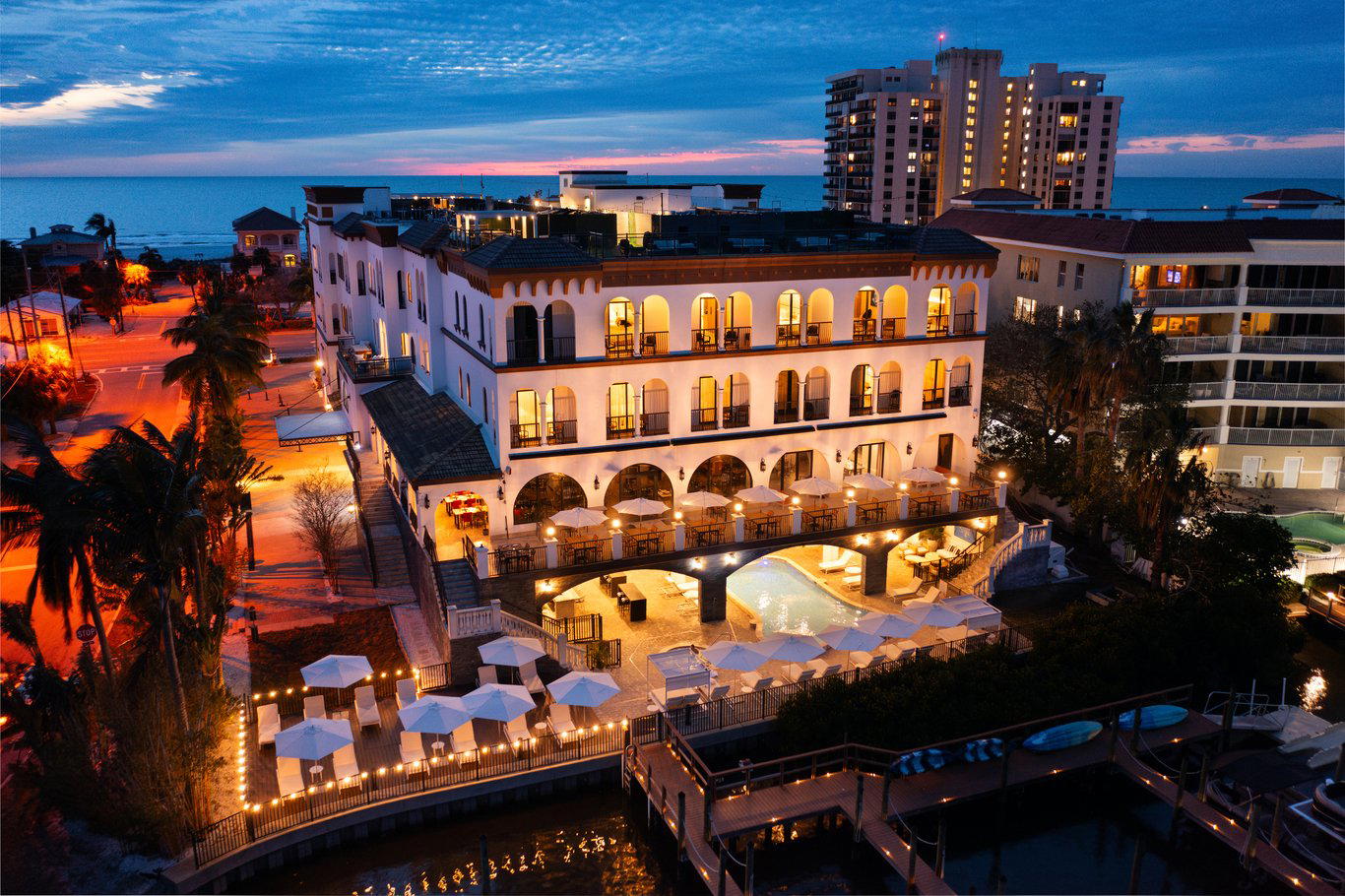
Candlelit casual-elegant atmosphere with warm ambiance, handcrafted decor, indoor dining, lively bar, and outdoor patio.