
Tabelog 100 #2
Our verdict
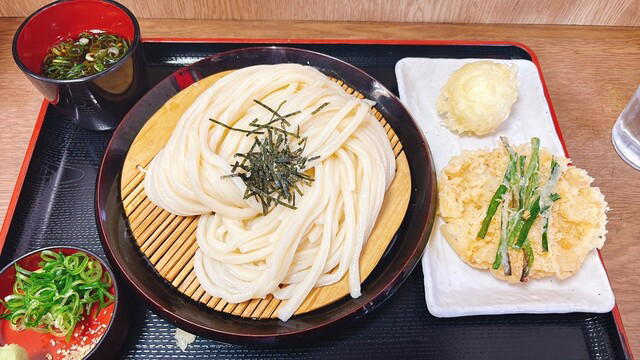
Tanuki Ya puts Okayama’s everyday udon culture into sharp focus: self-service pacing, low-cost bowls, tempura and onigiri on the side, and ingredient transparency inside the room. Its selection for Tabelog 100 Udon WEST 2024 gives this casual counter-and-table format a clear trust signal without turning it into a luxury ritual.

Pearl is the En Primeur Club membership app, where members save venues, book tables and use the concierge.
The menu
What to order
- Kake udon
- Bukkake udon
- Tempura toppings assortment
- Onigiri rice balls
Approach Tanuki Ya and the grammar is familiar to anyone who understands western Japan’s everyday udon culture: direct choice, quick decisions, and a meal built around the bowl rather than ceremony. The appeal is not hushed dining-room theatre, but a practical Okayama stop where value, speed, and consistency matter more than décor.
That matters because regional udon is not simply a noodle category. It is a test of proportion: wheat structure, broth clarity, topping choice, and the customer’s appetite. The restaurant’s 2024 recognition from Tabelog Hyakumeiten places it inside a competitive field where everyday formats are judged against specialists, not only casual convenience. In Okayama, where the restaurant conversation can move from pizza at 400℃ Mori No Machi to higher-spend rooms such as Teppan Kayano and Shuritsu Ooi, this is a different argument: a modest meal can still have a serious standard.
Kombu, wheat, and the discipline behind a low-cost bowl
The strongest editorial reason to pay attention is focus. The public category record is clear: udon, tempura, and onigiri. That is more than a menu list. It points to a compact Japanese meal structure in which noodles, broth, fried sides, and rice balls have to work together without the camouflage of elaborate service. In an udon shop, broth and noodle texture expose shortcuts quickly: too blunt, too salty, or too thin, and the bowl loses its centre.
The noodle side is best understood through that same discipline. Udon depends on wheat structure, chew, and the way the noodles hold themselves in broth. A working bowl should feel direct rather than decorative, with texture that can carry topping choice and the pace of a casual meal. The point is not refinement for its own sake, but a practical balance that makes a low-spend meal feel intentional.
Tempura and onigiri broaden the meal without changing its character. This is not a tasting-menu construction with fixed courses. It is assembly: noodles, broth, sides, and the diner’s own appetite shaping the final order. That range encourages customization within recognizably Japanese everyday logic. The diner edits the meal rather than handing control to a chef’s sequence.
At this price tier, clarity can be more persuasive than rhetoric. Tanuki Ya’s position is not that it competes with Okayama’s higher-ticket dining rooms; it shows how a focused category can carry real interest in a casual udon setting. The value is part of the argument, not a caveat to it.
Self-service udon as Okayama dining culture, not a shortcut
Casual udon can be misunderstood by travellers who equate premium dining with table service. In Japan, the format often has its own rigor: quick decisions, visible pacing, and a direct relationship between bowl and appetite. Here, the experience is best read through focus rather than spectacle. The restaurant rewards diners looking for a simple, category-led meal.
The format explains the social range. A straightforward udon, tempura, and onigiri restaurant can suit a quick individual meal as naturally as an easy group stop. During popular periods, the rhythm may feel brisk. That is not a flaw but a clue to its category: a local working restaurant first, with outside recognition layered on after the fact.
Okayama’s restaurant scene has a useful spread for comparison. Other Okayama dining rooms sit in a broader city map where Western cooking, local Japanese formats, and specialist rooms coexist without collapsing into one style. Tanuki Ya’s role is narrower and clearer: udon, tempura, onigiri, and a price tier that keeps repeat use realistic.
That narrowness is the virtue. A restaurant like this does not need a chef biography to justify itself. The evidence is structural: 2024 Tabelog Hyakumeiten recognition, a Tabelog score of 3.70, a defined noodle-and-broth focus, and public categories that make the proposition immediately legible. For travellers building a broader Okayama itinerary, it pairs better with everyday eating than occasion dining. Use our full Okayama restaurants guide for the wider dining map, then place this stop where a focused, low-spend udon meal makes more sense than a long reservation-led dinner.
Where it fits in a wider Okayama itinerary
The practical reading is simple: this is a casual udon address with recognition, not a luxury room. It works when the day calls for a precise, inexpensive meal built around broth and noodles, especially if the plan includes other time-sensitive stops in Okayama. Travellers comparing the city’s broader hospitality scene can cross-reference our full Okayama hotels guide, while drink-led evenings belong in our full Okayama bars guide. Regional context for wine and rural producers sits separately in our full Okayama wineries guide and our full Okayama experiences guide.
For readers tracing casual Japanese formats beyond Okayama, the useful comparison is not a single named venue but how everyday food becomes specialist when execution tightens. Across Japan and beyond, simple categories can become worth travelling for when repetition, proportion, and format are controlled. Tanuki Ya belongs to that editorial pattern because its focus is narrow and legible rather than expansive.
That pattern also explains why the restaurant does not need luxury signals to matter. Tanuki Ya’s case is grounded in udon, tempura, onigiri, a modest listed price band, and recognition in 2024 by Tabelog Hyakumeiten. That is enough.
Frequently asked questions
Is Tanuki Ya good for families?
Tanuki Ya is a casual udon, tempura, and onigiri restaurant in Okayama, so it can work well for an easy meal. Check the venue's official channels for the latest details.
How would you describe the vibe at Tanuki Ya?
It is a casual udon restaurant with a practical, everyday feel. The appeal is quick, focused dining rather than a formal occasion-room atmosphere.
Is Tanuki Ya more mid-range or high-end?
Pricing at Tanuki Ya is listed as - JPY 999 - JPY 999.
How do I find Tanuki Ya?
Tanuki Ya is located in Okayama.
Should I book Tanuki Ya in advance?
Check the venue's official channels for the latest reservation and operating details before visiting.
Side-by-Side Snapshot
Comparable venues by cuisine and price in the same metro.
| Venue | Cuisine | Price | Awards | Notes |
|---|---|---|---|---|
| Tanuki YaThis venue (the venue you are viewing) | Self-service Udon & Tempura | $1–10 | Tabelog 100 #2 | Not listed |
| Waraku | Traditional Japanese Cuisine | Not listed | Not listed | Kenchodori |
| Okonomiyaki Mori | Okayama-style okonomiyaki & izakaya | $30–50 | Tabelog 100 #63 | Hokancho, Kita-ku |
| Shuritsu Ooi | Casual Japanese Teppanyaki & Steak | $50–100 | Tabelog 100 #29 | Kita Ward |
| Tempura Sen no Tane | Japanese tempura restaurant | Not listed | Tabelog 100 #12 | Okayama |
| 楽旬菜 佐とう | Seasonal Japanese Kappo | $100–150 | Not listed | Saidaiji cho |
Recognition history
Dated appearances from independent guides and award organizations, with the underlying list record or original source where available.
Tabelog 100 #2 · No. 2
Tabelog · Tabelog 100 - Udon - WEST - 2024
Continue exploring
More in Okayama
Restaurants in Okayama
All restaurants in Okayama →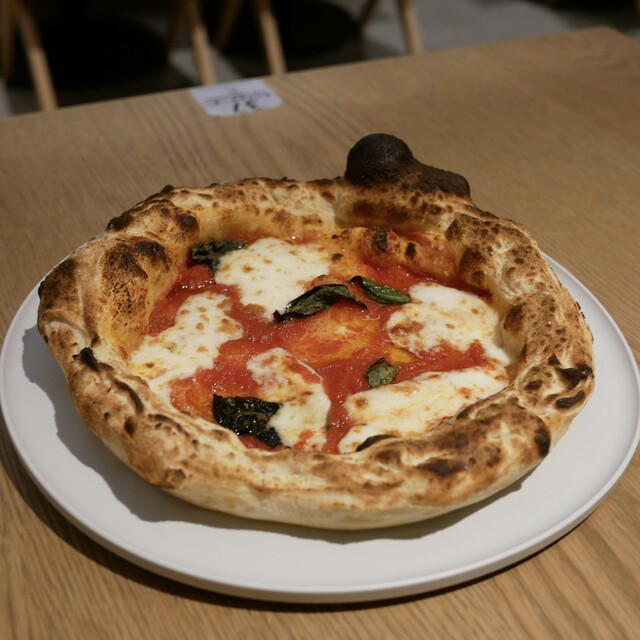
Bars in Okayama
Browse all →


Details
- Lively
- Cozy
- Classic
- Solo
- Family
- Casual Hangout
- Group Dining
- After Work
- Standalone
- Local Sourcing
- A La Carte
- Counter Dining
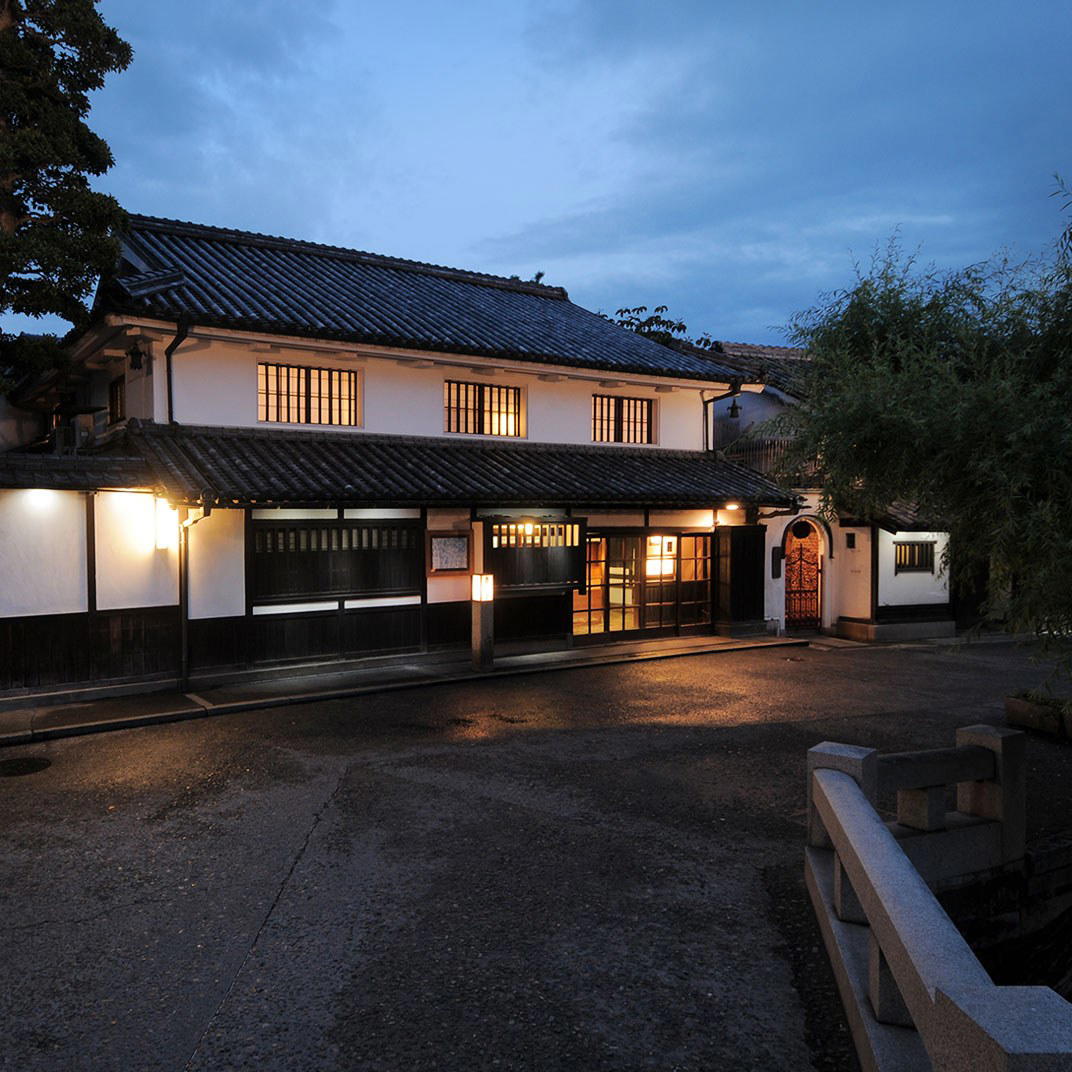
Bustling, casual canteen-style space with counter and table seating, quick turnover, and a relaxed family‑friendly feel, focused on efficient self‑service rather than decor.