Tangerine

World's 50 Best #12
Our verdict
Tangerine in Philadelphia offered a refined Mediterranean menu where Moorish design met seasonal technique. Must-try plates included the garlicky baby octopus salad, the pomegranate-glazed pork chop with chorizo corn fritter and escarole aglia oglia, and the Kobe-pedigreed grilled sirloin. Under chef Todd Fuller and part of Stephen Starr’s portfolio, Tangerine paired fresh, spice-forward cooking with an extensive old-world wine list selected by Kevin Lundell. Guests remember warm, intimate dining rooms, velvet seating, and music tuned low for private conversation. Reservations were recommended for evenings; dress was dressy casual, making it ideal for romantic nights and memorable business dinners in Old City Philadelphia.
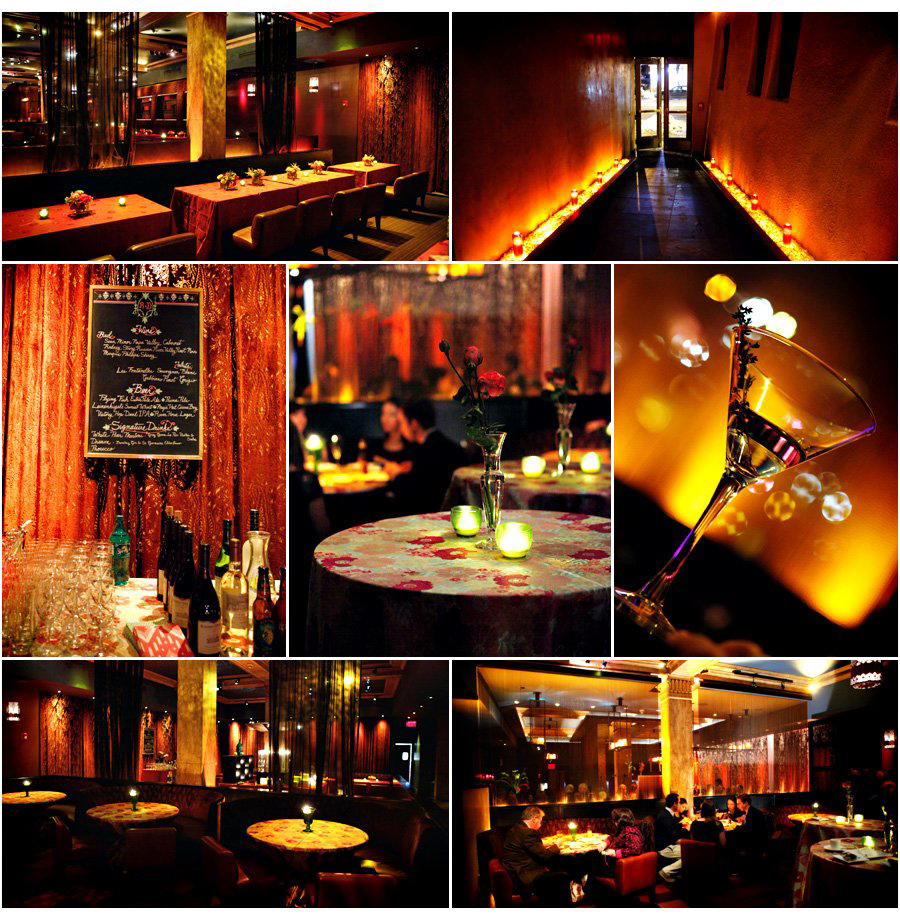
Tangerine was a defining dining address in Philadelphia’s Old City, positioned at 232 Market Street and known for Mediterranean cuisine with Moorish influence. From the moment diners passed a shadowed hall into the main room, the restaurant promised an intimate evening of carefully prepared plates and old-world wines. Tangerine set itself apart by combining Mediterranean staples with touches from France, Italy, and Spain while keeping a clear heart-healthy focus. The kitchen under Todd Fuller emphasized fresh ingredients and worldly spices, and the menu frequently highlighted seafood, grilled meats, and seasonal vegetables.
In Philadelphia, Tangerine attracted a clientele seeking refined flavors and a relaxed, dressy-casual service style. The name Tangerine signaled warmth and a palette of citrus and spice that ran across the menu. Chef Todd Fuller brought disciplined technique to rustic Mediterranean recipes, ensuring each dish read as both familiar and surprising. Fuller trained teams to highlight clean cooking methods and spice layering rather than masking ingredient quality.
That philosophy showed in plates like the garlicky baby octopus salad and the pomegranate-glazed pork chop. The ownership and direction of restaurateur Stephen Starr gave Tangerine industry credibility and drew attention from both local press and visiting food writers. The beverage program also carried distinction: Kevin Lundell curated a broad wine list focused on old-world varietals with about 20 wines offered by the glass, giving sommelier-level choices alongside approachable labels. This wine emphasis reinforced Tangerine’s positioning as a place for multi-course dinners paired with thoughtful bottles.
Walk through a typical culinary journey at Tangerine and you would begin with small plates designed for sharing. The garlicky baby octopus salad combined grilled, tender octopus with bitter radicchio, crisp endive, and celery for contrast. Mains balanced technique and bold flavors; the pomegranate-glazed pork chop arrived with a chorizo corn fritter and escarole aglia oglia, pairing sweet-tart glaze with savory, textured sides. For steak lovers, rounds of Kobe-pedigreed grilled sirloin delivered char and depth, served with simple seasonals to showcase the meat.
The menu rotated by season, leaning on coastal produce in summer and heartier roots in colder months. Cooking methods favored direct heat grilling, quick sautés, and bright finishing sauces that kept dishes lively on the palate. Portions were crafted for sharing, encouraging multi-dish menus that let guests taste across regions of the Mediterranean. The dining room made a clear statement about atmosphere and comfort.
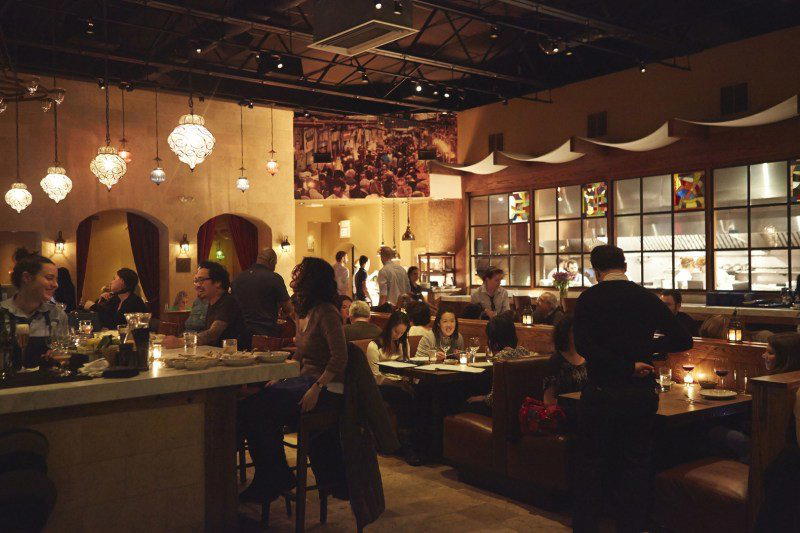
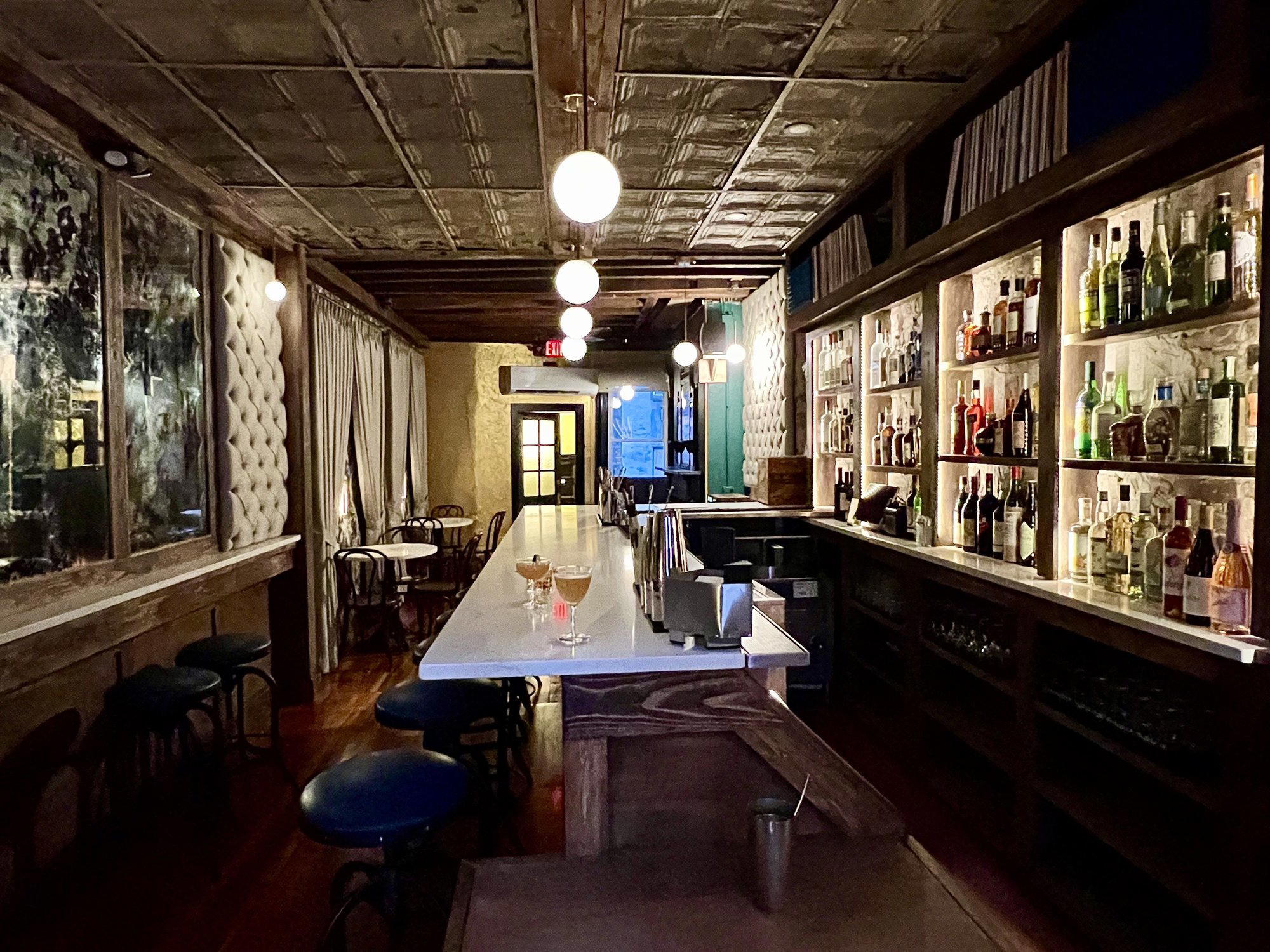
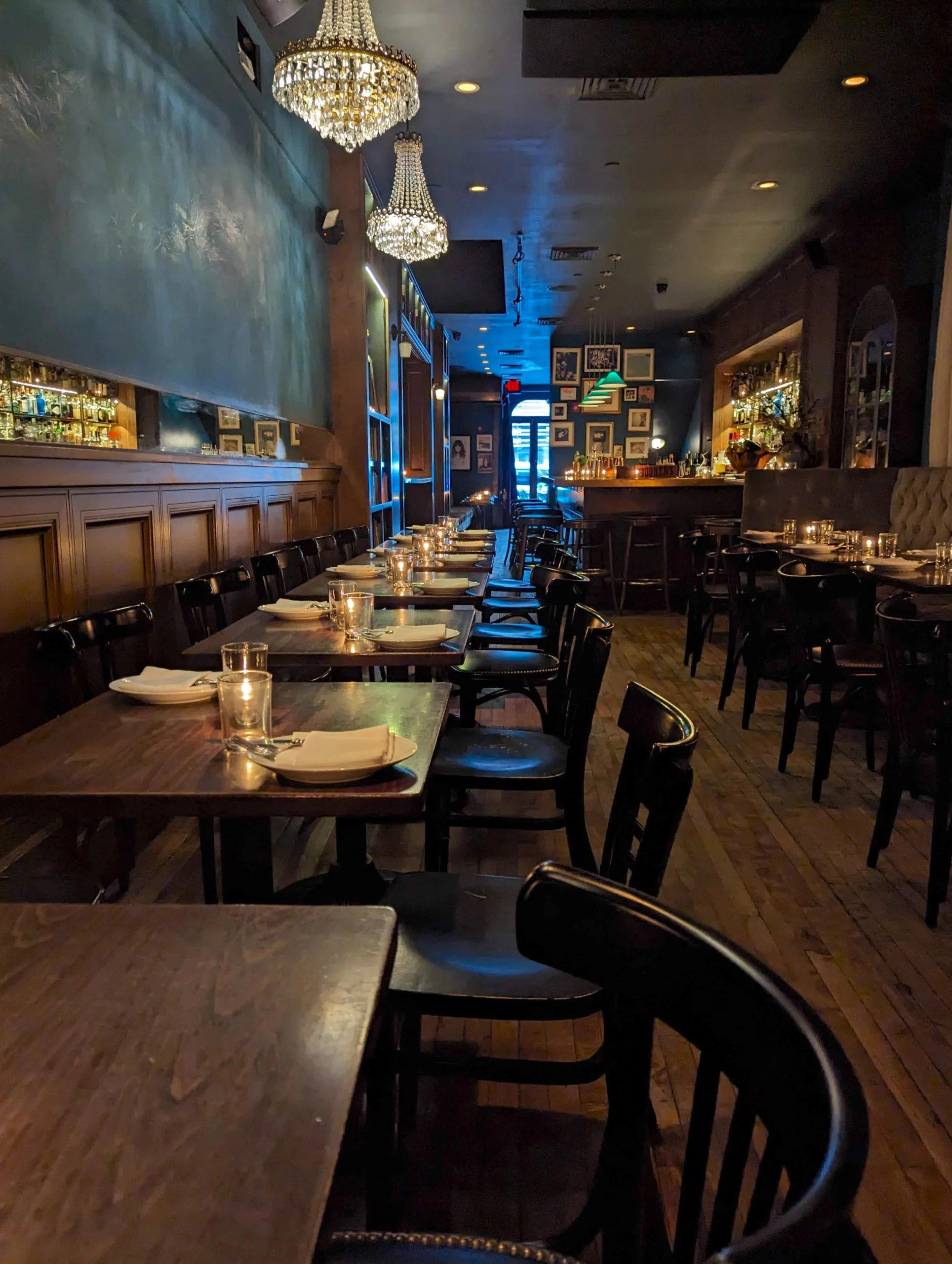
Interiors referenced Moorish romance through patterned tile motifs, arched details, and deep color palettes while keeping seating comfortable with velvet-lined chairs. Lighting stayed low to create privacy without feeling formal; music was kept at a conversational level. Service was attentive and polished yet approachable, with servers guiding pairings from the extensive wine list and suggesting seasonal items. Reservations were suggested for dinner; walk-ins could sometimes find seats for lunch or early evening.
Practical details mattered: Tangerine carried a clear dressy-casual tone, and its location on Market Street placed it within walking distance of Old City’s galleries and historic sites. For travelers planning a visit when the restaurant was operating, best times included weekday evenings for quieter service and Friday nights for more energy; reservations were recommended for weekend dining. Dress smartly—jackets were not required but collared shirts and well-tailored attire fit the room. Contact by phone (215-627-5116) was the typical route for bookings during its run.
Today, Tangerine remains an important chapter in Philadelphia’s restaurant history, remembered for Todd Fuller’s kitchen, Stephen Starr’s vision, and a wine program that favored old-world bottles. Those researching memorable Philadelphia meals should note Tangerine’s address at 232 Market Street and its influence on Mediterranean dining here. For travelers seeking a similar experience now, explore Stephen Starr’s other venues or ask local concierges for restaurants that carry forward Tangerine’s focus on seasonal Mediterranean plates and an intimate, wine-forward evening. Discover the legacy of Tangerine and the flavors that shaped a decade of Old City dining.
Comparable Venues Nearby
Comparable venues nearby, for context on price, style, and recognition.
| Venue | Cuisine | Price | Awards | Notes |
|---|---|---|---|---|
| TangerineThis venue (the venue you are viewing) | American Fusion | Not listed | World's 50 Best #12 | Not listed |
| Kalaya | Southern Thai | $50–100 | Michelin Plate · World's 50 Best #11 | Fishtown |
| Royal Sushi & Izakaya | Sushi Omakase & Izakaya | $100–150 | Michelin Bib Gourmand · World's 50 Best #32 | Southwark |
| Provenance | Modern French-Korean Fine Dining | $200–300 | 1 Michelin Star · James Beard Award Semi Finalist | Society Hill |
| Fork | Seasonal New American | Not listed | James Beard Award Outstanding Restaurateur #1 · Wine Spectator Award of Excellence | Old City |
| Mawn | Modern Cambodian Noodle House | $50–100 | James Beard Award Semi Finalist · New York Times America's Best Restaurants | Bella Vista |
Recognition history
Dated appearances from independent guides and award organizations, with the underlying list record or original source where available.
World's 50 Best Restaurants #12
World's 50 Best
Continue exploring