Taj Mahal Scottsdale
Indian cuisine in Scottsdale occupies a narrow but committed niche, and Taj Mahal on Craftsman Court sits within it as a neighbourhood-level anchor for the city's South Asian dining. Located in the Old Town corridor, the restaurant draws on a tradition of subcontinental cooking that remains underrepresented across the Arizona dining scene relative to the cuisine's depth and range.
Pearl is the En Primeur Club membership app — saves, bookings, and concierge access live there. Same editors, same standards.
- Address
- 4225 N Craftsman Ct, Scottsdale, AZ 85251
- Phone
- +14802571791
- Website
- aztajmahal.com
- Directions
- Get directions
 Saves & bookings on Pearl
Indian Cooking in the Desert: Where Scottsdale's South Asian Dining Stands
Scottsdale's restaurant identity leans heavily on steakhouses, resort dining, and a growing wave of Mexican-influenced menus, think rooftop programmes built around agave spirits and coastal Sonoran flavours, or the New American format represented by venues like Atlas Bistro. Against that backdrop, Indian cuisine operates in a smaller lane. The city's South Asian restaurants are few enough that any address holding consistent local attention carries weight disproportionate to its footprint. Taj Mahal Scottsdale, at 4225 N Craftsman Ct in the Old Town corridor, occupies exactly that kind of position.
The address itself matters. Craftsman Court sits within the denser, walkable part of Old Town, where the dining scene is more concentrated than in Scottsdale's sprawling northern suburbs. That proximity to foot traffic and the neighbourhood's established restaurant culture gives Indian cooking here a context it might lack in a strip-mall location further north. It's not the setting you'd associate with, say, a resort-anchored programme like Afternoon Tea at the Phoenician, but it draws a different kind of regulars: the neighbourhood diner who returns by habit rather than occasion.
The Culinary Tradition Behind the Menu
Indian cuisine carries among the more complex spice traditions of any cooking culture, developed across centuries of regional variation, religious dietary codes, and trade-route ingredient exchange. The subcontinental kitchen is not a single thing: what North India does with dairy-heavy gravies, slow-cooked lentils, and tandoor-fired breads differs substantially from South India's rice-forward, tamarind-bright, coconut-enriched cooking, and differs again from the street-food registers of Kolkata or Mumbai. A restaurant operating under the name Taj Mahal invokes the Mughal architectural legacy of Agra, a North Indian frame of reference that typically signals a menu built around the kind of dishes most familiar to Western audiences: tikka masalas, biryanis, dal makhani, paneer preparations, and the full range of tandoor-roasted proteins.
That North Indian register, if that is indeed the kitchen's orientation here, sits within a global template that has made Indian food among the more widely adopted restaurant formats across English-speaking markets. The cuisine's vegetarian range is one of its genuine structural advantages: the subcontinent's cooking traditions, shaped in part by Hindu, Jain, and Buddhist dietary practices, have produced a vegetarian repertoire far broader and more technically developed than most other global cuisines. Lentil-based dals, paneer curries, stuffed breads, and vegetable preparations like aloo gobi or baingan bharta are not afterthoughts added to satisfy dietary requests. They are central to the tradition.
This matters for Scottsdale diners particularly because the city's dominant restaurant formats, steakhouses, protein-forward Southwestern menus, resort dining built around grilled meats, leave vegetarians with fewer serious options than in denser urban markets. Indian cooking, at its most considered, fills that gap structurally rather than accommodatingly.
Scottsdale's Dining comparable set: Where Indian Fits
To understand Taj Mahal Scottsdale's position, it helps to map the city's dining range. At the technical and investment end, Scottsdale produces serious cooking: the fine-dining tier that earns regional and national attention tends to operate within hotel infrastructure or in standalone destinations that draw from across the metro area. That tier has more in common with what Addison in San Diego or Providence in Los Angeles represent at the West Coast level than with neighbourhood dining. Below that, the mid-tier is where most of Scottsdale's everyday restaurant life happens, and that is where Indian cuisine, in most American cities, competes.
The neighbourhood Italian format represented by Andreoli Italian Grocer or the more traditional trattoria approach of Arrivederci Pinnacle Peak shows what mid-tier ethnic cuisine in Scottsdale can achieve when it operates with culinary sincerity: a focus on authentic technique, regular-customer loyalty, and a menu that doesn't drift toward generic crowd-pleasing. Indian restaurants that thrive in American suburban markets tend to operate on the same logic. The spice complexity, the bread traditions, and the vegetarian depth create a kitchen identity strong enough to anchor repeat visits from a core audience, even without the novelty factor that drives first-time covers.
Nationally, the restaurants EP Club tracks in the highest tier, from Le Bernardin in New York City to Alinea in Chicago to Blue Hill at Stone Barns in Tarrytown, represent a different register entirely. Taj Mahal Scottsdale's significance is neighbourhood-scale and cuisine-category-specific, not fine-dining competitive. That framing is not a criticism; it is a description of what this kind of restaurant does and who it serves.
What to Expect When You Go
The Old Town Scottsdale location means the surrounding area rewards combining a meal here with the neighbourhood's broader character. The corridor between Old Town and the Civic Center has enough restaurant and bar density that an evening can move from one stop to the next without committing to a car.
Indian restaurants in markets where the cuisine is less common still tend to offer a broad range of vegetarian and non-vegetarian dishes. The tradition's dairy-forward cooking, ghee-enriched gravies, paneer as a primary protein, lassi-based drinks, pairs with a bread repertoire that can anchor a meal on its own: naan, roti, paratha, and puri each come from distinct preparation traditions. For diners less familiar with the cuisine's structure, ordering across multiple categories (a lentil preparation, a paneer dish, a meat or poultry curry, and at least two bread types) gives a more accurate picture than focusing on a single main.
Know Before You Go
Address: 4225 N Craftsman Ct, Scottsdale, AZ 85251
Neighbourhood: Old Town Scottsdale
Cuisine: Indian (subcontinental, likely North Indian register)
Price range: About $25 per person
Reservations: Recommended
Parking: Old Town Scottsdale has structured and street parking within walking distance of Craftsman Court
Nearby context: Within the Old Town dining corridor; walkable to multiple restaurant and bar options
Just the Basics
Comparable venues nearby, for context on price, style, and recognition.
| Venue | Cuisine | Price | Notes |
|---|---|---|---|
| Taj Mahal ScottsdaleThis venue — the venue you are viewing | Old Town Scottsdale, North Indian | $$ | Not listed |
| FnB Restaurant | Not listed | $$ | Old Town Scottsdale, Farm-to-Table New American |
| The Willows Restaurant | Salt River, American Casual Cafe | $$ | Not listed |
| Pizzería Virtu | Not listed | $$ | Old Town Scottsdale, Traditional Neapolitan Pizza |
| Sweet Republic | Scottsdale, Artisan Ice Cream | $$ | Not listed |
| Pitch Scottsdale | Not listed | $$ | Old Town Scottsdale, Wood-Fired Artisan Pizza & Italian |
Continue exploring
More in Scottsdale
Restaurants in Scottsdale
Browse all →


Bars in Scottsdale
Browse all →

Hotels in Scottsdale
Browse all →




At a Glance
- Modern
- Lively
- Group Dining
- Casual Hangout
- Open Kitchen
Current opening hours
- Monday
- 11 AM–10 PM
- Tuesday
- 11 AM–10 PM
- Wednesday
- 11 AM–10 PM
- Thursday
- 11 AM–10 PM
- Friday
- 11 AM–11:30 PM
- Saturday
- 11 AM–11:30 PM
- Sunday
- 11 AM–10 PM
Hours can change for holidays and private events. Last verified .
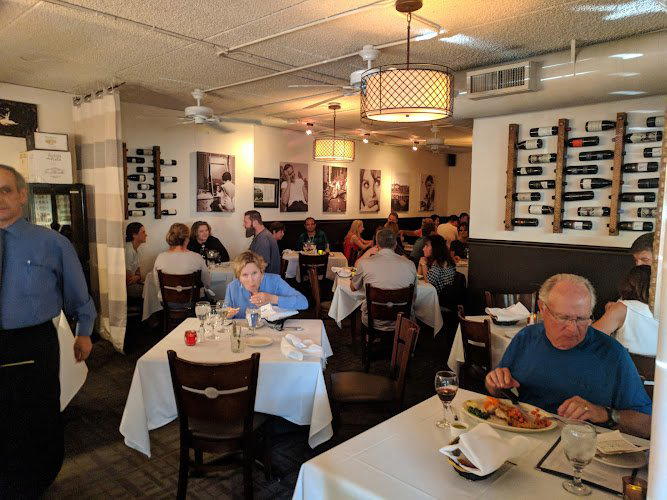
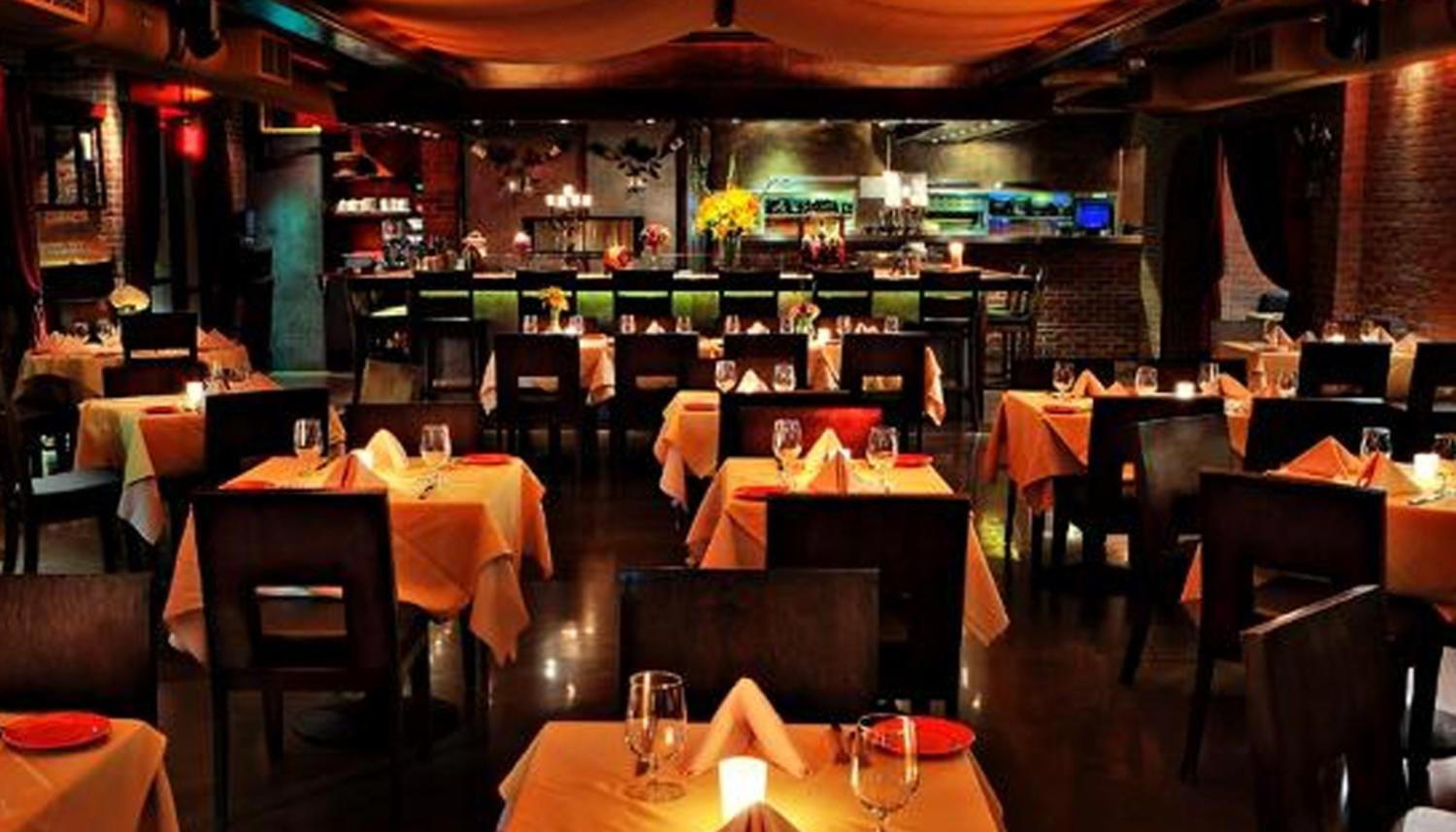
Modern and clean dining room with intoxicating aromas of exotic spices, lively Indian music, and television.