Google: 4.6 · 372 reviews
.png)
Tafel 10 holds consecutive Michelin Plate recognition (2024 and 2025) for its farm-to-table cooking in rural West Flanders. The address in Wingene puts it deep in agricultural Belgium, where the cooking logic follows the land rather than the latest urban trend. With a 4.5 Google rating across 356 reviews, it sits in a tier of serious rural Flemish dining that rewards the drive.
 Discover on Pearl
Pearl is the En Primeur Club membership app — saves, bookings, and concierge access live there. Same editors, same standards.
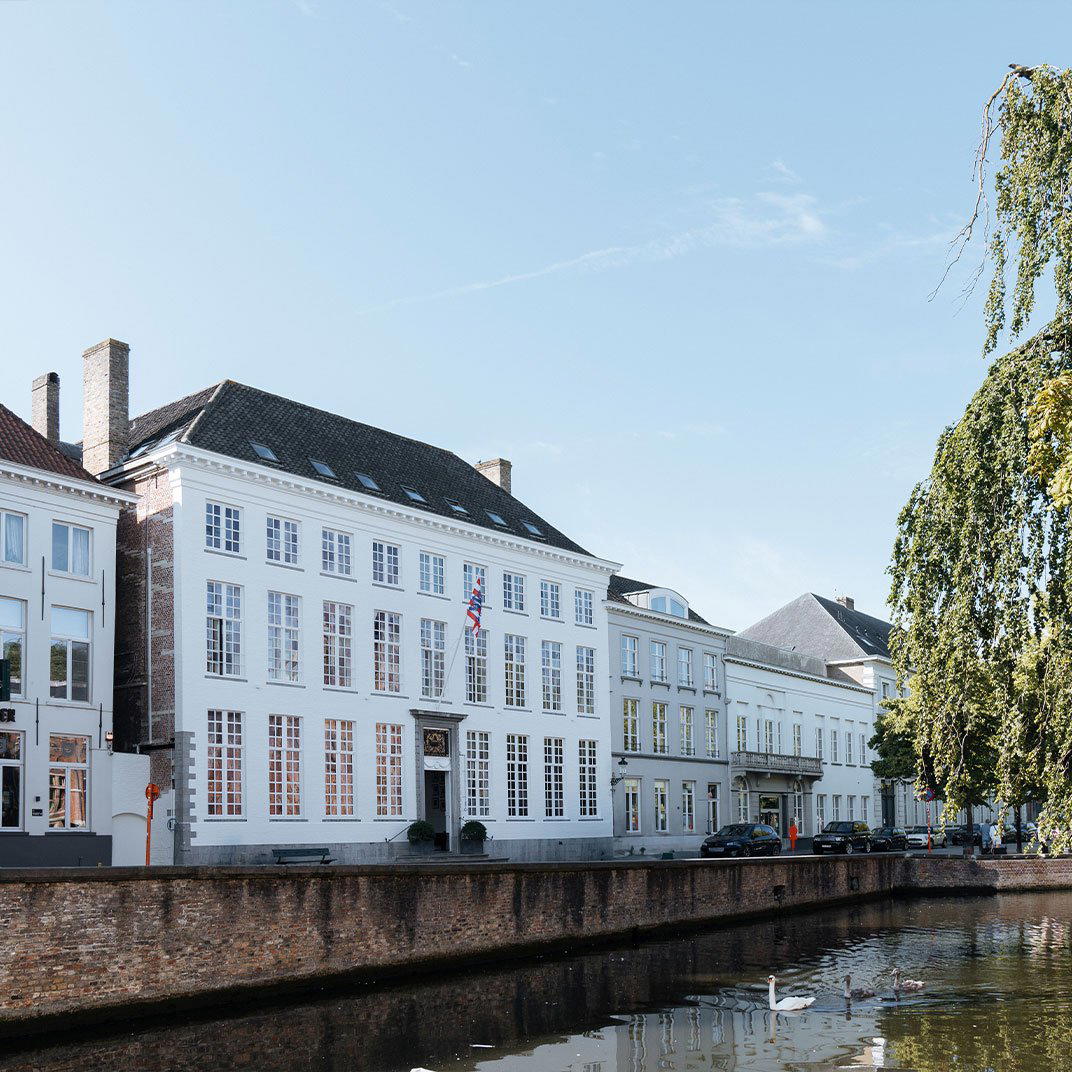
Where the Fields Set the Menu
Rural West Flanders does not perform its relationship with the land — it simply has one. The polderland and sandy-loam farmland stretching between Ruiselede and Wingene has fed Flemish kitchens for centuries, and a number of serious dining rooms in this part of Belgium have built their identity around that proximity rather than despite it. Tafel 10, on A. Rodenbachstraat in Wingene, sits inside that tradition: a farm-to-table address where the sourcing logic is structural, not decorative. Michelin has awarded it a Plate in both 2024 and 2025, a consecutive recognition that signals consistent kitchen discipline rather than a one-season spike.
Farm-to-table as a category has been diluted in many cities by restaurants that use the language without the infrastructure. What distinguishes the credible version — and what Michelin's Plate category tends to reward at this price tier , is the degree to which sourcing shapes the menu rather than the menu selecting convenient local garnishes. In agricultural Flanders, the conditions for the real version exist in a way they simply do not in a city centre: farms are close, relationships between kitchen and grower are practical rather than aspirational, and seasonal discipline is built into supply rather than enforced by a philosophy statement.
The Farm-to-Table Case in Flemish Context
Belgium's fine dining map has historically concentrated its highest-tier recognition in larger urban centres and a few celebrated rural addresses. Places like Hof van Cleve in Kruishoutem and Boury in Roeselare operate at the starred end of that spectrum, with sourcing programmes that are well-documented and prices that sit in the €€€€ bracket. Tafel 10 occupies a different position: €€€ pricing with consecutive Plate recognition, which places it in a serious but more accessible tier of Flemish destination dining.
That price positioning matters for how you interpret the cooking. At €€€, a kitchen is working within tighter margins than a starred peer, which means ingredient selection has to be sharper. Sourcing locally is not just an ethical choice at this level , it is often an economic one, and the discipline it imposes tends to produce meaner, more focused menus. The farm-to-table designation at Tafel 10 is therefore worth reading as a structural commitment rather than a marketing angle: the kitchen is shaped by what the surrounding land produces, and the menu follows accordingly.
For comparison across the broader Belgian farm-to-table category, BOK Restaurant in Münster and Clostermanns Le Gourmet in Niederkassel represent how the same sourcing logic translates across the German border, where producer relationships and seasonal discipline operate under similar northern European agricultural rhythms.
What Consecutive Michelin Recognition Signals
The Michelin Plate is awarded to restaurants where inspectors judge the food to be of good quality , a threshold that filters out inconsistent or merely competent kitchens. Receiving it in back-to-back years (2024 and 2025) signals that the kitchen is not coasting on a single strong inspection season but delivering at a reliable standard across time. In a small rural address without the infrastructure of a city-centre operation, that consistency is harder to maintain and therefore carries more weight.
A 4.5 Google rating across 356 reviews adds a civilian layer to that professional signal. At that volume of reviews for a restaurant in a village setting, the score reflects a broad cross-section of diners rather than a self-selecting enthusiast audience. The combination , professional Michelin recognition and sustained public approval , suggests a kitchen that works for the diner in front of it rather than performing for a critic.
For reference on where Tafel 10 sits within the wider Belgian recognition tier, addresses like Zilte in Antwerp, Willem Hiele in Oudenburg, and Bartholomeus in Heist operate in higher award brackets. Tafel 10's Plate tier is a different conversation , less about technical spectacle, more about ingredient honesty and cooking that earns its place at the table without needing to announce itself.
Getting There and Planning the Visit
Wingene sits in the agricultural interior of West Flanders, accessible from Bruges in under thirty minutes by car and from Ghent in roughly forty-five. The address , A. Rodenbachstraat 10, 8755 Wingene , is on a quiet village road, the kind of location that requires intent to reach and rewards that intent with a meal removed from urban noise. There is no public transport logic that makes this direct; this is a driving destination, and planning around it means committing to the rural setting as part of the experience.
The €€€ price range places a meal here below the €€€€ benchmark of starred Flemish peers, making it a more accessible entry point into serious West Flemish cooking. For those building a longer stay in the region, accommodation options around Ruiselede are worth booking alongside the table, and the surrounding area has experiences and bars that can anchor a proper rural West Flanders itinerary. For a full picture of dining in the area, see our Ruiselede restaurants guide.
Those travelling further afield for Belgian fine dining context might also consider Bozar Restaurant in Brussels or La Durée in Izegem, both of which operate in different price and style registers but map the range of serious Belgian cooking available within a manageable radius. d'Eugénie à Emilie in Baudour, L'Eau Vive in Arbre, Ralf Berendsen in Neerharen, and Sir Kwinten in Sint-Kwintens-Lennik extend that map across different Flemish and Walloon registers. For wineries and broader regional exploration, our Ruiselede wineries guide covers the local context.
Fast Comparison
These are the closest comparables we have in our database for quick context.
| Venue | Cuisine | Price | Awards |
|---|---|---|---|
| Tafel 10This venue — the venue you are viewing | Farm to table | €€€ | Michelin Plate (2025); Michelin Plate (2024) |
| Boury | Modern Frlemish, Creative French | €€€€ | Michelin 3 Star |
| Comme chez Soi | French - Belgian, Classic Cuisine | €€€€ | Michelin 1 Star |
| Hertog Jan at Botanic | Modern Flemish, Creative | €€€€ | Michelin 2 Star |
| L'Eau Vive | French, Modern French | €€€€ | Michelin 2 Star |
| La Durée | French-Belgian, Creative | €€€€ | Michelin 2 Star |
Continue exploring
More in Ruiselede
Restaurants in Ruiselede
Browse all →
Bars in Ruiselede
Browse all →
At a Glance
- Elegant
- Intimate
- Sophisticated
- Hidden Gem
- Cozy
- Date Night
- Special Occasion
- Celebration
- Terrace
- Courtyard
- Historic Building
- Standalone
- Farm To Table
- Local Sourcing
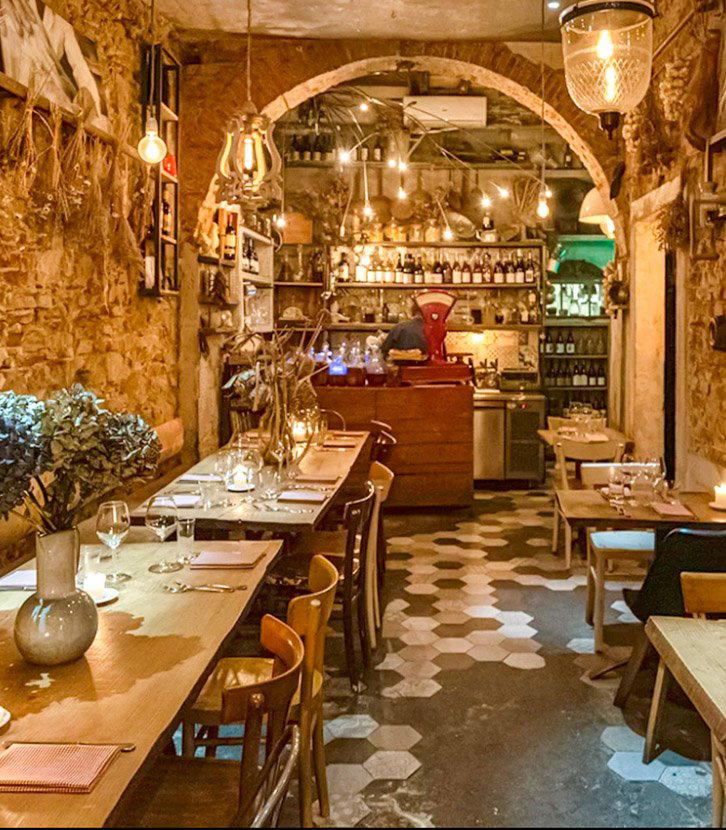
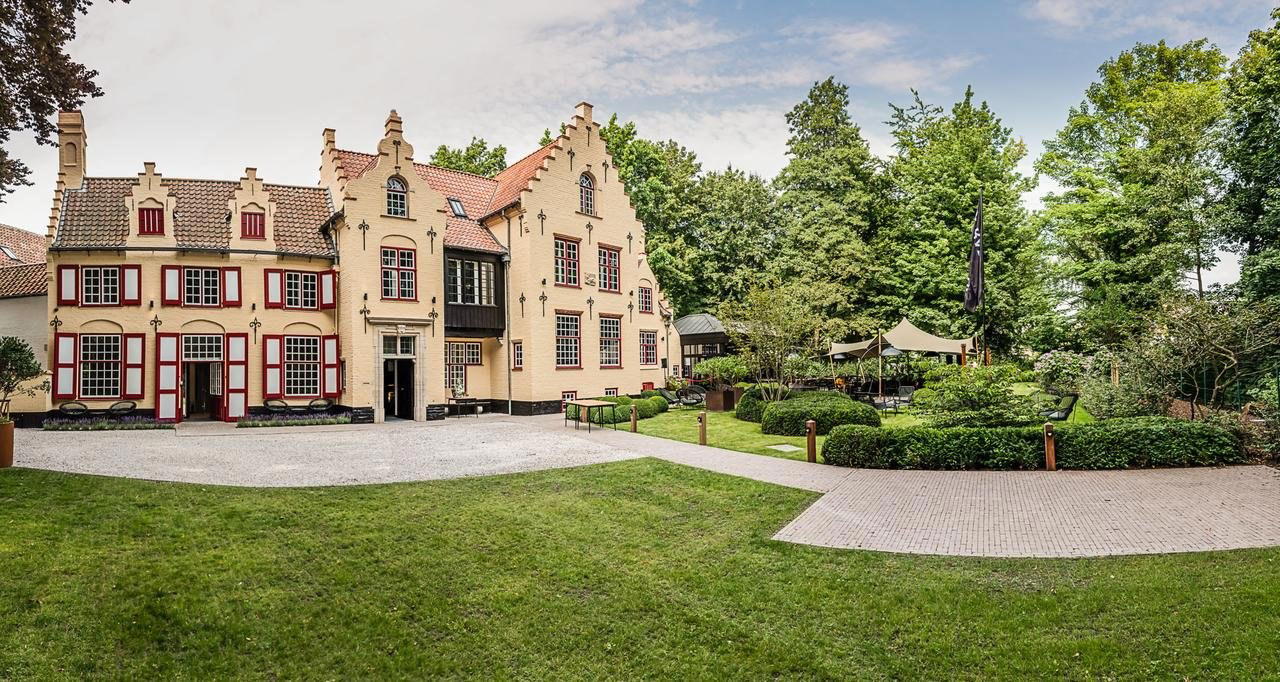
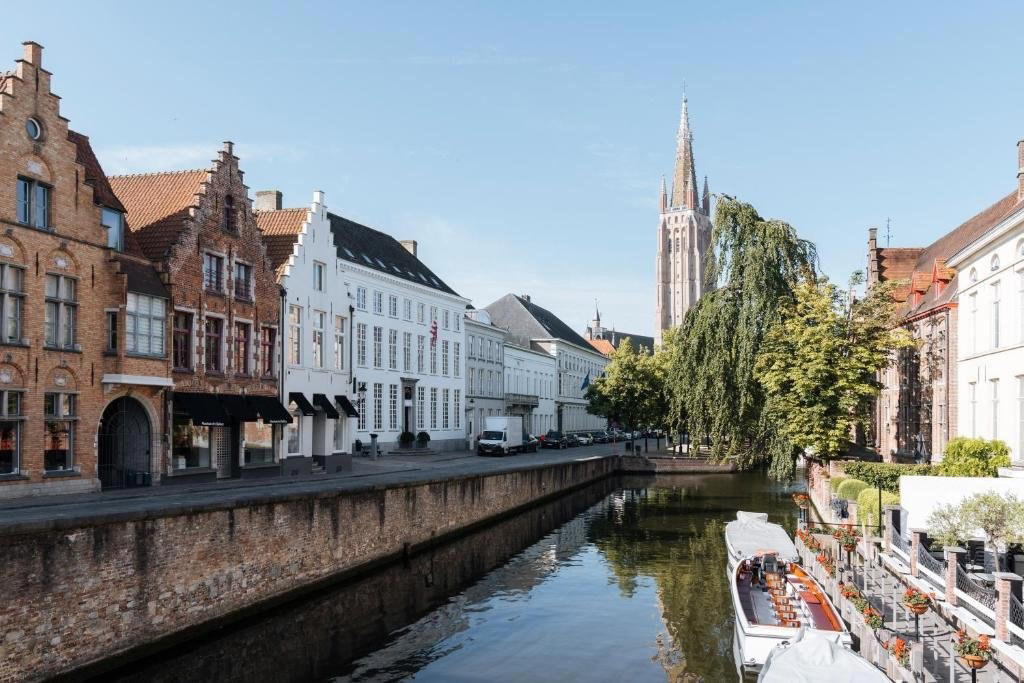
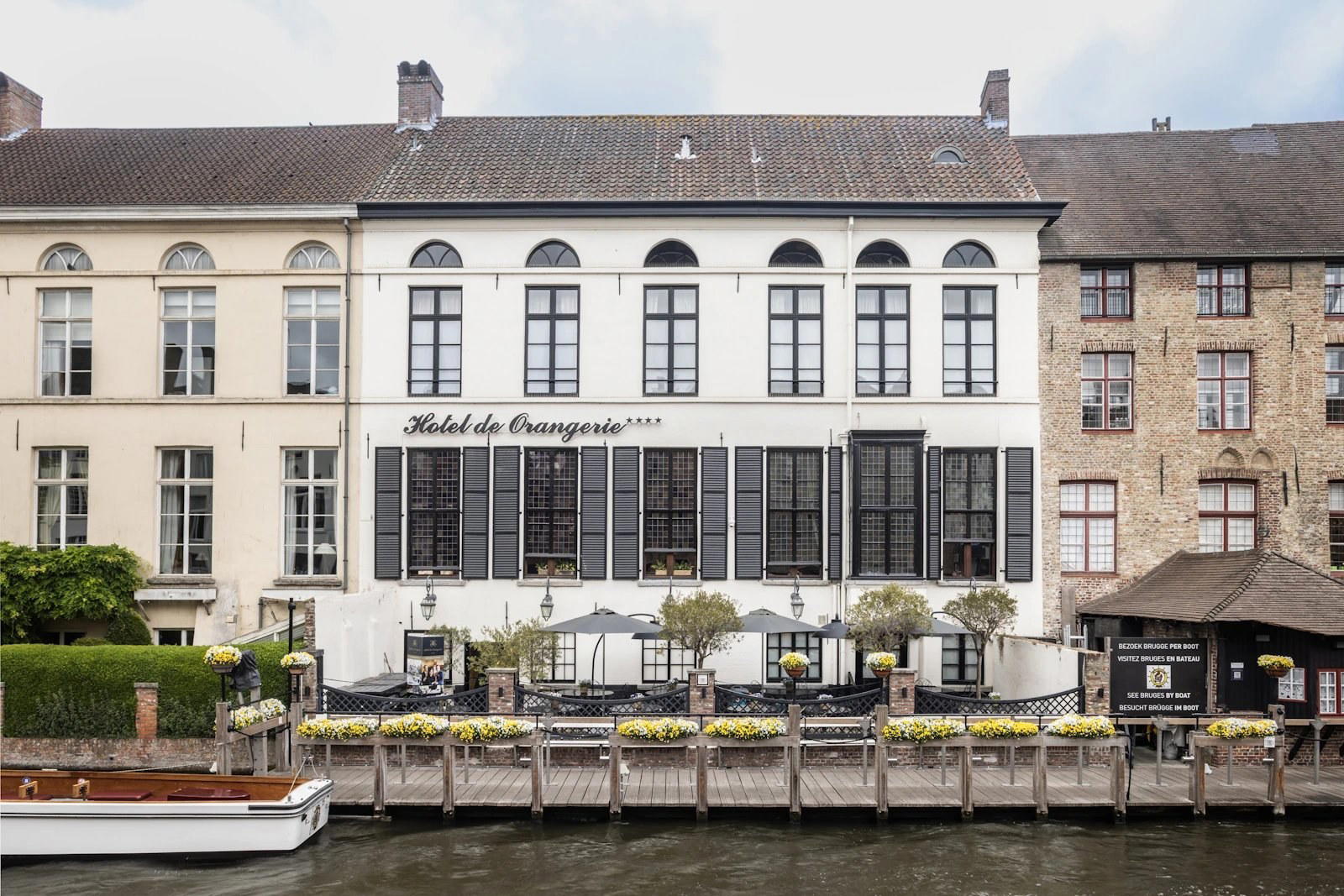
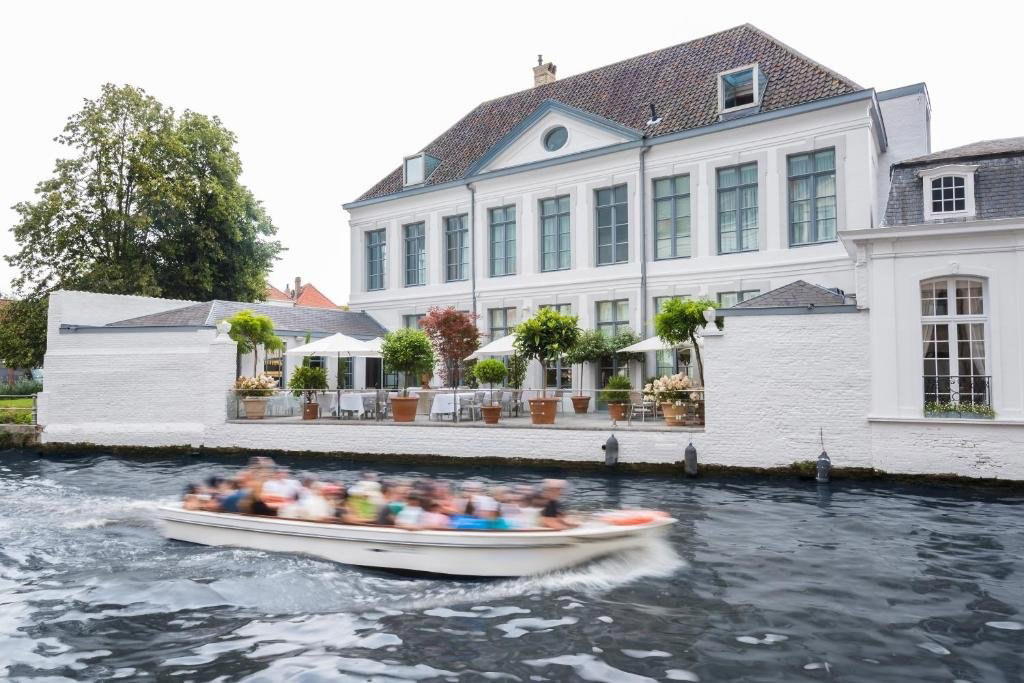
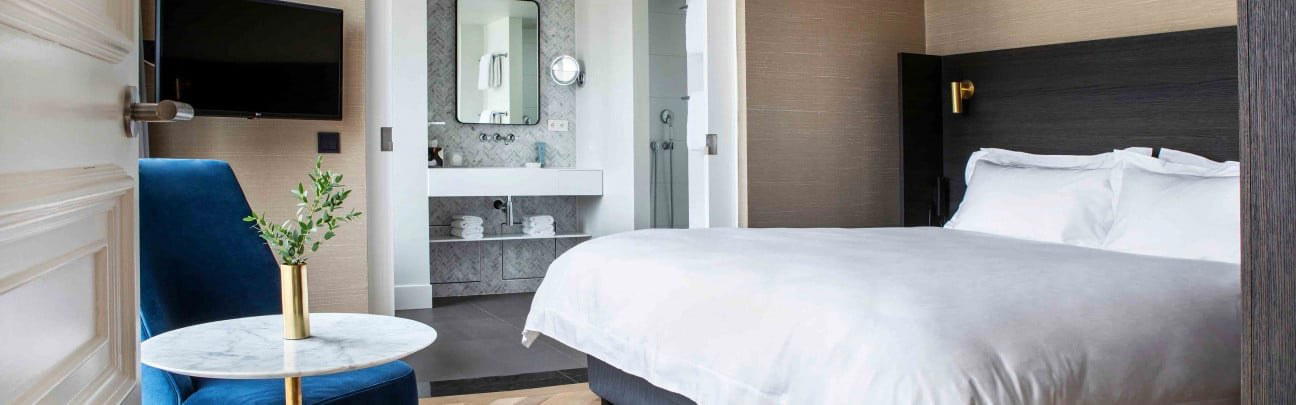
Black and white tiled floors and an open fire create a plush, sophisticated setting in a historic home with 21st-century comfort; intimate and refined with elegant plate presentations.